

Sponsored content provided by EaZyHold
There’s something so exciting about the fresh start of a new school year. It brings new lessons to learn, new goals to chase, and a fresh set of expectations. However, for students who have limited grip strength to hold objects, whether due to limb differences, low muscle tone, or conditions that affect fine motor control, that fresh start can come with an extra hurdle: simply holding all the tools that a school day requires.
Back-to-School shopping lists already include the usual basics: notebooks, pencils, a new backpack. For students who need extra support to hold their supplies, EaZyHold belongs on that list too.
What EaZyHold Does
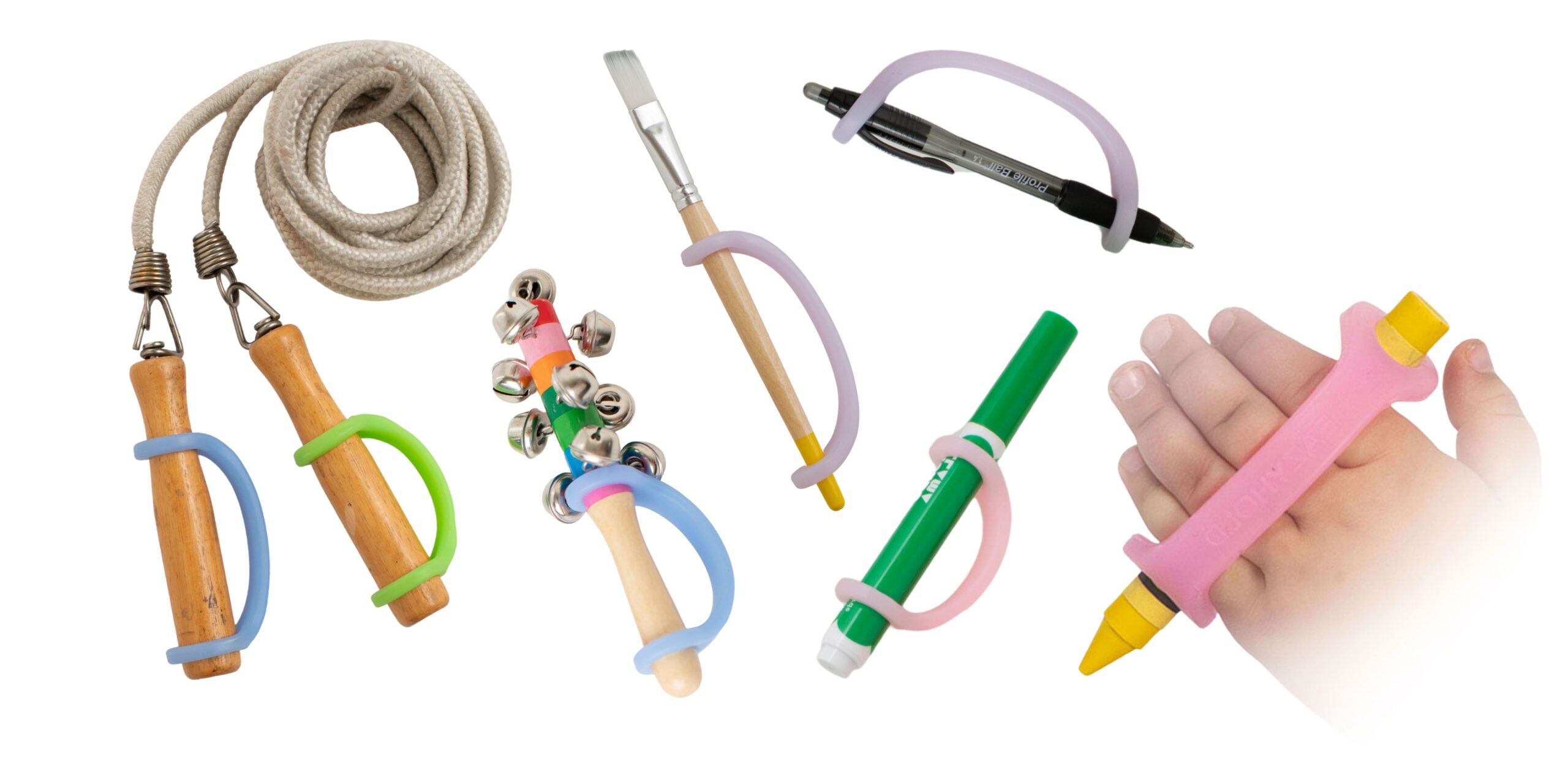
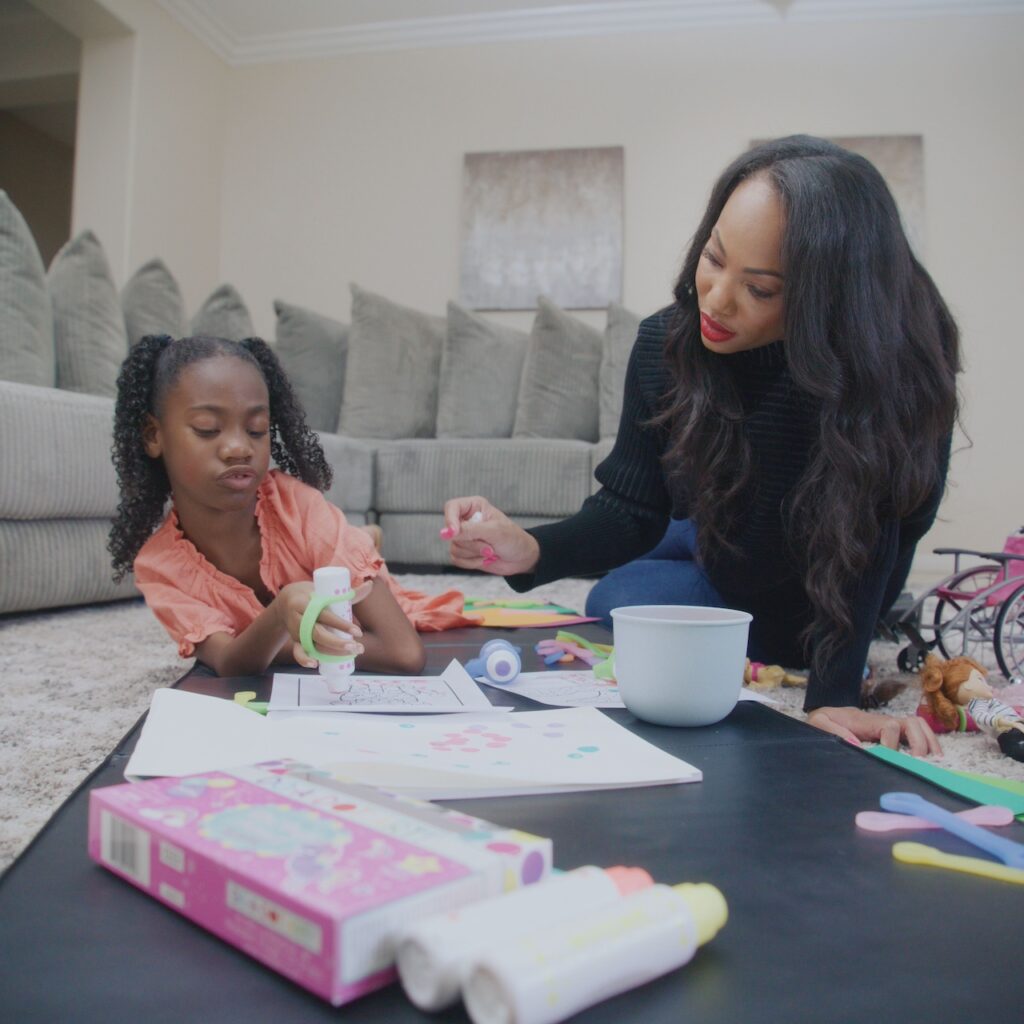
EaZyHold is a soft silicone cuff that hugs a student’s hand and holds an object in place. Slide a pencil, paintbrush, glue stick, or any handle through the stretchy opening, and the item stays put, even when a full grip isn’t possible. The cuff does the holding, so the student can focus on writing, painting, eating, or playing.
Available in a variety of sizes, EaZyHold offers everything from small cuffs for infants and toddlers to larger adult versions, ensuring the right fit for every student.
Just some of the things EaZyHold can help a child hold:
- Pens and pencils
- Crayons and markers
- Paintbrushes
- Gluesticks
- Eating utensils
- Water bottles and sippy cups
- Jump ropes
- Sports equipment
- Musical instruments
Designed to Keep the Hand in Contact
Most adaptive grip solutions solve the holding problem by adding bulk and building up the handle, or strapping the hand to a rigid frame. That works, but it puts material between the child and the object.
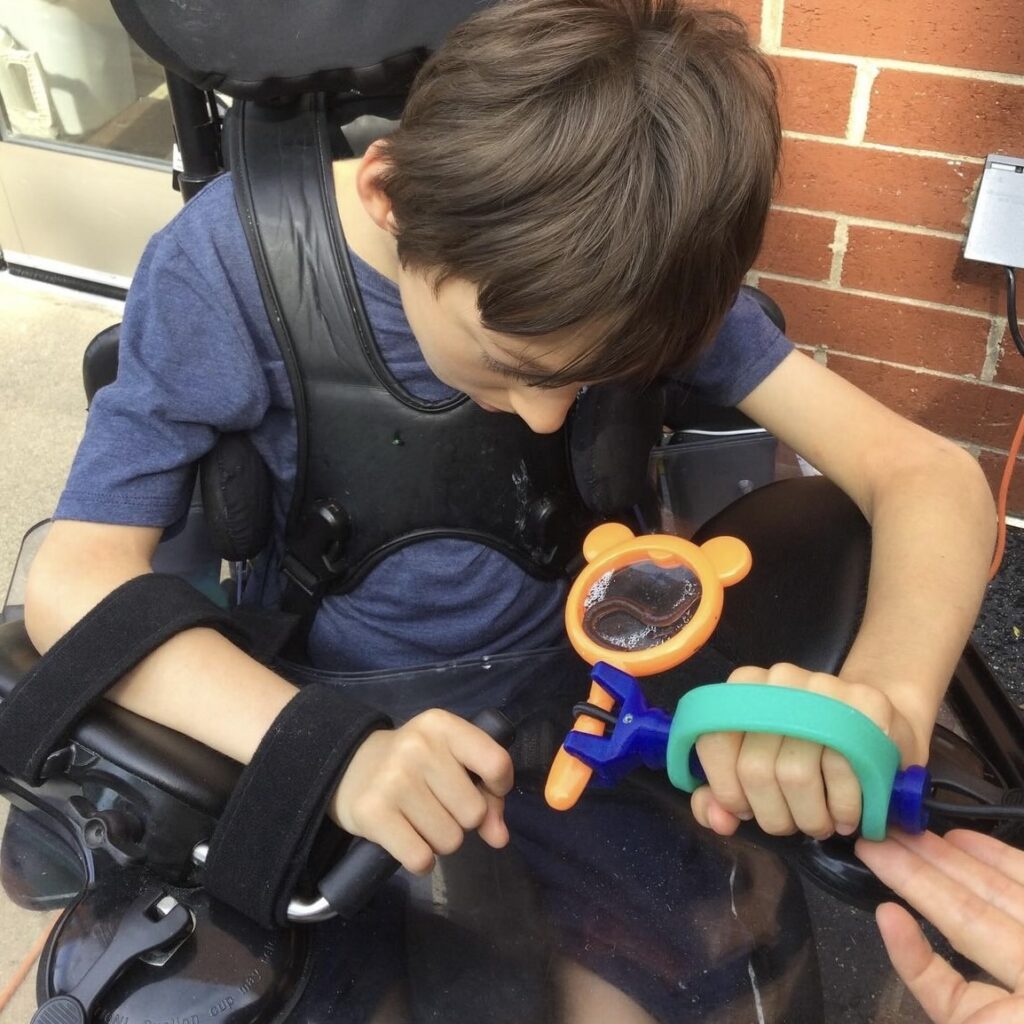
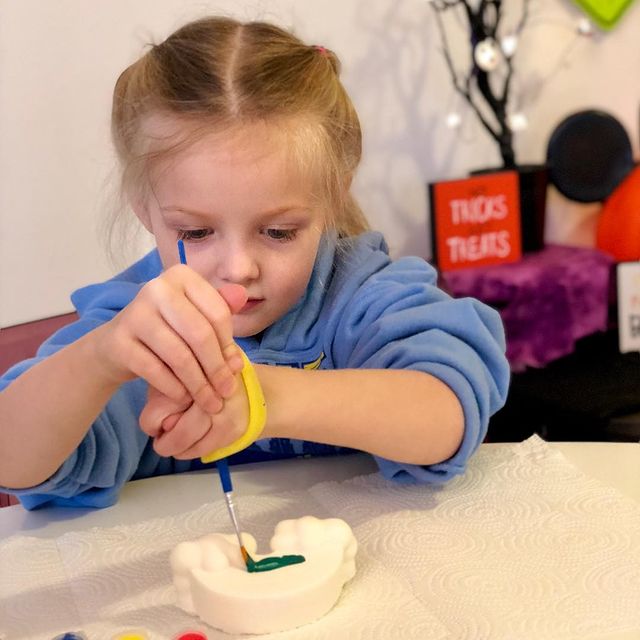
EaZyHold takes the opposite approach. The silicone is thin, soft, and flexible, and it warms to skin temperature and moves with the hand rather than immobilizing it. The child’s hand stays in contact with the pencil, the drumstick, the fork.
That contact matters. Sensory feedback (like the weight of an object, its texture, the vibration that travels up a mallet when it strikes a drum), is how the motor system learns. Research on touch and motor development points in a consistent direction: the more sensory information a child can take in, the more their fine motor control has to work with, handwriting included. So, a cuff that lets those signals through is doing more than holding a pencil. It’s leaving room for a child’s hands to keep learning.
In practical terms: a student using EaZyHold isn’t just getting the object held. They’re feeling it!
In the Classroom
Walk into most classrooms, and you can spot the adaptive equipment. It lives in its own bin, on its own shelf, and it comes out for one child. EaZyHold works the other way around. It doesn’t replace what’s in the room; it makes what’s in the room usable. A teacher doesn’t need a separate supply closet of adapted tools. Instead, EaZyHold turns the classroom’s own pencils, markers, and paintbrushes into tools a student can hold independently.
That matters for more than convenience. When adaptive tools allow a student to use the same paintbrush as their peers, we bridge the gap between separate learning and true classroom inclusion. Independence in small daily tasks, holding a fork at lunch, gripping a marker during a group project, or securing a stylus for digital tasks adds up to real participation in the school day.
On the Playground
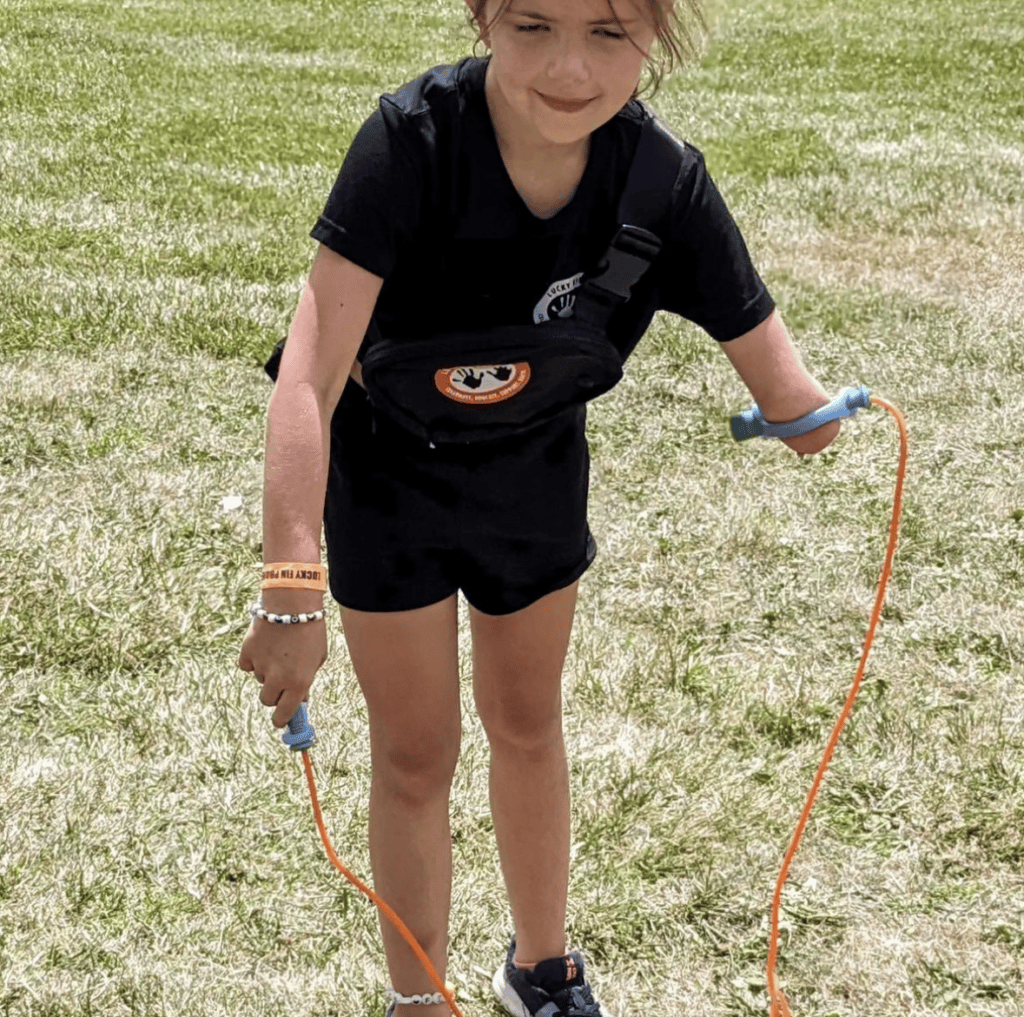
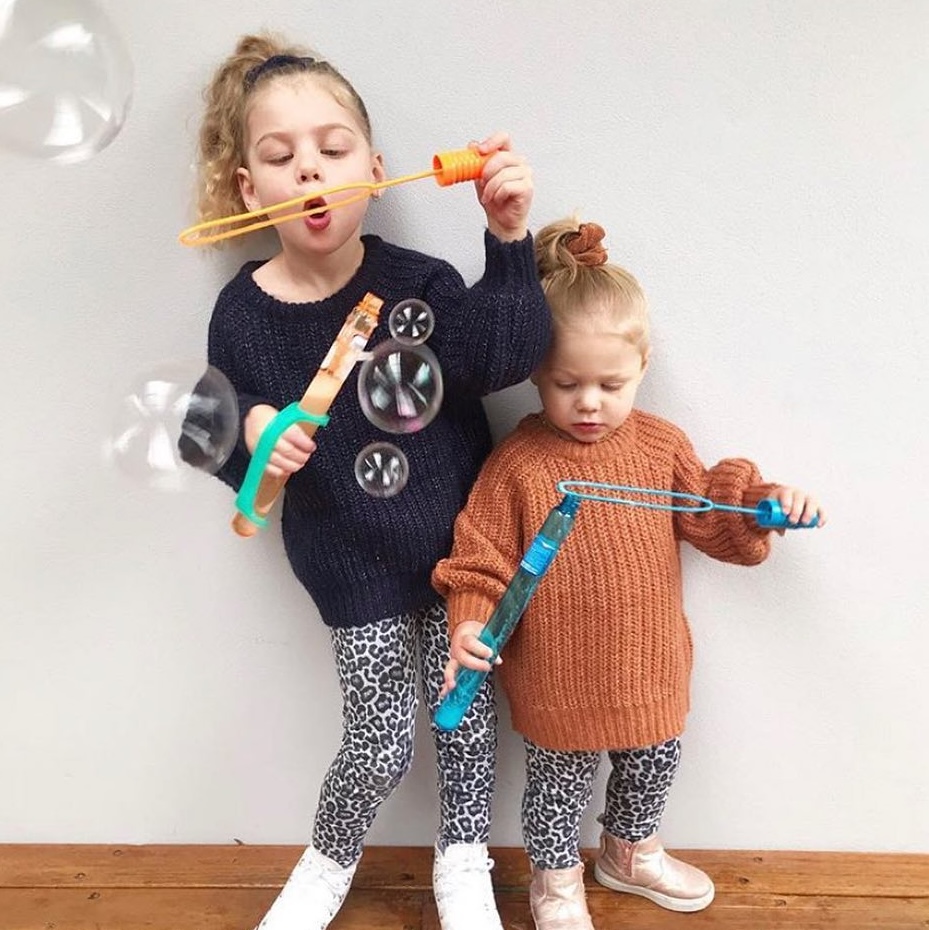
Recess is where a lot of friendships form, and EaZyHold helps make sure that limited grip doesn’t keep a student on the sidelines. The universal cuff helps students hold onto jump ropes, baseball bats, and rackets, even bike handlebars. It also works well with bubble wands and sidewalk chalk. Staying hydrated during recess or PE is also important, and doesn’t need a second hand or a helper, because the largest cuff size is built to fit a water bottle or sippy cup.
Music Class and Beyond
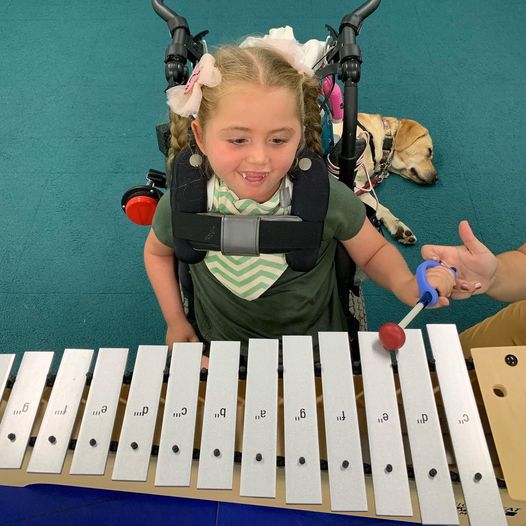
EaZyHold cuffs even make instruments easier to hold and play. Students can use them to hold bells, shakers, mallets, drumsticks, and claves during music class or music therapy sessions. The cuff keeps the instrument steady in hand, so a student can focus on rhythm and participation instead of grip. That means a student can play alongside classmates in a drum circle or a classroom sing-along, using the same instruments as everyone else.
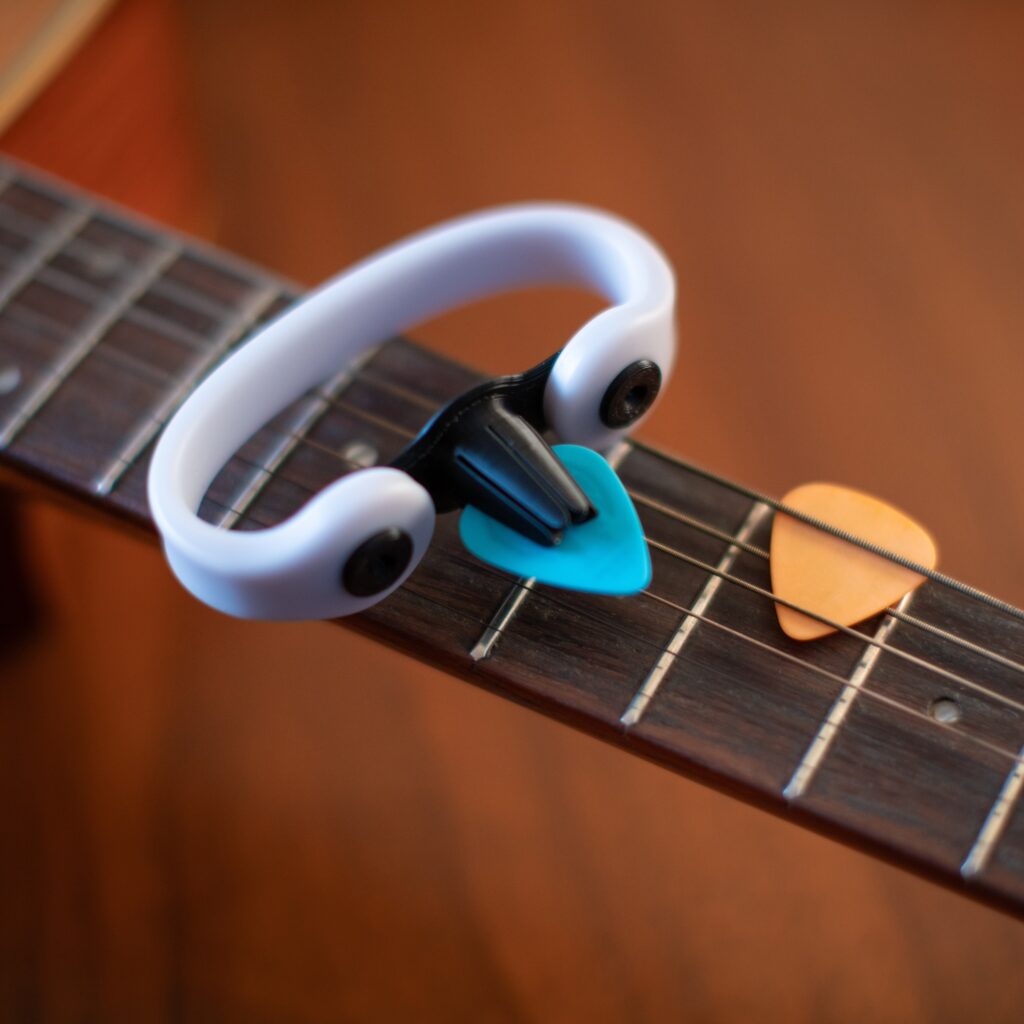
EaZyHold also makes an adaptive device called the Strumling, designed specifically to help students hold a guitar pick. For students in music classes or a music therapy program, the Strumling opens the door to an activity that limited grip might otherwise close off. Music, like art and PE, works best when every student can join in on the same level as their peers.
Asking Your School About Adaptive Tools
The school might be your best starting point if your child could use a grip aid. Many parents don’t realize that the school may cover the cost.
Under the Individuals with Disabilities Education Act, a student’s IEP team is required to consider whether the child needs assistive technology devices and services. Parents can submit a written request for an assistive technology evaluation and can raise the topic at an annual IEP meeting or request a meeting specifically to discuss it.
Assistive technology written into an IEP as necessary for a free appropriate public education should come at no cost to the family. For students who don’t have an IEP, a 504 plan can include accommodations of this kind as well.
The person to start with is your school’s occupational therapist. Universal cuffs are basic OT territory, common enough that EaZyHold turns up in Pedretti’s Occupational Therapy, a textbook most OTs train on, in the chapter on adaptive tools for self-care. Chances are your OT will know what you’re describing before you finish the sentence.
Why Pack EaZyHold?
A small grip aid, a lot of independence. The cuffs are inexpensive, easy to pack in a lunch bag or backpack, and simple enough for a parent or teacher to put on in seconds. They come in a range of colors, are made from soft food-grade silicone, and are comfortable and sensory-friendly. They are perfect for shared usage in classrooms and care facilities because they’re hygienic, latex-free, and easy to clean in the dishwasher basket.
The ultimate goal of any back-to-school list is to safeguard a student’s right to play and learn, and ensure a student’s grip ability is not the reason they sit out of classroom, playground, and extracurricular activities.
Footnote:
EaZyHold was innovated by Kerry Mellin. After a 35-year career designing for the motion picture industry, she discovered a lack of accessible aids to enable people to be active through physical adversity. What started as a personal solution is now used in more than 20,000 schools, hospitals, and care facilities worldwide, and is cited in occupational therapy textbooks. EaZyHold is available at eazyhold.com, on Amazon, and through 30 global distributors.
