

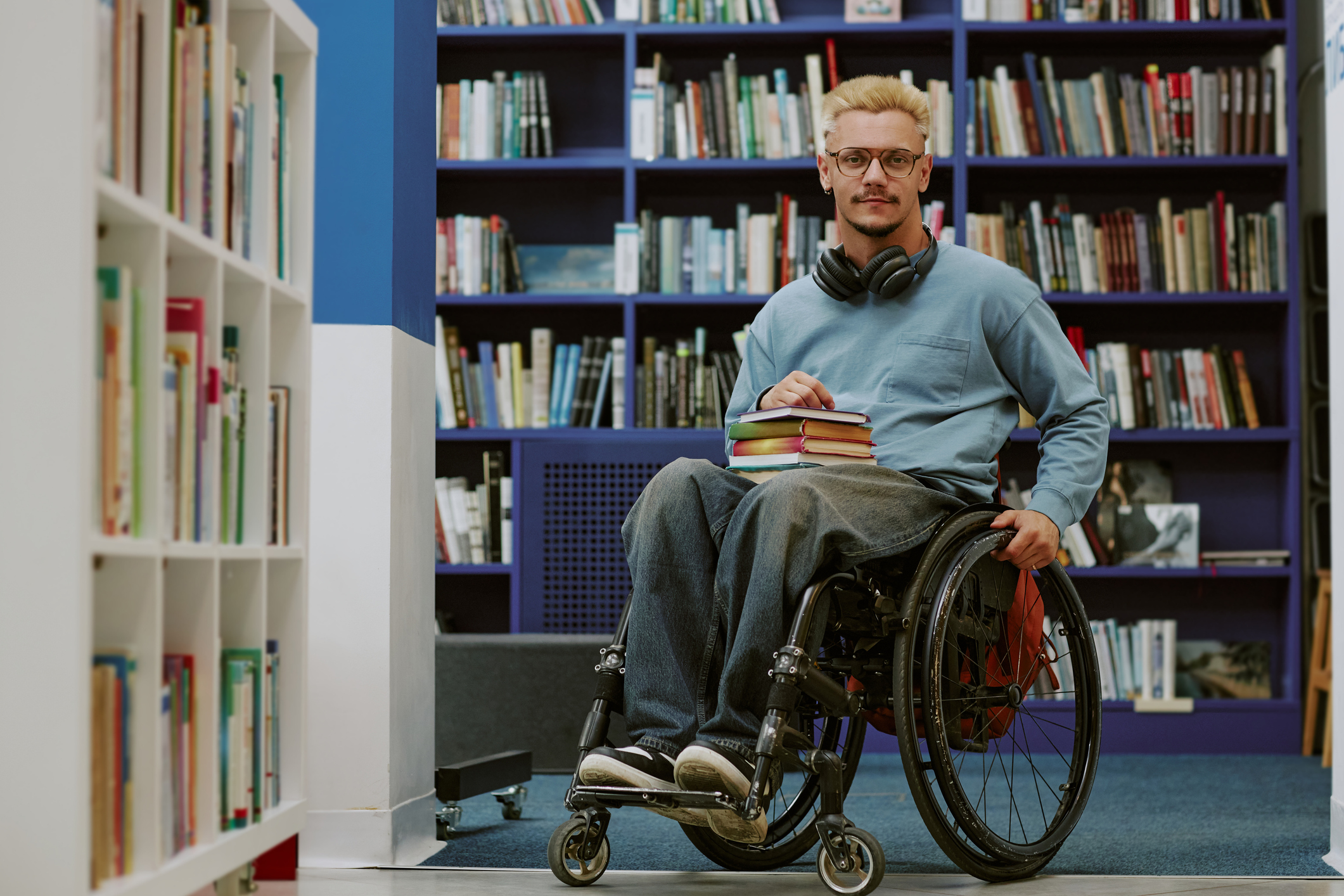
The acceptance letter arrived. Orientation is circled on the calendar. College is right around the corner — and for students with disabilities, it also marks one of the biggest legal and logistical transitions of their lives.
In K–12, schools come to you. Individualized Education Programs (IEPs) are built by teams, delivered automatically, and legally required. In college, the rules change entirely. You become your own advocate. No one will track you down to ask whether you need support — you must seek it out, register for it, and communicate your needs. That shift can feel overwhelming, but it does not have to be.
This guide walks students with disabilities — and the families who support them — through every step of navigating college accommodations: understanding your legal rights, registering with Disability Services, knowing what documentation to bring, and making the most of the support available on campus. Whether you are heading to a four-year university, a community college, or a vocational program, the information below applies to you.
The Big Legal Shift: From IDEA to ADA and Section 504
Through high school, students with disabilities were protected under the Individuals with Disabilities Education Act (IDEA), which required schools to provide a free and appropriate public education with individualized supports. IDEA ends at high school graduation or age 21.
In college, two different federal laws take over: Section 504 of the Rehabilitation Act of 1973 and the Americans with Disabilities Act (ADA) — specifically Title II for public colleges and Title III for private institutions. These laws prohibit disability-based discrimination and require colleges to provide reasonable accommodations, but they do not require schools to guarantee equal outcomes or provide the same level of individualized support as an IEP. The responsibility shifts to the student.
What this means in practice: No IEP. No automatic services. No team of specialists proactively planning your semester. You must initiate the process — and that begins with your campus Disability Services office.
How to Register with Disability Services
Every accredited college in the United States is required to have an office — often called the Disability Services Office, Disability Resource Center (DRC), or Student Accessibility Services — dedicated to coordinating academic accommodations. Registering is the essential first step.
Do not wait until classes start. Many students are advised to contact Disability Services before the semester begins, ideally during orientation or even before. Early registration ensures your accommodations are in place when you need them most — at the very first exam or reading assignment.
The registration process typically involves:
- Submitting an application or intake form (available on the DRC website)
- Providing documentation of your disability (see the next section)
- Meeting with a Disability Services counselor or coordinator
- Receiving an official accommodations letter to share with your professors
Remember: disclosing your disability to Disability Services is confidential. Your professors will receive an accommodations letter outlining what you need — not a diagnosis or medical history.
What Documentation Do You Need?
Documentation requirements vary by institution, so always check your specific college’s DRC website. That said, most colleges look for:
- A written evaluation or assessment from a qualified professional (psychologist, physician, audiologist, etc.) that identifies your disability and its functional limitations
- A report that is reasonably current — typically within three to five years for learning disabilities and ADHD; medical or physical disabilities may have more flexibility
- Documentation of how the disability affects academic functioning
Your high school IEP or 504 Plan can be helpful supporting material, but many colleges require more detailed clinical documentation. If you do not have updated records, speak with your healthcare provider before the semester starts — and ask Disability Services whether any interim accommodations are available while you gather documentation.
Common College Accommodations
Accommodations are determined individually and are designed to provide equal access — not an unfair advantage. Common accommodations include:
- Extended time on tests and exams (typically time-and-a-half or double time)
- Testing in a reduced-distraction environment
- Note-taking assistance (a volunteer note-taker, faculty-provided notes, or recording lectures)
- Alternative formats for course materials (large print, electronic text, braille, audio)
- Priority registration to select accessible class times and locations
- Housing accommodations (accessible rooms, single-occupancy rooms, proximity to facilities)
- Furniture modifications or preferential seating in classrooms
- Captioning or sign language interpreting services
- Deadline extensions or flexible attendance policies for chronic illness or mental health conditions
Accommodations by Disability Type
Physical and Mobility Disabilities: Students who use wheelchairs or other mobility devices should request an accessible campus map, priority elevator access, and adaptive furniture. Work with Disability Services and campus facilities management to identify routes, ensure elevators are reliable, and arrange for accessible exam locations.
Visual Disabilities: Students who are blind or have low vision may need screen reader access to course software, electronic textbooks, braille materials, enlarged print, and priority seating near instructional areas. Verify that your college’s learning management system (LMS) is compatible with assistive technology before classes begin.
Hearing Disabilities: Students who are deaf or hard of hearing may be entitled to real-time captioning (CART services), sign language interpreters, visual alerts in residence halls, and captioned media for all in-class videos.
ADHD and Learning Disabilities: Extended test time, distraction-reduced testing environments, access to recorded lectures, and organizational coaching are among the most commonly requested accommodations for students with ADHD and learning disabilities such as dyslexia or dyscalculia.
Mental Health Disabilities: Students with anxiety, depression, bipolar disorder, PTSD, and other mental health conditions may qualify for flexible attendance, deadline extensions, reduced course loads, and priority access to counseling services. These conditions are covered under the ADA.
Chronic Illness: Students managing conditions such as lupus, multiple sclerosis, Crohn’s disease, or chronic pain may need flexibility around attendance, exams during flares, and proximity to accessible restrooms or medical facilities.
Assistive Technology on Campus
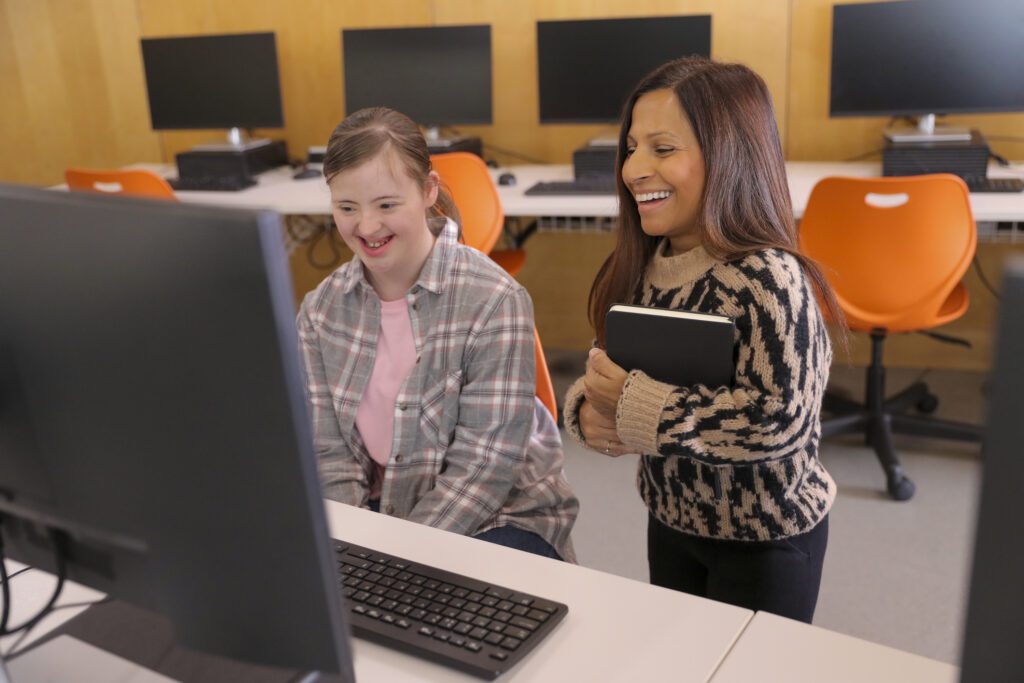
Many campuses offer assistive technology (AT) through their DRC, library, or IT department. Tools commonly available include:
- Screen readers (JAWS, NVDA, VoiceOver) for students with visual disabilities
- Speech-to-text software (Dragon NaturallySpeaking, built-in OS tools) for students with physical or learning disabilities
- Real-time captioning tools and apps
- Text-to-speech programs (Kurzweil, Read&Write) for students with learning disabilities
- Smart pens (such as Livescribe) for recording and syncing lecture notes
Ask your DRC whether loaner equipment is available. Also confirm that the software used in your academic program — lab tools, online learning platforms, library databases — is accessible before the semester begins.
Navigating Campus Accessibility
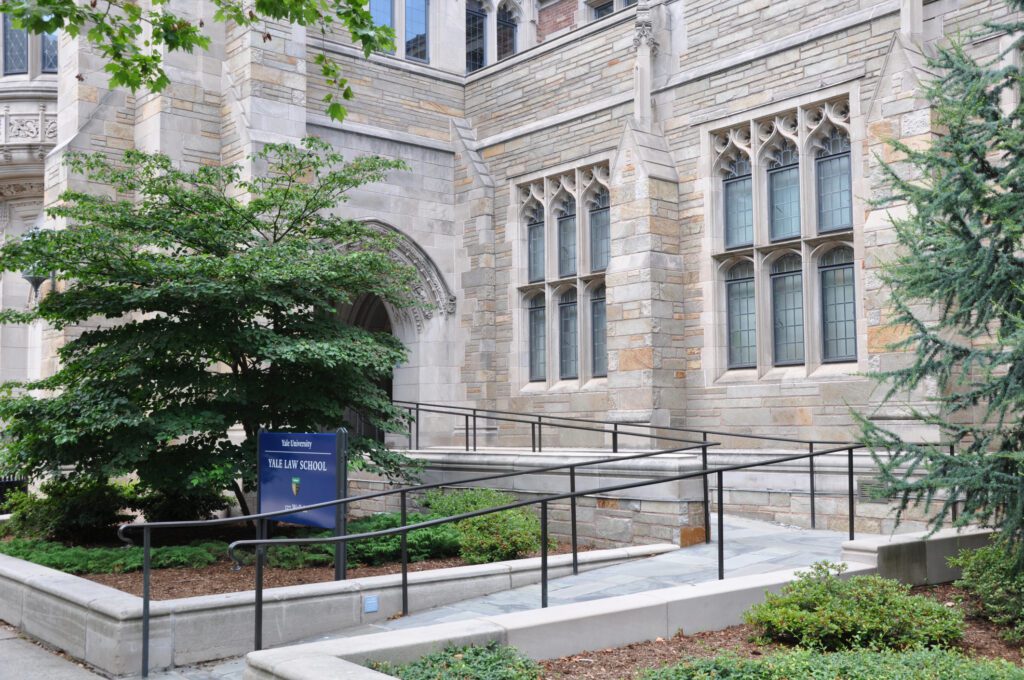
Beyond the classroom, campus life presents its own accessibility considerations. Visit your campus disability office and ask for an accessibility map showing ramp locations, accessible building entrances, accessible parking, and shuttle routes. Many colleges offer paratransit or accessible shuttle services — register early, as there may be a waitlist.
If you encounter a physical barrier — a broken elevator, an inaccessible lab station, a classroom with no accessible seating — report it promptly to Disability Services and the facilities department. You have a legal right to equal access to all college programs and activities, including labs, libraries, athletic facilities, and student events.
Self-Advocacy: Your Most Important Skill
Self-advocacy is the ability to communicate your needs, ask for what you are entitled to, and navigate systems on your own behalf. In college, it is essential.
Practical self-advocacy tips:
- Deliver your accommodations letter to each professor at the start of every semester — do not wait until an exam is approaching
- Schedule regular check-ins with your Disability Services coordinator
- Put all accommodation requests in writing (email) so you have a record
- Know that you can appeal a denied accommodation — ask for the process in writing
- Connect with your college’s student disability organization if one exists
- If a professor is unresponsive or resistant, escalate to Disability Services immediately rather than letting the issue linger
Mental Health Support on Campus
College is a period of significant transition, and mental health challenges are common among students with disabilities. Most campuses offer free or low-cost counseling services through a student health or wellness center. Some schools have embedded counselors in specific academic departments or residence halls.
Do not wait for a crisis. Establish a relationship with campus counseling early in the semester. If wait times are long, ask about off-campus referrals, teletherapy options, or peer support programs.
Vocational Rehabilitation: A Funding Resource You May Not Know About
State Vocational Rehabilitation (VR) agencies can be an important financial resource for college students with disabilities. VR may help cover tuition, books, fees, assistive technology, transportation, and disability-related services as part of an Individualized Plan for Employment (IPE).
To access VR services, contact your state VR agency (find yours at rsa.ed.gov) before you enroll in college. Eligibility requires that you have a disability, that it creates a barrier to employment, and that VR services are expected to help you reach an employment goal. The process takes time, so start early — ideally in your senior year of high school.
Your College Disability Services Checklist
Before Your First Day of Class:
- Locate your campus Disability Services / DRC office and website
- Gather documentation: evaluation reports, IEP/504, physician letters
- Submit your DRC registration application
- Schedule an intake appointment with a disability coordinator
- Contact your state Vocational Rehabilitation agency if you need funding support
At the Start of Each Semester:
- Pick up your updated accommodations letter from the DRC
- Deliver a copy to each professor — in person or by email — in the first week
- Confirm testing center procedures for extended-time exams
- Verify that all course materials (textbooks, online platforms) are accessible
Key Contacts to Save:
- Your DRC coordinator’s direct email and phone number
- Campus counseling center appointment line
- Campus accessible transportation or shuttle service
Starting college is a milestone — and you deserve every support available to you. If you are a student with a disability heading to campus, take one step today: visit your college’s Disability Services website and start your registration. If you are a parent or supporter, help your student locate the DRC and gather the documentation they will need.
For more resources, visit the ADA National Network at adata.org or connect with AHEAD at ahead.org. Share this guide with a student, a school counselor, or any family navigating the college transition — because knowing your rights is the first step to using them.
