


Halloween is one of the most anticipated celebrations of the year — a night of creativity, community, and a whole lot of candy. For people with disabilities and their families, it can also bring unique challenges: costumes that don’t fit over wheelchairs, treat bags that are hard to hold, overwhelming sensory environments, and streets that aren’t always accessible. The good news? With the right planning, products, and a little community spirit, Halloween can be fully inclusive and fun for absolutely everyone.
Whether you’re a parent outfitting a child who uses a wheelchair, an adult with sensory sensitivities searching for the perfect costume, a neighbor who wants to make your porch welcoming to all trick-or-treaters, or someone looking for allergy-safe non-food treats — this guide has you covered. We’ve rounded up more than 40 accessible products available on Amazon, along with expert tips grounded in disability inclusion best practices.
Let’s make this Halloween one to remember — for all the right reasons.
Disclosure: This article contains affiliate links. If you make a purchase through them, AmeriDisability may earn a small commission at no additional cost to you.
Tips for Trick-or-Treaters with Disabilities
For Wheelchair Users
- Plan your route in advance. Use Google Maps or call ahead to scout routes with curb cuts, ramps, and smooth sidewalks. Apps like Access Now can help identify accessible locations in your area.
- Wear visibility gear. Even in a lit neighborhood, a wheelchair can be harder for drivers to see at night. LED lights, reflective vests, and lighted accessories are essential.
- Use a wheelchair costume cover or overlay for maximum impact with minimum hassle. These drape over the entire chair and transform it into a vehicle, throne, or float — no fitting issues or restricted movement.
- Choose a costume that allows for range of motion in your arms and doesn’t bunch up around a harness or seat belt. Adaptive costumes are designed with these considerations built in.
- Bring a treat bag that attaches to the wheelchair so your hands are free for propulsion or a joystick. A bag that clips to the armrest or hangs from handles works well.
- Advocate for accessible trick-or-treat setups. Under the Americans with Disabilities Act (ADA), public accommodations should be accessible. If a community event isn’t, speaking with organizers can make a difference for everyone.
For People with Sensory Sensitivities or Autism
- Preview the experience. Walk the trick-or-treat route before Halloween night. Autism Speaks and PACER Center offer free sensory-friendly Halloween guides.
- Choose sensory-friendly costumes. Look for soft, tagless fabrics with no face paint, no mask, and minimal embellishments. Onesie-style costumes and zip-up jumpsuits are often excellent choices.
- Bring noise-canceling headphones. Crowd noise and startling sounds are all part of Halloween. A good pair of ear protection headphones lets you participate on your own terms.
- Set expectations and exit plans. Talk through what trick-or-treating looks like before you go. Have a code word or signal for ‘I need a break.’
- Consider alternative Halloween activities such as sensory-friendly trunk-or-treat events or indoor parties. Many communities host sensory-friendly Halloween events for neurodivergent children and families.
- Wear a sunflower lanyard to signal a hidden disability. The Hidden Disabilities Sunflower program is increasingly recognized across the U.S.
For People with Visual Impairments
- Carry a reflective cane. A white cane with reflective tape helps with both navigation and visibility to others.
- Trick-or-treat with a sighted guide. The American Foundation for the Blind (AFB) has great resources on the sighted guide technique.
- Use a headlamp to light your path without occupying your hands.
- Choose tactile costumes with interesting textures or sounds that provide non-visual enjoyment.
For People with Food Allergies or Dietary Restrictions
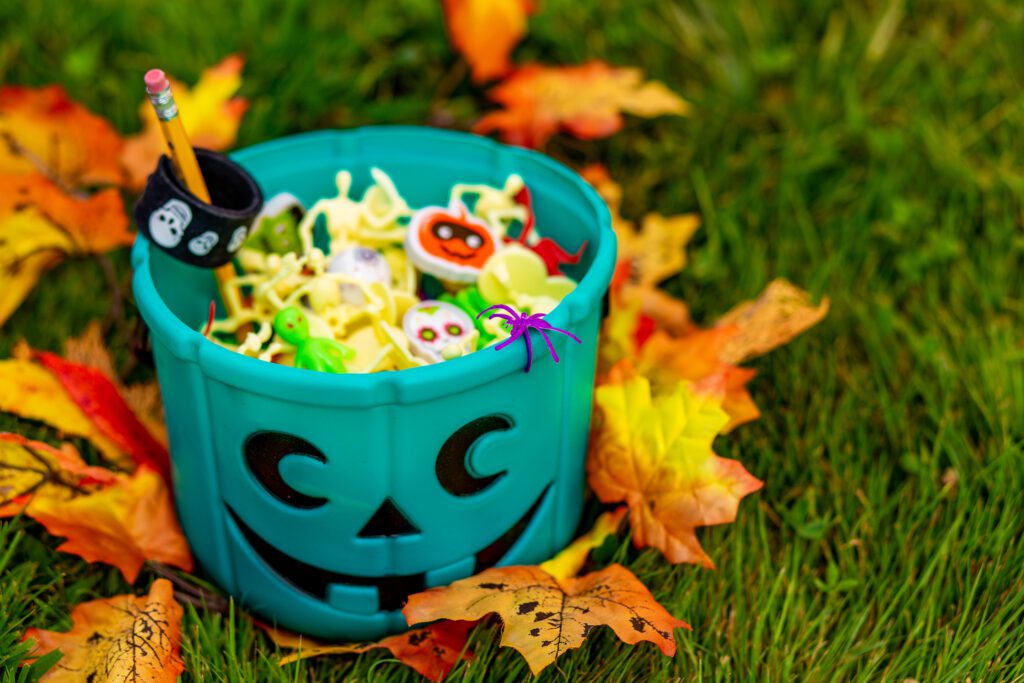
- Look for the teal pumpkin. Homes displaying a teal pumpkin offer non-food treats safe for everyone — see our full explanation below.
- Carry your own treat bag with safe snacks so you’re never left out.
- Check ingredients before eating anything. The FARE website maintains updated allergen information.
- Consider wearing a medical alert bracelet that indicates your allergies in case of accidental ingestion.
For People Using Walkers, Crutches, or Canes
- Choose costumes that don’t interfere with your mobility aids. A witch with a sparkly cane, a pirate with a bejeweled crutch, or a princess with a decorated walker can look amazing.
- Attach LED lights to mobility aids for safety and style.
- Take breaks as needed and plan your route around resting spots.
- Use a lightweight crossbody bag to carry treats so both hands remain free for your mobility aid.
Adaptive & Wheelchair Costumes
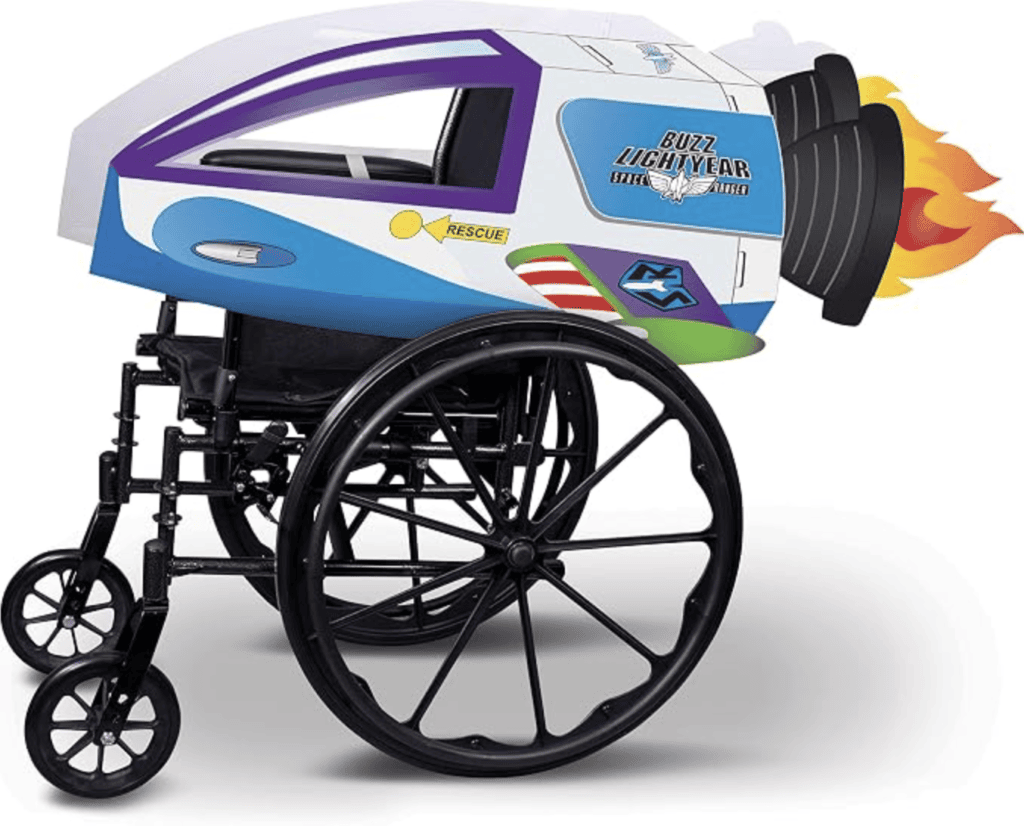
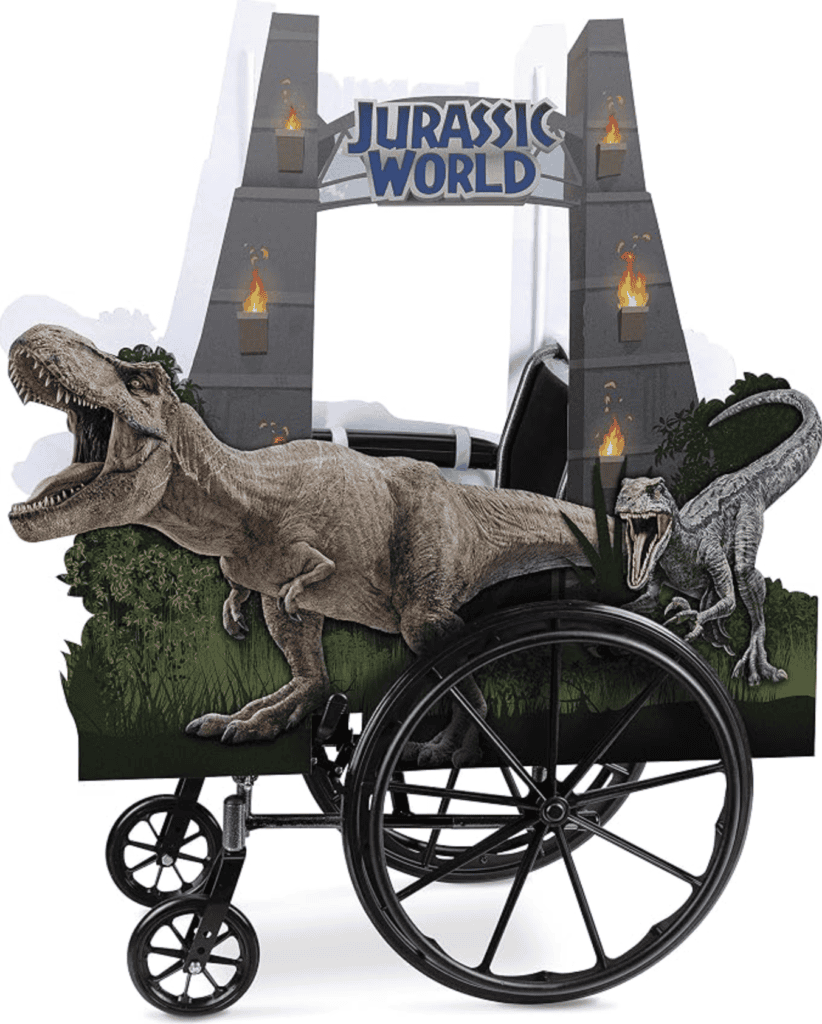
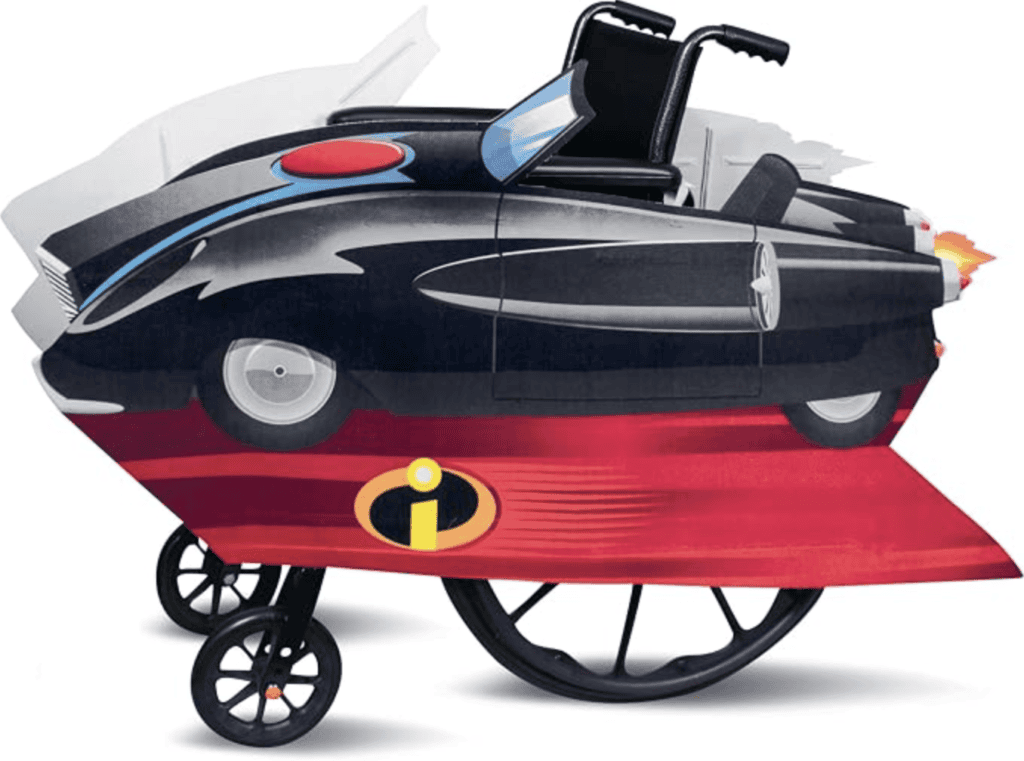
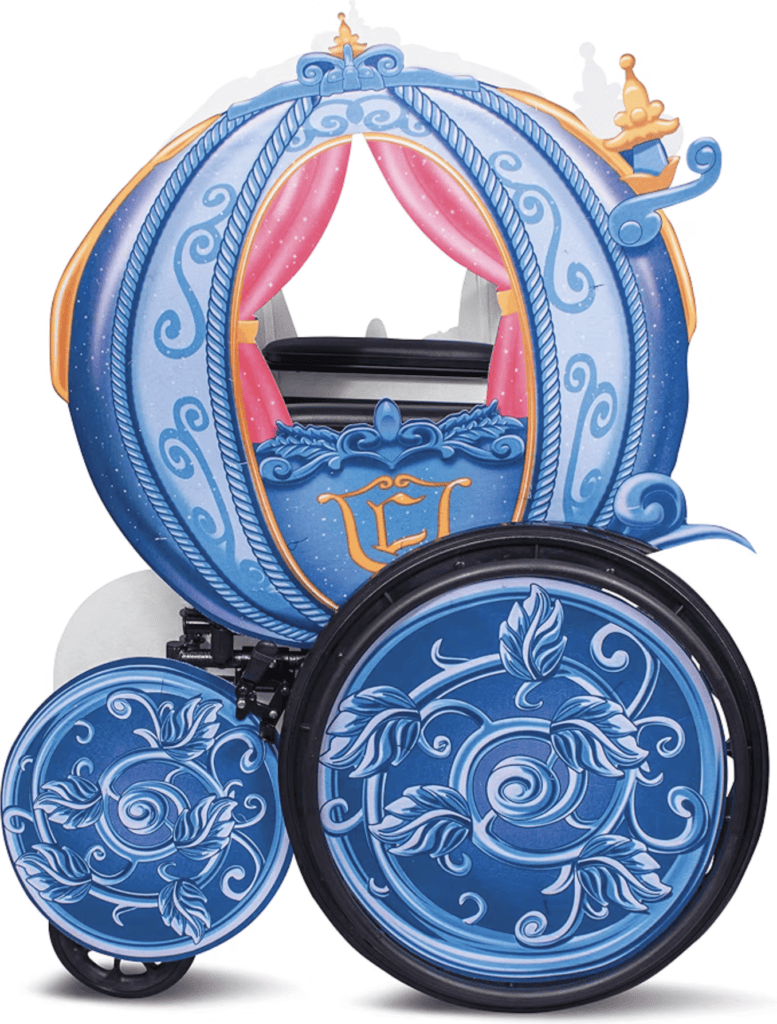
Wheelchair costume overlays and adaptive costumes are designed to cover the chair as part of the costume and to fit comfortably over braces, harnesses, and different body shapes. Here are our top picks:
Disguise is one of the leading names in adaptive Halloween costumes, and this collection features officially licensed character themes designed to fit standard pediatric wheelchairs. The overlay drapes over the chair and creates a seamless costume effect.
Inspired by the Wicked film, this Glinda-themed wheelchair cover transforms a wheelchair into a magical bubble chariot fit for the Good Witch of the North.
The Elphaba-themed overlay brings the Wicked Witch’s mystical aesthetic to any wheelchair. With deep green and black tones and dramatic styling, it’s a sophisticated choice for older kids and teens.
This officially licensed Disney adaptive costume features Minnie Mouse’s signature polka dots and bow, designed to drape beautifully over a wheelchair. One of the highest-rated picks in this category.
This officially licensed Marvel adaptive costume features modified openings and a design that accommodates wheelchairs, braces, and other assistive devices.
PAW Patrol fans will love this Chase-themed adaptive costume with modified design features for easier dressing. Works both as a standalone outfit and with a wheelchair overlay.
At an excellent value price point, this Batman adaptive costume features adapted openings for easier on/off dressing and is designed to work comfortably with mobility aids and seating systems.
The yellow-and-black design features accessible closures and a wheelchair-friendly silhouette, making it great for Transformers fans who use mobility aids.
To infinity and beyond! This Buzz Lightyear adaptive costume brings the beloved Toy Story character to life with accessible design features including modified openings for easier dressing.
This budget-friendly dragon wheelchair costume cover completely envelops the chair in a vivid dragon design — great for families who want an accessible costume at a lower price point.
Sensory-Friendly Costumes
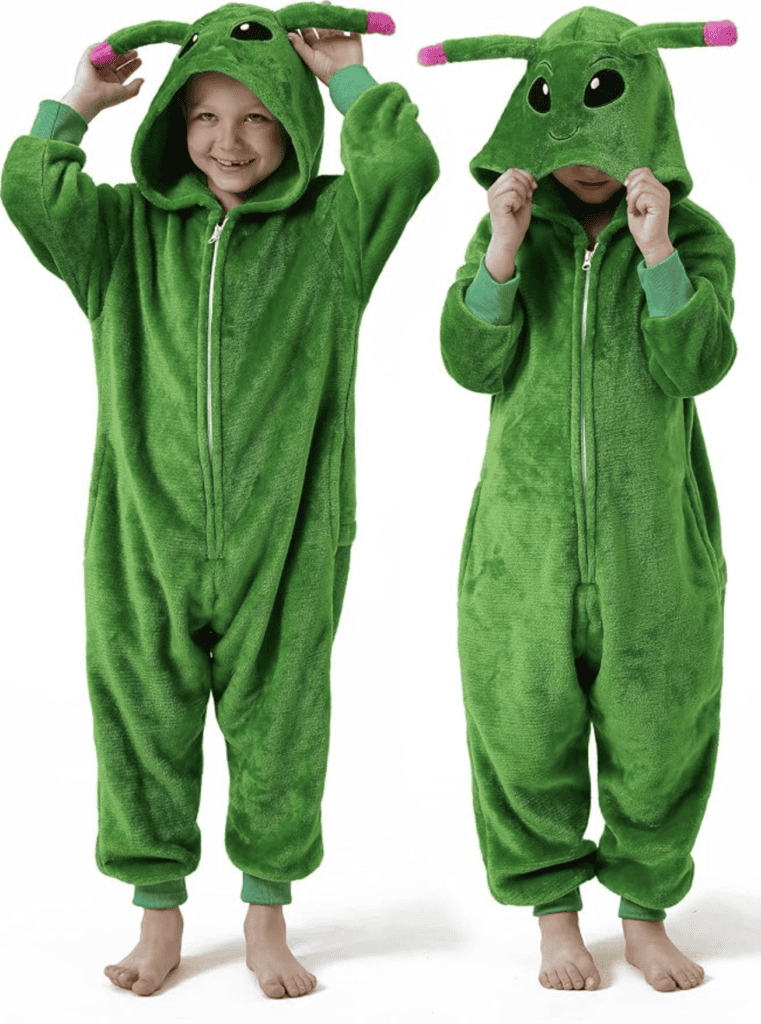
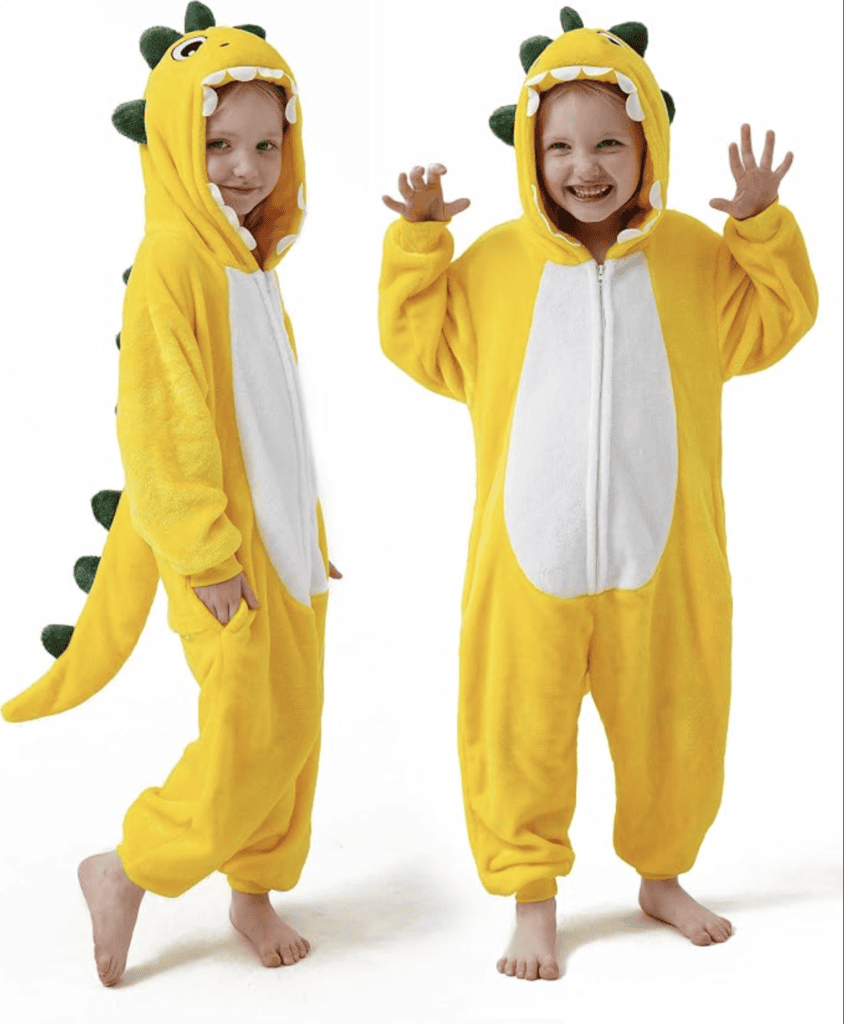
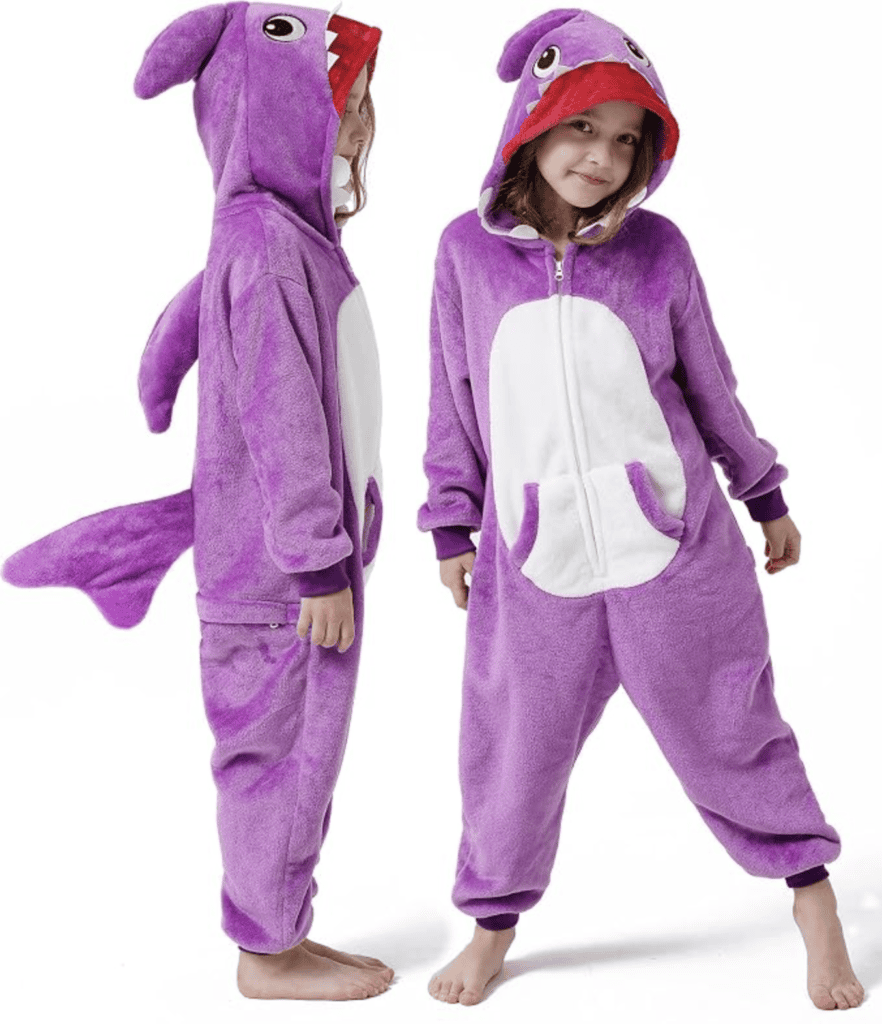
For people with sensory sensitivities, autism spectrum disorder, or tactile defensiveness, the discomfort of a traditional Halloween costume can overshadow the fun. These picks are all designed with comfort first:
Available in dozens of animal styles, these onesie-style costumes are ultra-soft and pajama-like. No tight waistbands, no rough seams, and no itchy embellishments.
With over 2,300 reviews, this flannel animal jumpsuit is a crowd favorite. Made from soft flannel with a hood featuring 3D ears and an attached tail.
This highly-rated onesie covers a broad size range (ages 4–13), making it accessible for older children who often have fewer soft costume options. Machine washable cozy fleece.
One of Amazon’s most popular Halloween costumes. Lightweight, soft, glow-in-the-dark skeleton print on black — no accessories required. Minimizes sensory overwhelm while maximizing the Halloween effect.
A classic ghost costume with sensory-considerate design — soft white fabric that drapes loosely, no tight fitting, and comes paired with a pumpkin trick-or-treat basket.
A toddler-friendly version of the classic skeleton onesie with a full-zip design for easy dressing. Great for children who find dressing in costume challenging.
Sensory Support & Accessibility Aids
A costume is only part of the Halloween equation. These tools support participation and safety for people with hearing sensitivities, mobility needs, and more:
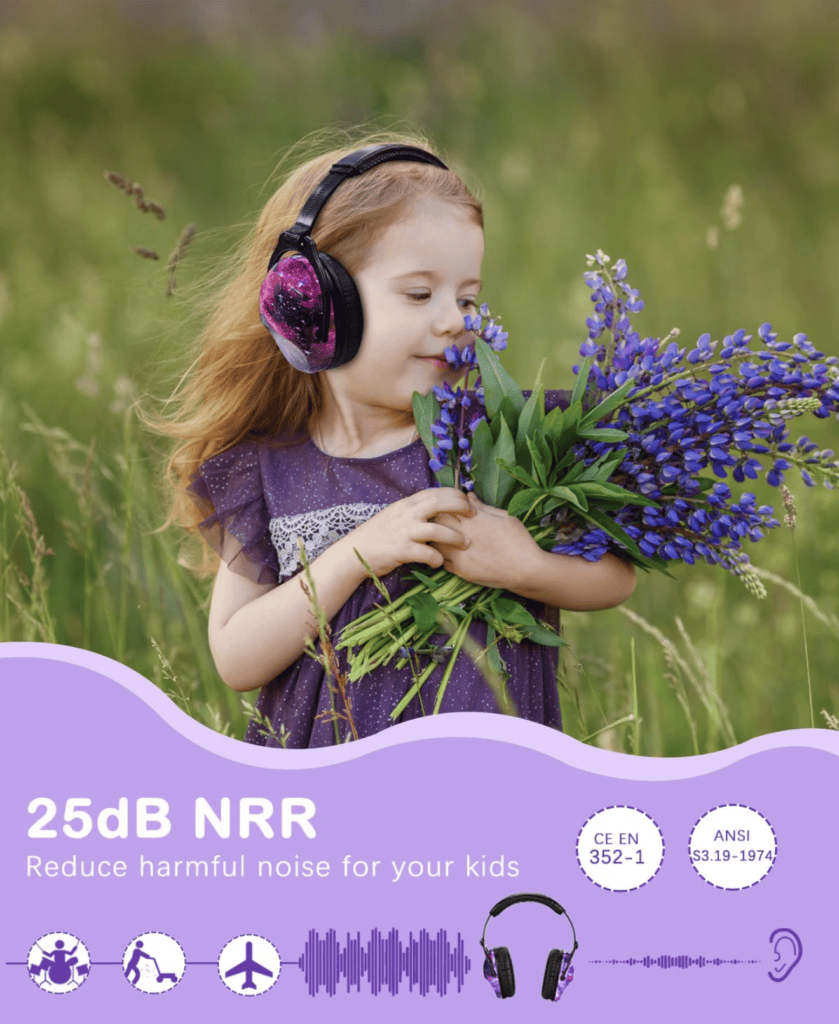
With nearly 15,000 reviews, this is one of the most trusted kids’ ear protection options available. Designed for children with sensory sensitivities and autism, it reduces noise by up to 25 dB. Available in multiple colors to coordinate with a costume.
With over 26,000 reviews, this foldable walking cane collapses to a compact size and expands quickly when needed. FSA/HSA eligible, adjustable height, and some styles can double as part of a wizard, witch, or Victorian costume.
A reflective crossbody sash and two armbands that can be worn over any costume or attached to a wheelchair for maximum visibility. The reflective material glows brightly under car headlights.
Safety & Visibility Gear
Halloween night means low light, distracted drivers, and crowded streets — making visibility gear essential for every trick-or-treater, especially for those who may move at a slower pace or use mobility aids.
The top-rated clip-on safety light on Amazon. This 4-pack features bright LED strobes that clip onto a costume, wheelchair, stroller, or jacket. Multiple light modes and extremely lightweight.
With nearly 10,000 reviews, these clip-on LED safety lights are among the best-reviewed visibility products available. Compact and versatile with multiple flash modes.
This lightweight reflective vest with a built-in rechargeable LED chest light provides 360-degree visibility and 500 lumens of brightness. Especially useful for wheelchair users who need visibility from all angles.
Rechargeable LED armbands charged via USB before heading out — no dead batteries mid-trick-or-treat. Comfortable, adjustable, and water-resistant.
An affordable LED belt sash that doubles as both safety gear and a festive costume accessory. Can be worn crossbody or as a belt. Under $10 and great for the whole family.
A pack of 8 colorful LED bracelets for the whole trick-or-treat group. Kids can stack them on wrists or wear them on ankles. These also make fantastic non-food treats for the Teal Pumpkin Project!
A Halloween-themed pumpkin lantern and wearable headlamp set — perfect for trick-or-treaters who need their hands free. Especially useful for people who use crutches, walkers, or push their own wheelchair.
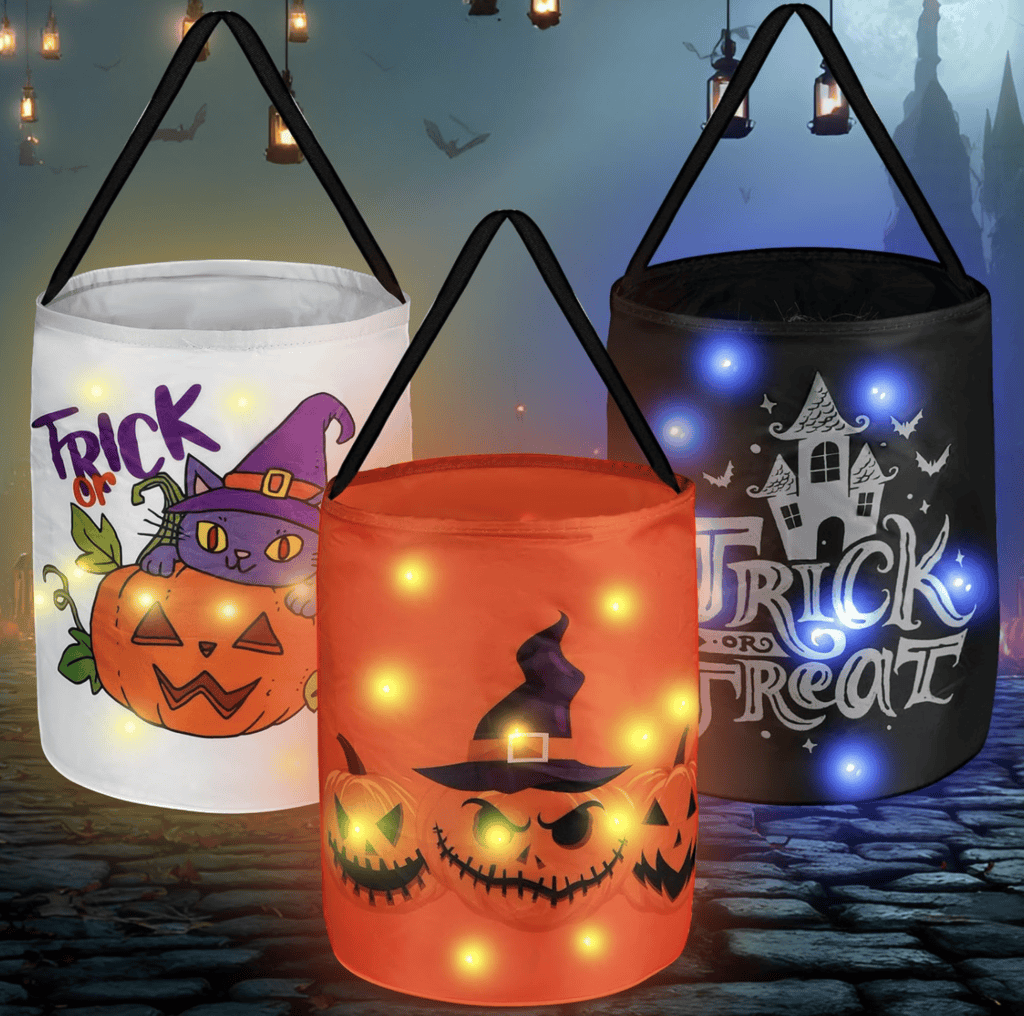
These LED light-up treat bags glow in the dark, making trick-or-treaters more visible while eliminating the need for a separate flashlight or lantern.
What Is the Teal Pumpkin Project?

The Teal Pumpkin Project is a national initiative created by FARE (Food Allergy Research & Education) that encourages households to offer non-food treats alongside candy on Halloween. When you place a teal-colored pumpkin outside your home, you’re sending a clear, welcoming signal to passing trick-or-treaters and their families: safe, allergen-free treats are available at your door.
How It Started
The Teal Pumpkin Project was born in 2012, started by a Tennessee mom whose daughter had severe food allergies and found Halloween especially difficult. What began as a neighborhood initiative quickly caught national attention, and FARE adopted and expanded it nationally in 2014. Today it’s a beloved Halloween tradition celebrated across the United States and in many countries around the world.
Why Teal?
Teal is the official color of food allergy awareness. A teal pumpkin on your doorstep serves as a universally recognized symbol of inclusion — no lengthy explanation required. Families who know the project will spot it instantly, and those who don’t will often ask, giving you a wonderful opportunity to spread the word.
Who Does the Teal Pumpkin Project Help?
Non-food treats benefit far more trick-or-treaters than you might expect. The Teal Pumpkin Project makes Halloween more inclusive for:
- Children and adults with food allergies — affecting 1 in 13 children (roughly 2 per classroom) in the United States, with reactions ranging from hives to life-threatening anaphylaxis.
- People with dietary restrictions due to religious observances, diabetes, phenylketonuria (PKU), or other health conditions that limit certain foods.
- Children with sensory processing differences who may find certain textures, flavors, or the act of eating candy overwhelming or aversive.
- Children on medications that interact with certain ingredients commonly found in candy, such as tyramine (in chocolate) or specific artificial dyes.
- Children with feeding differences or oral motor challenges who may not be able to safely eat hard candies, gummies, or other common Halloween treats.
How to Participate
- Stock up on non-food treats. See our recommendations in Section 5 below for ideas at every price point — from stickers and bouncy balls to fidget toys and LED rings.
- Display a teal pumpkin. Place a real teal-painted pumpkin, a decorative teal pumpkin, or a Teal Pumpkin Project sign outside your home on Halloween night.
- Register your address. Add your home to the FARE Teal Pumpkin Project map at org/resources/teal-pumpkin-project so families can plan their route to include your home.
- You don’t have to choose between candy and non-food treats. Most participating households offer both — simply keep them in separate bowls so families can choose what works best for them.
For free downloadable Teal Pumpkin Project signs and additional resources, visit FARE’s official Teal Pumpkin Project page.
Non-Food Treats — Teal Pumpkin Project Ideas
Ready to stock your Teal Pumpkin treat station? Here are 13 allergen-free, disability-friendly non-food treat options that kids and adults of all ages will love:
The official FARE-endorsed teal pumpkin bucket lets your trick-or-treaters carry the Teal Pumpkin Project message as they go. A conversation starter and a symbol of inclusion.
Display this garden flag outside your home to let trick-or-treaters and families know that non-food treats are available. Easy to see from the street and weather-resistant.
A reusable tote bag featuring the teal pumpkin design — great for kids who prefer a bag over a bucket or find a bucket difficult to hold.
A 3-pack of teal pumpkin buckets — perfect for siblings or for households who want to stock several for distribution at a party or event.
Halloween-themed fidget toys in a satisfying pop-it sensory design. Allergen-free, durable, and provide sensory input that many children and adults find calming and enjoyable.
Glow-in-the-dark skeleton pop tubes that function as both a sensory fidget toy and a Halloween decoration. Children can stretch, pull, and connect them together.
Wikki Stix are wax-coated yarn sticks that can be bent and molded into any shape — no mess, no allergens. This 50-pack is ideal for Teal Pumpkin Project treat baskets and loved by occupational therapists for their sensory benefits.
Glow-in-the-dark bouncy balls in Halloween designs — a classic non-food treat that children of all ages love. Allergen-free and durable.
Fifty-five LED light-up rings in a single pack — perfect for handing out at the door. They double as safety accessories on Halloween night and are 100% allergen-free.
Mini modeling clay containers in Halloween packaging — a beloved non-candy treat. The tactile nature of modeling clay is also a fantastic sensory tool for children who benefit from hands-on sensory play.
With over 5,400 reviews and a 4.7-star rating, these Halloween waterproof vinyl stickers are exceptionally popular as a non-candy option. Safe for all allergies and dietary restrictions.
A 4-pack of Halloween-themed sensory fidget toys. Excellent non-food treats that also support sensory regulation — thoughtful for children with autism, ADHD, anxiety, or sensory processing differences.
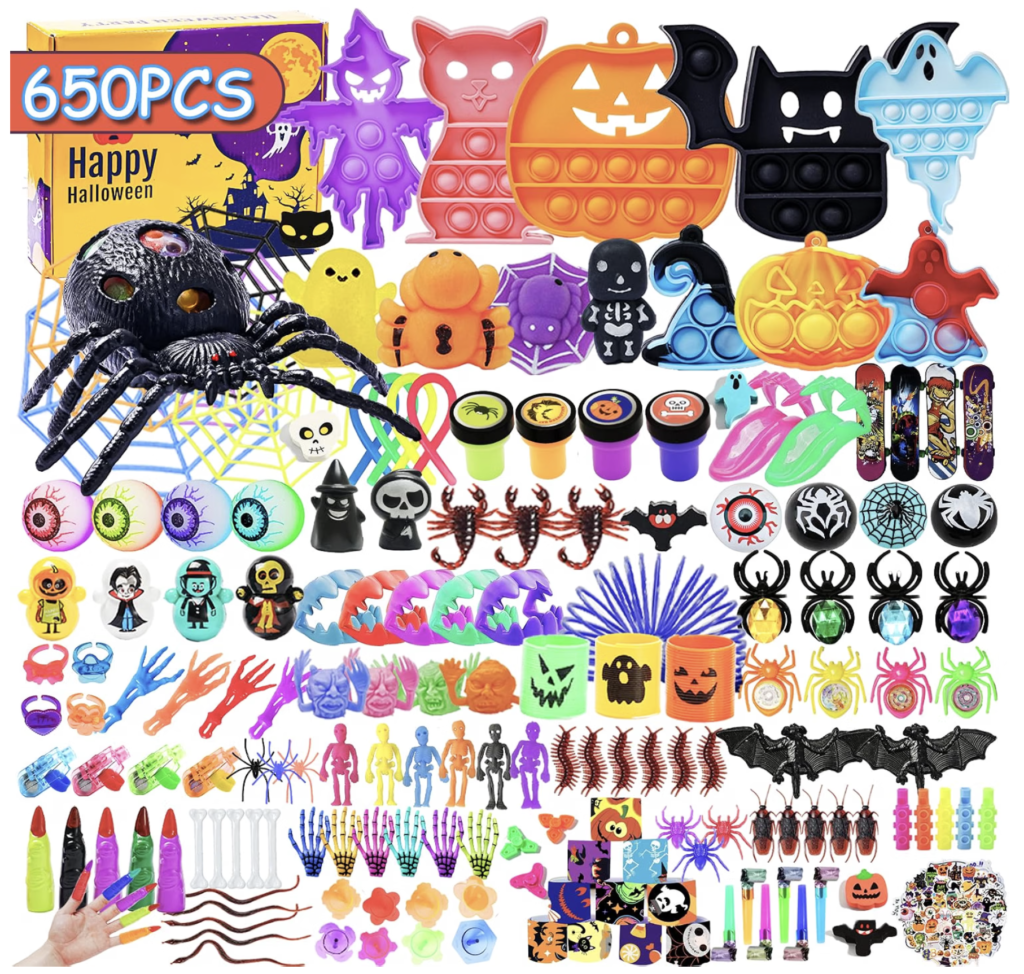
The ultimate non-candy treat pack — 650 individual pieces including pop it toys, stretchy strings, mini slinkies, and more. Perfect for households expecting heavy trick-or-treat traffic or for sensory-friendly Halloween parties.
Bonus: ArtCreativity Glow-in-the-Dark Halloween Tattoos — 144-Pack — Temporary glow-in-the-dark Halloween tattoos that are safe, fun, and completely allergen-free.
Tips for Hosts: Making Your Home Accessible and Inclusive This Halloween
Small adjustments can make a big difference for trick-or-treaters with disabilities. Here’s how to make your station welcoming for all:
Physical Accessibility
- Move your treat station to ground level. If your porch has steps, set up a table at the bottom of your path so wheelchair, walker, and crutch users don’t have to navigate steps.
- Keep pathways clear of decorations that might be tripping hazards — fake spider webs at low heights, ground fog machines that obscure the path, or cords from lights and animatronics.
- Ensure your treat station is accessible from multiple heights. A treat bowl placed at wheelchair height (roughly 28–34 inches) means wheelchair users don’t have to reach up awkwardly or ask for help.
- Light your pathway well. Solar pathway lights and porch lights help everyone — especially those with low vision or mobility limitations navigating in the dark.
Sensory Considerations
- Avoid jump scares and loud sudden sounds. Motion-activated decorations that make loud noises can be genuinely distressing for people with sensory sensitivities, PTSD, or anxiety disorders. Consider turning these off.
- Offer a calm, low-stimulation option. Consider posting a sign that offers a quieter side entrance for those who need it.
- Be patient. Some trick-or-treaters may take longer to approach, choose a treat, or respond. Give extra time without calling attention to it.
Communication Inclusivity
- Don’t require children to say ‘trick or treat’ to receive candy. Some children with autism, speech delays, hearing impairments, or anxiety may not be able to vocalize this. A smile or a held-out treat bag should be sufficient.
- Consider a teal pumpkin sign explaining that non-food treats are available.
- Accept Halloween communication cards graciously. Some families use laminated cards that children hand to hosts to explain a communication difference.
- Offer treats at multiple heights and consider holding the bowl out rather than requiring a reach-in.
Non-Food Treat Station
- Set up a separate Teal Pumpkin treat station alongside your candy. A teal pumpkin, a sign, and a separate bowl of non-food treats signal inclusion immediately.
- Register on the FARE Teal Pumpkin Project map at org/resources/teal-pumpkin-project so families can find you before heading out.
Additional Resources
- FARE Teal Pumpkin Project — the official home of the non-food treat movement, with a home locator map and free printable signs
- ADA National Network — information and technical assistance on the Americans with Disabilities Act
- Hopebridge Halloween Guide — practical, community-sourced tips for families navigating Halloween with autistic children
- American Foundation for the Blind (AFB) — resources and advocacy for people who are blind or have low vision
- Hidden Disabilities Sunflower — a global program using a green sunflower lanyard to discreetly indicate hidden disabilities
Final Thoughts
Halloween should belong to everyone. With the right costume, a few safety accessories, and a community that embraces inclusion, people of all abilities can enjoy the magic of trick-or-treating, community gatherings, and the simple joy of dressing up. Whether you’re a trick-or-treater, a parent, a caregiver, or a neighbor handing out treats — every choice you make toward inclusion creates a Halloween that’s more fun, more festive, and more welcoming for all.
From all of us at AmeriDisability: Have a safe, accessible, and Spooktacularly Happy Halloween!
Have an accessible Halloween product recommendation or tip we missed? We’d love to hear from you. Reach out through our website!
