


Color therapy — also called chromotherapy — uses colored light to support relaxation, mood, and sensory regulation. If you’re new to the concept, start with our foundational guide, How Color Therapy Benefits People with Disabilities. This companion guide is for the practical next step: choosing the right color therapy products for your needs, your space, and your budget — 20 picks across six categories, from an affordable pair of therapy glasses to full sensory-room equipment.
Before You Buy: Safety and Sensory Considerations
Color therapy products are generally low-risk, but people with disabilities should keep a few things in mind:
- Photosensitive epilepsy: Avoid products with strobe, flash, or fast color-cycling modes — or confirm they can be locked to steady, slow-transition settings.
- Sensory sensitivities: For autistic users and others with sensory processing differences, look for dimmable products with gradual transitions and remote or app control, so lighting can be adjusted without disrupting the environment.
- Migraine and light sensitivity: Warmer, lower-intensity settings (amber, soft green) are typically better tolerated than saturated blue or white light.
- Not a medical treatment: Color therapy can complement — but never replace — care from your healthcare provider.
What the Research Shows: Evidence Behind Color and Light Therapy
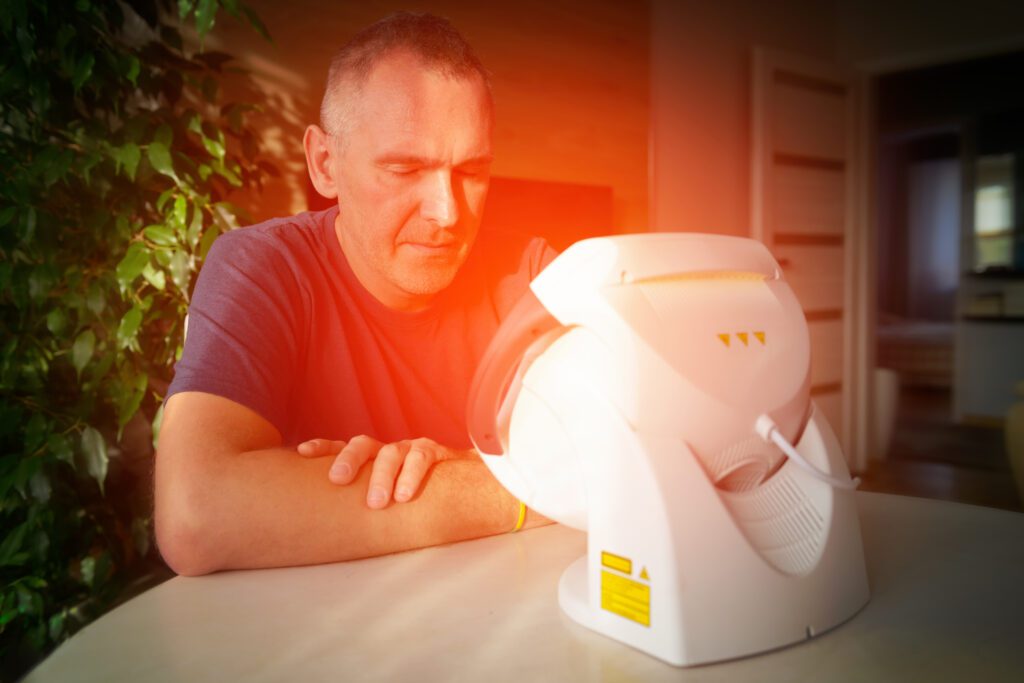
Color therapy draws on two overlapping bodies of research: the well-established science of light therapy (phototherapy) for mood and sleep, and the emerging field of chromotherapy, which examines how specific wavelengths and hues affect physiology and psychology. Here is what the current evidence shows — and where its limits lie.
Light Therapy: The Strongest Evidence Base
The most rigorously studied application of light-based therapy is bright light therapy for Seasonal Affective Disorder (SAD) and non-seasonal depression. In a landmark 1984 study published in the Archives of General Psychiatry, researchers at the National Institute of Mental Health (NIMH) — including Dr. Norman Rosenthal, who coined the term SAD — demonstrated that bright light exposure significantly reduced depressive symptoms compared to dim light controls. This foundational research established light therapy as a first-line clinical treatment.
Source: Rosenthal NE, et al. “Seasonal affective disorder: A description of the syndrome and preliminary findings with light therapy.” Archives of General Psychiatry. 1984;41(1):72–80.
A subsequent meta-analysis published in the American Journal of Psychiatry reviewed 20 randomized controlled trials and confirmed that bright light therapy produces antidepressant effects comparable to antidepressant medication — with a faster onset of action. The American Psychiatric Association (APA) and the Canadian Network for Mood and Anxiety Treatments (CANMAT) both include bright light therapy in their clinical practice guidelines for depression treatment.
Source: Golden RN, et al. “The efficacy of light therapy in the treatment of mood disorders: A review and meta-analysis of the evidence.” American Journal of Psychiatry. 2005;162(4):656–662.
Blue Light, Circadian Rhythm, and Sleep Science
Research from Harvard Medical School and the National Institutes of Health (NIH) has established that short-wavelength blue light (around 480 nm) powerfully suppresses melatonin production and shifts circadian rhythms. A pivotal 2001 study published in the Journal of Neuroscience identified the specific action spectrum for melatonin regulation in humans, demonstrating that blue-enriched light has twice the circadian impact of conventional white light.
Source: Brainard GC, et al. “Action spectrum for melatonin regulation in humans: Evidence for a novel circadian photoreceptor.” Journal of Neuroscience. 2001;21(16):6405–6412.
This is directly relevant to product selection: amber, red, and warm-white settings in the evening have measurably less impact on melatonin suppression than cool-white or blue-rich settings — the scientific rationale behind the amber wind-down recommendations in this guide and the Philips SmartSleep and Hatch Restore products featured in the sleep section below.
The American Academy of Sleep Medicine (AASM) and the National Sleep Foundation both acknowledge the role of light in circadian regulation and recommend minimizing blue-spectrum light in the 1–2 hours before bed — a principle directly applied by clinical sleep products like the Philips SmartSleep line.
Chromotherapy: Emerging and Complementary Evidence
Chromotherapy — the use of specific colored light wavelengths to influence mood and physiology — has a longer clinical history but a less uniform evidence base. A 2005 peer-reviewed review published in Evidence-Based Complementary and Alternative Medicine traced chromotherapy’s scientific development and documented measurable physiological effects of specific wavelengths, including changes in autonomic nervous system response, muscle tension, and cortisol levels.
Source: Azeemi STY & Raza SM. “A Critical Analysis of Chromotherapy and Its Scientific Evolution.” Evidence-Based Complementary and Alternative Medicine. 2005;2(4):481–488. doi:10.1093/ecam/neh137
Key findings: blue and green wavelengths are consistently associated with reduced physiological arousal (lower heart rate, lower blood pressure, reduced cortisol); red wavelengths produce the opposite — increased alertness — which explains their use for short energizing sessions; warm amber tones produce intermediate effects suited to evening wind-down.
It is important to note that chromotherapy research faces methodological challenges common to complementary medicine: small sample sizes, difficulty blinding participants, and limited large-scale randomized controlled trials. Consumers should approach color therapy as a complementary wellness tool rather than a replacement for evidence-based medical treatment.
Sensory Room Research: Disabilities-Specific Evidence
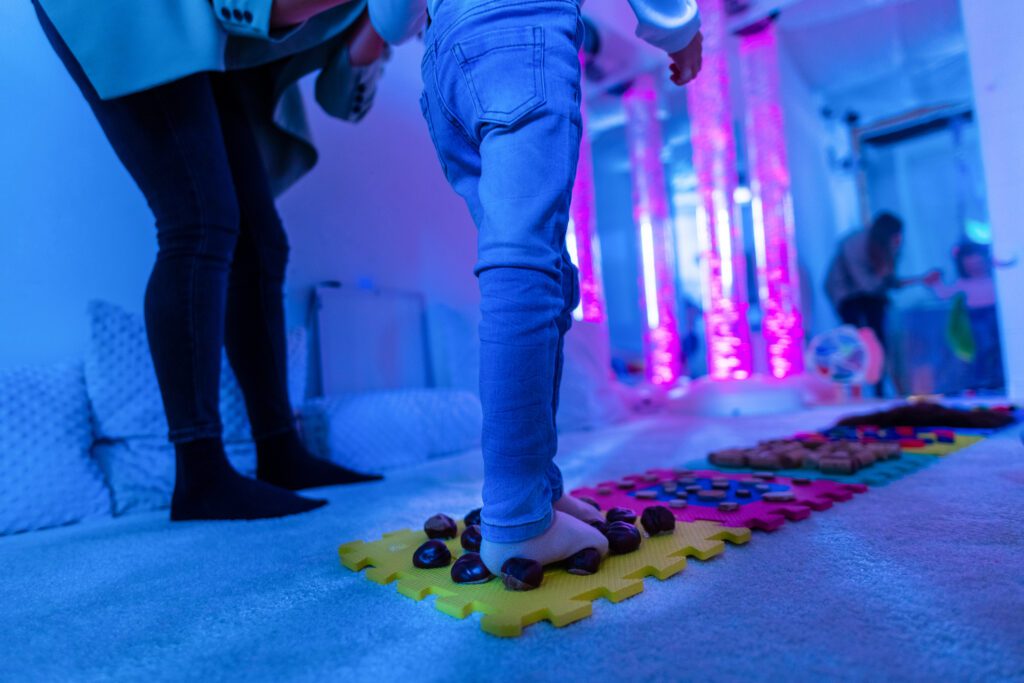
The use of color and multi-sensory lighting for people with developmental and intellectual disabilities has been studied since the 1970s, when Dutch therapists Jan Hulsegge and Ad Verheul developed the Snoezelen concept — multi-sensory environments combining colored lights, sounds, and tactile elements. Research published in the British Journal of Occupational Therapy and peer-reviewed reviews of Snoezelen interventions for autism spectrum disorder (ASD), dementia, and intellectual disabilities report consistent reductions in agitation, self-injurious behavior, and anxiety in controlled sensory environments with calming color lighting.
Source: Hotz GA, et al. “A Snoezelen room in a pediatric intensive care unit.” Pediatric Nursing. 2006;32(4):402–409.
The American Occupational Therapy Association (AOTA) recognizes sensory integration interventions — including controlled color and lighting environments — as within occupational therapy practice scope, with emerging evidence supporting their use for sensory processing differences. Occupational therapists are the recommended clinical resource for individuals designing sensory rooms.
Color and Psychological Response
Mainstream psychology research confirms that color reliably influences mood and perception. Researcher Frank H. Mahnke’s comprehensive review (Color, Environment, and Human Response, 1996) synthesized cross-cultural studies showing blue and green as universally associated with calm and safety; red and orange with arousal and energy; and yellow with alertness — associations consistent across cultures and age groups.
Editorial note: The products in this guide are consumer wellness products, not FDA-cleared medical devices (except where specifically noted). Readers with diagnosed conditions should consult their healthcare provider before using color therapy as part of a treatment plan.
Color Therapy Lamps and Light Panels
Freestanding lamps and panels are the easiest entry point: set one on a desk or bedside table, choose a color, and adjust brightness to comfort. Look for models with at least seven color options, stepless dimming, and a timer so the light shuts off automatically — useful for wind-down routines.
Disclosure: AmeriDisability may earn a commission from qualifying purchases made through the Amazon links in this article, at no extra cost to you.
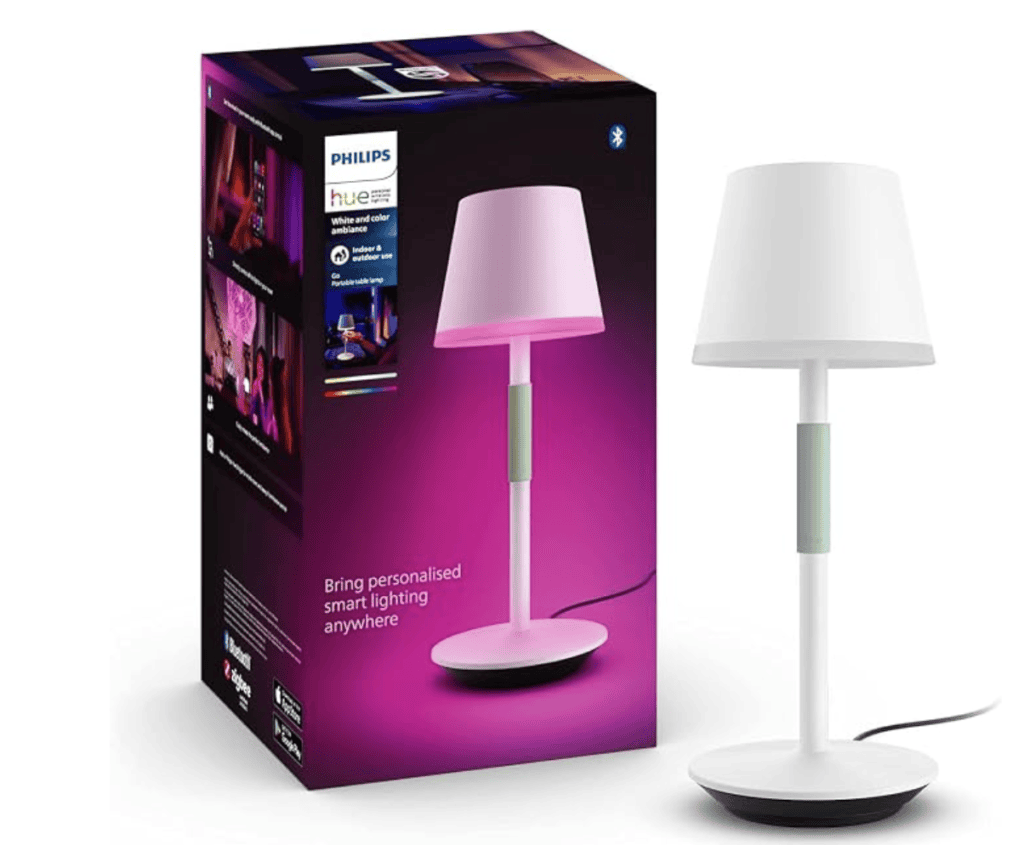
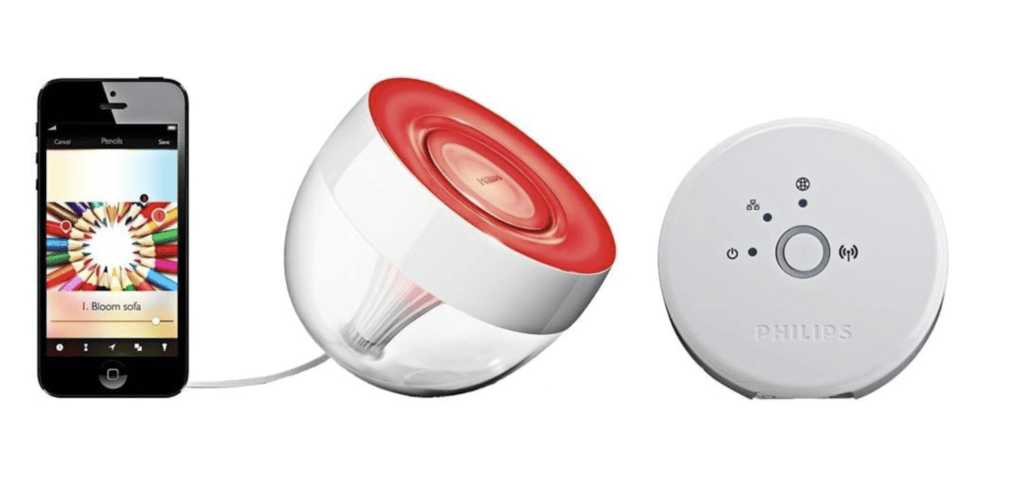
A standout pick: the Philips Hue Go portable table lamp — 16 million colors, fully dimmable with slow gradual transitions, rechargeable and cordless (bring calm anywhere in the house), and controllable by app, voice, or a single large button on the lamp itself. Three more lamps worth considering: the Govee RGBIC Smart Table Lamp 2 delivers similar color control at about a third of the price with a simple touch top; the Philips Hue Iris washes an entire wall in color for a room-filling effect without glare; and the Hue Go two-pack makes sense for bringing color therapy to more than one room.
Smart Color-Changing Bulbs
Smart bulbs turn any existing fixture into a color therapy tool, and they’re often the most accessible option: voice control through Alexa or Google Home means no small switches or remotes to manipulate — a genuine advantage for people with limited dexterity or low vision.
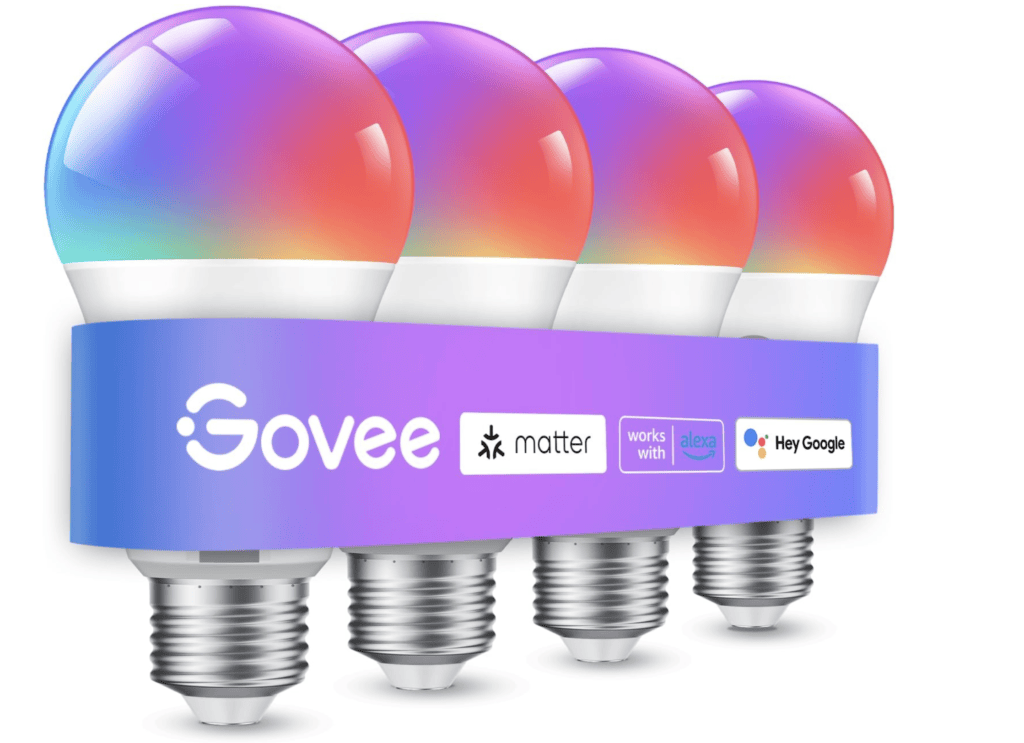
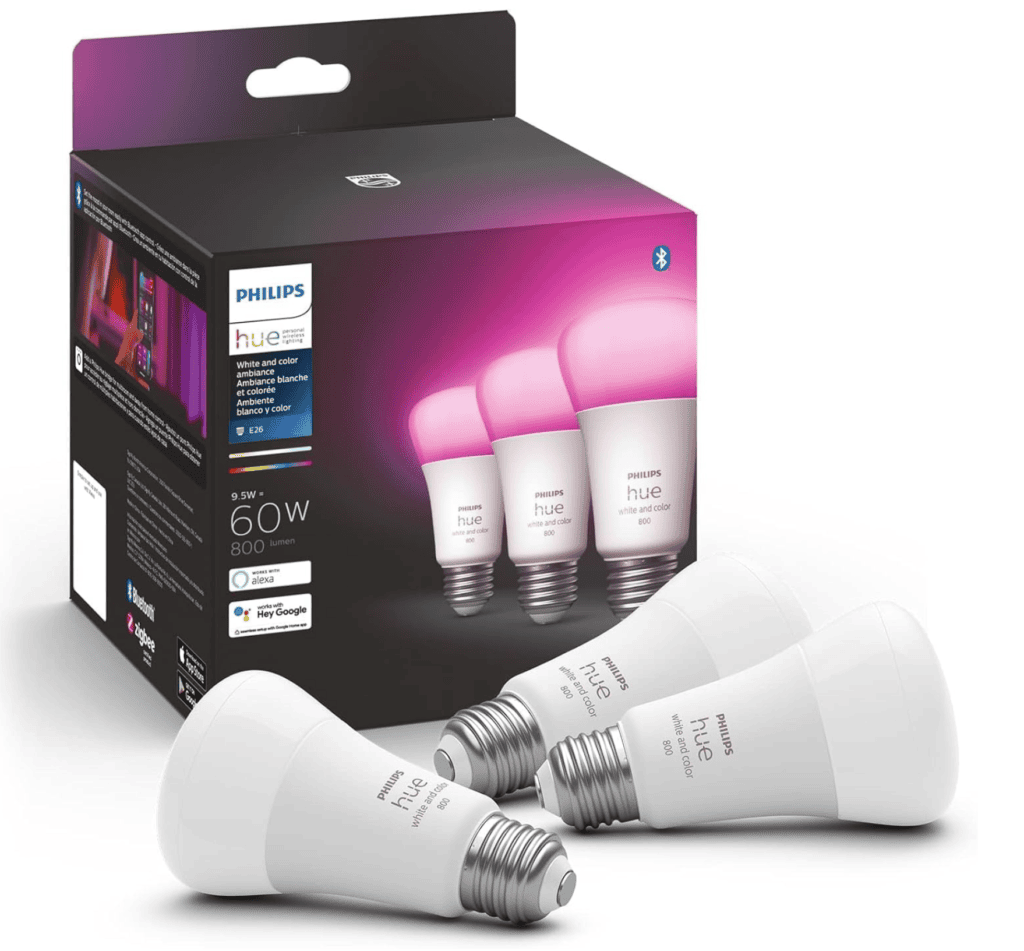
The Govee A19 color-changing smart bulbs (4-pack) are an affordable way to outfit several rooms — 16 million colors, timers, sunrise/sunset modes, and full Alexa/Google voice control with no hub required. For brighter rooms, the Govee 1000-lumen Matter smart bulbs (2-pack) step up the output and work with every major smart home system. If you prefer the Philips ecosystem, the Philips Hue A19 color bulb three-pack is the premium standard with the most polished app, and the Hue 75W-equivalent four-pack suits larger or brighter rooms.
Color-Changing Wall Panels and Light Bars
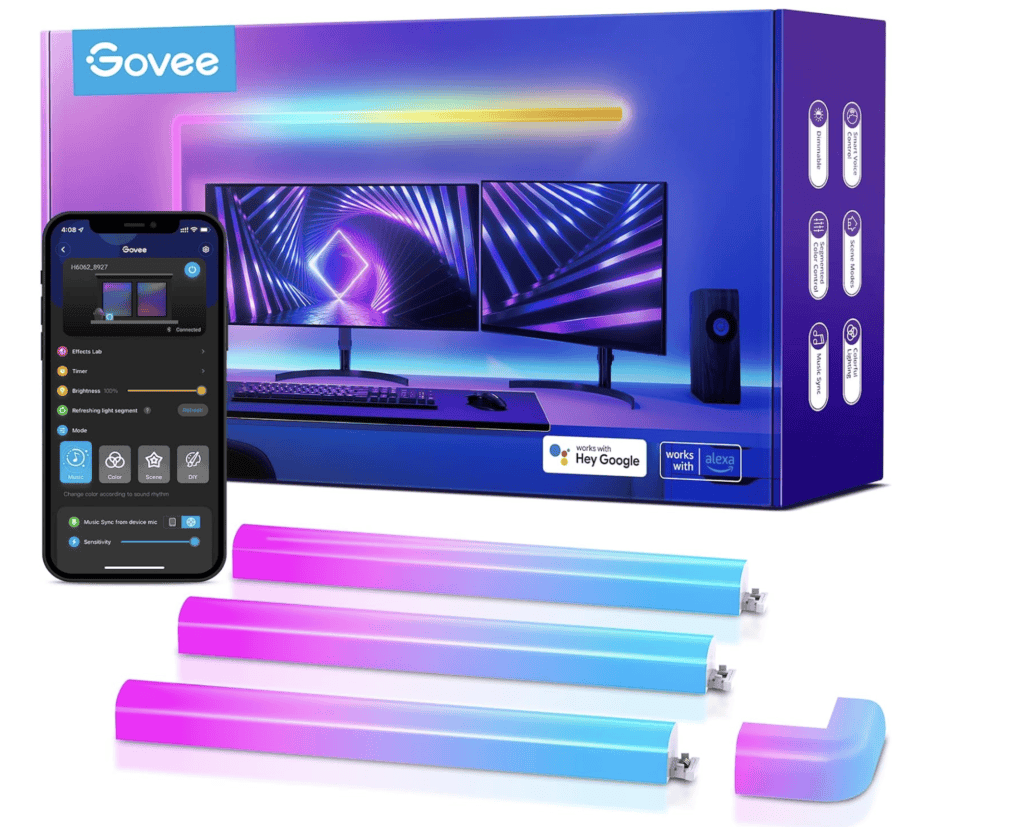
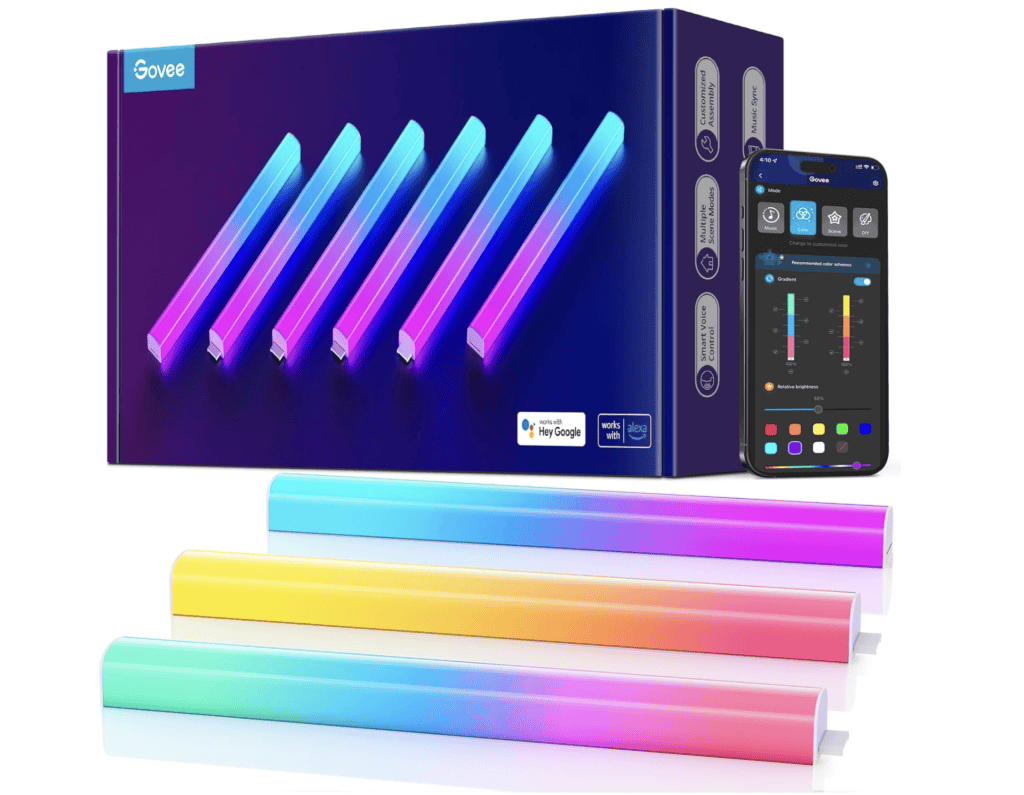
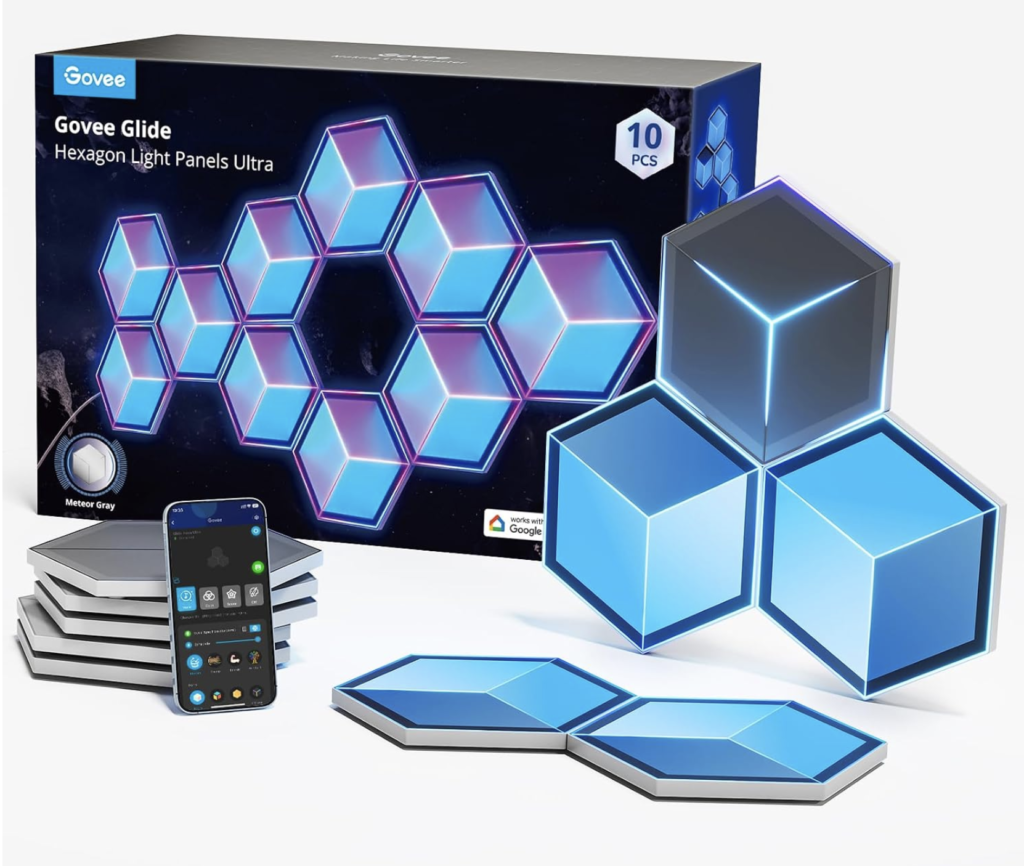
Wall-mounted color lighting turns a whole wall into the therapy surface — especially useful in a bedroom or calming corner where a tabletop lamp would sit within reach of curious hands or mobility equipment. Govee Glide Wall Lights are connectable segments you arrange in any shape, with slow color-flow effects well suited to relaxation; the simpler Govee Glide light bars mount with adhesive (no drilling) and work well flanking a bed or desk; and Govee hexagon light panels add a modular look many kids and teens love. All three install high on the wall, out of reach, and hold steady scenes without flashing.
Color Therapy Glasses
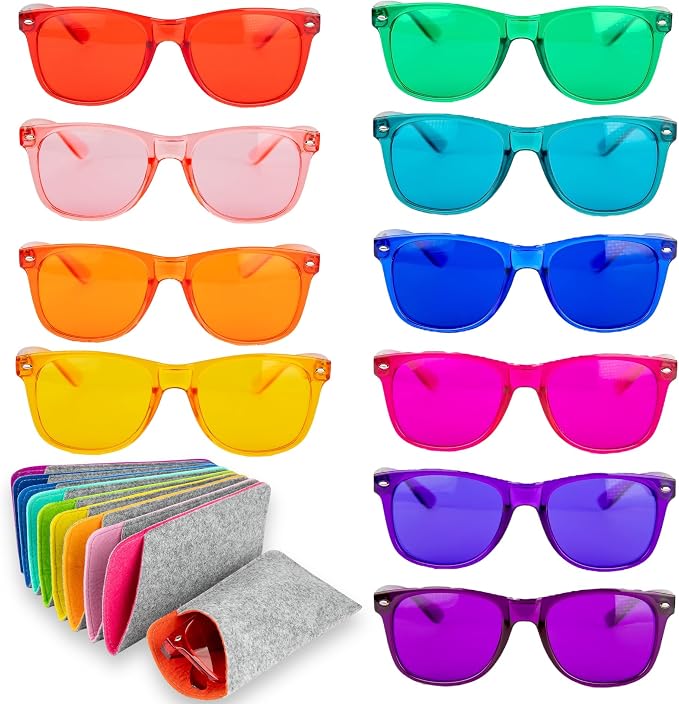
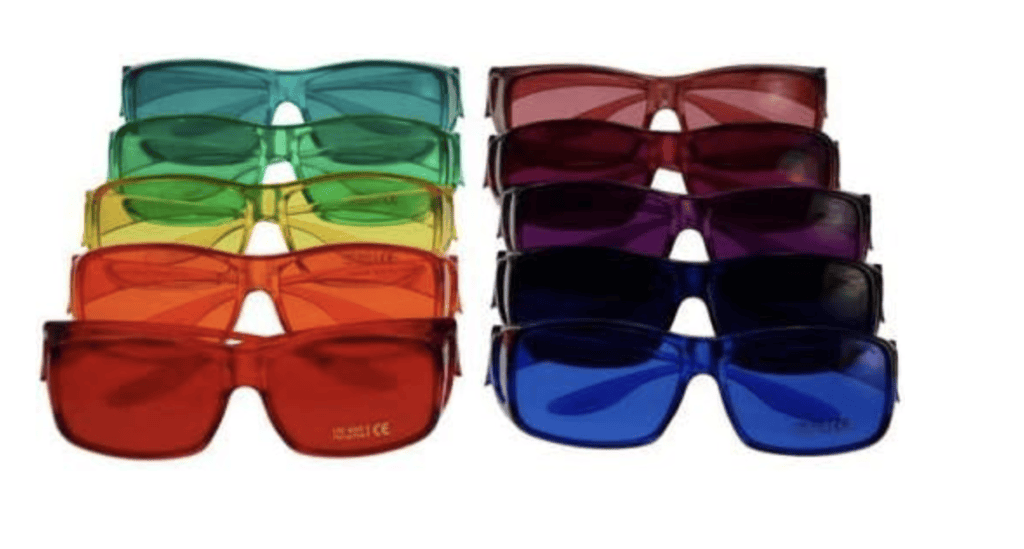
Tinted therapy glasses are portable color therapy: each tint targets a different effect, from calming blues and greens to energizing ambers. They travel well, need no power, and are a discreet option for use outside the home — at work, school, or appointments.
The MOODVUES 10-pack color therapy glasses with cases covers the full color spectrum with a protective case for each pair. And for readers who wear prescription glasses, this fit-over color therapy glasses set (7 colors) is designed to wear comfortably over existing frames — a detail most color therapy roundups overlook.
Sensory Room Lighting
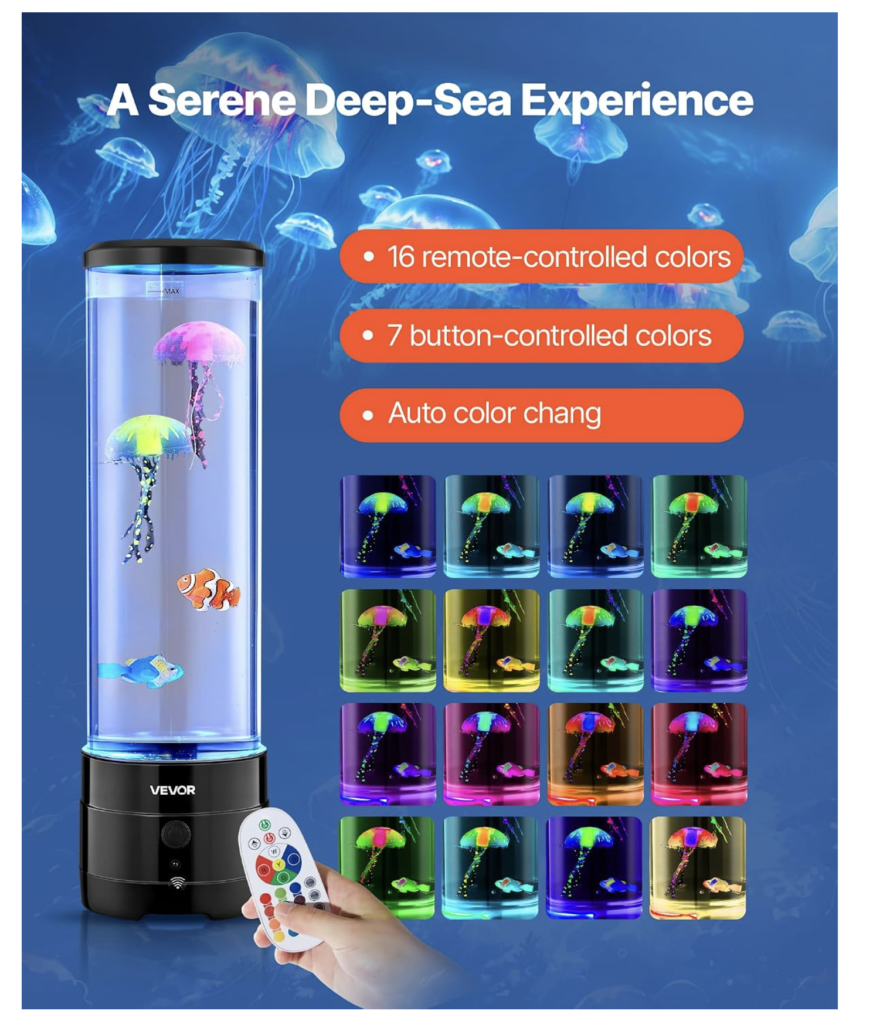
For families and facilities building a calming corner or full sensory room, dedicated sensory lighting — bubble tubes, fiber-optic strands, and projection lights — combines color therapy with gentle movement and tactile interest. Prioritize products with slow, steady transitions and remote control, and mount or anchor larger pieces securely.
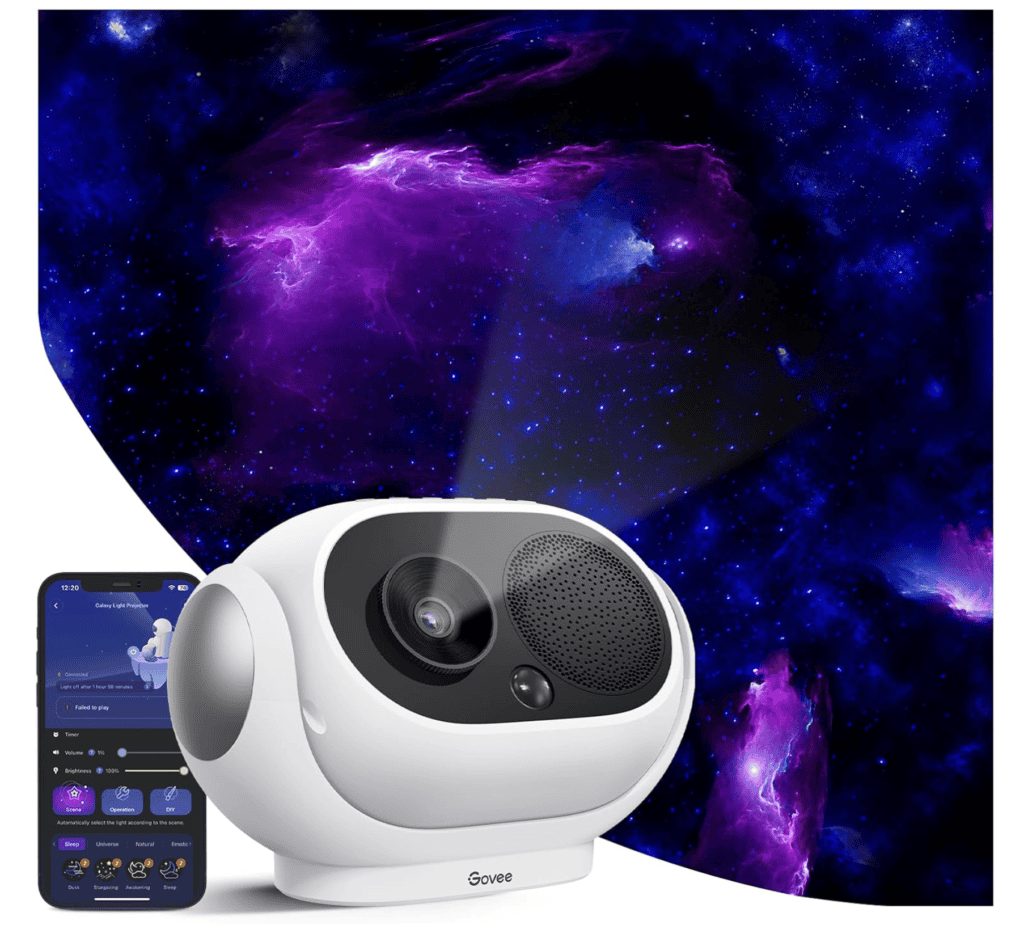
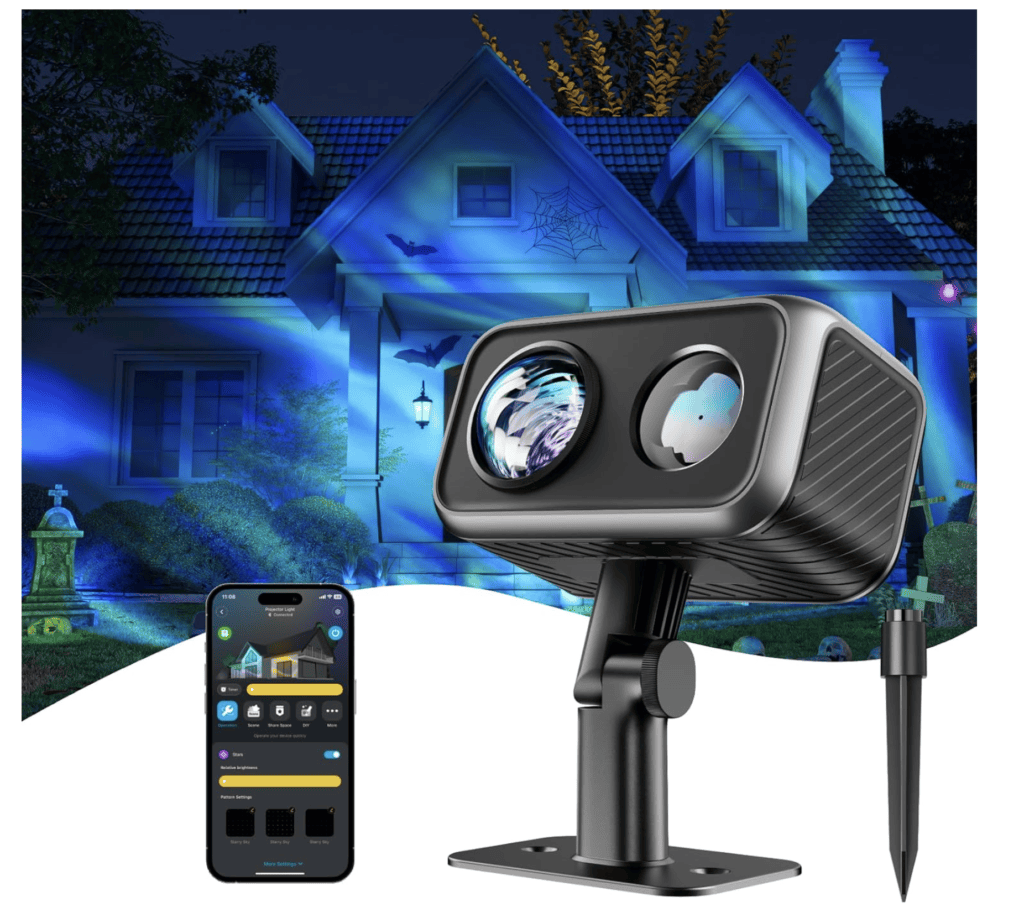
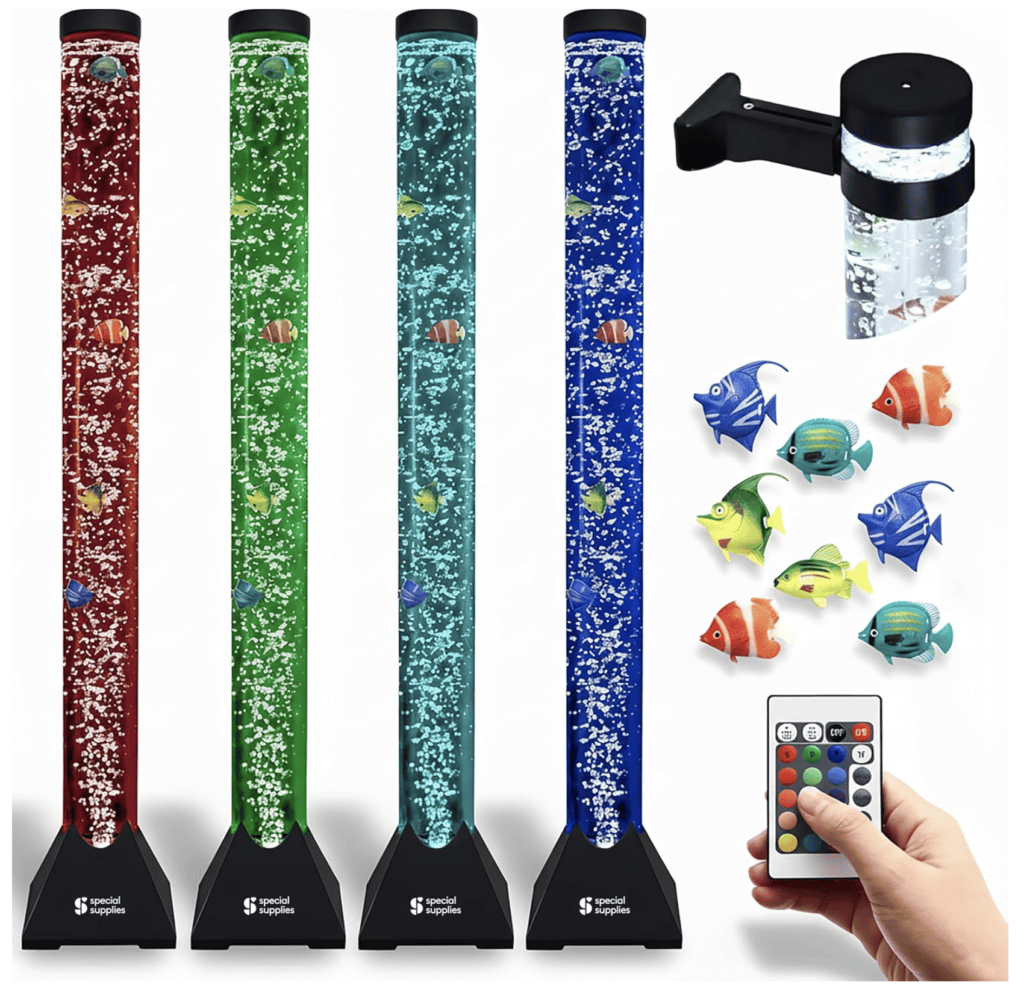
The portable Hue Go lamp featured above is a favorite for sensory corners too: it can be locked to steady colors with slow transitions, survives being carried around, and dims to barely-there. For dedicated equipment like bubble tubes and fiber-optic strands, quality varies widely between suppliers — choose established sensory-equipment brands, and confirm any tube or tower can be anchored securely. Four strong options: the Special Supplies 4-foot sensory fish bubble tube comes from a dedicated special-needs equipment brand, with 16 color modes, floating fish, and a remote — pair it with a wall strap for the secure anchoring we recommend; the VEVOR sensory bubble tube with white noise adds a built-in speaker and whisper-quiet operation; the Govee Star Projector with replaceable discs and white noise fills the ceiling with slow-moving cosmic scenes and dozens of soothing sounds; and the Govee indoor/outdoor aurora projector extends calming light to a porch or backyard — useful for families whose sensory space is outside.
Calming Sleep and Wind-Down Lighting
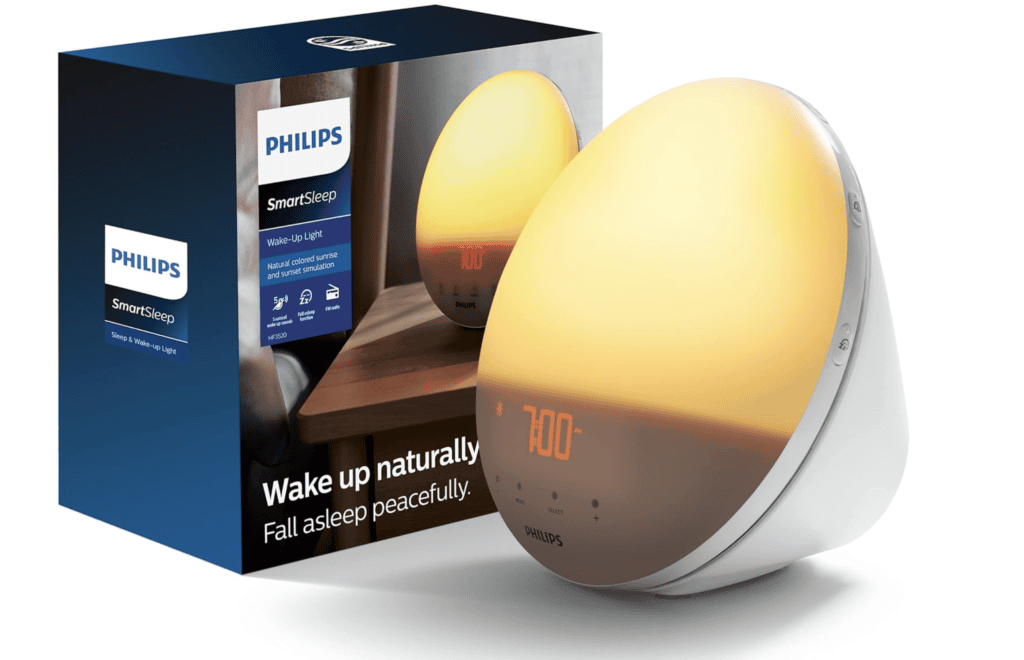
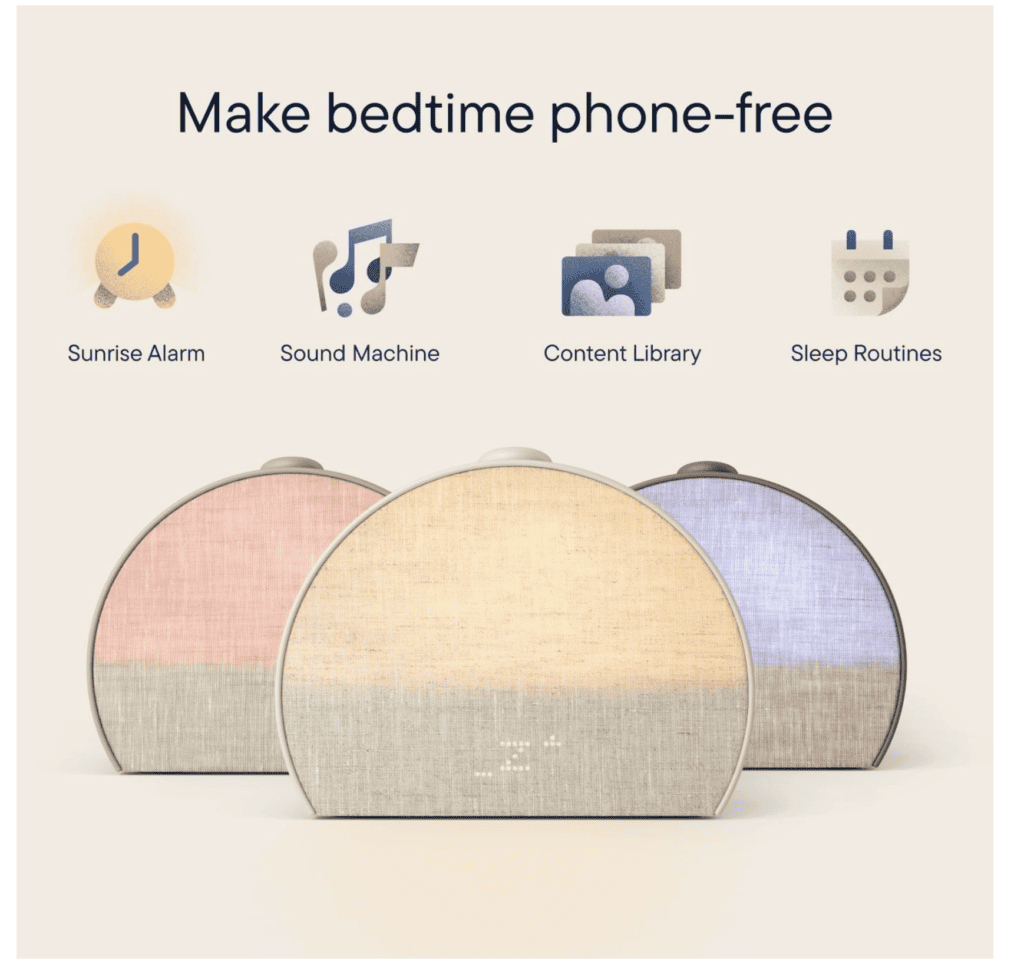
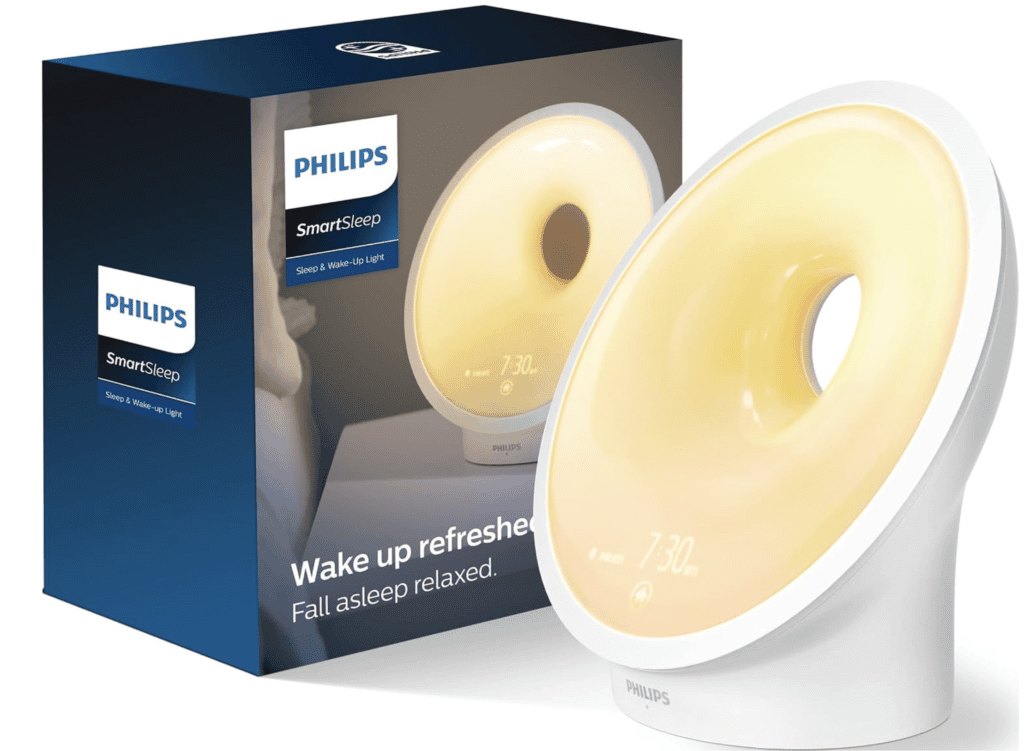
For many people with disabilities — and their caregivers — the highest-value use of color therapy products is the bedtime routine, and this is the one category with genuinely clinical options. The Philips SmartSleep Wake-Up Light (HF3520) was developed with Philips’ clinical sleep science team: its colored sunset simulation gradually dims from warm light to darkness to cue the body toward sleep, then reverses into a gentle sunrise for a non-jarring wake — valuable for anyone who finds abrupt alarms distressing. The Hatch Restore 3 takes a whole-routine approach: a screen-free bedside device combining wind-down light, 80+ sleep sounds, and guided rest content, with routines that run automatically once set — a strong fit for people who rely on consistent, predictable evening structure. And the Philips SmartSleep Sleep and Wake-Up Light (HF3650) adds RelaxBreathe, a slowly pulsing light that paces deep breathing for falling asleep — a built-in calming exercise that requires no screen, app, or instructions in the moment.
Which color should I start with? Blue and green are the most commonly used calming colors; amber suits evening wind-down; red and orange are typically used for short, energizing sessions. Start low in brightness and adjust to comfort.
Is color therapy safe for children with disabilities? Generally yes, with adult supervision, steady (non-flashing) settings, and secure mounting of any freestanding equipment.
For the science, history, and benefits behind these color therapy products, read our companion article: How Color Therapy Benefits People with Disabilities.
How to Choose Color Therapy Products: Quick Recommendations
- Best first purchase: a dimmable color therapy lamp with a timer — flexible, affordable, and easy to return if it isn’t a fit.
- Best for limited mobility or dexterity: smart bulbs with voice control.
- Best on the go: color therapy glasses.
- Best for shared or therapeutic spaces: sensory room lighting with locked slow-transition modes.
- Best for bedtime routines: a clinical-grade sunset/sunrise sleep light or a screen-free routine device like the Hatch Restore.
- Best whole-wall effect: glide-style wall lights or hexagon panels, mounted out of reach.
Frequently Asked Questions
Does color therapy really work? Research is ongoing and results vary by person, but many people with disabilities report real benefits for relaxation, sleep routines, and sensory regulation. Because most products are inexpensive and low-risk, a cautious trial is reasonable — with your provider’s input if you have a light-sensitive condition.
Which color should I start with? Blue and green are the most commonly used calming colors; amber suits evening wind-down; red and orange are typically used for short, energizing sessions. Start low in brightness and adjust to comfort.
Is color therapy safe for children with disabilities? Generally yes, with adult supervision, steady (non-flashing) settings, and secure mounting of any freestanding equipment.
For the science, history, and benefits behind these color therapy products, read our companion article: How Color Therapy Benefits People with Disabilities.
