

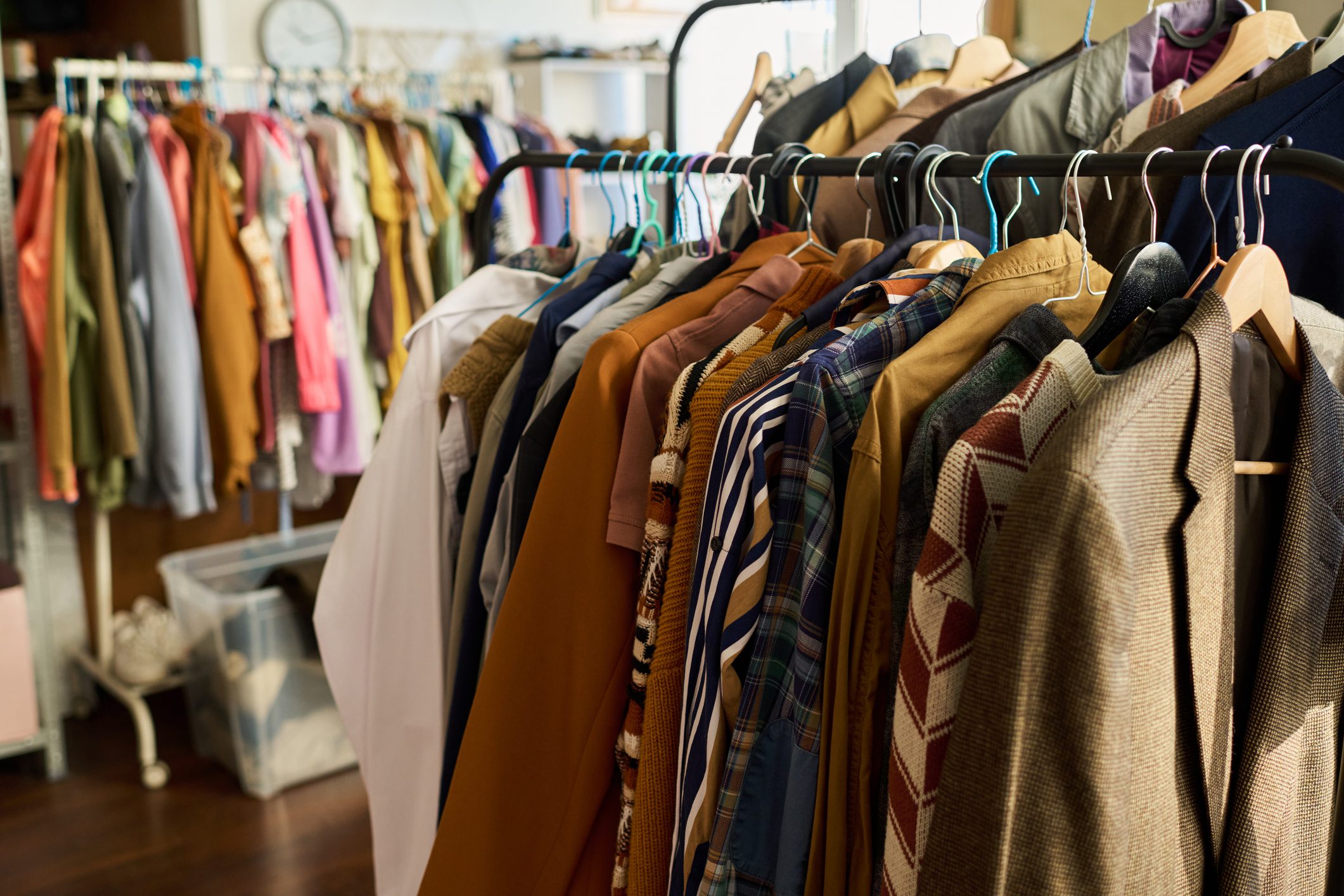
Affiliate Disclosure: Some links in this article are affiliate links. AmeriDisability.com may earn a small commission if you make a purchase through these links, at no additional cost to you. We only recommend products we believe will be of genuine value to our readers.
Finding the right gift for someone you love is never simple — but when that person lives with a disability or is navigating the physical changes that come with aging, the stakes are even higher. Clothing is deeply personal. It affects dignity, comfort, independence, and self-expression. A gift that fits someone’s real life — not just their size, but their body’s daily realities — can be genuinely life-changing. This guide walks you through everything you need to know to shop for adaptive clothing with confidence.
What Is Adaptive Clothing?
Adaptive clothing is apparel specifically designed or modified to make dressing easier for people with physical disabilities, chronic health conditions, or limited mobility. Rather than forcing the wearer to adapt to conventional garment construction, adaptive clothing adapts to the wearer’s body, capabilities, and needs.
The core features that distinguish adaptive clothing from standard apparel include:
- Alternative closures: Magnetic snaps, hook-and-loop (Velcro) fasteners, and oversized buttons replace small buttons, zippers, and hooks that can be difficult for people with limited hand function.
- Modified openings: Open-back designs, side-entry panels, and wrap-style fronts allow assisted dressing without overhead reaching.
- Seated fit: Pants and skirts engineered to look and feel correct while the wearer is seated in a wheelchair or other mobility device — with higher backs, lower front rises, and reduced back-pocket bulk that can cause pressure sores.
- Tagless and flat-seam construction: Removes pressure points and irritation for people with sensory sensitivities.
- Incontinence integration: Snap crotches, side-entry openings, and discreet inner layers allow caregivers to assist without fully undressing the person wearing the garment.
Who benefits? Adaptive clothing serves a wide population: wheelchair users, people with Parkinson’s disease, arthritis, stroke survivors, individuals recovering from surgery, people with autism spectrum disorder or sensory processing differences, those living with cerebral palsy, multiple sclerosis, ALS, and older adults experiencing general mobility decline.
The market is growing. The global adaptive clothing market was valued at approximately $400 billion in 2023 and is projected to grow significantly through the end of the decade, driven by an aging population and increased public awareness of disability-inclusive design. Major retailers including Target, Walmart, and Amazon have expanded their adaptive offerings, and mainstream fashion brands have launched dedicated adaptive lines.
Top Adaptive Clothing Brands to Know
1. Buck & Buck
Website: buckandbuck.com Price range: Approximately $49–$64 for tops and bottoms
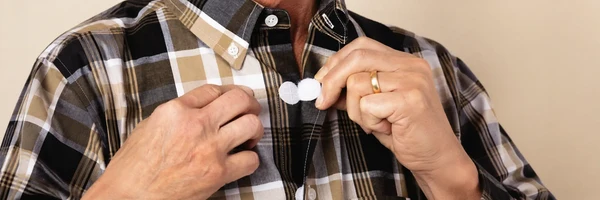
Buck & Buck has been dressing seniors and adults with disabilities since 1978 — nearly 50 years of specialized experience. Named “Best Adaptive Clothing for Seniors” by Good Housekeeping, the brand has served more than 750,000 customers. Their catalog is organized by disability type (Parkinson’s, arthritis, wheelchair use, stroke, Alzheimer’s, incontinence, post-surgical recovery) and by adaptive feature (Velcro front, open back, side entry, pull-on, side-zip).
Standout offerings include Velcro-fly jeans ($58), flannel shirts with Velcro fasteners ($54), stay-dressed jumpsuits for people with Alzheimer’s or dementia ($52–$64), and open-back hospital gowns. Buck & Buck also offers free hemming on most pants and free heat-set name labels — an invaluable service for residents of assisted living and nursing care facilities. Phone-based customer service is available Monday through Friday.
Best for: Seniors, people with Parkinson’s, Alzheimer’s-related needs, wheelchair users, assisted-dressing situations
2. IZ Adaptive
Website: izadaptive.com Price range: Approximately $45–$515 (specialty outerwear); most everyday pieces approximately $55–$165
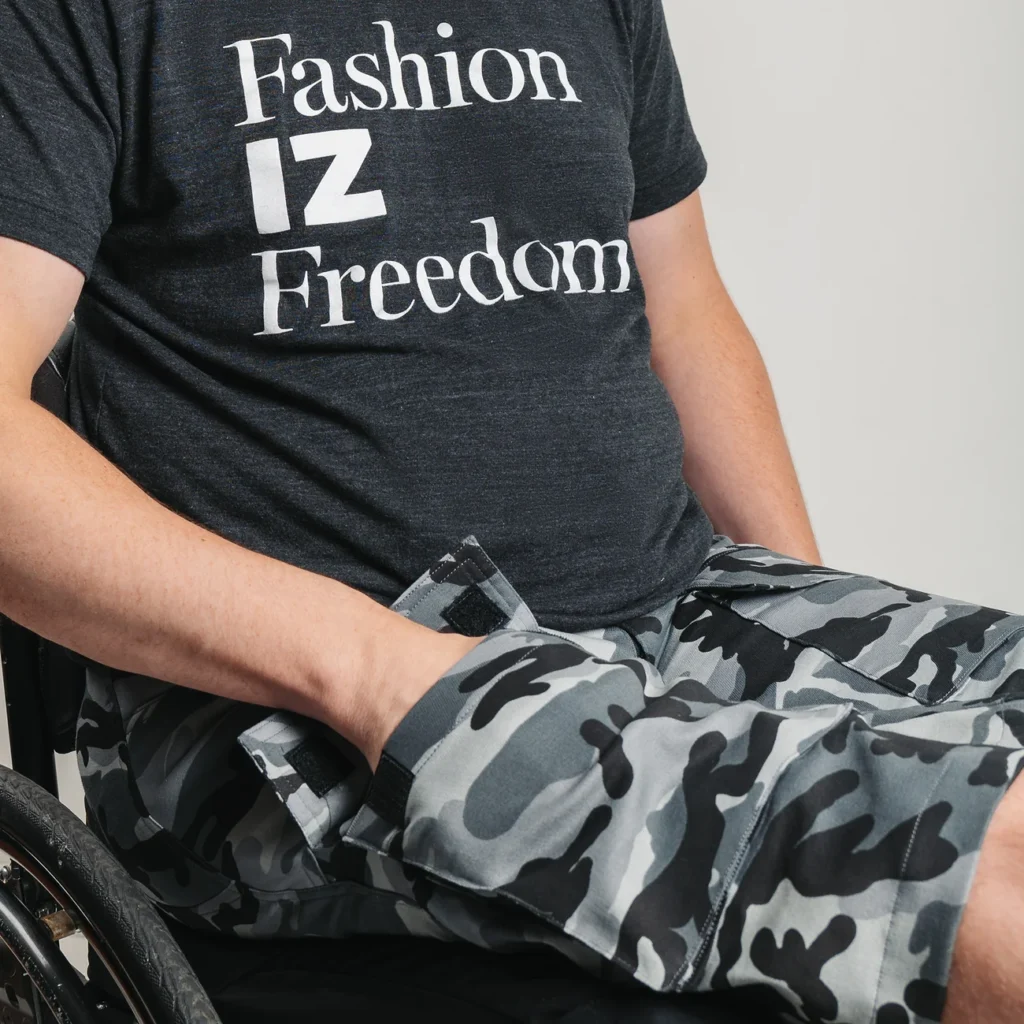
Founded in 2009 by celebrated Canadian fashion designer Izzy Camilleri, IZ Adaptive is widely considered the leader in fashionable adaptive clothing for wheelchair users. The brand is built on a premise that people with disabilities deserve stylish, well-constructed clothes — not just functional ones. IZ has been featured in Vogue Business, Forbes, The Washington Post, and the Business of Fashion.
Their signature innovation, the IZ Seamless Technology Game Changer Pant, is a patented design that eliminates back seams and pockets, dramatically reducing the risk of pressure sores — a serious and life-threatening concern for full-time wheelchair users. Available in jeans, chinos, sweatpants, and shorts for men and women, prices range from approximately $79.98 to $135. The brand also offers adaptive outerwear capes and parkas designed for seated wear, open-back t-shirts, and adaptive swimwear. Gift cards are available directly through the site.
Best for: Wheelchair users who want fashionable, high-quality pieces; gift givers who want to give something truly thoughtful
3. Tommy Hilfiger Adaptive
Website: Tommy Hilfiger Adaptive Collection Price range: Approximately $39–$139
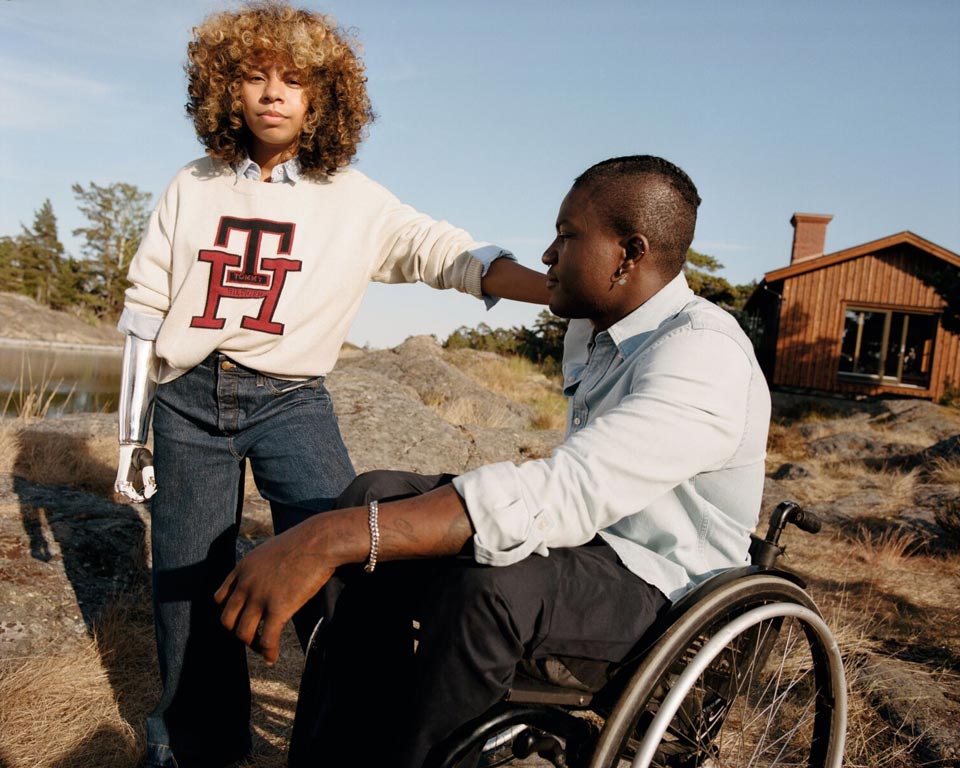
Tommy Hilfiger was one of the first major mainstream fashion brands to invest seriously in adaptive design when it launched its adaptive line. The collection features the brand’s signature preppy aesthetic with meaningful modifications: magnetic zipper pulls, adjustable hems, one-handed button-loop closures, and seated fits in jeans, polos, chinos, and dresses. The adaptive line is available for men, women, and children.
For gift givers, Tommy Hilfiger Adaptive is particularly appealing because the clothing looks like regular Tommy Hilfiger — the adaptive features are discreet. This matters to many people with disabilities who want to look like themselves, not like they are wearing “medical” clothing.
Best for: People who want fashionable brand-name clothing with subtle adaptive modifications; gift givers who want something recognizable and stylish
4. Zappos Adaptive
Website: zappos.com/c/zappos-adaptive Price range: Varies widely by brand
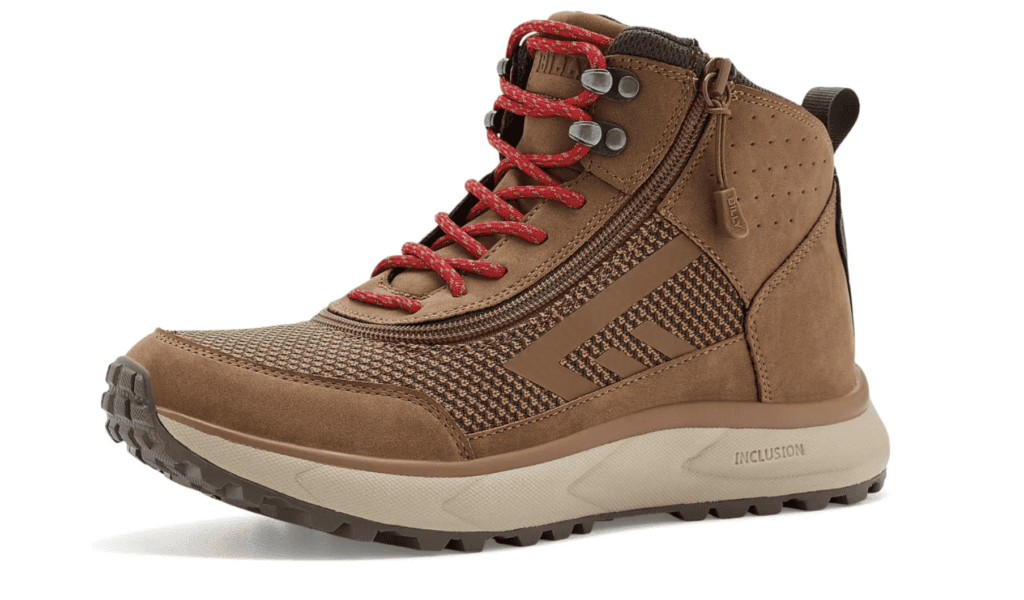
Zappos Adaptive is not a clothing brand but a curated section of Zappos (an Amazon subsidiary) that brings together adaptive footwear, clothing, and accessories from multiple brands in one place. The collection includes easy-entry shoes, adaptive sneakers with no-tie systems, wide-width footwear, and clothing with accessible closures. Zappos is notable for its free returns policy and legendary customer service, making it a low-risk option for gift shopping when you are unsure of exact sizing.
Best for: One-stop shopping; adaptive footwear; gift givers who want free returns for sizing flexibility
5. Silvert’s
Website: silvert.com Price range: Approximately $25–$75
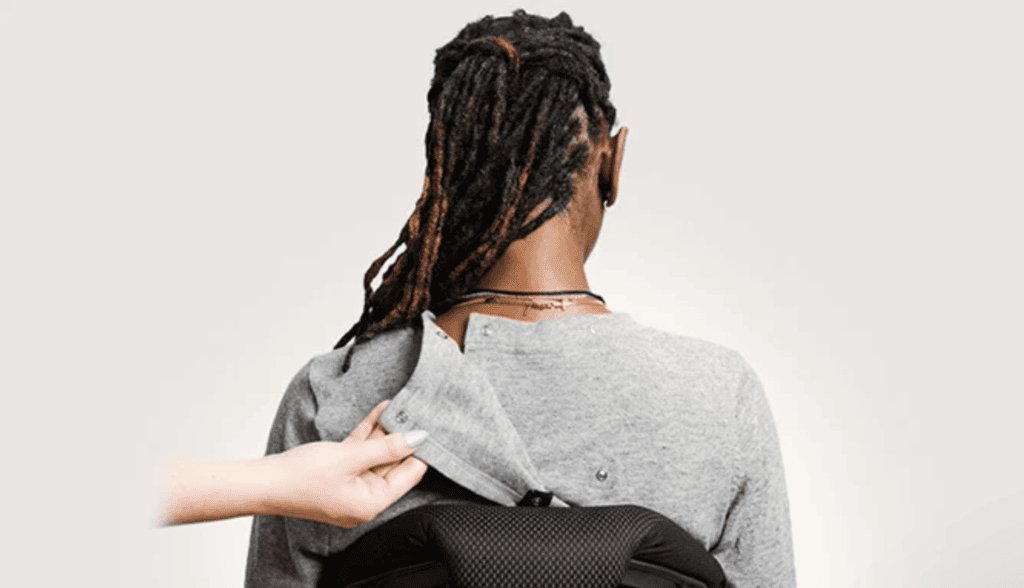
Silvert’s is a long-established catalog retailer — operating since 1930 — focused on adaptive and easy-dressing clothing for seniors and adults with disabilities. The catalog is comprehensive: open-back tops, Velcro-closure pants, incontinence underwear, adaptive sleepwear, and more. Silvert’s offers quantity discounts and ships to both individuals and care facilities. Their pricing is competitive, making this a good option for buyers on a moderate budget who want quality basics.
Best for: Value shopping; care facility gift giving; broad selection of basics
6. At Major Retailers
For buyers who prefer the convenience of stores they already know:
- Amazon carries adaptive clothing from multiple brands, including its own Amazon Essentials adaptive line. Search “adaptive clothing” filtered by specific need (wheelchair, easy-on, magnetic closure).
- Target has expanded its adaptive offerings, including the Cat & Jack adaptive children’s line and adult adaptive basics through its in-house Universal Thread brand.
- Walmart carries Walmart-branded adaptive apparel as well as third-party adaptive brands, often at the lowest price points available.
What to Look For When Buying Adaptive Clothing as a Gift
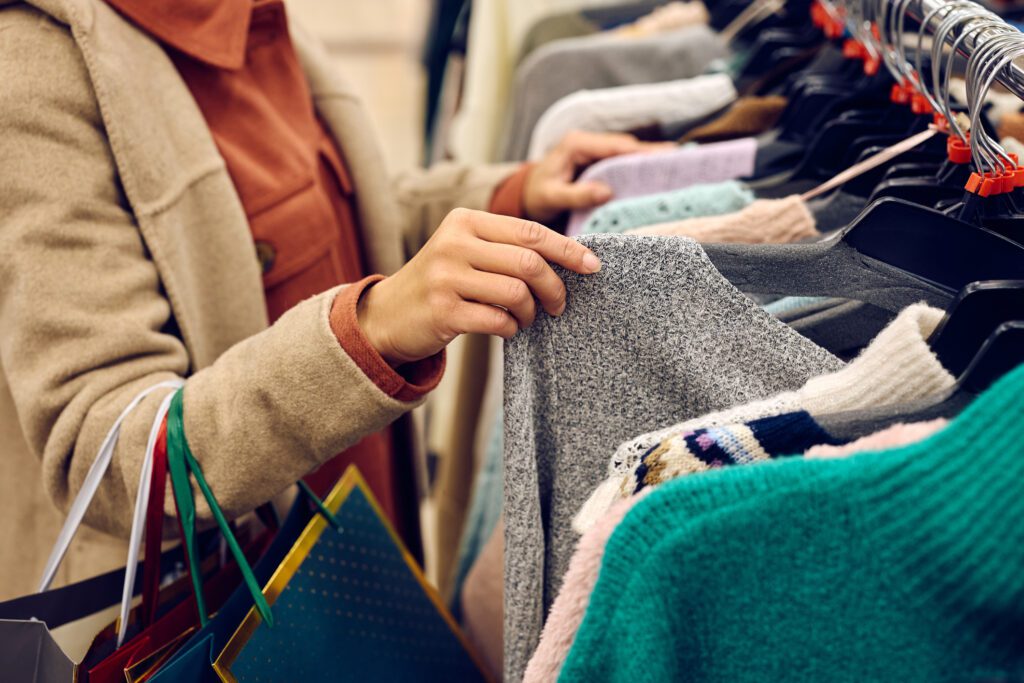
Shopping adaptive clothing as a gift requires a bit more thought than buying a standard sweater. Keep these principles in mind:
- Know the specific need. The most useful question to ask — or to find out before shopping — is: What is the hardest part of getting dressed? The answer narrows the category considerably. If the answer is “small buttons,” Velcro-closure tops are the solution. If it’s “can’t stand to pull pants on,” side-entry or pull-on elastic-waist pants address it.
- Prioritize fit. Adaptive features do not help if the garment does not fit well. Many adaptive brands offer extended sizing. Buck & Buck offers free custom hemming. IZ Adaptive provides a size chart and 30-day satisfaction returns. Zappos offers free return shipping to reduce sizing risk.
- Consider fabric. Softer, tagless fabrics matter more than you may expect — especially for people who spend significant time in a chair, in bed, or who have sensory sensitivities. Look for cotton, jersey knit, and tagless constructions.
- Think about who does the dressing. Is the recipient independent in dressing, or do they receive caregiver assistance? For independent dressers, Velcro closures and pull-on styles work well. For caregiver-assisted dressing, open-back and side-entry garments are more practical.
- When in doubt, give a gift card. IZ Adaptive, Buck & Buck, and Zappos all offer gift cards. This is especially appropriate when you are not certain of sizing, style preferences, or specific needs. It preserves the recipient’s autonomy and dignity — letting them choose what works for their body.
Sensory-Friendly Clothing Options
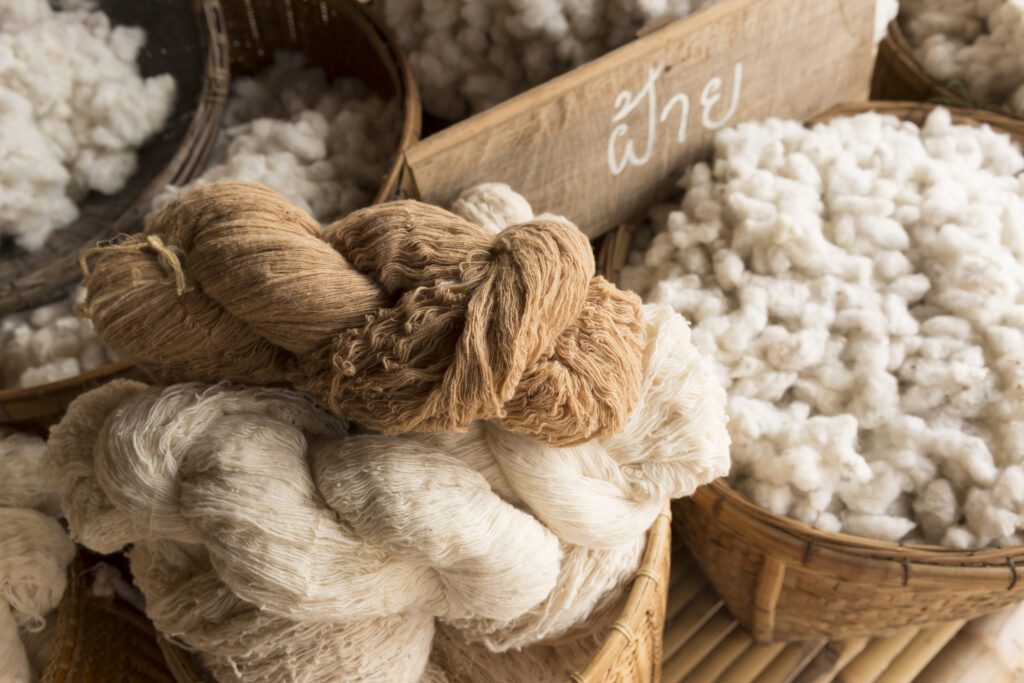
For people with autism spectrum disorder, sensory processing disorder, or other sensory sensitivities, the fabric, texture, and construction of clothing can be as important as the fit. Standard clothing often includes tags, rough seams, synthetic fabrics, tight waistbands, and scratchy embellishments that can cause significant discomfort or distress.
Sensory-friendly features to look for:
- Tagless construction: Labels are either printed directly onto fabric or removed entirely. Buck & Buck and many Amazon Essentials adaptive pieces are tagless.
- Flat seams: Raised seam allowances are stitched flat to eliminate ridges against the skin.
- 100% cotton or bamboo fabrics: Natural fibers tend to be softer and more breathable than synthetics.
- No decorative elements: Embroidery, rhinestones, appliques, and rivets can be irritating. Plain, smooth surfaces are preferable.
- Soft elastic waistbands: Wide, non-binding waistbands in jersey cotton are more comfortable than rigid waistbands or banded waistbands with exposed elastic.
Brands and options to consider for sensory-friendly gifting:
- Hanes, Fruit of the Loom, and Dickies all offer tagless basics widely available at Walmart, Target, and Amazon at affordable price points.
- Buck & Buck’s lounge collections use soft, jersey-knit fabrics with minimal seams and no embellishment.
- Amazon Essentials Adaptive includes sensory-friendly features in their adaptive basics line.
- Some parents and caregivers also shop SmartKnit Kids (now extending to adults) for seamless, sensory-conscious socks and undergarments.
When in doubt, wash new garments before gifting — this softens fabrics and removes any manufacturing residue that can increase sensory irritation.
Budget Options and Where to Find Deals

Adaptive clothing spans a wide price range. High-end adaptive fashion from IZ Adaptive can run $100 or more per piece, while budget-friendly options exist at major retailers.
Under $30: – Target Universal Thread Adaptive basics — elastic-waist pants, pull-on leggings, and simple knit tops in adaptive cuts – Walmart adaptive basics — pull-on sweatpants, tagless tees, and easy-fit lounge wear starting around $10–$15 – Amazon Essentials Adaptive — tagless t-shirts, pull-on fleece pants, and magnetic-closure accessories at accessible prices
$30–$75: – Silvert’s adaptive catalog — comprehensive selection of adaptive tops, bottoms, and sleepwear for men and women; frequent sales available on their website – Buck & Buck — most everyday pieces fall in this range, and the brand runs seasonal sales – Zappos Adaptive — sale items from multiple brands; free returns make it easy to try without risk
Tips for finding deals: – Sign up for email lists: Buck & Buck, IZ Adaptive, and Zappos all offer welcome discounts (10–15% off) for new subscribers. – Shop end-of-season sales. November is an ideal time — many adaptive brands run holiday promotions. – Check Amazon’s “Subscribe & Save” for reusable incontinence underwear and other adaptive basics that need regular replacement. – Call Buck & Buck’s phone line directly (1-800-458-0600) — their staff can help identify the right product and may know about current promotions.
What You Can Do
Finding the right adaptive clothing gift takes a little extra thought — and that effort matters. When you give clothing that actually fits someone’s life, you are giving them more than a garment. You are giving them ease, dignity, and independence. Share this guide with family members and caregivers who may be shopping for someone they love.
Have a question about adaptive clothing resources for a specific condition? Visit AmeriDisability.com for more guides, news, and resources for people with disabilities and the people who support them.
Price Disclaimer: Prices mentioned in this article are approximate and were believed to be accurate at the time of publication. Prices are subject to change at any time and may vary by retailer, region, or availability. Please verify current pricing directly with the retailer before making a purchase.
If You Liked This Article, You May Also Like
- Best Adaptive Home Products 2026 — From adaptive kitchen tools to smart home devices, these are the products making daily life more accessible in 2026.
- Resources for Individuals and Employers to Combat Disability Discrimination — Know your rights and the resources available when disability discrimination happens in the workplace or community.
- Federal Policy and Americans with Disabilities in 2026: What Has Changed, What Is at Stake, and What the Data Show — A data-driven look at how federal disability policy has shifted and what it means for the community.
AmeriDisability.com is your source for disability news, advocacy, lifestyle, and community. Subscribe to our newsletter to receive new articles directly in your inbox.
