

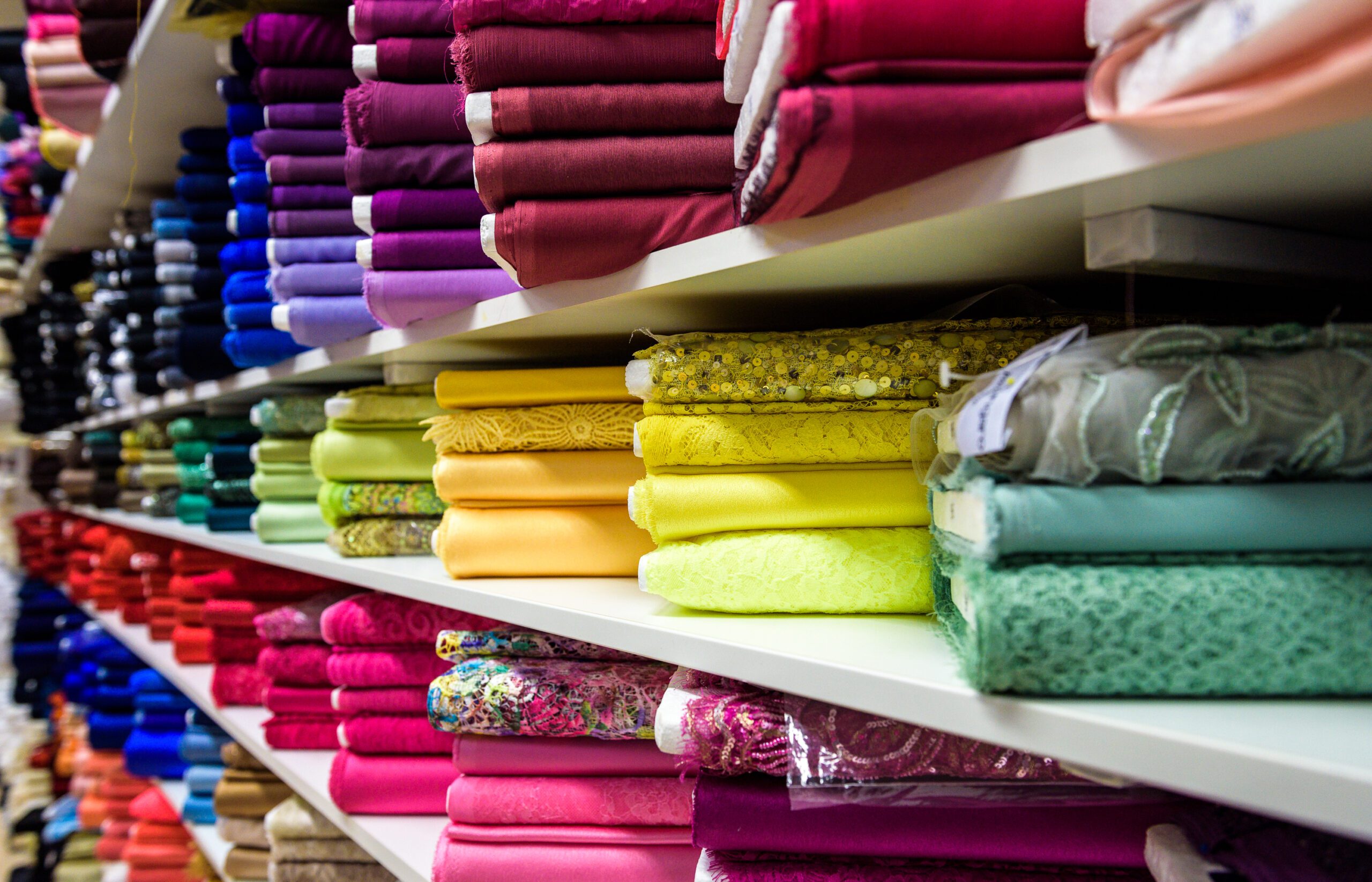
Imagine putting on a shirt that feels like sandpaper against your skin — except no one around you can see or feel what you are experiencing. For millions of people with sensory sensitivities, this is not a minor inconvenience: it is a daily reality that can disrupt mornings, derail school days, and make leaving the house feel overwhelming.
The good news? The clothing industry is finally paying attention. Sensory-friendly fashion has moved well beyond niche specialty catalogs. Today, major retailers and innovative small brands alike are designing clothes that put comfort at the center — and there has never been a better time to know what to look for.
Whether you are shopping for yourself, a child, or a loved one, this guide breaks down what makes clothing sensory-friendly, which fabrics and features matter most, and which brands are leading the way — including some great options just in time for fall.
Who Is Affected by Clothing Sensory Sensitivities?
Sensory sensitivities to clothing affect a significant and growing portion of the population. According to the Centers for Disease Control and Prevention (CDC), 1 in 36 children in the United States is diagnosed with autism spectrum disorder (ASD) as of 2023 — and Autism Speaks reports that up to 90 percent of autistic people experience sensory processing differences, including heightened sensitivity to touch, texture, and clothing. The American Occupational Therapy Association (AOTA) recognizes Sensory Processing Disorder (SPD) as a condition in which the brain struggles to organize sensory input from the environment, including tactile input from fabrics, seams, and tags.
“Up to 90 percent of people with autism have sensory processing differences, and clothing — from fabric to seam placement — can have a significant impact on comfort and participation in daily life.” — Autism Speaks, Sensory Issues Resource
Sensory sensitivities are not limited to autism or SPD. They also affect people with:
- ADHD, where distracting tactile sensations — such as a scratchy tag or tight waistband — can significantly disrupt concentration. According to CHADD (Children and Adults with Attention-Deficit/Hyperactivity Disorder), sensory sensitivity is a commonly reported challenge among people with ADHD, affecting their ability to focus in school, work, and daily activities.
- Fibromyalgia, where heightened nerve sensitivity makes ordinary textures genuinely painful. The National Fibromyalgia Association notes that tactile hypersensitivity is a recognized symptom of fibromyalgia, with many patients reporting that clothing fabrics and seams worsen pain and discomfort.
- Eczema and other skin conditions, where rough or synthetic fabrics aggravate inflammation. The American Academy of Dermatology (AAD) recommends that people with eczema choose soft, breathable fabrics and avoid rough textures, synthetic fibers, and wool, all of which can irritate inflamed skin.
- PTSD, where certain tactile sensations can trigger heightened stress responses tied to sensory memory.
- Dementia, where familiar comfort and ease of dressing become essential to daily dignity and independence.
Sensory sensitivities exist on a wide spectrum. For some people, a scratchy tag is mildly annoying. For others, a seam in the wrong place can make wearing socks impossible or trigger significant distress before the school day has even begun. Occupational therapists — including those certified through the American Occupational Therapy Association (AOTA) — frequently work with individuals and families on sensory strategies, and clothing choices are often a core part of that work.
The Most Common Sensory Irritants in Clothing
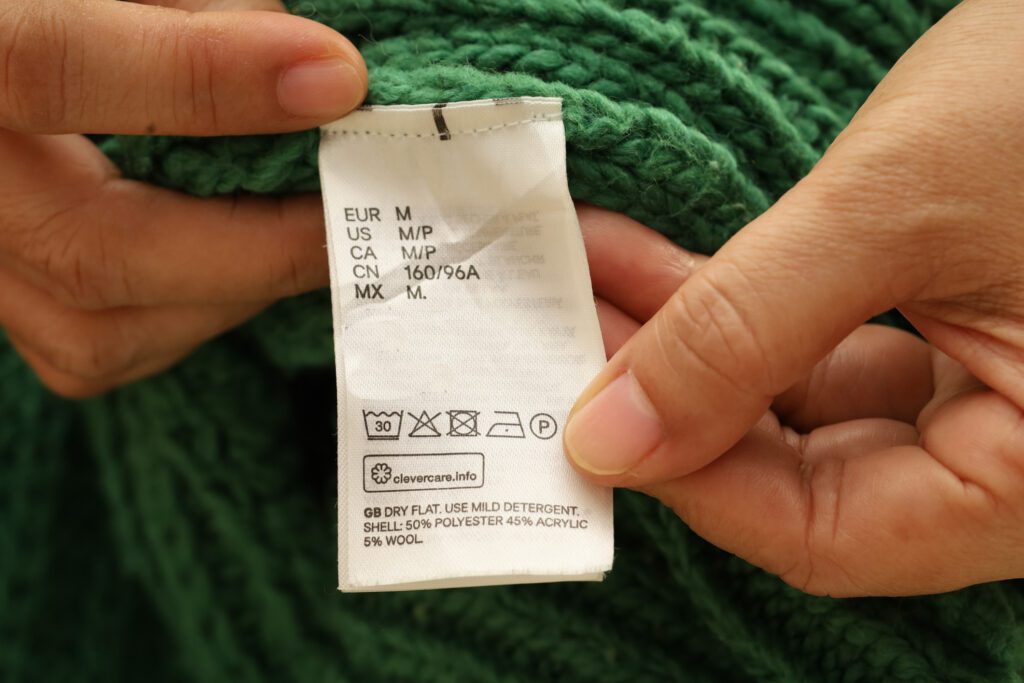
Understanding what causes sensory discomfort is the first step toward eliminating it. The American Occupational Therapy Association (AOTA) and Autism Speaks both identify tactile sensitivity to clothing construction as among the most commonly reported sensory challenges for autistic individuals and people with SPD. The most frequently cited clothing irritants include:
- Seams, especially raised or overlocked seams in socks and the toes of footwear
- Tags and labels, which scratch or press against the skin even when they seem small
- Tight waistbands, particularly narrow elastic waistbands that create constant pressure
- Collars and necklines that feel constricting or touch the throat
- Synthetic fabrics such as polyester and nylon, which can feel rough, create static, or trap heat
- Buttons, snaps, and zippers that press against the body when seated or lying down
- Stiff denim that does not give with movement
Even fabric weight matters: some individuals find heavy fabrics grounding and calming, while others find them overwhelming — a difference that occupational therapists trained in sensory integration can help identify through a formal sensory profile assessment.
“Sensory processing affects how the brain interprets information from the senses — including touch. For many individuals, clothing textures are not merely uncomfortable; they are genuinely disruptive to daily functioning.” — American Occupational Therapy Association (AOTA)
Best Fabrics for Sensory Sensitivity
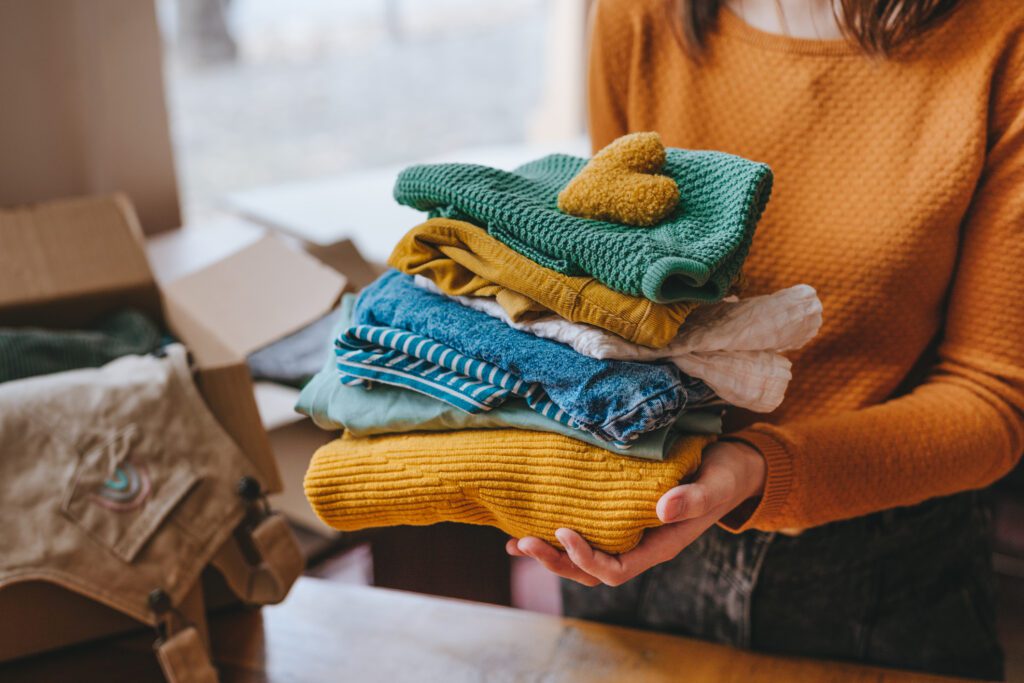
Not all soft fabrics are created equal. The following materials are most frequently recommended by occupational therapists, including those following AOTA guidelines on sensory integration and daily living, as well as by sensory clothing specialists:
- Bamboo fabric: Exceptionally soft, naturally temperature-regulating, and hypoallergenic. Bamboo jersey has become a widely recommended choice for sensory-sensitive children and adults.
- Organic cotton: Free from harsh chemical finishes, organic cotton is breathable and gentle. Look for tightly woven jersey knit styles for maximum softness.
- Modal: A plant-based fabric derived from beech trees, modal is silky-smooth and drapes well without clinging. It resists pilling better than standard cotton.
- Jersey knit: More about construction than fiber, jersey knit stretches in all directions and eliminates the rigidity that makes many garments uncomfortable.
- Merino wool (for some): Ultra-fine merino wool can work well for people who tolerate wool — it regulates temperature, wicks moisture, and is less itchy than standard wool. However, as the American Academy of Dermatology notes, wool of any kind can irritate sensitive skin, so testing before committing is important.
Fabrics to approach with caution include polyester blends, acrylic, and stiff linen, all of which tend to generate more friction against the skin.
What Features Make Clothing Truly Sensory-Friendly?
Fabric alone is not enough. Look for these construction features:
- Tagless labels: Either printed directly onto the fabric or removed entirely. Even small woven tags can be major irritants.
- Flat seams or seamless construction: Flatlock seams lie flat against the skin instead of creating a ridge. Truly seamless garments (knitted in the round) eliminate seams at the most sensitive points, like sock toes.
- Soft, wide waistbands: Broad, non-binding waistbands distribute pressure more evenly than narrow elastic bands.
- Adjustable and magnetic closures: For people who struggle with fine motor tasks or who find metal zippers uncomfortable, magnetic closures and hook-and-loop fasteners can be game-changers.
- Minimal embellishments: Avoid appliques, embroidered patches, and decorative rivets on pockets, all of which add pressure points.
Brands Known for Sensory-Friendly Options
The adaptive and sensory-friendly clothing market has expanded considerably in recent years. The brands below are organized into two categories: specialty sensory and adaptive brands built specifically around comfort-first design, and mainstream retailers that have introduced sensory-friendly or adaptive lines worth knowing about.
Specialty Sensory and Adaptive Brands
Primary (primary.com) is a kids’ basics brand built around tagless, soft, simple clothing in solid colors. Free from logos, scratchy embellishments, and uncomfortable hardware, Primary has become a staple recommendation in many autism and SPD communities.
Kozie Clothes (kozieclothes.com) specializes in sensory-friendly children’s clothing, including compression garments, soft waistbands, and tagless construction — all designed with direct input from families navigating sensory challenges.
SmartKnit (smartknitkids.com) is widely praised for seamless socks and undergarments. Their products use a knitting technique that eliminates toe seams entirely — a breakthrough for children and adults who find standard sock seams unbearable.
City Threads (citythreads.com) offers 100% organic cotton basics for children, designed to avoid the most common sensory irritants. Many of their garments skip buttons, zippers, and snaps in favor of fabric-covered elastic waistbands, and use non-toxic dyes. Made in the United States, City Threads is a trusted option in many sensory and allergy-conscious families.
Fun and Function (funandfunction.com) specializes in therapeutic sensory gear, including weighted hoodies, compression shirts, and seamless undergarments designed to provide calming proprioceptive input. Their products are widely used in occupational therapy settings and recommended by therapists for children and adults with sensory processing differences.
Yoga Jeans (yogajeans.ca) makes flexible stretch denim for adults that moves like activewear, using four-way stretch fabric that avoids the stiff, restrictive feel of traditional denim and eliminates rough interior seam ridges. For people with sensory sensitivities to waistbands and denim texture, Yoga Jeans offers a practical alternative to standard jeans.
Mainstream Retailers with Sensory-Friendly Lines
Tommy Hilfiger Adaptive (usa.tommy.com/en/tommy-adaptive) offers a full line of stylishly designed adaptive clothing for adults, including magnetic button closures, adjustable hems, and sensory-considerate construction — without sacrificing the look of mainstream fashion.
Target Adaptive Clothing (target.com) carries a growing range of accessible and sensory-friendly options for children and adults at accessible price points, making sensory-friendly basics available without a specialty budget.
UNIQLO (uniqlo.com) has developed a loyal following among neurodivergent adults for its AIRism and HEATTECH fabric lines, which feature tagless designs, minimal friction, seamless borders, and smooth fabric blends. While not marketed specifically as adaptive, UNIQLO’s construction standards consistently meet the needs of people with sensory sensitivities, and the brand is frequently recommended in autism and ADHD communities.
JCPenney Thereabouts (jcpenney.com) is JCPenney’s children’s adaptive line offering gender-neutral basics with sensory-friendly seaming, zero tags, hook-and-loop closures, and hidden openings designed to accommodate medical device access. Thereabouts makes adaptive design accessible at everyday retail price points.
Bombas (bombas.com) produces socks featuring smooth hand-linked toe seams that eliminate the hard ridge found in standard sock construction — one of the most frequently cited sensory irritants in footwear. Their seamless woven t-shirts for adults and children apply the same seam-eliminating approach to everyday basics.
BILLY Footwear (billyfootwear.com) makes adaptive footwear for children and adults using FlipTop zipper technology that allows the shoe to open completely flat, so the foot can be placed in without any bending or manipulation. This design bypasses lace-tying dexterity challenges and accommodates orthotics, making it a practical option for people with physical disabilities alongside those with tactile sensitivities to tight or rigid footwear.
Fall-Specific Sensory Clothing Tips
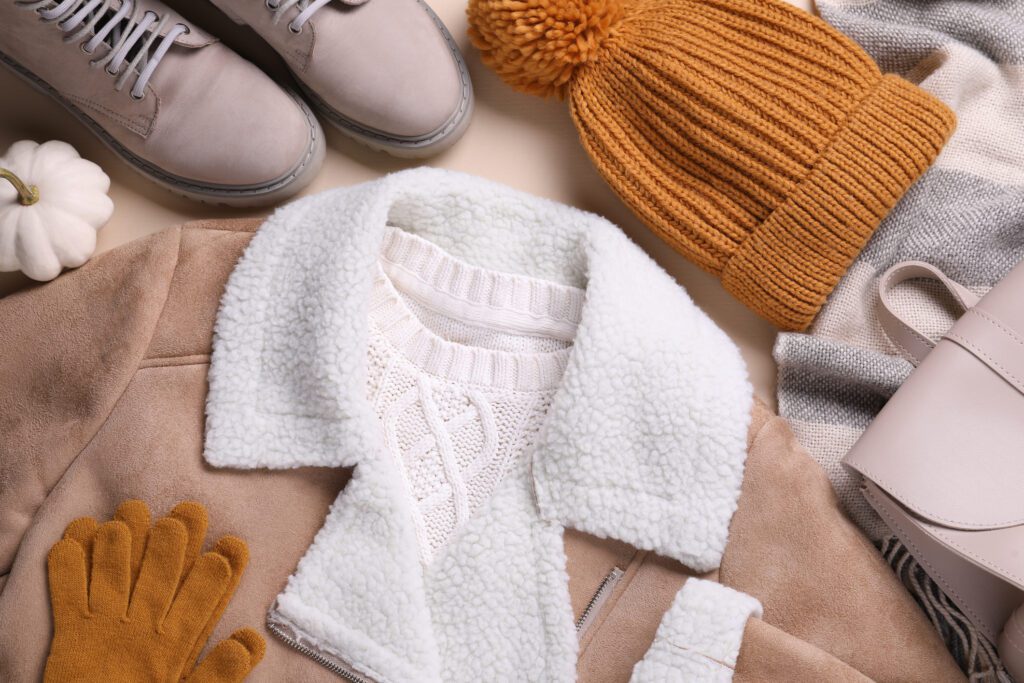
Fall introduces new sensory challenges: layering, heavier fabrics, and outerwear that may feel restrictive. Here are strategies that help:
- Layer with jersey-knit base layers before adding sweaters or fleece, so the outermost layer never touches the skin directly.
- Choose fleece with a smooth interior lining rather than exposed plush fleece against the skin, which can feel overwhelming for some.
- Look for hoodies with fabric-covered drawstrings rather than plastic or metal tips that can press uncomfortably.
- Test outerwear for collar sensations — many people with sensory sensitivities find turtlenecks or high collars difficult in fall and winter.
- Opt for slip-on or elastic-closure shoes to avoid the pressure of tight lacing against the foot.
Shopping Smart: Kids vs. Adults
For children, sensory clothing decisions often involve caregivers. Letting a child participate in choosing fabrics and styles — even at a young age — builds autonomy and helps identify what works. Occupational therapists can conduct formal sensory profiles, guided by AOTA standards, that provide personalized guidance on clothing choices.
For adults, sensory sensitivities are sometimes newly recognized later in life, particularly following autism or ADHD diagnoses in adulthood. CHADD notes that adults with ADHD frequently describe sensory discomfort as an under-recognized challenge that affects productivity and daily comfort (chadd.org). Do not underestimate the quality-of-life difference that one well-fitting, soft garment can make. Many adults find it worthwhile to gradually replace problematic items rather than attempting a complete wardrobe overhaul at once.
For both groups, look for generous return policies before purchasing specialty items, and when possible, feel fabric samples or request swatches before ordering online.
Sensory-Friendly Shopping Checklist
Before you buy, ask:
- ☐ Is the fabric natural or bamboo-based?
- ☐ Are seams flat, hidden, or seamless?
- ☐ Is the label printed (not sewn-in)?
- ☐ Is the waistband wide and soft, not narrow elastic?
- ☐ Are closures easy and pressure-free?
- ☐ Does the retailer have a flexible return policy?
- ☐ Has the fabric been washed to soften it before wearing?
Tip: Washing new clothing two or three times before the first wear can reduce stiffness and remove chemical finishes that increase sensory irritation.
Finding clothing that truly fits — not just in size, but in comfort — can make a meaningful difference every single day. Start by identifying the one or two sensory irritants that affect you or your family member most, and look for brands and features that specifically address them. If you found this guide helpful, explore more adaptive fashion and daily living resources right here at AmeriDisability.com.
