
Artificial intelligence is no longer a concept from science fiction. It is already in our phones, our homes, our doctors’ offices, and our workplaces — and for millions of people with disabilities, seniors, caregivers, and families navigating the healthcare and disability services landscape, AI is increasingly shaping what independent, accessible daily life looks like in 2026.
For some, that looks like a Starkey Omega AI hearing aid that adapts automatically to noise in a crowded restaurant. For others, it means a Neuralink brain-computer interface that allows a person with paralysis to type by thinking about moving their fingers. For a caregiver supporting an aging parent with Alzheimer’s, it might be ElliQ — the AI companion robot from Intuition Robotics that keeps their loved one engaged and sends daily wellbeing updates. And for a student with dyslexia, it could be Texthelp Read&Write— an AI-powered tool that reads text aloud and lets them engage with schoolwork on their own terms.
The promise of AI for disability is real — and so are the risks. Algorithmic bias, the digital divide, privacy concerns, and the systemic exclusion of people with disabilities from AI development all deserve attention alongside the breakthroughs. This guide covers where AI stands in 2026: the specific products and companies, the legislation, the pros, the cons, and the resources you need to stay informed and protected
What Artificial Intelligence Means for the Disability Community
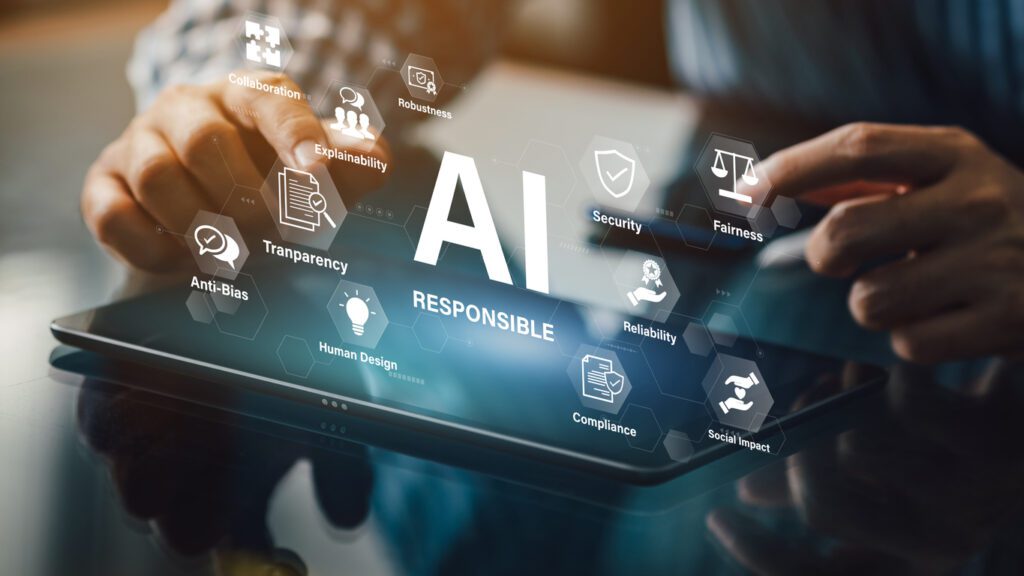
Artificial intelligence refers to computer systems that can perform tasks that typically require human intelligence — recognizing speech, interpreting images, understanding language, and making decisions based on data. When applied to disability and accessibility, AI powers a growing range of tools that reduce barriers, support communication, improve independence, and provide caregiving assistance at scale.
According to the World Health Organization, more than 1.3 billion people globally live with some form of disability. In the United States, approximately one in four adults has a disability. As AI-powered tools become more capable and widely available, they carry significant potential to address gaps in assistive technology, healthcare access, employment support, and daily living — areas where people with disabilities have historically faced systemic barriers.
But the disability community is not a monolith. “Disability” covers an enormous range of experiences — physical, sensory, cognitive, psychiatric, chronic illness, and more. What serves one person may not serve another. And critically, people with disabilities have often been excluded from the design and development of the very technologies created in their name — a gap with real consequences, explored in the section on risks below
AI Products and Tools Making a Difference in 2026
The following sections identify specific AI-powered products and companies active in 2026. These are provided for informational purposes and are not endorsements. Product quality, availability, and cost vary. Readers are encouraged to consult with an assistive technology specialist, occupational therapist, or rehabilitation engineer before purchasing
For People Who Are Blind or Have Low Vision
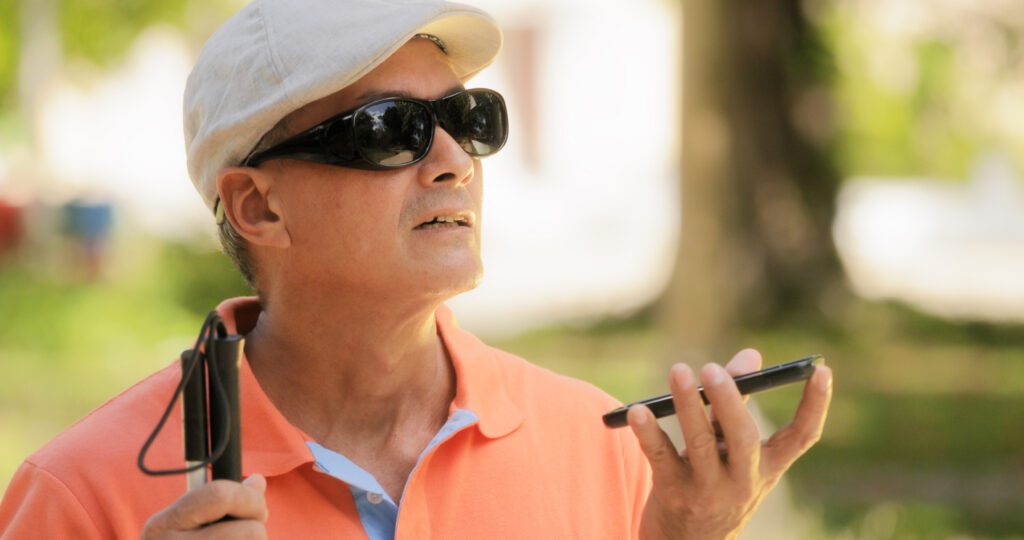
Microsoft Seeing AI (free; iOS and Android) translates the visual world into audio — reading text from documents, signs, and handwriting; describing scenes and people; identifying currency and products via barcode scan; and recognizing faces. In 2026, Seeing AI has expanded its language support and incorporated large language model capabilities for richer scene descriptions.
Be My Eyes (free; iOS and Android) connects users who are blind or have low vision with sighted volunteers via video call, and now integrates an AI-powered visual assistant for instant object and text recognition — including screenshots and app interfaces — without waiting for a volunteer.
AI-enabled smart glasses are a fast-growing category. OrCam MyEye is a camera that clips onto any glasses frame and whispers real-time text reading, face recognition, and product identification into a wireless earpiece. Envision Glasses and iSee AI Glasses offer similar AI-powered, hands-free visual assistance. Google partnered with Samsung to launch AI audio glasses in 2026 featuring turn-by-turn navigation, voice interaction, and Gemini AI integration.
Apple’s Personal Voice tool (iOS 17 and later) allows people at risk of losing their speech — such as those diagnosed with ALS — to create a personalized synthetic voice using their own recordings before they lose the ability to speak. AI-powered VoiceOver enhancements provide real-time scene understanding and image descriptions.
BlindSquare (iOS) is an AI-powered GPS and navigation app that announces nearby points of interest, intersections, and accessible route options through audio — designed specifically for people who are blind. Aira connects users with trained remote agents via smartphone camera for real-time visual assistance and navigation support (subscription service)
For People Who Are Deaf or Hard of Hearing
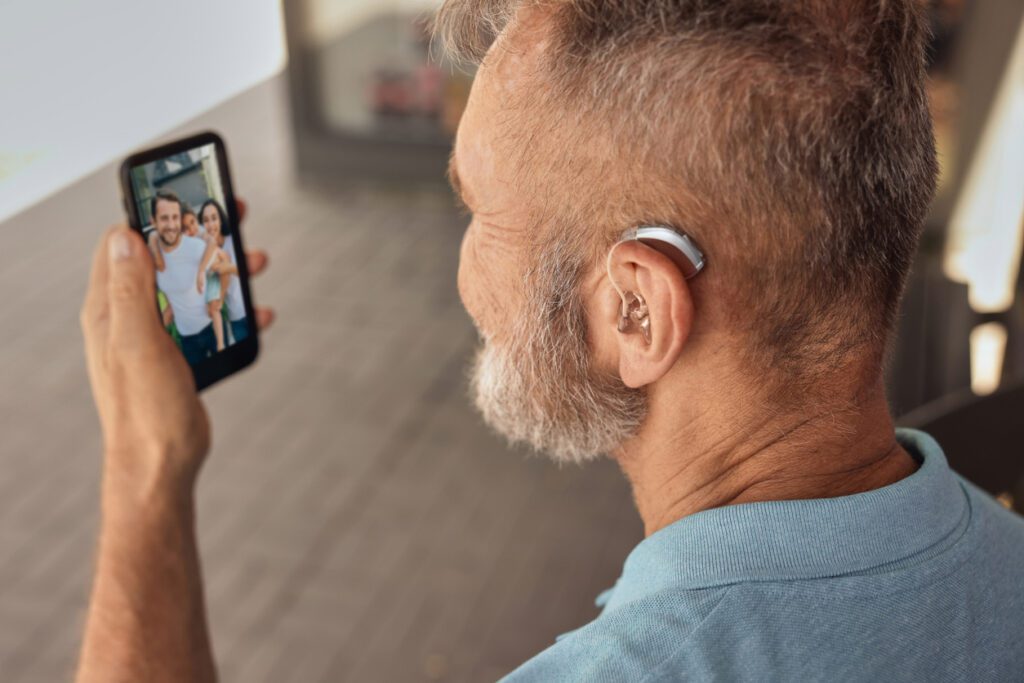
AI hearing aids have advanced dramatically in 2026, with several manufacturers leading the field:
Starkey Omega AI is widely regarded as a top-tier prescription hearing aid in 2026, offering 51 hours of battery life per charge, AI-powered speech-in-noise processing, fall detection alerts, and medication reminders through the Thrive Hearing Control App. Starkey is a U.S.-based company headquartered in Eden Prairie, Minnesota.
Phonak Audéo Infinio Sphere uses real-time AI processing to separate speech from background noise — one of only two hearing devices in 2026 to use on-device AI for this purpose. Phonak is a Swiss company whose Sphere Infinio platform processes sound through a dedicated AI chip.
Oticon Intent uses second-generation Deep Neural Network (DNN 2.0) technology trained on more than 12 million sound inputs. Oticon claims the Intent provides access to 35% more speech cues compared to earlier models by adapting to the listening environment in real time.
Widex MOMENT uses ZeroDelay and PureSound AI technologies that adapt to new acoustic environments in real time, reducing the artificial sound quality some users find distracting with other digital hearing devices.
ReSound Nexia and Jabra Enhance Plus (connected to the same parent company, GN Audio) offer over the counter and prescription AI hearing options with app-based customization — an important accessibility feature for people in rural areas or those with transportation barriers to clinic visits.
For real-time captioning and transcription, several AI-powered tools serve people who are Deaf or hard of hearing:
Google Live Transcribe (free; Android) converts spoken conversation to on-screen text in real time, handling background noise well and visualizing non-speech sounds. Otter.ai offers AI-powered meeting transcription and live captions for Zoom, Google Meet, and Microsoft Teams — automatically joining calls, capturing speaker-identified transcripts, and generating searchable post-meeting summaries. Verbit uses a hybrid AI-plus-human-editor workflow to deliver up to 99% accuracy for high-stakes settings like courtrooms and higher education. Sonix and Notta.ai are additional AI transcription platforms with multilingual support and speaker identification.
Sign language AI is an active and growing field. Signapse offers SignStudio — a platform that generates ASL and British Sign Language translations using AI digital signers, currently used in transportation hubs and website accessibility. Sorenson Communications is developing AI-powered ASL translation as a complement to its established video relay services. Kara Technologies provides AI sign language translation for businesses, governments, and social service agencies. signfordeaf makes website content and PDFs clickable for instant sign language translation. SignAvatar / TransportSign provides live paging and public announcements in sign language within 3–4 seconds in 30+ languages
For People with Communication and Speech Disabilities
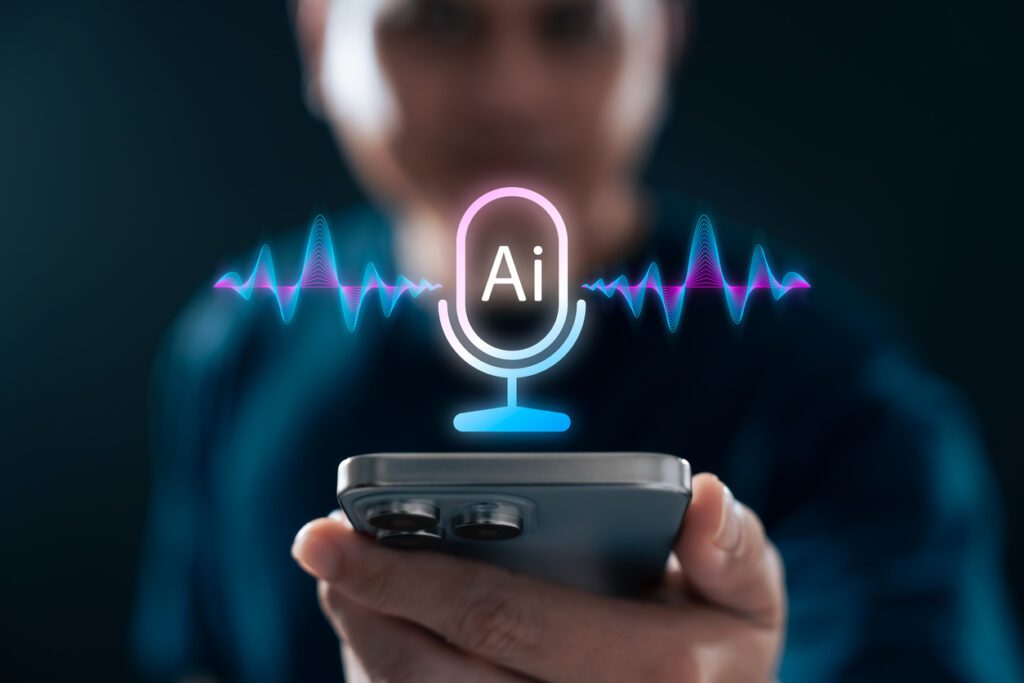
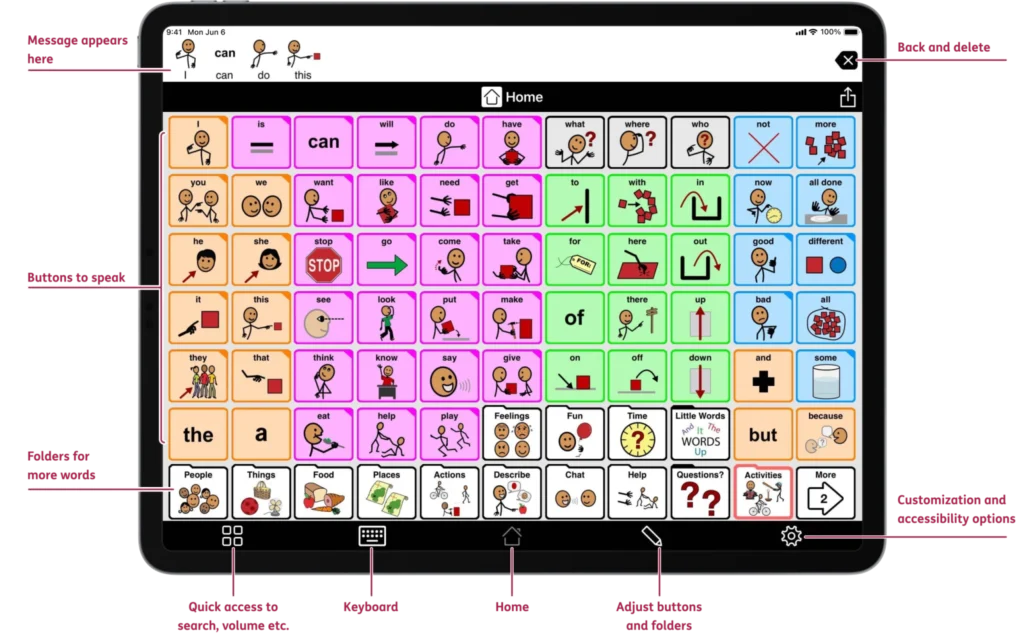
Augmentative and alternative communication (AAC) has been transformed by AI. Leading AAC companies include Tobii Dynavox, Prentke Romich Company (PRC-Saltillo), and AssistiveWare (makers of Proloquo2Go for iOS). These platforms now incorporate AI-driven word prediction, contextual symbol selection, and gaze-tracking input for people who cannot use their hands.
Microsoft has partnered with Team Gleason to offer voice banking technology through its Personal Voice and Azure Custom Neural Voice platform — allowing people to record their voice before they lose the ability to speak, then use an AI-generated replica with their AAC device. VocaliD and ModelTalker offer similar custom voice banking services for individuals.
Dragon by Nuance (formerly Dragon NaturallySpeaking) remains one of the most widely used AI-powered speech recognition tools for people who use voice to control their computers and dictate text. Now owned by Microsoft, Dragon Professional and Dragon Medical are standard accommodation tools for people with physical disabilities and for healthcare practitioners.
For People with Physical and Mobility Disabilities
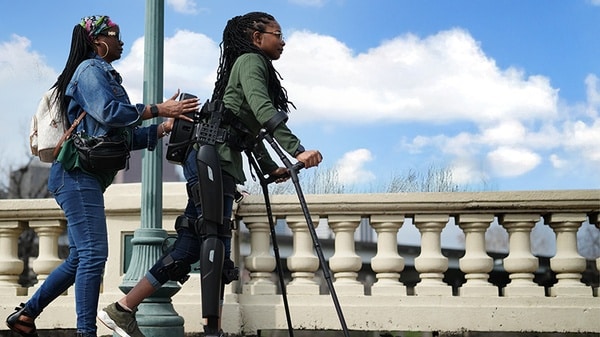
AI-powered exoskeletons and robotic mobility devices represent one of the fastest-growing segments of disability technology:
Ekso Bionics launched its AI-enabled EksoNR rehabilitation exoskeleton in March 2026, integrating adaptive gait training algorithms that adjust assistance levels in real time based on the user’s movement patterns. Used in rehabilitation hospitals for people recovering from stroke or spinal cord injury.
ReWalk (made by Lifeward Ltd.) is an FDA-cleared powered exoskeleton that allows people with spinal cord injuries to stand, walk, and climb stairs. Cyberdyne’s HAL (Hybrid Assistive Limb) system is used in rehabilitation settings in Japan and Germany, using bioelectrical signals from the user’s skin to detect intended movement.
Ottobock makes AI-powered prosthetics including the Genium X3 knee prosthesis and the Michelangelo hand — devices that analyze gait, terrain, and intended movement to adjust in real time. German Bionic‘s Exia exoskeleton provides AI-driven adaptive lift assistance, adjusting dynamically to reduce physical strain.
Voice-activated smart home systems from Amazon Alexa, Google Home / Nest, and Apple HomePod / Siri allow hands-free control of lights, locks, thermostats, and appliances. Samsung SmartThings and Control4 are broader home automation platforms configurable for comprehensive hands-free control.
For accessible navigation: Aira connects users with trained remote agents for real-time navigation support. Wheelmap is a community-sourced app rating the wheelchair accessibility of public places worldwide. Access Now is a global accessibility map app where people with disabilities can find and contribute accessibility information. Google Maps Accessible Places surfaces detailed wheelchair accessibility information for venues
For People with Cognitive and Learning Disabilities

Texthelp Read&Write (available for Windows, Mac, iOS, Android, and as a Chrome extension) is one of the most widely used AI tools for people with dyslexia, ADHD, and other learning disabilities. It reads text aloud while highlighting words, simplifies vocabulary, supports writing with word prediction, and generates audio files from written documents. Schools and universities across the United States use Read&Write as a standard accommodation tool.
Kurzweil 3000 offers high-quality text-to-speech that reads both digital and scanned print, with built-in highlighting, note-taking, and study support tools. Widely used in K–12 special education and post-secondary disability services offices.
Natural Reader and Voice Dream Reader convert documents, web pages, and e-books into audio using natural AI voices. Microsoft Immersive Reader — built into Word, OneNote, and many educational platforms — supports reading fluency through text spacing, syllable highlighting, and read-aloud features.
Generative AI platforms including Microsoft Copilot, OpenAI ChatGPT, Google Gemini, and Anthropic’s Claude serve as on-demand cognitive support tools — simplifying complex text, organizing thoughts before writing, breaking down multi-step tasks, and providing patient explanations without social judgment.
Notion AI is widely used by neurodivergent adults for task management, note organization, and meeting summaries. Otter.ai provides automatic meeting notes, reducing the cognitive load of simultaneously listening and writing — a significant accommodation for people with ADHD or processing disorders.
For Autistic People and Those with Neurodevelopmental Disabilities
Floreo is a VR learning platform designed for autistic individuals, using immersive environments to teach social communication skills, emotional regulation, and daily living skills through structured, repeatable scenarios. Funded in part by the National Institute of Mental Health (NIMH), Floreo provides AI-generated feedback and caregiver dashboards to track progress.
Brain.fm is an AI-generated audio platform that creates structured, non-lyrical soundscapes designed to support sustained attention and reduce distraction — widely used by people with ADHD and autism as a focus support tool. Microsoft Copilot is being used by neurodivergent professionals to manage cognitive load, organize communication, and prepare for social situations like meetings and interviews.
AAC tools like Proloquo2Go (AssistiveWare), TouchChat, and Snap Core First (Tobii Dynavox) support communication for non-speaking or minimally speaking autistic people, with AI-driven word prediction that adapts to each user over time
For People with Psychiatric and Mental Health Disabilities
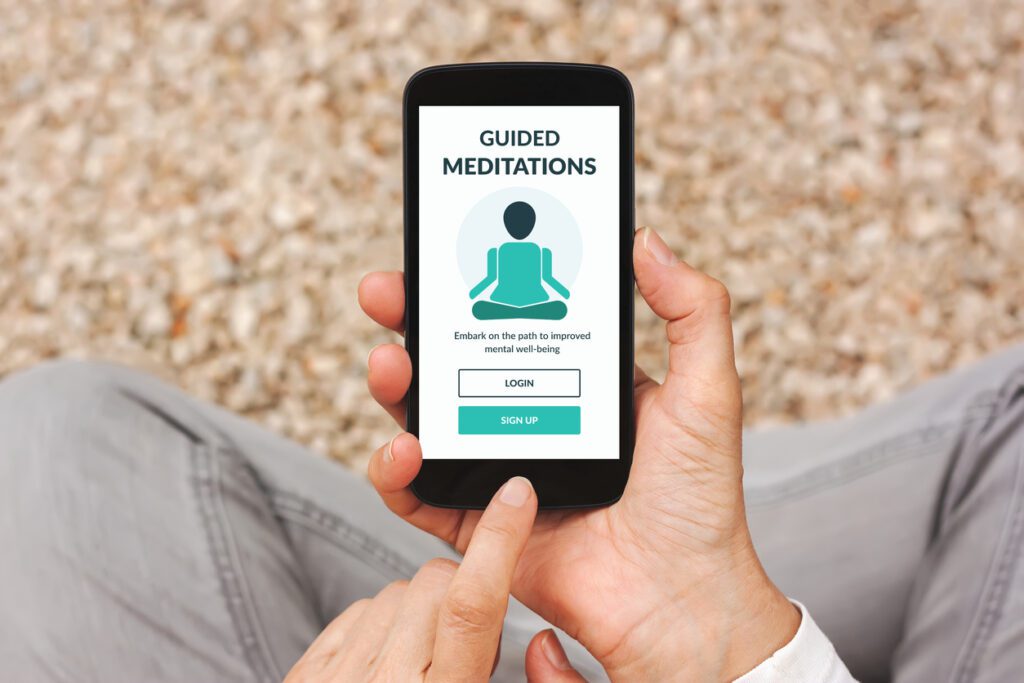
AI-powered mental health apps have expanded rapidly, though the landscape includes both promising tools and important cautions:
Wysa is an AI mental health chatbot with FDA Breakthrough Device Designation — meaning the FDA has recognized its potential to provide effective treatment for a serious condition. Backed by more than 45 peer-reviewed studies, Wysa uses CBT, DBT, and mindfulness techniques. Available to individuals and through employer wellness programs.
Headspace has expanded beyond meditation to offer an interactive AI mental health chatbot called Ebb, developed with clinical psychologists. Calm remains focused on mindfulness and sleep. Both are useful stress reduction tools but are not designed for clinical mental health conditions.
Earkick and Youper are AI-powered mood tracking and CBT-based mental health apps for daily emotional check-ins and anxiety management. Spring Health and Lyra Health are employer-focused platforms using AI to match employees — including those with disabilities — to the right level of mental health care.
The VA’s PTSD Coach app (free; iOS and Android) provides self-management tools, psychoeducation, and crisis resources specifically for people with PTSD — available for both veterans and civilians.
Critical caution: AI mental health tools must not replace professional care, particularly for people in crisis. No AI therapy app is FDA-cleared for treating a psychiatric condition. Anyone experiencing a mental health crisis should contact the 988 Suicide & Crisis Lifeline by calling or texting 988, or contact SAMHSA’s National Helpline at 1-800-662-4357
Brain-Computer Interfaces: The Frontier of AI and Disability
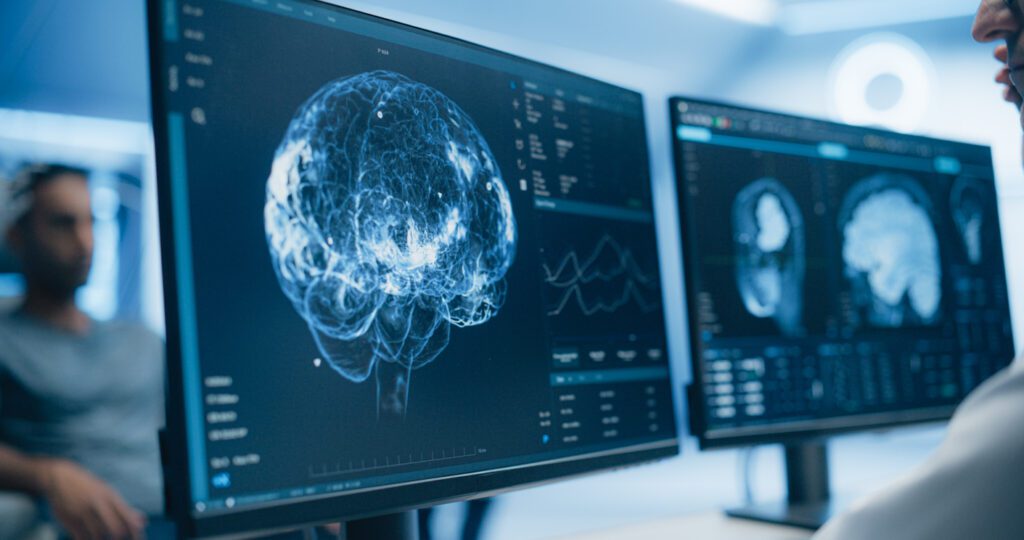
Brain-computer interfaces (BCIs) are devices that read neural signals from the brain and translate them into commands for computers, communication systems, or robotic limbs — representing some of the most dramatic AI-driven developments of 2026.
Neuralink, the company co-founded by Elon Musk, had 21 participants enrolled in its PRIME clinical trial as of early 2026. Participants have used the implanted N1 chip to control computer cursors, play video games, and communicate — all through thought alone. In March 2026, a landmark study documented two people with paralysis typing on a virtual keyboard via BCI, with one participant reaching up to 80% of the typing speed of a nondisabled person.
Synchron is a competing BCI company whose Stentrode device is implanted via a minimally invasive procedure through the blood vessels — without requiring open brain surgery. Synchron has FDA-approved clinical trial participants in the United States and Australia. BrainGate is a research consortium involving Brown University, Massachusetts General Hospital, and the VA that has run clinical BCI trials for over two decades, with participants achieving cursor control, robotic arm movement, and communication.
China approved its first brain implant for broad commercial use in 2025 — the first country to do so at a national regulatory level.
Non-invasive BCI devices use EEG headsets rather than implanted chips. Companies including Emotiv, Neurosity, and OpenBCI produce non-invasive BCI hardware available for purchase today by consumers and researchers — less precise than implanted systems, but with no surgical risk.
BCIs raise critical ethical questions: neural data is among the most sensitive personal data imaginable; informed consent for experimental implants is complex; long-term safety is not yet established; and if these technologies remain available only through clinical trials or at prohibitive cost, their benefits will be limited to a small number of people
AI in Caregiving and Senior Care
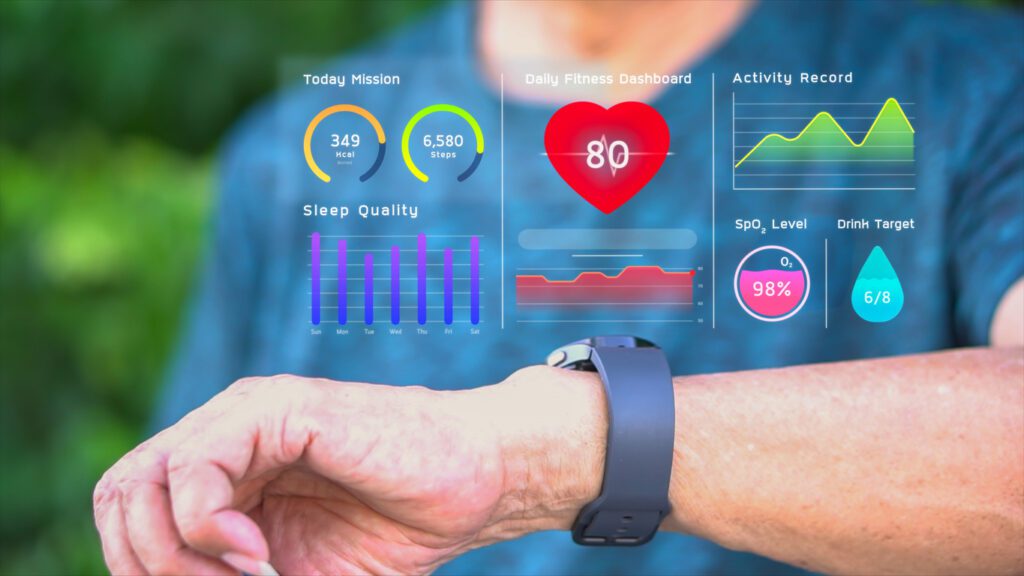
For the approximately 53 million unpaid caregivers in the United States, AI is beginning to offer tools that reduce the burden of caregiving while improving safety and quality of support.
ElliQ by Intuition Robotics is an AI-powered companion device designed specifically for older adults living alone. ElliQ holds proactive conversations, checks in on mood, suggests activities, plays music, facilitates video calls with family, provides health reminders, and sends updates to the caregiver app. A New York State Office for the Aging pilot found 94% of users felt less lonely, averaging more than 30 daily interactions. CareYaya’s QuikTok uses a large language model accessible by regular telephone — no smartphone required — to hold voice conversations with older adults and flag signs of cognitive or mental health changes to families.
Remote patient monitoring (RPM) systems track vital signs in real time and alert caregivers or providers when readings fall outside normal ranges. Current Health (acquired by Best Buy Health) and Biofourmis offer AI-powered RPM platforms used in home health and hospital-at-home settings. Apple Watch with the Health app provides consumer-grade monitoring including heart rate irregularity detection, blood oxygen, and fall detection. Amazon Halo Rise monitors sleep quality using AI without requiring a wearable device.
For medication management: Hero is a smart pill dispenser with an integrated app and 24/7 support that holds up to 90 days of up to 10 different medications, dispensing the correct dose at the correct time and alerting caregivers when a dose is missed. MedMinderprovides a cellular-connected automatic pill dispenser with caregiver alerts and pharmacy integration. Pillo combines medication management with a conversational AI companion that also answers general questions and provides reminders.
Smart home safety monitoring: Best Buy’s Lively (formerly GreatCall), and Google Nest Hub’s Sleep Sensing are used by families to maintain safety awareness for aging loved ones without intrusive camera-based monitoring.
The U.S. Administration for Community Living (ACL) launched a Caregiver AI Prize Competition calling on innovators to develop tools that address caregiver burnout and strengthen home and community care
AI in Healthcare and Rehabilitation
Diagnostic AI tools are helping identify conditions earlier. Google Health’s AI models have demonstrated performance matching or exceeding radiologists in detecting diabetic retinopathy from retinal scans. Tempus AI analyzes genomic and clinical data to support cancer diagnosis and treatment decisions. Epic Systems — the largest electronic health record company in the United States — has integrated AI-driven clinical decision support tools used by the hospitals and health systems that treat most Americans.
In rehabilitation, MindMaze uses AI and virtual reality to support neurological rehabilitation after stroke and traumatic brain injury. Hinge Health offers AI-guided physical therapy for musculoskeletal conditions through a digital platform with home motion sensors. Reflexion Health and Kinesics offer AI movement analysis for rehabilitation, tracking patient progress and adjusting protocols without requiring in-person visits.
Major telehealth providers including Teladoc Health, MDLive, and Amazon Clinic are integrating AI into triage, symptom assessment, and care coordination — reducing barriers for people with disabilities who face transportation challenges or live in rural areas.
However, healthcare AI carries critical risks for the disability community. If AI systems are trained on data that underrepresents people with disabilities, those tools may perform poorly or cause harm when applied to those populations. Ableist assumptions embedded in medical training data — including assumptions about quality of life and functional capacity — can be amplified by AI at scale. Disability advocates have raised specific concerns about AI-driven Medicaid prior authorization algorithms that may deny care without adequate individual assessment.
AI in Employment: Opportunity and Serious Risk
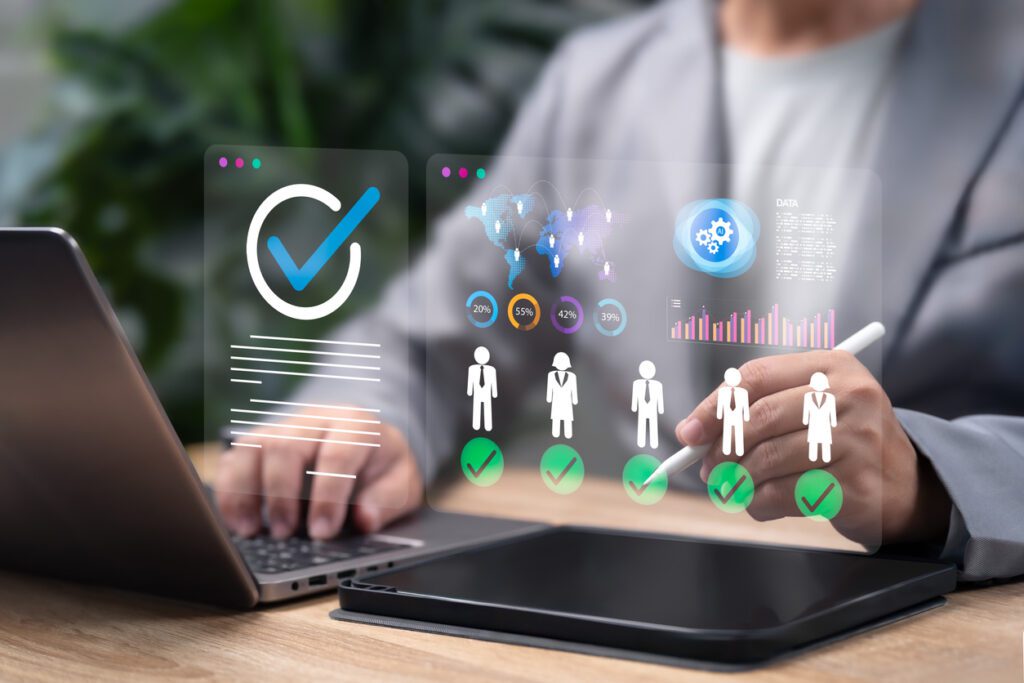
AI tools help many people with disabilities perform jobs more effectively. Dragon by Nuance enables voice-controlled computing. Microsoft Copilot and similar AI writing assistants reduce professional communication effort. Remote work tools like Zoom, Microsoft Teams, and Slack with AI-powered features have opened employment opportunities for people who cannot commute or who need flexible schedules.
On the risk side, AI hiring tools pose documented concerns for applicants with disabilities. HireVue, Pymetrics, (acquired by Harver), and Modern Hire are AI hiring platforms whose video analysis and behavioral assessments may systematically screen out candidates based on disability-related characteristics — including facial differences, atypical speech patterns, or cognitive processing styles that differ from the norm the systems were trained on. Penn State University researchers found that trained AI models exhibit learned disability bias even without explicit programming to discriminate.
Under the ADA and Section 503 of the Rehabilitation Act, employers cannot use automated employment tools that screen out individuals based on disability-related traits. The EEOC has issued guidance confirming the ADA applies to AI-driven hiring systems. The Job Accommodation Network (JAN) at askjan.org offers free expert guidance on navigating AI in the workplace and requesting accommodations
Current Legislation, Initiatives, and Policy: What You Need to Know in 2026
ADA Title II Digital Accessibility Rule
In April 2024, the U.S. Department of Justice published a final rule updating Title II of the ADA to require digital accessibility from state and local governments, adopting Web Content Accessibility Guidelines (WCAG) 2.1 Level AA as the legal standard for government websites, apps, and digital services.
Compliance deadlines have been extended. As of April 2026, the DOJ extended the deadline for state and local government entities serving populations of 50,000 or more to April 26, 2027. Smaller entities have until April 26, 2028. Monitor updates at ADA.govand the ADA National Network.
White House National Policy Framework for AI — March 2026
In March 2026, the White House released its National Policy Framework for Artificial Intelligence, outlining legislative recommendations for a unified federal approach to AI regulation. Disability rights organizations — including the National Council on Disability (NCD), Disability Rights Advocates, and the American Association of People with Disabilities (AAPD) — are calling on Congress to include explicit disability protections: mandatory bias audits, accessibility requirements for AI-generated content, and meaningful inclusion of people with disabilities in AI development and governance.
European AI Act — Global Implications for U.S. Consumers
The EU’s Artificial Intelligence Act entered into force in August 2024, with most provisions taking effect in August 2026. It is the world’s first comprehensive AI legal framework, requiring transparency, human oversight, and bias mitigation for high-risk AI systems — including those used in employment, healthcare, and essential services. Technology companies operating globally, including Microsoft, Google, Apple, and Amazon, must comply with EU standards — which may raise the floor for AI accountability across all users, including Americans with disabilities.
Microsoft AI for Accessibility Initiative
Microsoft’sAI for Accessibility initiative is a multi-year, $25 million grant program funding nonprofits, universities, and research organizations developing AI-powered disability solutions. At its May 2026 Ability Summit, Microsoft showcased new accessibility features across Copilot, Teams, Seeing AI, and Windows, including expanded Braille support, custom voice creation for people with ALS, and improved Narrator capabilities
Google and Apple Accessibility Commitments in 2026
Google introduced Natively Adaptive Interfaces (NAI) — a framework for AI-driven apps that automatically adapt to individual user accessibility needs. Apple announced at GAAD 2026 new developer tools for building accessible AI-powered applications, including frameworks for generating accessible image descriptions and expanding Personal Voice to more languages
The Pros and Cons of AI for the Disability Community
The Promise: What AI Is Getting Right
Greater independence. Tools like Microsoft Seeing AI, OrCam MyEye, Texthelp Read&Write, Dragon by Nuance, and smart home systems from Amazon, Google, and Apple are enabling people with a wide range of disabilities to navigate daily life with less reliance on other people.
Scalability. A well-designed AI tool — like Wysa’s CBT-based mental health chatbot or Starkey’s Omega AI hearing aid — can serve millions of users simultaneously without the workforce constraints that limit human-provided services.
Personalization. AI systems like Oticon Intent’s DNN 2.0 and ElliQ’s caregiver platform learn individual patterns and preferences over time, offering more tailored support than one-size-fits-all solutions.
Caregiver support. Hero and MedMinder reduce medication error risk, while ElliQ and remote monitoring platforms reduce the burden on family caregivers while improving safety for the people they support.
Breaking new ground. Brain-computer interfaces from Neuralink, Synchron, and BrainGate are enabling communication and control capabilities that were simply not possible a decade ago for people with the most severe physical disabilities.
“AI has the potential to be one of the most powerful tools the disability community has ever had — or one of the most powerful tools used against it. The difference will depend entirely on whether people with disabilities are in the room when these technologies are designed, regulated, and deployed.” — Disability Rights Advocates, Policy Brief on AI and Disability, 2025
The Concerns: What the Disability Community Is Watching
Algorithmic bias and discrimination. Penn State University research consistently shows that AI systems inherit and amplify biases in training data. AI hiring tools like HireVue, diagnostic systems, and benefits algorithms may produce discriminatory outcomes for people with disabilities — outcomes that are often harder to detect and challenge than in human-led processes.
Exclusion from design. People with disabilities are rarely meaningfully included in building the AI tools created for them. The principle of “Nothing About Us Without Us” must apply to AI development, testing, and governance.
The digital divide. AI tools generally require reliable internet access, compatible devices, and digital literacy. For people with disabilities who live in rural areas, experience poverty, or have limited technology experience, the benefits of AI remain out of reach. As AI becomes more central to healthcare, employment, and public services, those who cannot access it risk falling further behind.
Privacy and data security. AI caregiving, monitoring, and health tools collect highly sensitive personal data. The Cerebral telehealth company’s 2023 disclosure that it shared patient data with advertising platforms is a cautionary example. Neural data from BCIs like Neuralink’s implanted devices is among the most sensitive personal data imaginable and requires robust legal protection.
Accuracy and reliability. No AI system is 100% accurate, and errors in high-stakes contexts — medical diagnosis, safety monitoring, AI-generated captions during critical communications — can have serious consequences. Technology companies must communicate limitations transparently.
Cost and insurance coverage. Many promising AI tools — from Starkey Omega AI hearing aids to Ekso Bionics exoskeletons — carry significant cost. Medicare and Medicaid coverage policies have not kept pace with technology development, and cost remains one of the most persistent barriers to equitable access.
What to Watch for in the Rest of 2026 and Beyond
Federal AI legislation: Watch for bills addressing algorithmic bias, data privacy, and accessibility. Follow updates from the National Council on Disability (ncd.gov), Disability Rights Advocates (dralegal.org), and the American Association of People with Disabilities (aapd.com).
BCI expansion: Neuralink, Synchron, and BrainGate are expected to report significant new trial findings in late 2026 and 2027. Insurance coverage, surgical standards, and data rights will become urgent policy issues.
WCAG 3.0: The next version of the Web Content Accessibility Guidelines — tracked at W3C — is in development and will significantly update how digital accessibility is measured, with implications for AI-generated content.
Robotics and personal assistance: AI-powered personal assistance robots from Labrador Systems and Diligent Robotics are moving closer to home deployment for people with significant physical disabilities
AI is moving fast — and so must the conversation about who benefits, who is protected, and who is left behind. Visit AmeriDisability.com’s Technology section for ongoing coverage of AI tools, digital accessibility updates, and disability policy. And if you have experience — positive or negative — with an AI tool as a person with a disability, caregiver, or practitioner, share your story. Follow updates at National Council on Disability, ADA National Network, and the Administration for Community Living.
Note: Products mentioned in this guide are not paid placements.