

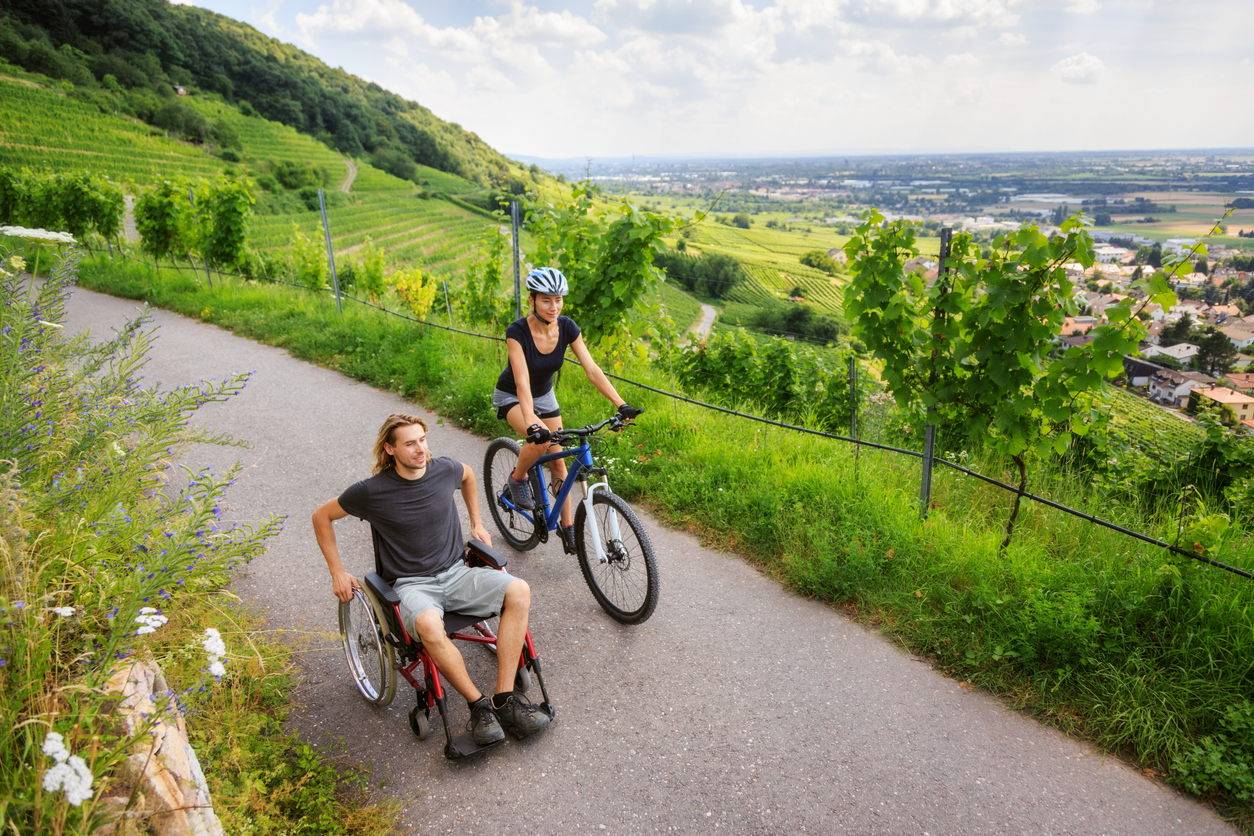
Summer is the season of cookouts, beach trips, camping under the stars, and long afternoons at the local pool. For millions of Americans with disabilities, those same experiences are absolutely within reach — with the right planning, the right programs, and a growing network of accessible spaces designed to welcome everyone.
From adaptive kayaking on a mountain lake to sensory-friendly movie nights in the park, the landscape of accessible summer activities has expanded dramatically in recent years. Cities, national parks, community recreation centers, and nonprofit organizations across the United States are investing in programs that serve people with physical, cognitive, sensory, and psychiatric disabilities — across every age group.
Whether you are a parent looking for summer camps that accommodate your child’s needs, an adult exploring adaptive sports for the first time, or a senior wanting to stay active and connected, this guide is your starting point. Summer belongs to everyone. Here is how to make the most of it
Why Accessible Recreation Matters
Recreation is not a luxury — it is a fundamental part of health, community connection, and quality of life. Research consistently shows that physical activity reduces the risk of chronic illness, supports mental health, and promotes social inclusion. Yet people with disabilities remain significantly underrepresented in recreational programming and outdoor spaces.
The Americans with Disabilities Act (ADA) requires that programs, services, and facilities offered by state and local governments — including parks and recreation departments — be accessible to people with disabilities. The U.S. Access Board has issued guidelines specifically addressing recreational facilities, including swimming pools, play areas, and sports venues. Knowing your rights is the first step to claiming your summer.
Outdoor and Nature Activities
Adaptive Hiking and Trail Access
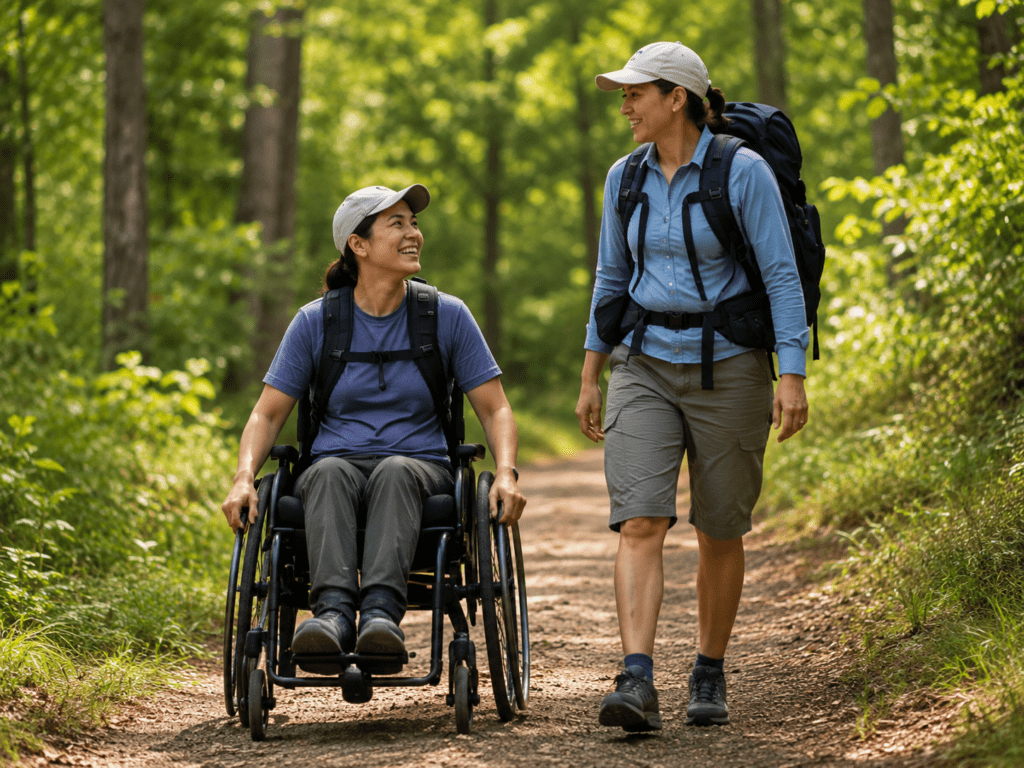
The number of accessible trails in the U.S. has grown steadily over the past decade. Many national parks now offer paved or packed-surface trails, all-terrain wheelchairs available for loan, and detailed accessibility information on their websites. The America the Beautiful — National Parks and Federal Recreational Lands Pass provides free lifetime access to anyone with a permanent disability — a significant benefit for frequent outdoor enthusiasts.
Look for trails rated “accessible” by the federal Trail Accessibility Guidelines, which assess surface firmness, grade, cross-slope, and resting interval spacing. Apps like AllTrails now include accessibility filters to help you find routes that match your mobility level.
Water Activities and Adaptive Aquatics
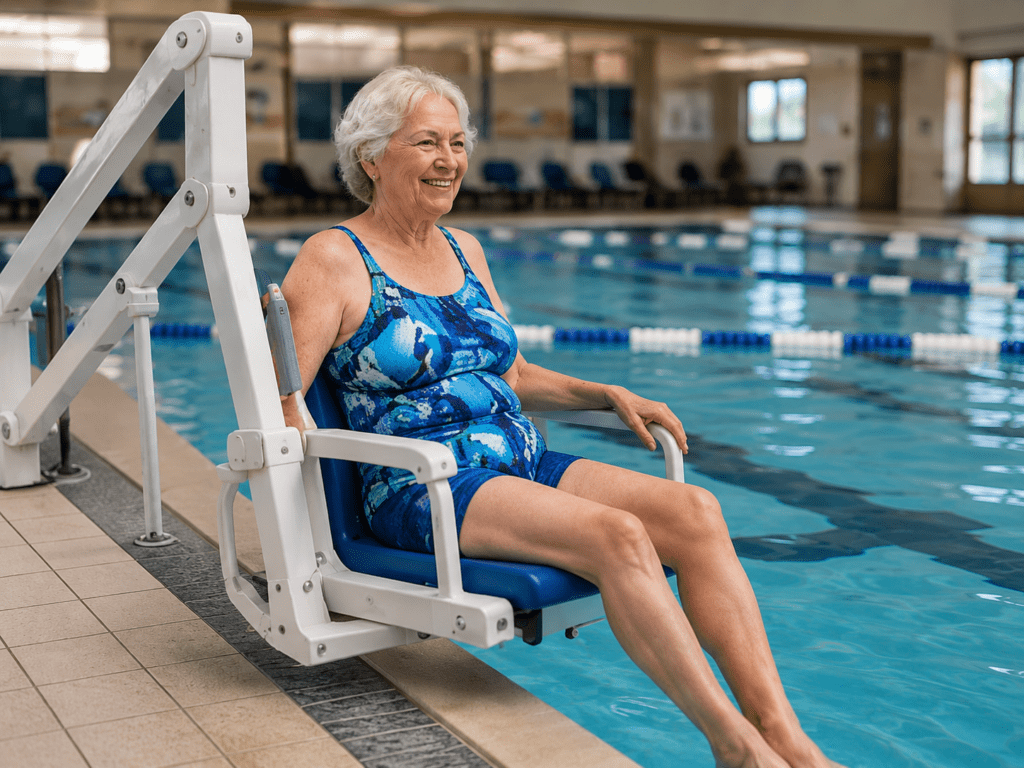
Swimming is one of the most accessible forms of exercise available, and many public pools are now required under the ADA to provide at least one accessible means of entry — typically a pool lift or sloped entry. Beyond lap swimming, programs like adaptive water skiing, hand-cycling on calm waterways, seated paddleboarding, and adaptive surfing have emerged as popular summer options for people with a wide range of physical disabilities.
Disabled Sports USA and organizations affiliated with the National Ability Center offer adaptive water sports instruction and equipment lending in communities across the country. Contact your local parks and recreation department to ask about adaptive aquatics sessions offered specifically for people with disabilities.
Accessible Camping
Many state and national campgrounds offer accessible campsites featuring level tent pads, hard-surface paths to restroom facilities, and accessible picnic tables. The Recreation.gov website allows users to filter campsite searches by accessibility features. Some organizations — including Wilderness Inquiry and Outdoors for All — offer fully guided and fully accessible camping expeditions staffed by trained outdoor professionals.
Adaptive Sports and Fitness Programs
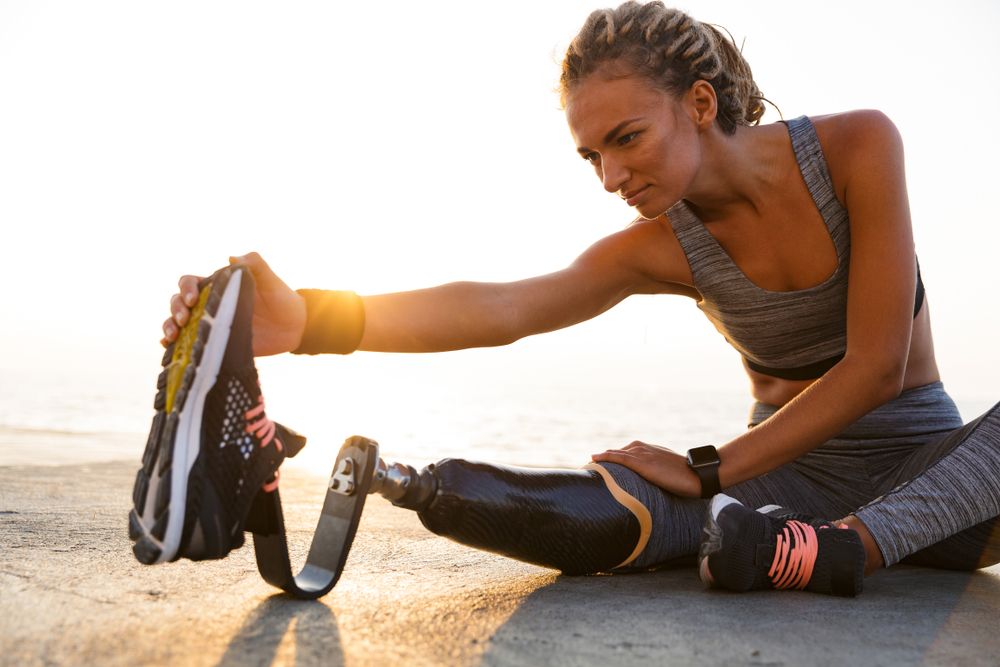
Adaptive sports have moved well beyond rehabilitation settings and into competitive arenas and community recreation centers nationwide. The summer months are an especially active time for adaptive sport leagues, clinics, and tournaments.
Team Sports and Group Recreation
Wheelchair basketball, seated volleyball, beep baseball (designed for people who are blind or have low vision), power soccer, and sled hockey (available in summer training programs) are all organized through leagues affiliated with national governing bodies. The U.S. Paralympic Committee’s website maintains a directory of affiliated sport organizations by disability type and geographic region.
Individual Adaptive Sports
Handcycling, adaptive rock climbing, horseback riding through therapeutic riding programs (accredited by PATH International), archery, and adaptive golf are popular individual options. Many YMCAs and community fitness centers now employ certified adaptive fitness specialists who can create personalized summer workout plans for people with physical, cognitive, or chronic health-related disabilities.
Summer Activities for Kids with Disabilities
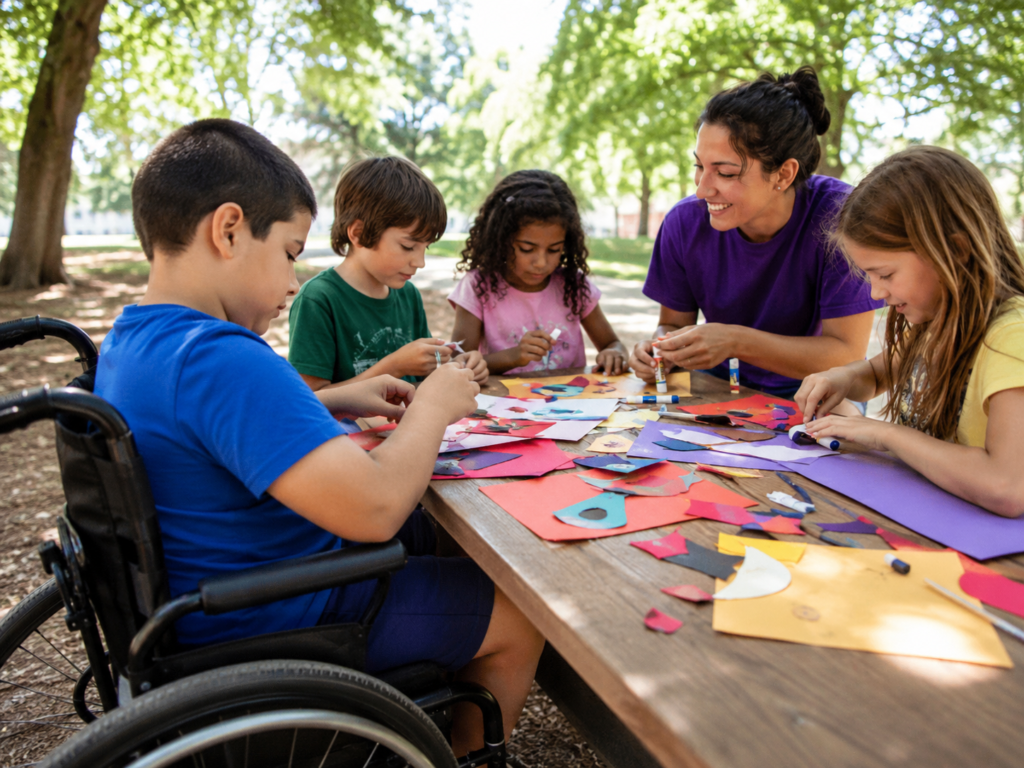
Summer can be an especially meaningful time for children with disabilities to explore, socialize, and build confidence outside the school structure — but finding the right program matters.
Inclusive and Adaptive Summer Camps
The American Camp Association (ACA) accredits both inclusive camps (mainstream programs that welcome children with disabilities alongside their peers) and specialized camps that serve children with specific disability types. Specialized camps exist for children who are Deaf or hard of hearing, children who are blind or have low vision, children with autism, children with physical disabilities, and children managing chronic health conditions.
When evaluating camps, ask about staff training in disability awareness and accommodations, the ratio of campers to counselors, available adaptive equipment, and communication plans with families. The ACA’s online directory allows families to search by disability type, state, and session length.
Sensory-Friendly Community Events
Many museums, zoos, theaters, and amusement parks now offer designated sensory-friendly hours or events — typically featuring reduced lighting, lower sound levels, quiet rooms, and trained staff. These events are designed primarily with autistic children and children with sensory processing differences in mind, but are open and beneficial to anyone who benefits from a lower-stimulation environment. Check local event calendars or call ahead to ask about sensory accommodations before visiting any summer venue.
“Recreation and physical activity are essential to the health, independence, and social participation of people with disabilities. When communities invest in accessible programming, everyone benefits.”
— National Center on Health, Physical Activity and Disability (NCHPAD), nchpad.org
Summer Activities for Seniors with Disabilities
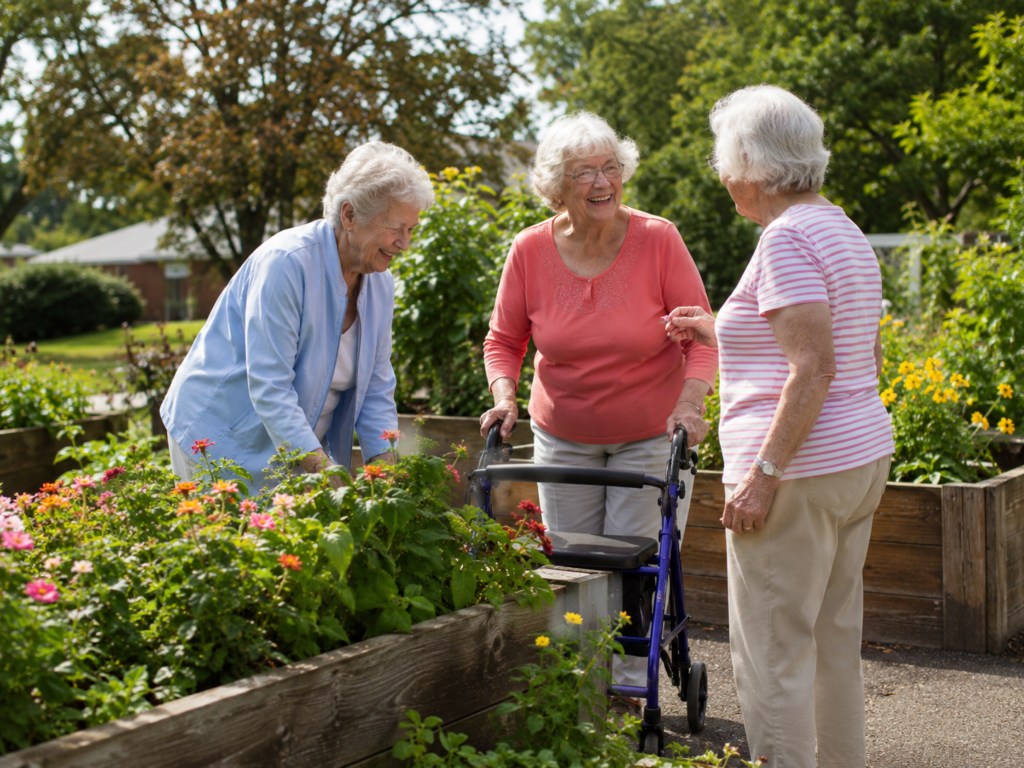
Staying active during summer is particularly important for older adults with disabilities, for whom physical deconditioning and social isolation pose significant health risks. Fortunately, a growing number of programs specifically address recreation for seniors with mobility limitations, cognitive changes, or chronic conditions.
Senior Centers and Community Programs
Local senior centers frequently offer summer programming that includes adapted exercise classes, art workshops, gardening clubs with raised beds, and group outings to accessible venues. Many Area Agencies on Aging — which can be located through the Eldercare Locator at eldercare.acl.gov — can connect seniors and their families with disability-inclusive programming in their communities.
Gardening, Arts, and Low-Impact Recreation
Raised-bed gardening, therapeutic art programs, bird watching at accessible nature preserves, and gentle adaptive yoga are excellent options for seniors who want to remain active and engaged without high-impact physical demands. Many botanical gardens, arboretums, and public parks offer fully accessible paths and seating that make leisurely outdoor time achievable for seniors using mobility aids.
Planning Your Accessible Summer: Practical Tips
A little advance planning goes a long way in making summer activities truly enjoyable. Here are key steps to prepare before heading out:
- Call ahead: Always contact venues, parks, or programs in advance to confirm specific accessibility features and ask about any recent changes.
- Research equipment loans: Many adaptive sport organizations, parks, and recreation centers lend adaptive equipment at no cost or low cost.
- Know your ADA rights: If a public facility or program cannot accommodate you, you have the right to request reasonable modifications.
- Plan for heat: Summer heat can be particularly risky for people with certain disabilities and those taking medications that affect temperature regulation. Hydrate, schedule activities during cooler hours, and review heat safety guidelines from the CDC.
- Use accessible tourism resources: Many state tourism offices and disability organizations publish accessible travel guides updated annually.
- Connect with peers: Online communities and local disability organizations often share first-hand recommendations for inclusive venues and events.
FAST FACT:
The America the Beautiful Access Pass grants free lifetime access to U.S. national parks, forests, wildlife refuges, and other federal recreation lands for U.S. citizens and permanent residents with a permanent disability. It is available in person at any federal recreation site or by mail through the U.S. Geological Survey.
5 Resources for Finding Accessible Summer Activities
- Challenged Athletes — challengedathletes.org: Search adaptive sports programs and organizations nationwide.
- Move United — moveunited.org: Find adaptive sport chapters nationwide.
- Gov Accessibility Search — recreation.gov: Filter campsite and outdoor recreation bookings by accessibility features.
- ACA Camp Finder — acacamps.org: Search accredited inclusive and specialized camps for children.
- Eldercare Locator — eldercare.acl.gov: Connect seniors with community programs including accessible recreation.
Ready to make this your most active summer yet? Share your favorite accessible summer activity or hidden-gem inclusive venue Facebook and Instagram. Your recommendation could help another family or individual discover something new. And if you found this guide useful, sign up for the AmeriDisability newsletter to get seasonal resources, advocacy updates, and disability news delivered directly to your inbox.
