

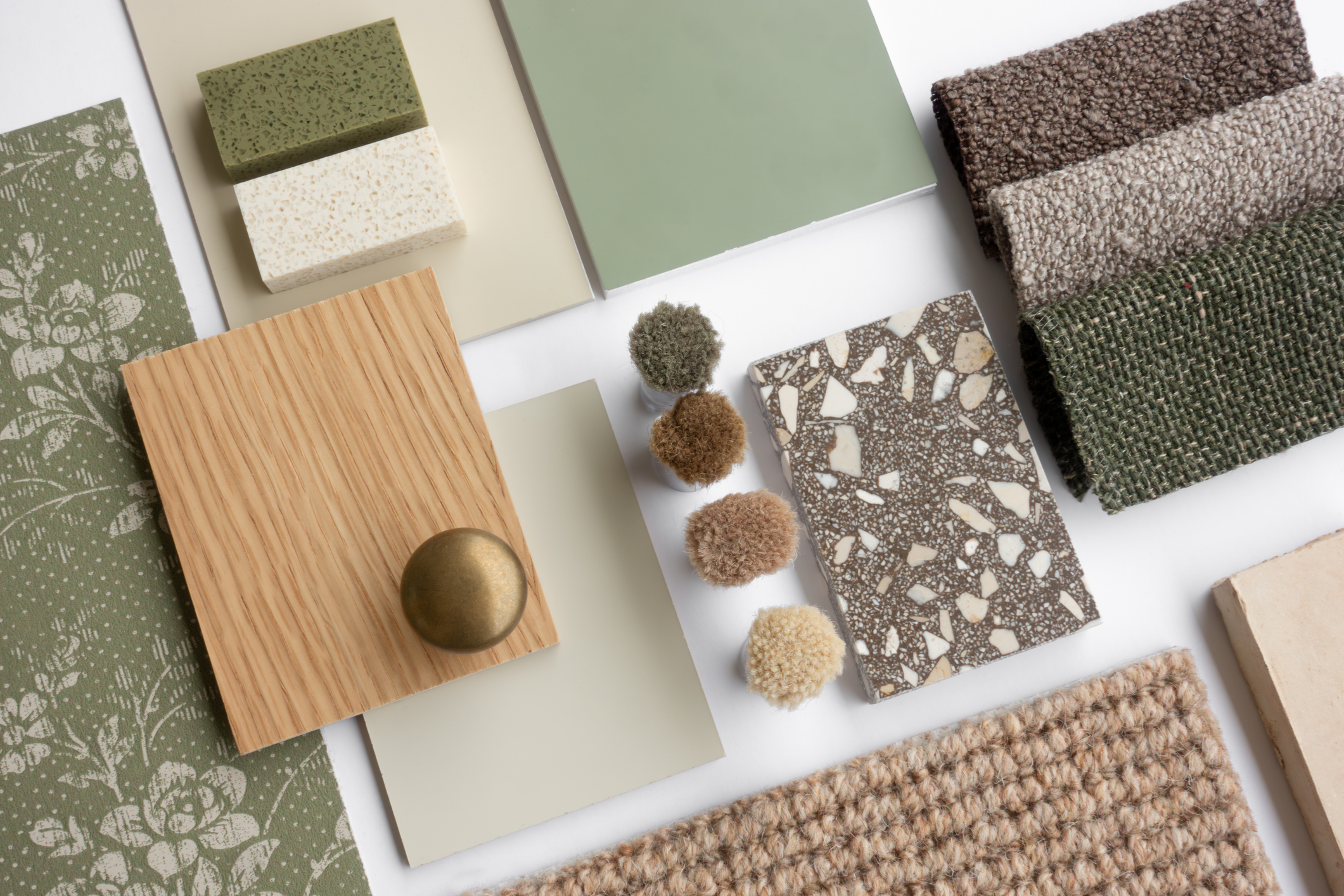
Home is supposed to be a refuge — a place where the noise of the world recedes and you can simply breathe. But for millions of people, the home itself can be a source of sensory overload. Flickering fluorescent lights, echoing hard floors, scratchy upholstery, and visual clutter can transform an ordinary living room into an exhausting obstacle course.
Sensory-friendly interior design offers a practical, evidence-informed path forward. Whether you are a person who is autistic, someone managing anxiety or PTSD, a family member supporting a loved one with dementia or traumatic brain injury (TBI), or simply someone who craves more calm, the principles behind sensory-smart spaces can dramatically improve daily life. And the good news: most changes are affordable, attractive, and benefit everyone who steps through the door.
What Is Sensory-Friendly Design?
Sensory-friendly design is the intentional shaping of a built environment to reduce overwhelming or distressing stimuli — light, sound, smell, texture, and visual complexity — while preserving comfort, function, and beauty. It draws from universal design philosophy, articulated by the Center for Universal Design at NC State University, which holds that spaces built for people with disabilities work better for everyone.
People who benefit most include:
- Autistic people, for whom sensory sensitivities are a recognized characteristic. According to the Autism Society of America, many autistic people experience sounds, textures, lights, and scents more intensely than neurotypical people do. (Note: many autistic people prefer identity-first language, which is used here in keeping with widespread community preference.)
- People with sensory processing differences, a broad category that includes children and adults whose nervous systems process sensory input differently, sometimes leading to hypersensitivity or hyposensitivity.
- People with PTSD or anxiety disorders, who may find certain stimuli — sudden loud sounds, jarring patterns, unpredictable lighting — triggering or destabilizing. The National Center for PTSD documents environmental sensitivity as a common feature of PTSD that can significantly affect quality of life at home.
- People living with dementia, who often experience increased sensitivity to noise, visual complexity, and environmental change as the condition progresses. The Alzheimer’s Association recommends reducing sensory clutter as part of dementia-friendly home design.
- People with chronic pain or fibromyalgia, for whom tactile discomfort from certain fabrics or surfaces can compound physical distress.
- People who have experienced a traumatic brain injury (TBI), who frequently develop new sensitivities to light and sound during recovery. The Brain Injury Association of America identifies photosensitivity and noise sensitivity as among the most common post-TBI symptoms affecting daily living.
Core Design Principles
Lighting: Softness Over Sharpness
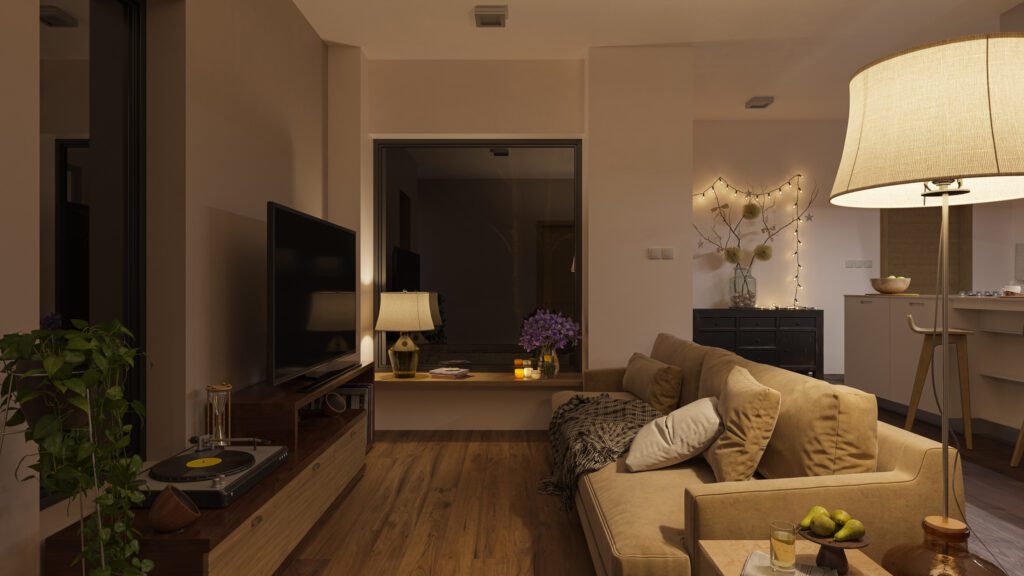
Lighting may be the single most powerful variable in sensory design. Harsh overhead lighting, cool-blue LED strips, and lights that flicker even imperceptibly can increase agitation and fatigue. The American Academy of Sleep Medicine has documented that exposure to blue-spectrum light disrupts circadian rhythms and contributes to heightened alertness and irritability, effects that extend well beyond bedtime.
What to do:
- Install dimmable fixtures in every room if possible. Dimmers give occupants direct control over intensity.
- Choose warm-toned bulbs (2700K–3000K color temperature) over cool or daylight-spectrum bulbs, which can feel institutional and harsh.
- Eliminate flicker. LED bulbs labeled “flicker-free” or with a high CRI (Color Rendering Index) of 90+ tend to be more stable. Avoid fluorescent tubes without modern electronic ballasts.
- Layer light sources — combine ambient, task, and accent lighting so one person’s bright work light does not flood the entire room.
- Use blackout curtains or layered shades to give full control over natural light, especially in bedrooms.
Acoustics: Absorb Before You Amplify

Hard, bare rooms echo. Echoes increase cognitive load and can make ordinary conversation feel overwhelming. The Acoustical Society of America notes that reverberation times above 0.4 seconds in living spaces are associated with increased listening effort and fatigue, particularly for people with hearing or sensory processing differences.
What to do:
- Add area rugs on hard floors. A rug covering 60–80 percent of a room’s floor area dramatically reduces reverberation.
- Hang heavy curtains or fabric wall panels. Sound-absorbing curtains are widely available and double as light control.
- Use upholstered furniture rather than hard surfaces wherever possible. A fabric sofa absorbs sound; a leather or vinyl one reflects it.
- Acoustic ceiling tiles or panels are increasingly available in attractive designs and can be installed as a DIY project.
- White noise machines or soft background music can mask unpredictable environmental sounds for people who find sudden noise particularly distressing.
Color and Visual Calm
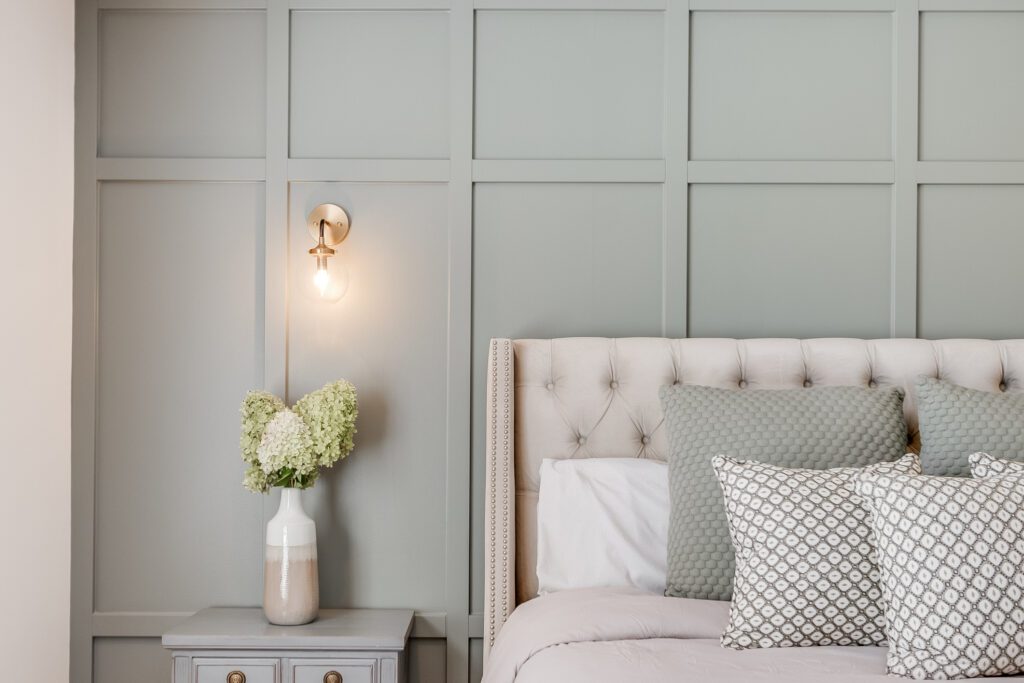
Color psychology is complex, and individual responses vary. The American Occupational Therapy Association (AOTA) notes in its practice guidelines that environmental color and visual complexity are key factors occupational therapists assess when recommending home modifications for clients with sensory processing differences.
What to do:
- Choose muted, low-saturation palettes for walls and large surfaces. Soft greens, warm grays, dusty blues, and creamy whites tend to read as calm.
- Avoid high-contrast patterns on large surfaces (walls, flooring, upholstery) for people who experience visual sensitivity. Bold stripes and busy prints can increase visual fatigue.
- Exception — low vision: People with low vision may actually benefit from strong contrast at key points: light switches, door frames, counter edges, and step edges. Sensory design is not one-size-fits-all; know who you are designing for.
- Reduce visual clutter. Visible clutter competes for attention and can make it harder for the nervous system to settle. Closed storage, simple shelving, and thoughtful editing of displayed objects all contribute to visual calm.
Texture: What the Body Feels Matters
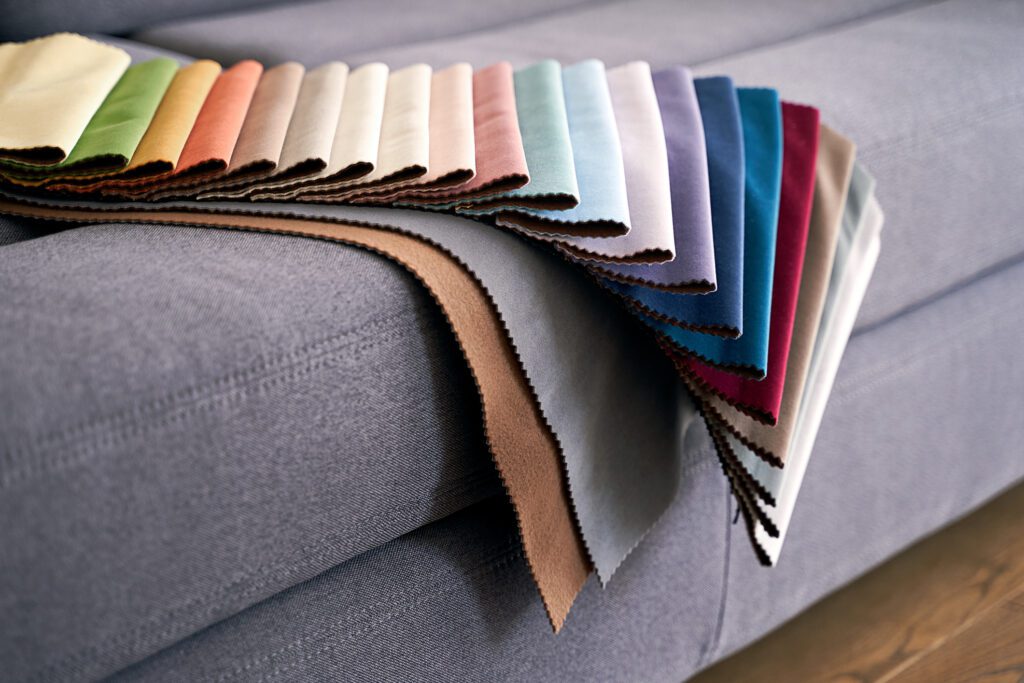
Tactile sensitivity is often underestimated in design conversations. For many people with sensory processing differences, the physical sensation of upholstery, bedding, and flooring is not a minor comfort preference — it is a significant factor in whether a space feels safe. The American Occupational Therapy Association (AOTA) identifies tactile defensiveness and tactile discrimination difficulties as sensory processing patterns that occupational therapists routinely address through environmental modification.
What to do:
- Choose soft, smooth-finish fabrics for upholstery and bedding: cotton, bamboo, microfiber, or linen blends. Avoid heavily textured boucle, scratchy wool, or stiff synthetic fabrics for anyone with tactile sensitivity.
- Test before you buy. A material that feels neutral in a showroom may feel different after hours of contact. Consider requesting fabric samples.
- Flooring matters too. Plush carpet is soft underfoot but can be difficult to navigate for wheelchair users. A low-pile area rug over smooth flooring often balances sensory comfort with accessibility.
- Avoid strong temperature extremes in materials — metal hardware and stone surfaces can feel shockingly cold.
Scent Considerations
Olfactory sensitivity is easy to overlook but can be just as significant as visual or auditory input.
What to do:
- Use fragrance-free cleaning products and laundry detergents as a baseline, especially if household members have sensory sensitivities.
- Avoid plug-in air fresheners, scented candles, or synthetic fragrances in shared spaces.
- Ventilate well. Good air circulation reduces the accumulation of cooking odors, cleaning chemical fumes, and off-gassing from synthetic materials.
- Choose low-VOC paints and finishes when repainting or refinishing furniture.
Room-by-Room Tips
Bedroom: Prioritize blackout curtains, a white noise machine or fan, soft bedding in breathable fabrics, and a color palette that skews neutral or cool. Minimize visible clutter with closed wardrobes. Install a dimmer on the bedside lamp.
Bathroom: Replace harsh overhead lighting with a warm-toned fixture and install a night-light for low-light navigation. Use non-slip bath mats with a soft texture. Choose unscented personal care products. Consider a handheld shower head, which gives sensory control over water pressure and direction.
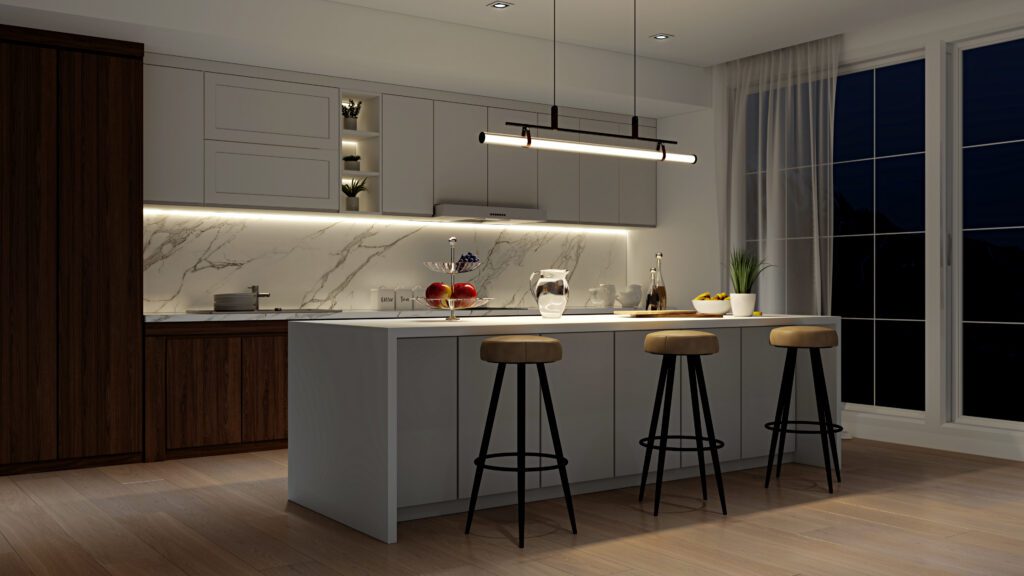
Kitchen: Hard surfaces and hard floors make kitchens naturally echo-prone. Add a large rug if safe to do so, use soft-close cabinet hardware to reduce sudden noise, and keep countertops clear of visual clutter. Under-cabinet lighting reduces reliance on harsh overheads.
Living Room: Anchor the space with a large area rug. Choose upholstered seating with soft, smooth fabric. Layer lighting with floor lamps and table lamps. Create a designated quiet corner — a chair with good back support, a soft throw, and a lamp — as a retreat within the room.
Working with Professionals
An occupational therapist (OT) who specializes in home modification can be an invaluable partner in sensory-friendly design. OTs assess how an individual’s specific sensory profile interacts with their environment and recommend targeted, evidence-based interventions. The American Occupational Therapy Association (AOTA) maintains a therapist locator at https://www.aota.org. Many OTs work alongside interior designers who specialize in accessible or universal design.
The Center for Universal Design at NC State University defines universal design’s seven principles — equitable use, flexibility, simplicity, perceptible information, tolerance for error, low physical effort, and size and space for approach and use — as a framework that lifts sensory-friendly design from accommodation into intentional architecture.
For families navigating autism specifically, the National Autistic Society’s guidance on sensory differences provides a helpful foundation for understanding what environmental factors may need to be modified.
Quick Wins: 5 Low-Cost Changes You Can Make This Weekend
- Swap one bulb. Replace the harshest overhead light in your home with a warm-toned, dimmable LED.
- Add a rug. Even a modest area rug absorbs sound and softens a room visually and physically.
- Hide the clutter. Move three visible items into a closed cabinet or drawer.
- Try a white noise machine. Basic models cost under $30 and can transform a noisy bedroom.
- Switch your soap. Replace scented hand soap and dish soap with fragrance-free alternatives.
These changes cost little but signal to your nervous system: this is a safe, calm place.
Ready to rethink your space?
Start small — one room, one change at a time. If you are supporting a family member with a disability or sensory difference, consider consulting an occupational therapist to get personalized recommendations. Visit the ADA National Network (https://adata.org) for information on home modification resources and funding options, and explore our internal guide to Universal Design Principles for a deeper dive into building environments that work for everyone.
Share this article with a friend, caregiver, or designer who could use these ideas.
