Saturday, February 21, 2026
spot_img
autism products
Html code here! Replace this with any non empty raw html code and that's it.
Home Blog Page 65

These Rainbow-Colored Foods Help Fight Off Memory Loss

0

A diet rich in colorful fruits and vegetables may help to ward off memory loss, according to a new analysis that looked at the foods eaten by tens of thousands of men and women over many years. Strawberries, orange juice, apples, grapefruits, pears, peppers, celery, blueberries, and many more — a rainbow colored cornucopia of fruits and vegetables — were shown to boost brain health. And it didn’t take much. As little as a half a serving a day of such foods may lower the risk of cognitive decline by up to 20 percent.

These colorful foods are all high in naturally occurring compounds called flavonoids found in plant-based foods. Flavonoids are powerful antioxidants, which help to neutralize highly reactive oxygen compounds that can damage cells throughout the body, including in the brain. Flavonoids also have inflammation-fighting effects, and increasingly doctors recognize that inflammation plays a critical role in many chronic conditions of age, including Alzheimer’s disease. The findings were published in Neurology, the medical journal of the American Academy of Neurology.

“The people in our study who did the best over time ate an average of at least half a serving per day of foods like orange juice, oranges, peppers, celery, grapefruits, grapefruit juice, apples and pears,” said that study’s lead author, Dr. Walter Willett, of Harvard University. “While it is possible other phytochemicals are at work here, a colorful diet rich in flavonoids — and specifically flavones and anthocyanins — seems to be a good bet for promoting long-term brain health.”

“And it’s never too late to start,” Dr. Willett added. “We saw those protective relationships whether people were consuming the flavonoids in their diet 20 years ago, or if they started incorporating them more recently,” in the last five to 10 years. “There is mounting evidence suggesting flavonoids are powerhouses when it comes to preventing your thinking skills from declining as you get older, and that making simple changes to your diet could help prevent cognitive decline.”

The study showed only an association between foods consumed and cannot prove cause and effect. Dietary studies are hard to control, and people who eat a “healthy” diet also tend to engage in healthful activities like regular exercise. But the findings add to a growing body of evidence that what we eat, such as fresh fruits and veggies full of antioxidants, can affect our brain health. Other studies have shown that such foods may also help to combat heart disease, cancer and other diseases of aging.

Photo credit: Orlando Health

For the current study, researchers looked at 27,842 men and 49,493 women who were enrolled in two longstanding health surveys. On average, they were in their early 50s at the study’s start.

Over the next 20 years, participants filled out detailed questionnaires about the specific foods they ate and how often they ate them. The researchers assessed how many flavonoids they ate in a typical week and grouped them from high to low.

Those in the highest 20 percent of flavonoid intake ate, on average, about 600 milligrams a day. A serving of strawberries, for example, contain about 180 milligrams of flavonoids, while an apple has about 113 milligrams. Those in the lowest flavonoid group ate 150 milligrams or less a day.

During the study period, participants also rated their own cognitive health by answering a series of questions that included:

  • Do you have more trouble than usual remembering recent events?
  • Do you have more trouble than usual remembering a short list of items, such as a shopping list?
  • Do you have trouble remembering things from one second to the next?
  • Do you have any difficulty in understanding things or following spoken instructions?
  • Do you have more trouble than usual following a group conversation or a plot in a TV program due to your memory?
  • Do you have trouble finding your way around familiar streets?
  • Do you have more trouble than usual remembering recent events?

The questions are designed to assess early memory problems that people may notice and feel that something is “off,” but that aren’t so serious that they would be detected on a formal Alzheimer’s screening exam.

The researchers found that people who ate a diet rich in flavonoids were 20 percent less likely to report that they were having memory problems.

Certain types of flavonoids were particularly protective. Flavones, found in some spices and yellow and orange fruits and vegetables like peppers, had the strongest protective qualities, and were associated with a 38 percent reduction in risk of cognitive decline, equivalent to being about three to four years younger in “brain age,” the researchers estimate. Anthocyanins, found in blueberries, blackberries and cherries, were associated with a 24 percent reduced risk of cognitive decline.

Other good sources of flavonoids include onions, wine and dark chocolate. As always, it is highly preferable to rely on non-processed natural food sources, which contain an abundance of different health-promoting compounds, rather than less natural sources such as supplements, which may come with pernicious side effects or contain super high doses of specific wanted or unwanted compounds.

Whatever your age, and especially for those over 50 who are at higher risk of Alzheimer’s disease, including a colorful array of fruits and vegetables in your diet may be a wise investment in brain health. And it may not take much: a few servings of berries a week, a glass of orange juice, maybe an apple or two.

Photo credit: AARP

This information is by ALZinfo.org, The Alzheimer’s Information Site. This article was originally published by The Fisher Center for Alzheimer’s Research Foundation.
National Disability Voter Registration Week Starts September 13

0

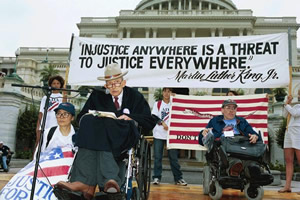
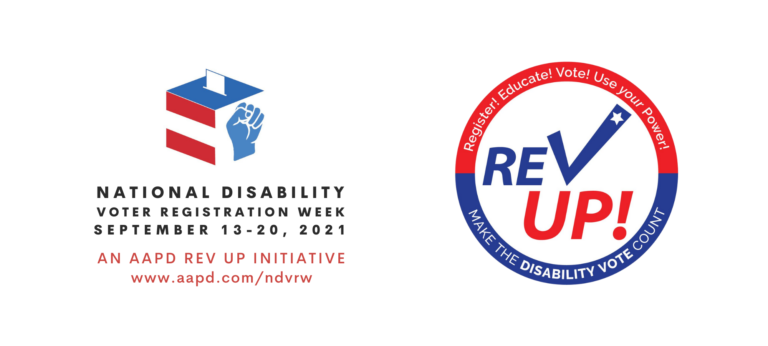
National Disability Voter Registration Week aims to increase the political power of people with disabilities by sharing resources and getting folks registered to vote. In the last election, an estimated 38 million people with disabilities were eligible to vote, and NDVRW organizers want to continue to raise the disability voice and civic participation across the country in 2021 and beyond.

Mark Your Calendars: National Disability Voter Registration Week (NDVRW) will be held September 13-20, 2021. NDVRW is a national, nonpartisan campaign to register, educate, and prepare voters with disabilities for the 2021 elections and beyond. NDVRW is coordinated by the American Association of People with Disabilities’ (AAPD) REV UP Voting Campaign. REV UP stands for Register! Educate! Vote! Use your Power!

The disability vote has never been more powerful, declaims AAPD. Despite being twice as likely to face voting barriers as people without disabilities, AAPD says disabled voters have continued to demonstrate their political power each election. Last election, in the midst of a pandemic, over 17 million people with disabilities cast their ballots. As the REV UP network, Crip the Vote, and other movements build the power of the disability vote, AAPD believes it can close the 6% turnout gap between voters with and without disabilities.

Following an election with record turnout, 48 states legislatures across the country introduced, and some passed, anti-voting legislation that limits access to the ballot for disabled voters, voters of color, and disabled voters of color. Even before this wave of anti-voting bills, people with disabilities faced barriers, discrimination, and isolation that kept many from participating in democracy. This NDVRW, AAPD and its partners are focusing on the message that the vote of the disability community is powerful. 1-in-4 adults in America lives with a disability, and AAPD believes more of them need to participate in elections. Together, AAPD and the disability community can hold leaders accountable to make decisions that ensure people with disabilities have equal access to employment, community living, education, transportation, healthcare, and more.

Justin Dart, father of the Americans with Disabilities Act (ADA), said it best: “Vote as if your life depended on it, because it does.”

There are many ways to participate in NDVRW. To get involved and access resources, visit this voting page of the AAPD website.

Employers and the ADA: Myths & Facts

The Americans with Disabilities Act (ADA) is a landmark federal law that protects the rights of people with disabilities by eliminating barriers to their participation in many aspects of living and working in America. In particular, the ADA prohibits covered employers from discriminating against people with disabilities in the full range of employment-related activities, from recruitment to advancement, to pay and benefits.

The foundation for the ADA is America’s promise of equal access to opportunity for all citizens. Being inclusive of people with disabilities — in recruitment, retention, promotion, and in providing an accessible environment — gives businesses a competitive edge.

Here are some of the common myths about how the ADA affects employers and research and facts that negate them.

Myth: The ADA forces employers to hire unqualified individuals with disabilities.

Fact: Applicants who are unqualified for a job cannot claim discrimination under the ADA. Under the ADA, to be protected from discrimination in hiring, an individual with a disability must be qualified, which means he or she must meet all requirements for a job and be able to perform its essential functions with or without reasonable accommodations.

The foundation for the ADA is America's promise of equal access to opportunity for all citizens.

Myth: When there are several qualified applicants for a job and one has a disability, the ADA requires the employer to hire that person.

Fact: An employer is always free to hire the applicant of its choosing as long as the decision is not based on disability. If two people apply for a data entry position for which both speed and accuracy are required, the employer may hire the person with the higher speed and level of accuracy, because he or she is the most qualified.

Myth: The ADA gives job applicants with disabilities advantages over job applicants without disabilities.

Fact: The ADA does not give hiring preference to persons with disabilities.

Myth: Under the ADA, employers must give people with disabilities special privileges, known as accommodations.

Fact: Reasonable accommodations are intended to ensure that qualified individuals with disabilities have rights in employment equal — not superior — to those of individuals without disabilities. A reasonable accommodation is a modification to a job, work environment or the way work is performed that allows an individual with a disability to apply for a job, perform the essential functions of the job, and enjoy equal access to benefits available to other individuals in the workplace.

Myth: Providing accommodations for people with disabilities is expensive.

Fact: The majority of workers with disabilities do not need accommodations to perform their jobs, and for those who do, the cost is usually minimal. According to the Job Accommodation Network (JAN), a service from the U.S. Department of Labor’s Office of Disability Employment Policy, 58% of accommodations cost absolutely nothing to make, while the rest typically cost only $500. Moreover, tax incentives are available to help employers cover the costs of accommodations, as well as modifications required to make their businesses accessible to persons with disabilities.

Work place accommodations for employees with disabilities aren't necessarily costly.

Myth: The ADA places a financial burden on small businesses that cannot afford to make accommodations for individuals with disabilities.

Fact: Businesses with fewer than 15 employees are not covered by the employment provisions of the ADA. Moreover, a covered employer does not have to provide a reasonable accommodation that would cause an “undue hardship.” Undue hardship is defined as an action requiring significant difficulty or expense when considered in light of factors such as an organization’s size, financial resources and the nature and structure of its operation.

Myth: ADA lawsuits are flooding the courts.

Fact: The majority of ADA employment-related disputes are resolved through informal negotiation or mediation. The Equal Employment Opportunity Commission (EEOC), which enforces the ADA’s employment provisions, carefully investigates the merits of each case and offers many alternatives to litigation as a way to resolve any potential problem. The number of ADA employment-related cases, whether filed privately or by the EEOC, represents a tiny percentage of the millions of employers in the U.S.

Myth: The ADA is frequently misused by people with vague complaints or diagnoses.

Fact: If an individual files a complaint of discriminatory treatment, denial of accommodation or harassment under the ADA and does not have a condition that meets its definition of disability, the complaint is dismissed. While claims by people with false or minor conditions may get considerable media attention, the reality is that these complaints are usually dismissed.

Myth: The ADA protects employees who have difficult or rude personalities or are troublemakers.

Fact: Improper behavior in and of itself does not constitute a disability, and having a disability does not excuse employees from performing essential job tasks and following the same conduct standards required of all employees. The courts have consistently ruled that “common sense” conduct standards, such as getting along with co-workers and listening to supervisors, are legitimate job requirements that employers can enforce equally among all employees.

Myth: Under the ADA, an employer cannot fire an employee who has a disability.

Fact: Employers can fire workers with disabilities under three conditions:

  • The termination is unrelated to the disability or
  • The employee does not meet legitimate requirements for the job, such as performance or production standards, with or without a reasonable accommodation or
  • Because of the employee’s disability, he or she poses a direct threat to health or safety in the workplace.
Debunking disability myths in the workplace.

Resources to Assist Employers

A number of resources are available to assist employers in understanding their responsibilities under the ADA:

Job Accommodation Network (JAN)

www.AskJAN.org
1-800-526-7234 (voice); 1-877-781-9403 (TTY)
JAN is a free, confidential service from the U.S. Department of Labor’s Office of Disability Employment Policy that provides individualized accommodation solutions and technical assistance on the ADA. Among the areas that JAN can address are:

  • Accommodation options and low-cost solutions
  • Hiring, retaining and promoting qualified employees with disabilities
  • Employer responsibilities under the ADA
  • Addressing accessibility issues, including accessible technology

Equal Employment Opportunity Commission (EEOC)

www.eeoc.gov
1-800-669-4000 (voice); 1-800-669-6820 (TTY)
The EEOC enforces the ADA’s employment provisions. The section of its website titled “Disability Discrimination” provides access to numerous publications, including several specifically designed to answer employer questions and concerns.

U.S. Department of Justice (DOJ) ADA Homepage

www.ada.gov
1-800-514-0301 (voice); 1-800-514-0383 (TTY)
The ADA Home Page includes many excellent resources for employers. The “ADA Business Connection” section of the site includes business briefs and tax incentive information.

Americans with Disabilities Act National Network

www.adata.org
1-800-949-4232 (voice/TTY)
The Americans with Disabilities Act National Network, sponsored by the U.S. Department of Education’s National Institute on Disability, Independent Living, and Rehabilitation Research, consists of 10 regional centers and an ADA Knowledge Translation Center which provide ADA information, training and technical assistance across the nation.

Source: Office of Disability Employment Policy | An agency within the U.S. Department of Labor

Looking for similar content? Check out “Etiquette Basics for Interacting with People with Disabilities in the Workplace (or Anywhere)” and “13 Myths & Facts Pertaining to People with Disabilities.”

Muscular Dystrophy Association Launches Quest Podcast with Mindy Henderson

The Muscular Dystrophy Association (MDA) announced the launch of the MDA Quest Podcast, a powerful vehicle to present thoughtful conversation regarding issues and barriers facing members of the neuromuscular disease (NMD) and other disability communities as well as the people who love them. The podcasts will educate and inform, demystify, inspire, perpetuate progress and entertain.

Motivational speaker, author, writer and podcast host, Mindy Henderson, who lives with spinal muscular atrophy (SMA), is the host of the MDA Quest Podcast. As of this week, Henderson has also been named the MDA Editor-in-Chief of Quest content, including a quarterly magazine, blog, newsletter and this podcast.

“We created the Quest Podcast to shine a light on the lives of people who live with a disability,” said Henderson. “The podcast format will make it possible for us to take a deep dive into the issues affecting our community and the topics that are on everyone’s mind, like travel, dating, accessibility in architecture and employment, to name a few.”

“We are proud to launch the Quest Podcast hosted by the amazing Mindy Henderson,” said Kristine Welker, Chief of Staff for MDA. “As part of our ‘Disability as Diversity’ movement, this podcast will not only be empowering for people with disabilities, it will also serve as a tool of education and insight for a broader audience, to help everyone start to see a world where inclusion is the norm and people see possibilities instead of limitations.”

The Quest Podcast episodes launch with these three episodes, followed by monthly episodes. Future topics will include universal architecture, dating and relationships, employment, accessible travel and more.

MDA is transforming the lives of people living with muscular dystrophy, ALS and related neuromuscular diseases through funding for research, care and advocacy for the community.
Photo credit: MDA (via Facebook)

QUEST PODCAST EPISODE 1: The Beginning: Receiving a Diagnosis
Summary: For anyone with NMD, the journey begins with a diagnosis. We dive into that conversation from multiple perspectives – an individual diagnosed in infancy, an individual diagnosed in early adulthood and a parent who went on the journey as an advocate for their child. We talk about each of their stories and the path they took to get a diagnosis, how it impacted their lives, how they have learned to live with it, what has been hard, what has been easy-er and how they have coped and made a life that works for them.

Guests:
Paloma Juarez, mother of Vaun, 5 years old, and twins Koen and Zavier, almost 10 months old. Vaun and Koen both have infantile onset Pompe disease. Chris Anselmo, who works at the Muscular Dystrophy Association (MDA) and was diagnosed with limb-girdle muscular dystrophy type 2B (LGMD2B) when he was 18 years old.

QUEST PODCAST EPISODE 2: Buses, Trains & Automobiles: Getting from Point A to Point B
Summary: For anyone with NMD, getting from one place to another can be a challenge.  We will discuss the challenges associated with both driving and public transportation, how to explore the available options and what considerations to keep in mind. We will also educate listeners about how to advocate for better transportation options in their cities and towns.

Guests:
Jessica Murray, who earned her Ph.D. in Developmental Psychology at The Graduate Center, CUNY in 2020, focuses her research on daily travel and the ways that inaccessibility limits the fulfillment of psychological needs for autonomy, relatedness and competence among people with disabilities. Chad Strowmatt, an Occupational Therapist with 33 years of experience who owns and operates Strowmatt Rehabilitation Services. Chad has experience in the adaptive equipment options required to help people accommodate for changes in physical function.

QUEST PODCAST EPISODE 3: Access to the World: We Carry Kevan
Summary: For individuals with NMD or any disability, travel is complicated by all kinds of logistical issues and accessibility barriers. Kevan Chandler, who lives with SMA, and his friends have broken through those barriers by creating a nonprofit organization that developed a special “adult-size” backpack so that Kevan and his friends could go explore Europe and China, without being tethered to a wheelchair. The backpack allowed his friends to carry him, accessing the parts of these countries he would not have been able to experience from his wheelchair. They have created two documentaries from footage shot from these trips.

Kevan Chandler, who lives with SMA, and his friends have broken through those barriers by creating a nonprofit organization that developed a special "adult-size" backpack.
Photo credit: We Carry Kevan (via Facebook)

Guests:
Kevan Chandler and Luke Thompson (video production and friend of Kevan), of “We Carry Kevan,” a nonprofit organization with the mission to mobilize individuals with disabilities by redefining accessibility as a cooperative effort through investment, interaction and innovation. They have filmed two documentaries about their adventures traveling to Europe and China, and Kevan has written a book also titled “We Carry Kevan.”

“Luke and I are excited to share some of our story with Mindy and the Quest Podcast audience,” said Kevan. “I’ve been blessed by so many amazing friends who make life an adventure with me, and we love sharing these stories with others.”

Quest Podcast is available for download: Apple Podcasts; Google Podcasts; RSS; Spotify; Amazon Music; CastBox; Deezer; iHeart; Listen Notes; Player FM; Podcast Addict; RadioPublic; Stitcher

For decades, the Muscular Dystrophy Association (MDA) has been committed to transforming the lives of people living with muscular dystrophy, ALS and related neuromuscular diseases. For more information, visit https://www.mda.org/.

Race Is Among Factors That Predicted How Quickly Stroke Patients Get to Stroke Centers to Receive Essential Surgery, Study Shows

0

Race, in combination with other factors, predicted how quickly individuals with stroke got to stroke centers to receive necessary neuroendovascular stroke surgery (or thrombectomy), according to research presented at the Society of NeuroInterventional Surgery’s (SNIS) 18th Annual Meeting. Thrombectomy is a minimally invasive procedure that uses a catheter to reopen blocked arteries in the brain. The faster patients who need this surgery receive it, the better their chances are of avoiding death or long-term disability from stroke.

The study, “Disparities in Stroke: Influence of Socioeconomic Status and Race on Timely Access to Mechanical Thrombectomy,” reviewed data for 305 patients collected between 2016 and 2020 to find out how factors including race, socioeconomic status, health insurance coverage and driving distance to a stroke center influenced how quickly individuals were able to receive needed stroke surgery.

In the study, authors measured the time between each patient’s stroke onset and the beginning of surgery, with a focus on the time from onset to arrival at the hospital. The researchers found that race was among the predictors for how quickly patients made it to a stroke center, which impacts how quickly they can have surgery. Other factors included driving distance, the patient’s stroke severity level and whether a patient discovered the stroke symptoms upon waking. (The authors found that income, age and gender were not predictors for timely access to care among this group of patients.)

“Your race, ZIP code or socioeconomic status should not determine whether you make it home from the hospital after a stroke,” said Ricardo Hanel, MD, PhD, lead author on the study and an endovascular neurosurgeon and co-medical director of the Baptist Stroke & Cerebrovascular Center in Jacksonville, Florida. “This study shows that equity of access to care is critically important in achieving excellent outcomes for all.”

Feature image credit: Society of NeuroInterventional Surgery

Blind Boys of Alabama’s Ricky McKinnie & Other Talents Kick Off SHOWAbility’s Virtual Inclusive Arts Masterclass Series

SHOWAbility, a 501c3 nonprofit organization focused on arts and entertainment to bring visibility and awareness to issues facing the disability community (especially performing artists with disabilities), is attracting top-tier talent from within the disability community to its monthly Virtual Inclusive Arts Masterclass Series.

Beginning this month (August 2021), artists and community leaders, like Ricky McKinnie of the five-time Grammy-winning Blind Boys of Alabama, will share their expertise and experiences with SHOWAbility’s growing virtual audiences.  In addition to McKinnie, stand out community leaders from the arts, culture and business communities — including Elizabeth Labbe-Web, executive director of CORE, a dance company based in Decatur, GA and Lionel Woodyard, business owner and one of the young counselors featured in the Oscar-nominated documentary on Netflix, Crip Camp: A Disability Revolution — will be conducting masterclasses in September and October, respectively.

“Our Virtual Inclusive Arts Masterclass Series began in January 2021 and we’ve featured top industry leaders. It was very important not to be deterred by the pandemic, but to continue exhibiting our commitment to bringing value and resources to the disability community in an inclusive manner,” says Myrna Clayton, an international jazz singer, cultural ambassador for the U.S. State Department and founder/executive director of SHOWAbility.  “Currently, no other organization in the country is servicing the multi-faceted disability community through multidisciplinary performing arts,” she said.

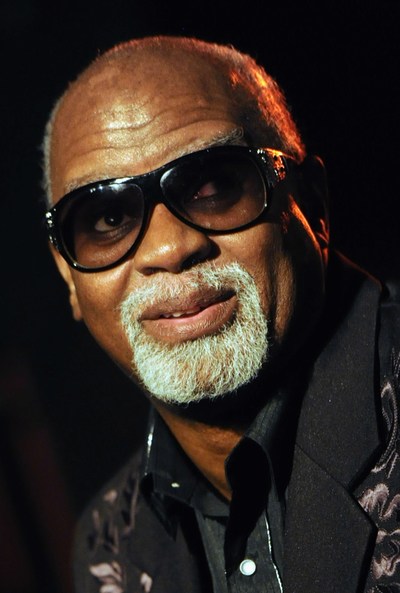
Ricky McKinnie, Grammy award-winning gospel singer with Blind Boys of Alabama, to conduct SHOWAbility Inclusive Virtual Arts Masterclass in August
Pictured: Ricky McKinnie, Grammy award-winning gospel singer with Blind Boys of Alabama, to conduct SHOWAbility Inclusive Virtual Arts Masterclass in August.

Entitled, “Dreaming: I Lost My Sight, But I Never Lost My Vision,” the August Masterclass led by McKinnie will delve into what it means to see your vision to fruition, despite life’s challenges. The September Masterclass led by Labbe-Webb, titled “The Foundation: Acting 101,” will explore the art of acting from various viewpoints and techniques. Labbe-Webb’s masterclass will lead into a six-week acting class, offered by SHOWAbility, to address the need for more trained authentic actors in the disability community.

In recognition of National Disability Employment Awareness Month (NDEAM), the October masterclass led by Woodyard, titled “Inclusive Activism: Camp Jened to Crip Camp,” will discuss the impact films like Crip Camp have had.  In addition, it will share stories behind some of the people attending the camp, who went on to be impactful in disability activism, like Jim LeBrecht, co-director of Crip Camp, and Judy Heumann, international disability rights activist.

Lionel Woodyard, entrepreneur and disability community advocate featured in award-winning Netflix documentary Crip Camp, will lead SHOWAbility's Inclusive Virtual Arts Masterclass in October, in recognition of National Disability Employment Awareness Month.
Pictured: Lionel Woodyard, entrepreneur and disability community advocate featured in award-winning Netflix documentary Crip Camp, will lead SHOWAbility’s Inclusive Virtual Arts Masterclass in October, in recognition of National Disability Employment Awareness Month.

To register for SHOWAbility’s masterclasses to be held on August 29, September 26 and October 31, go to Eventbrite.

Want more content like this, check out these articles:

People Who Use Wheelchairs Found Least Accommodated Among Marginalized Groups

0

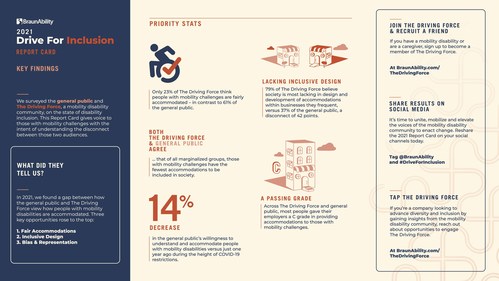
Despite a steady year of diversity, equality and inclusion conversations, the 2021 BraunAbility Drive for Inclusion Report Card uncovered that of all marginalized groups, those with mobility challenges have the fewest accommodations to be fully included in society. Compared with 2020 results, the report also found a disappointing 14% decline in the public’s willingness to understand and accommodate those with mobility challenges, indicating a seemingly “back to normal” attitude as the nation’s restrictions begin to lift.

Only 23% of a mobility disability community think people with mobility challenges are fairly accommodated, according to a BraunAbility survey.

Only 23% of a mobility disability community think people with mobility challenges are fairly accommodated, according to a BraunAbility survey.

“[After COVID,] it seems many people are already quickly forgetting to accommodate the needs of those in wheelchairs,” noted a wheelchair user who responded to the survey.

BraunAbility, the leading manufacturer of wheelchair-accessible vehicles and lifts, conducted its second-annual Drive for Inclusion Report Card study to assess the nation’s state of inclusion. BraunAbility surveyed both the general public and The Driving Force, an online community of nearly 1,900 individuals with mobility challenges and their caregivers. The objective is to identify obstacles to inclusion based on perceptions – or misperceptions – between the general public and those with mobility disabilities. The Report Card gives voice to those with mobility challenges, with the ultimate goal of furthering diversity and inclusion for everyone.

This year, BraunAbility found a gap in how the general public and The Driving Force believe people with mobility disabilities are accommodated, highlighting two different views of the world. The 2021 Drive for Inclusion Report Card revealed three key opportunity areas:

  1. Fair Accommodations: Only 23% of The Driving Force think people with mobility challenges are fairly accommodated, while 61% of the general public see it that way.
  2. Inclusive Design: 79% of The Driving Force believe society is most lacking in design and development of accommodations within businesses they frequent, versus 37% of the general public, a disconnect of 42 points.
  3. Bias & Fair Representation: Those with a mobility disability are two times more likely than the general population to see a lack of inclusion of people with mobility challenges when accommodations for that very audience are being designed.
Disability inclusion continues to be an issue, especially among wheelchair users.

Workplace & Business Accommodations Not Making the Grade
When it comes to accommodations in the workplace and businesses, the majority of The Driving Force agree that organizations are not doing enough to create equal employment opportunities for those with mobility disabilities. Both groups rated their employers with a C grade for accommodations for those with mobility challenges, with only 7% of The Driving Force assigning their employers an A grade. When reflecting on all aspects of society, those with a mobility disability overwhelmingly reported that businesses’ design and development of accommodations is what is lacking the most.

Despite living in a dollar-driven society, only a handful of companies garnered recognition as leading the way in disability inclusion. BraunAbility sees this as a huge miss for both employers and product and service providers given the disposable income for working-age people with disabilities is about $490 billion1. That disposable income is comparable to other significant market segments, such as African Americans ($501 billion) and Hispanics ($582 billion), according to the same study.

Top 3 Companies Recognized as Mobility Inclusion Leaders
The Driving Force spoke up with companies and organizations they feel are leading the way in inclusion efforts:

  1. Target
  2. Walmart
  3. Marriott International

Honorable Mentions

  1. Amazon
  2. The Home Depot
  3. Costco Wholesale
  4. Homewood Suites by Hilton
  5. Kroger
  6. Toyota

Inclusive Business Criteria
These companies all have three things in common: they prioritize the following criteria The Driving Force identified as key to advancing mobility inclusion.

  1. Seek input from people with mobility challenges on the design and development of products and/or accessible accommodations (70%).
  2. Increase accommodations for people with mobility challenges (62%).
  3. Include those with mobility or other disabilities in how they represent their company or consumers to the public (39%).
Amazon ranks well with disability inclusivity.

“As a company founded by someone using a wheelchair, BraunAbility applauds these companies who have upped their efforts in inclusive design,” said BraunAbility CEO Staci Kroon. “This Report Card tells us more needs to be done. In solidarity with The Driving Force, we’re calling on corporate leaders to step in to fill that void. As an advocate for inclusion, we believe listening is where true understanding begins and intent turns into action.”

The Solution
The path forward is clear. The Driving Force is resolute that the solution to the lack of inclusion is simply to include people with disabilities in the design and development of products or places. In 2019, BraunAbility launched the Drive for Inclusion to do just that.

With the ultimate goal of amplifying the voices of people with mobility challenges and their caregivers, The Driving Force community provides invaluable insight and feedback through online surveys. In turn, BraunAbility amplifies their voices, helping bring mobility disability issues to the forefront.

“It is a beautiful thing when disabled and non-disabled communities work together to achieve progress,” said Shane Burcaw, BraunAbility ambassador and social media influencer. BraunAbility invites those living with a mobility disability and their caregivers to share their voices and insights by joining The Driving Force online survey community at www.BraunAbility.com/TheDrivingForce. To review the full 2021 Drive for Inclusion Report Card and to learn more about Drive for Inclusion, visit www.DriveforInclusion.com.

IV Therapy Boasts Restorative Trickle Effect

0

Hospitals began using intravenous (IV) treatments nearly a century ago to administer fluids and medication directly into a vein, but the technique is no longer revered as an undesirable needle-poking intervention for illness. Rather, IV therapy has been adopted by independent clinics and practices that treat patients with a wide range of conditions such as cancer, chronic fatigue and migraines, as well as those proactively looking to boost nutrition, energy, immune, beauty and overall well-being. Some even promote these power drips as a new fountain of youth.

Because many of us desire a quick fix, fast-acting IVs are an intriguing treatment option. By administering high concentrations of vitamins and minerals straight into to the bloodstream, they become immediately bioavailable versus oral supplements or consumable nutrients that need time to be digested before being effective. Thus, IVs can be a useful wellness tool to replenish nourishment our bodies lack because of underlying conditions or poor lifestyle choices.

“Because of the standard American diet, most people have something we call ‘leaky gut’, where they have inflammation of the lining of the walls of their intestines from the foods they eat and, so, they cannot absorb the nutrients,” says James E. Lemire, M.D., PA, of the Ocala-based Lemire Clinic. This deficiency causes fatigue and other adverse symptoms. “So we put people on what’s called a ‘Myers IV’ to build up the vitamin Bs and C and other nutrients to get them built back up faster to a state of health,” he says.

Because many of us desire a quick fix, fast-acting IVs are an intriguing treatment option for various health conditions.

First developed in the 1970s by John Myers, M.D., the Myers IV consists of magnesium, calcium, B vitamins and vitamin C. According to Alternative Medicine Review, this cocktail can empower the body to combat asthma attacks, migraines, fatigue, fibromyalgia, acute muscle spasm, upper respiratory tract infections, chronic sinusitis, seasonal allergic rhinitis, cardiovascular disease and other disorders. However, IV therapy isn’t a one-size-fits-all approach. “We customize it to each person because every person is unique,” explains Nuris Lemire, a certified occupational therapist and nutrition consultant with Lemire Clinic.

Nelson Kraucak, M.D., of Healthcare Partners, in The Villages, says to tailor treatments that optimize the building blocks of our bodies, an evaluation is first conducted to determine levels of a patient’s nutrition, antioxidants, heavy metals, hormones and other chemicals. “You want to know where you are, so you know where you want to get to,” he says. The next step is often detoxification. Clients at both Lemire Clinic and Healthcare Partners can receive chelation IV therapy to rid the body of accumulated toxins, such as mercury, iron and arsenic.

“When you put a chelating agent in an IV, it’s readily available and can immediately start binding to these heavy metals and excrete them through the kidneys [into the urine],” Kraucak explains.

Nuris agrees, “Chelation IVs touch all the organs in the body to help them pull [out] whatever it is that is keeping them out of balance and diseased and [works to] clean up the [internal] environment.”

That balance of what we put into our bodies is the key to cellular function. If we’re vitamin and mineral deficient, our cells cannot work appropriately. Thus, higher levels of vitamins and minerals gained through IV therapy aims to better nurture the cells of organs so every body part can intrinsically perform to sustain health and fight sickness. “It is directly available to the organs for immediate use and, so, levels can be reached at a much higher level much quicker,” Kraucak attests of IV-based treatments. While the Myers Cocktail is standard, there are other varieties, such as hydrogen peroxide (for pain management, infection busting and lung oxygenation), glycerophosphocholine (for blood circulation and cognitive function) and glutathione (for memory enhancement and restful sleep), to name a few. Infusion sessions are relatively painless and convenient (30 minutes or more).

IV therapy has been adopted by independent clinics and practices that treat patients with a wide range of conditions such as cancer, chronic fatigue and migraines, as well as those proactively looking to boost nutrition, energy, immune, beauty and overall well-being.

IV therapy may also be an effective skin care method to ward off signs of aging, such as fine lines, decreased muscle tone and reduced energy. IVs boost hydration and glow-enhancing vitamins that quickly hinder the aging process compared to slower results from serums applied to the skin. Kraucak says properly nourished cells are able to regenerate skin as they do other organs. IV drips naturally lengthen our telomeres, the protective caps of our DNA which ultimately reverses age-related destruction at the cellular level. It’s essentially a restorative makeover from the inside-out.

The use of IV therapy is on the rise, although neither Healthcare Partners nor Lemire Clinic claim it to be a cure-all, as no singular treatment is. “IVs are a piece of the puzzle, but not the whole thing,” Nuris assures. Both practices offer an array of other treatment options, and a healthy diet, physical activity, ample sleep and stress management are vital components for long-term well-being. IV therapy is not typically covered by insurance and ranges from $100 to 250 per session. Because health benefits are achieved significantly faster, IV therapy may be a worthy investment for optimal wellness.

For similar content by AmeriDisability, check out: 

 This article was originally published by Natural Awakenings magazine; reprinted with permission.

Aphasia: A Commonly Misunderstood Communication Disorder

0

By Vicki Lewis, MA

You know that frustrating feeling when you’re in a conversation and trying to think of a specific word, but can’t? Well, for many of us, the word eventually comes to mind, or we just move on, knowing it’s a rare mental lapse. But for those who have aphasia, that frustration comes often and can be long-lasting.

Aphasia is a communication disorder that affects two million Americans and occurs more often than Parkinson’s Disease, cerebral palsy or muscular dystrophy. It most often is the result of brain damage after a stroke—about 150,000 of stroke survivors in the U.S. each year will acquire aphasia. However, it also can develop after a head trauma, other brain injury or infection.

Aphasia is often misunderstood. Someone with aphasia may have difficulty speaking or understanding language. However, their intelligence is not affected—just the ability to communicate.

Types of Aphasia

The National Stroke Association outlines various types of aphasia, which include:

  • Expressive aphasia — Affects the ability to find the words to share thoughts.
  • Receptive aphasia — Makes it difficult to comprehend what you hear someone saying or what you are reading.
  • Global aphasia — The most severe type of the disorder, occurring after widespread damage to the brain. Those with global aphasia have difficulty understanding speech as well as speaking, reading or writing.
 Someone with aphasia may have difficulty speaking or understanding language.
Photo credit: AARP

Treatment for Aphasia

Aphasia is primarily treated by a speech-language pathologist. Art and music therapy also may be of benefit in treatment. Initially doctors thought that if a person didn’t recover speech within two or three months after the aphasia began, recovery would be limited. However, newer studies show the brain has the ability to rebuild connections (neuroplasticity), giving hope that people with aphasia can regain language function — even years after acquiring aphasia.

For those with aphasia, communicating (particularly in public) can be stressful. The National Stroke Association suggests using props, including photos, maps or aphasia phone apps to aid conversation. Those with aphasia could consider carrying a card in their wallet to show others when necessary, explaining what aphasia is and how it affects them.

Stroke survivors and caregivers can find care, support and connection through local support groups.

This article was originally published by Orlando Health.

How the Restaurant Industry Can Harness Technology to Improve Accessibility and Inclusion

0

By Danny Weissberg

The landmark Americans with Disability Act (ADA) requires restaurants to ensure that their premises are accessible for people with disabilities. While the law marks one of the most important victories for the rights of those with disabilities, much more can be done to accommodate this community with its ever-evolving needs, including utilizing advanced technology.

Technological advances are helping pave a path towards a more widely accessible food service landscape – both in-person and online. Now, it is up to restaurants to embrace this technology and help build a more inclusive future.

Embracing Innovation

The good news is that many of the technological developments needed to promote accessibility have already been implemented across the industry to improve other aspects of the business, such as boosting sales and complying with new contactless methods of service. One such technology is Artificial Intelligence (AI), which is already being used in the restaurant business to great effect. In fact, use of AI in the food and beverage market reached $3 billion in 2020 and is on pace to reach nearly $30 billion by 2026, according to Mordor Intelligence.

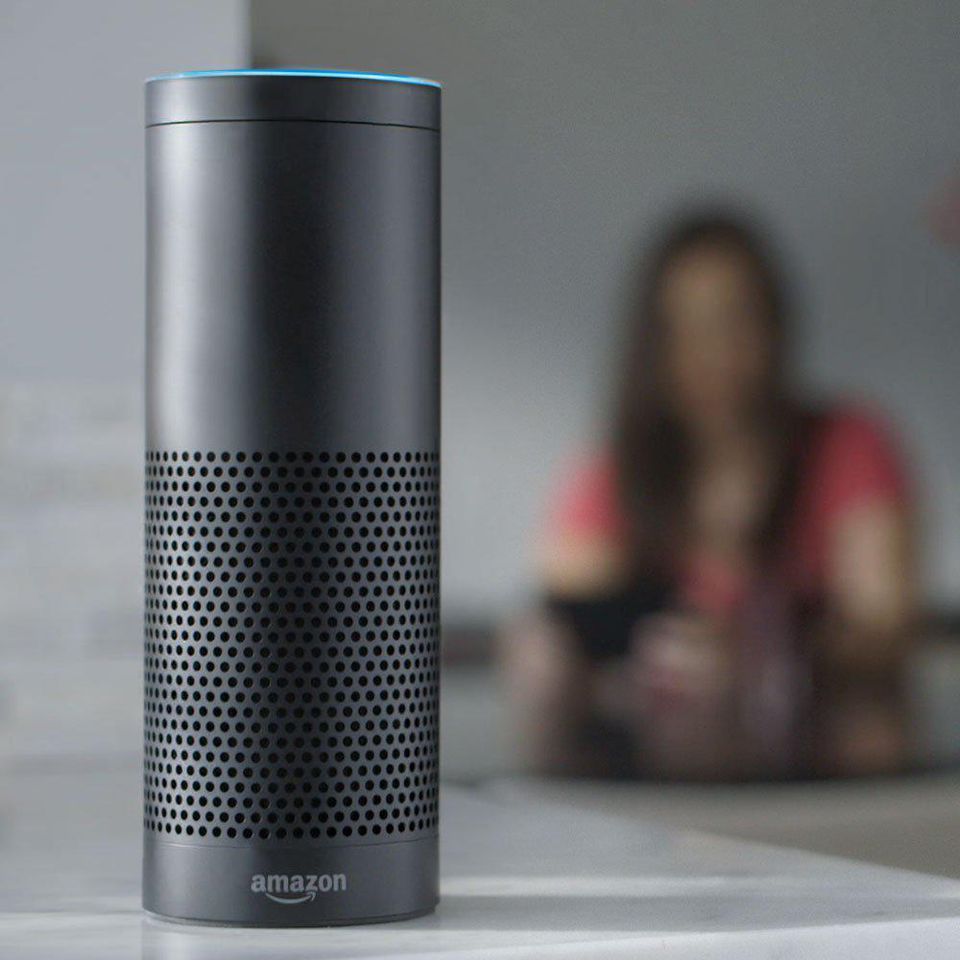
AI is being used by restaurants to cut costs, improve guest experience and user interfaces, and increase overall efficiency. For example, following in the footsteps of Dunkin Donuts and Chipotle, which in 2018 and 2019 respectively announced integration with Amazon Alexa and other AI voice assistants to allow customers to pre-order with Alexa-enabled devices, McDonald’s recently began the rollout of its own voice-activated AI-powered drive-thru service.

And demand for such technologies is only growing: According to a new survey from the MDR Group and Progressive Business Insights, there has been interest from many consumers—more than two-thirds of adults—for restaurants to implement voice-assisted ordering both in person and remotely.

How Artificial Intelligence Can Advance Inclusivity

The fact that the restaurant industry is already embracing AI leaves it well-positioned to adopt changes that highlight accessibility as well. For example, voice-activated AI makes ordering food as simple as having a conversation, and can allow physically disabled patrons to do so with greater ease. Legal accessibility guidelines for AI or voice technology have yet to be officially established, but voice-compliant AI can be turned from a mere convenience into an opportunity to give voice and independence to those who need it most—namely, the 7.5 million Americans who live with speech impediments and cannot take full advantage of the voice tech revolution that is now hitting the restaurant industry.

Some restaurants have added voice ordering to improve accessibility.
Photo credit: Starbucks

Startups like Evinced and Wayfindrare are at the forefront of such an AI-accessibility revolution, helping companies across various sectors make their websites and software compatible with the needs of the disabled population. Ava is tapping into the power of AI to convert speech to text for the hearing impaired. The vision at our company is to harness speech recognition technologies to help people with non-standard speech communicate and be understood using their own voice, giving voice to everyone –including those who want to order food via voice recognition technologies but were previously unable. As issues of accessibility and inclusion move to the forefront of the public conversation, such burgeoning technologies are giving real hope that innovation can help break down barriers and expand access to goods and services for all.

According to a recent report published by the Word Intellectual Property Organization, disability assistive technologies are seeing massive growth in the world market—so much so that the assistive tech market is expected to reach $31.6 billion in 2027. For far too long, accessibility has had to catch up with innovation. This projected growth in inclusivity innovation points to a future where that need not remain the case.

The hospitality industry is making great strides when it comes to making services accessible to all—a phenomenon which has only accelerated with the advent of extraordinary technologies inspiring change and enabling all restaurants to design and innovate with accessibility in mind.

In our current cultural climate, being inclusive not only expands business reach to a wider market, it also adds brand value, shows that a company cares about each and every one of its customers, and ultimately puts that brand on the right side of history as we make strides towards a better, more inclusive future for us all.

About the guest author: Danny Weissberg is an engineer turned serial entrepreneur with experience leading and managing teams in Israel’s hi-tech scene for over fifteen years. After his grandmother suffered a stroke, which left her with unintelligible speech, Weissberg was inspired to create Voiceitt, a voice recognition technology that allows people with speech impairments to communicate with anyone, anywhere. As CEO & Co-Founder, he leads a team of skilled technologists, business professionals, and speech and occupational therapists at headquarters on two continents.

This article was originally published by Modern Restaurant Management; reprinted with permission.