Friday, February 20, 2026
spot_img
autism products
Html code here! Replace this with any non empty raw html code and that's it.
Home Blog Page 71

Businesses Named “Best Places to Work for Disability Inclusion”

0

This past summer, results from the 2019 Disability Equality Index (DEI) were unveiled by Ted Kennedy Jr., bone cancer survivor, amputee and Board Chair of the American Association of People with Disabilities (AAPD) recognizing top-scoring companies as “Best Places to Work for Disability Inclusion.” The record-breaking 180 businesses that participated in the 2019 DEI represent leaders across 28 business sectors, including financial services, technology, insurance and health care.

The Disability Equality Index (DEI) is a unique, joint initiative of Disability:IN and the American Association of People with Disabilities (AAPD). It serves as the nation’s most comprehensive annual benchmarking tool allowing America’s leading corporations to self-report their disability policies and practices. This evolving index objectively scores each corporation on a scale from 0 to 100—100 representing the most inclusive. The DEI was developed by the two national leaders in consultation with the appointed DEI Advisory Committee, a diverse and voluntary group of experts in business, policy and disability advocacy.

In its fifth year, the DEI continues to see an increase in year-over-year participation, with the number of top-scoring companies more than tripling to 156 in 2019 as compared to 43 in 2015, signaling a steady growth in disability inclusion across all industries.

“The DEI helps companies measure their own progress on disability inclusion and challenges them to improve their policies and practices – not just because it’s the right thing to do, but also because it’s also good for business,” said Ted Kennedy, Jr., disability rights attorney and board chair of AAPD. “Research shows that companies that champion disability inclusion significantly outperform their peers across key financial indices including revenue, net income, profit margins and shareholder returns. AAPD is truly impressed by this year’s DEI participation and we’re proud to collaborate with the business community to prioritize industry-wide disability inclusion practices.”

“The DEI is designed to promote and advance disability inclusion practices and policies within corporate America that lead to better employment outcomes for and inclusion of people with disabilities, as employees, customers and suppliers. When businesses include people with disabilities, everybody wins,” said Jill Houghton, President and CEO of Disability:IN.

The number of participating businesses with a disability-focused employee resource group (ERG) sponsored by a senior executive has increased from 64% to 86%. As of 2019, 93% of businesses audit their public-facing websites for accessibility, compared to just 57% one year ago. These participating businesses represent over 8.6 million employees, 3.7% of which self-identify as having a disability.

The comprehensive efforts of participating DEI businesses highlight trends within industries and opportunities for improvement.

Indicators of commitment to disability inclusion:

  • 93% of companies report having a senior executive who is recognized internally as being a person with a disability and/or as an ally for the community.
  • 84% of companies have a company-wide written statement of commitment to diversity and inclusion that specifically mentions disability.
  • 92% of businesses encourage employees with a disability to self-identify, and 95% have a confidential process that allows them to do so.

Opportunities for disability inclusion improvement:

  • While 93% of businesses utilize a company-wide engagement survey, only 36% review the survey results for employees who have identified as having a disability.
  • Only 54% of businesses have a diversity council that specifically recognizes disability inclusion as an area of focus.
  • Just 30% of businesses have company-wide disability-focused goals in place for supplier inclusion and diversity.

The 2019 DEI Report dives deeper into the insights of the 2019 DEI results and can be accessed here: DisabilityIN.org/DEIReport2019.

Companies can register for the 2020 DEI at https://www.disabilityequalityindex.org/register.

Looking for similar content? Check out “Create an Accessible Workspace with these Disability-Friendly Pieces.”

Bootifully Adaptive Halloween Costumes for Trick-or-Treaters of All Abilities

0

Tricks aside, Halloween is full of treats. Haunted houses, spooky corn mazes, pumpkin spice galore and, of course, candy, candy and more candy! But, let’s be honest, the most thrilling part of celebrating All Hallow’s Eve is the costumes. For just one night annually, trick-or-treaters can dress up as anything their hearts desire. For people with disabilities, however, shopping for adaptive Halloween costumes can be a little daunting, right?

Well, here’s some “boo-tiful” news… adaptive Halloween costumes have become much more accessible. In fact, Target recently released adaptive costumes by Hyde and EEK! Boutique, available online only. The line proved to be wildly popular and Target quickly sold out of select Hyde and EEK! Boutique items. “We’re amazed and truly humbled by our guests’ initial response,” Julie Guggemos,Target’s senior vice president of Owned Brand Management and Product Design, said in a press statement. “And our team’s moving fast to restock before Halloween so more families can get in on the fun.”

This isn’t Target’s first shot at adaptive clothing. In August 2017, the company debuted sensory-friendly pieces within their Cat & Jack brand. The garments feature side and back snaps, zip closures, hidden openings for abdominal access and more. And, earlier this year, Target launched Pillowfort which features sensory-friendly home décor.

Adaptive Halloween Costumes Available at Target.com

1. Pirate Costume

Cost: Costume $25 | Pirate Ship $45

This Halloween option has two components: a pirate costume and a pirate ship for sailing the seas on All Hallow’s Eve. The back opening of the costume allows it to be easily accessible for wheelchair users; plus, the roomy pant openings will let your child dress the part with shoes on. The ship itself can be cut to fit many wheelchair sizes, and it stays in place with hook-and-loop closures. [photo above]

2. Princess and Carriage

Cost: Costume $20 | Carriage $45

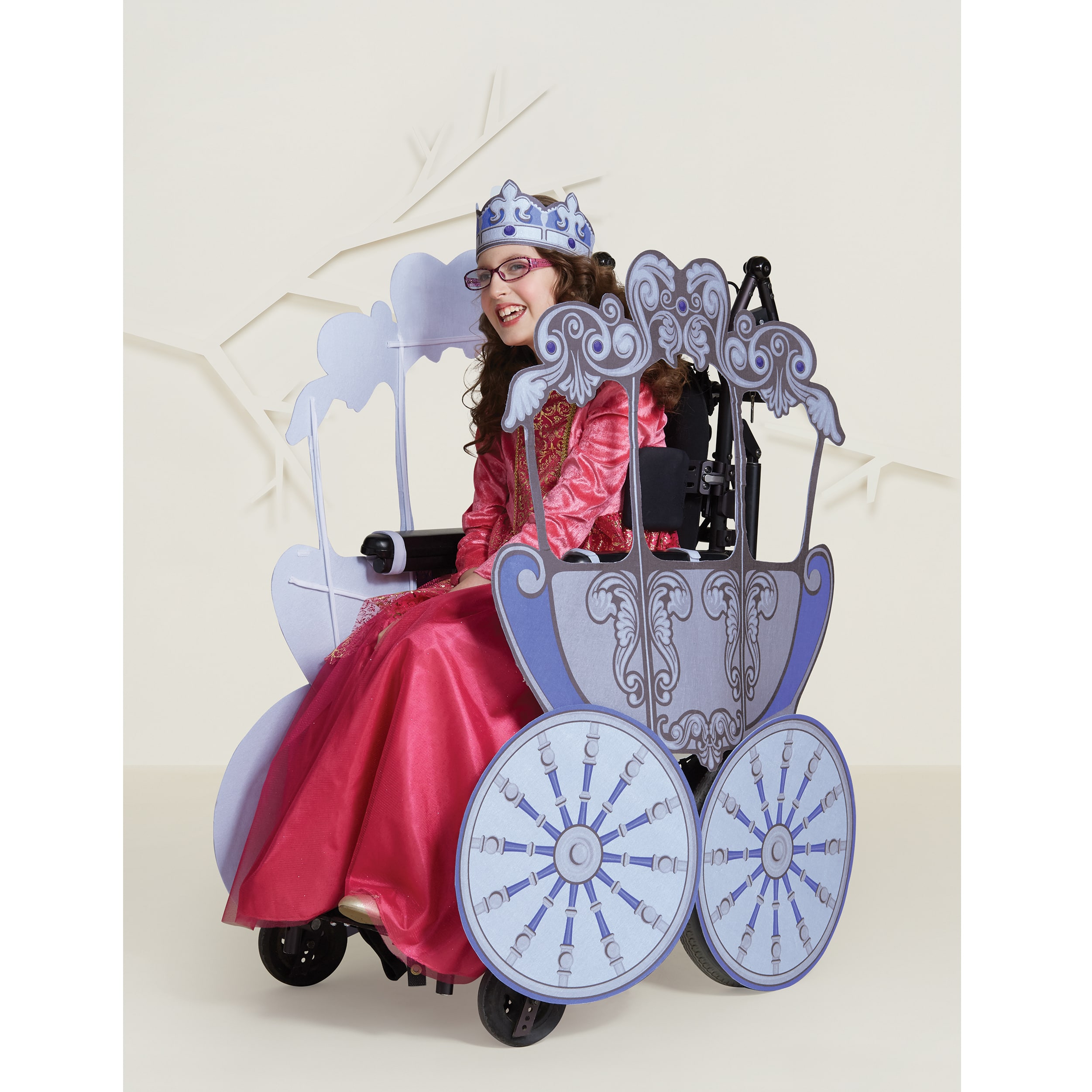
Like the previously mentioned costume, this adaptive option is also a costume combo… but fit for royalty! With the sides of the chair displaying intricate designs, onlookers will be dazzled by the whimsical princess rolling by. It includes matching wheel covers and a crown. The dress shines a bright pink through the gray and purple carriage.

Adaptive Halloween costumes are available at Target.
photo credit: Target

3. Sensory-Friendly Shark

Cost: $25

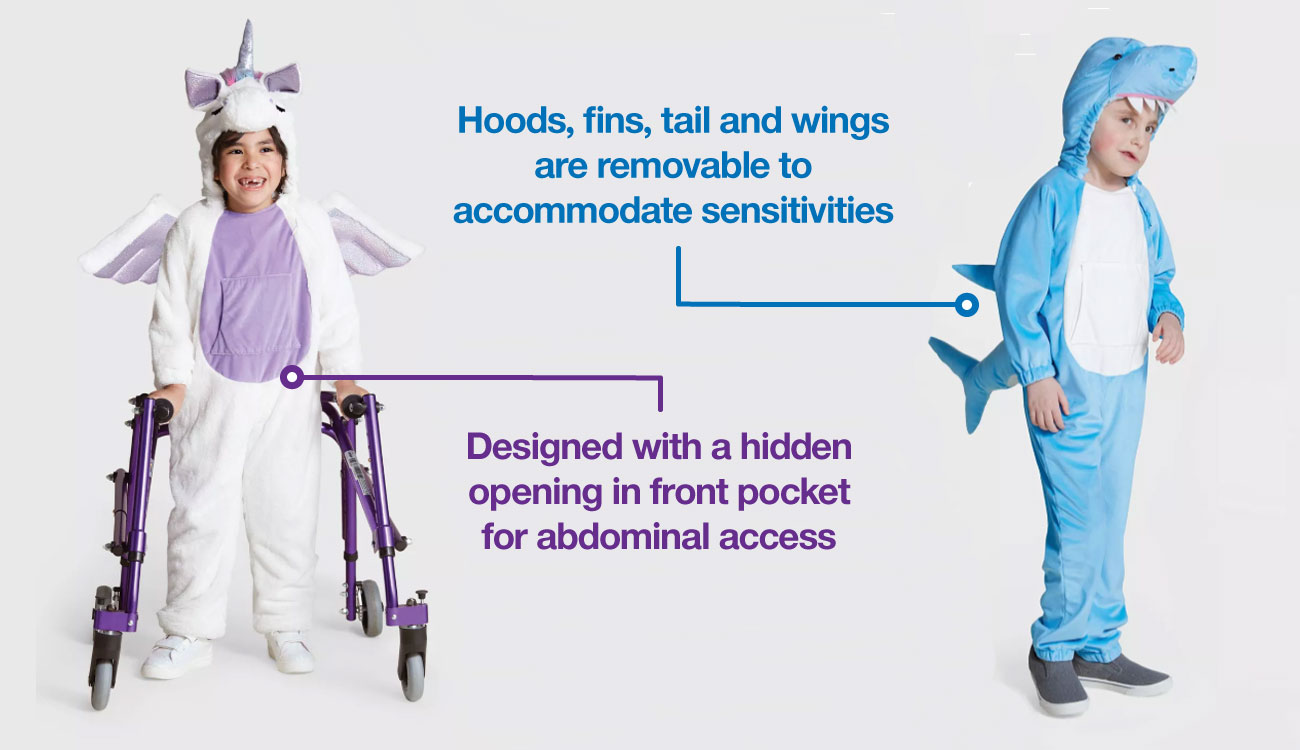
You know the song… “Baby Shark…doo doo doo doo.” Along with flat seams and tag-free features, the hood, tail and fins of this sensory-friendly costume can be detached to suit your child’s special needs. The plush costume is sure to make a splash on Halloween!

4. Universal Unicorn

Cost: $25

This majestic costume is similar to the design of the Shark but, naturally, with wings and a horn. The wings can be detached if needed to let your child play more freely.

Adaptive Halloween costumes make the holiday more inclusive.
photo credit: Target

Homemade Adaptive Halloween Costumes

Sometimes the one-of-a-kind look you desire can only be achieved with homemade customization. Here are some homemade adaptive Halloween costume ideas:

1. Finding Nemo

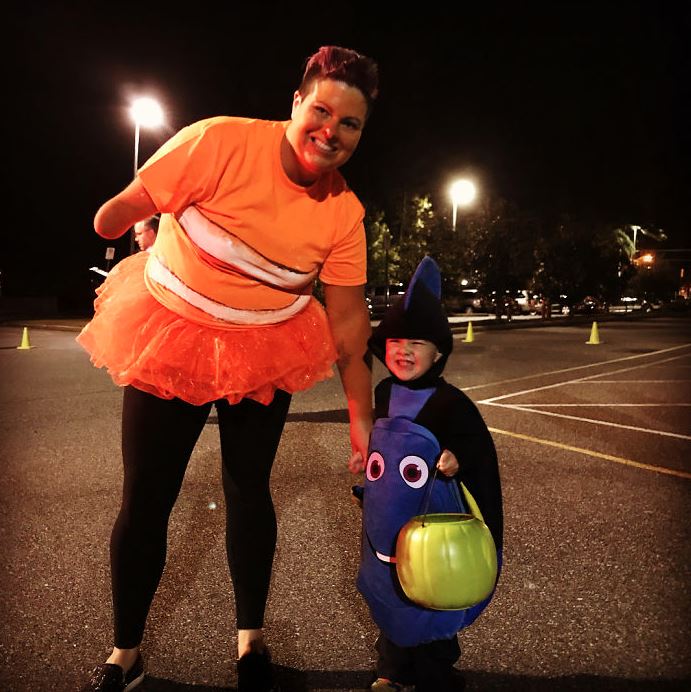
Nemo, the beloved clown fish from Disney’s Finding Nemo has an impaired fin. For Nemo fans that also have limb impairments or amputated arms, check out this Nemo and Dory pair.

Halloween should be inclusive of all people.
Photo credit: theonearmwondermom on Instagram

2. Tigger

Everyone loves the energetic pal bouncing on his tail from Winnie the Pooh, right? Check out Josh Sundquist and his wife, Ashley. Josh, a Paralympic ski racer and motivational speaker, uses one leg as Tigger’s tail (below). He actually describes himself as a Halloween costume enthusiast; check out his other costume designs here.

Photo credit: Josh Sundquist with his travel blogger wife, Ashley

3. Steampunk X-Men

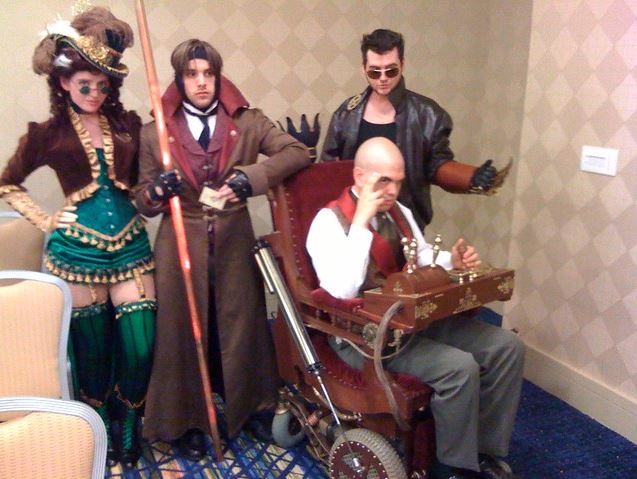
The famous team can go out in style with Professor X.

Adaptive wheelchair designs.
Photo credit: James H. on flickr

For more ideas, check out this Bored Panda article and this Halloween.com article.  

Don’t Let Cost Scare You from Halloween Fun

If your child has always dreamed of an awesome wheelchair costume that’s out of your budget, applying for costume creation assistance through Magic Wheelchair, a nonprofit that makes costumes at no charge! The founder, Ryan Weimer, launched the effort in 2008 after making a pirate ship for his son who has spinal muscular atrophy.

Check out this video about Magic Wheelchair:

Feature image credit: Target

6 Keys to the Best Possible Stroke Recovery

0

Strokes change more than 795,000 lives in the United States each year.

In fact, according to the American Stroke Association, brain blockages or bleeds are one of the most common causes of disability and the fifth-leading cause of death. Starting the right rehabilitation program as soon as possible may help survivors recover better. One patient’s rehab journey might include balance, strength or mobility, while another might need speech or other therapies.

“The residual impact of a stroke can vary widely between patients in terms of deficits and severity,” said Pamela Duncan, Ph.D., F.A.H.A., American Stroke Association volunteer and professor of neurology at Wake Forest Baptist Health. “A rehabilitation program designed for you, where you need it, whether at a hospital or at home, is critical.”

For example, Jessica Alfonso was just 33 when she suffered a stroke. She credits her husband, Pablo, with saving her life – not just through the quick thinking that ensured her prompt medical care, but for being her voice as she worked to regain her ability to speak, read, walk and eat independently.

“He was with me for six weeks of inpatient rehabilitation,” Alfonso said. “Encouraging me and helping me communicate with my team while I re-learned everything. Without him, I may not have survived my stroke and I definitely wouldn’t be where I am today.”

Stroke rehabilitation is essential for recovery.

The American Stroke Association’s Together to End Stroke™ initiative, nationally sponsored by Kindred Hospital Rehabilitation Services, provides recovery tips and resources for stroke survivors and their caregivers such as:

  1. Ask your doctor for an assessment of physical and cognitive challenges you face after a stroke and a specific plan to address each challenge.
  2. Work with your doctor to create a plan to manage risk factors to prevent another stroke. This may include being physically active, not smoking and managing your blood pressure.
  3. While recovery can occur years after a stroke, the most rapid recovery typically occurs during the first three months. As soon as your medical team gives the “all clear,” start your personalized rehabilitation program right away.
  4. It is recommended by American Heart Association guidelines that patients who can tolerate and are eligible for rehab at an inpatient rehabilitation facility receive it. However, rehabilitation can happen anywhere from a formal rehabilitation facility to the comfort of your home. Ask your medical team for recommendations on the best local rehab options to maximize recovery.
  5. Talk with your health care provider about any financial constraints, such as ability to pay for medications, so a plan can be developed to identify alternative community resources if needed.
  6. Communicate and follow up regularly with a team of health care providers as some challenges – such as remembering medications – may not be immediately clear.

“For many survivors, your functional state prior to the stroke plays a big role in how you recover,” Duncan said. “Working with your team of loved ones and health care providers to find and stick with the best rehabilitation program for you is key.”

For more information about recovery and how to make informed decisions after a stroke, visit stroke.org/recovery.

[family features]

5 Ways Technology is Transforming Hearing Aids

0

Around 37.5 million adults in the United States report some trouble hearing, according to the National Institutes of Health (NIH). However, it is an undertreated condition with the NIH also estimating 28.8 million adults with mild to severe hearing loss could benefit from hearing aids. Thanks to ever-evolving technology, devices that improve hearing loss are more user-friendly than ever.

Of course, today’s hearing aids help people hear better, but technology also is revolutionizing the way people use their hearing aids. For example, people can now use them like a headset to enjoy music, take calls and more, simply by streaming sound directly from their mobile devices.

If you’re considering a hearing aid for yourself or a loved one, or are just intrigued by how technology is changing the future for those who experience hearing loss, consider these five technology advancements that are helping people connect and hear better:

1) Rechargeable batteries

The tedious chore of changing hearing aid batteries is a thing of the past. Now you can have hearing aids with rechargeable batteries and portable chargers. Recharging at home is simple: an overnight charge is all they typically need to be ready again in the morning. Some models even feature batteries and chargers that can be ready to go another eight hours on just 30 minutes of charge time.

hearing aid technology
photo credit: CDC

2) Direct streaming from mobile devices

Until recently, only iPhone users have been able to stream music or calls directly to their hearing aids. Now, using updated Bluetooth Low Energy streaming technology, people with hearing aids, such as Beltone’s Amaze, can stream audio directly from their compatible Android device for more than 12 hours while still preserving 24 hours of battery life before a recharge is needed. Previously, hearing aids that directly streamed from Android devices have relied on classic Bluetooth, which can cut 24 hours of hearing aid battery usage in half after only 4 hours of direct streaming.

3) More natural sound

The latest microprocessing technology means hearing aids deliver a clearer, fuller and richer sound experience in any listening situation. Now users can hear the textured tones that make everything from a dinner conversation to a quick joke to a theater performance more fulfilling. Technology is also able to help people manage situational changes, make conversations and ambient noise sound more natural and allow users to choose which sounds to focus on. The hearing aids can even make automatic adjustments to account for sudden loud noises.

4) Smartphone apps make it easy

Hearing aid users can use smartphone apps to discreetly manage device functions, such as checking battery status and adjusting volume to using more advanced finetuning features that control speech focus, noise and wind filters. Some apps even offer a “find my hearing aid” feature.

hearing technology helps people with disabilities
photo credit: CDC

5) Tech-enabled customer care

Working with a hearing care professional is essential in treating hearing loss and maximizing the benefits of hearing aids, but it doesn’t mean you have to spend time trekking back and forth to your audiologist’s office. For example, Beltone’s Remote Care program enables users to connect directly with their hearing care professional via the HearMax app. After submitting a request, users can adjust their hearing aids with a simple tap on their phones without an office visit. To learn more, visit Beltone.com. You can also take a free online hearing test on this website.

[Family Features]

Movie Industry Increases Prejudice Against People With Disabilities

0

Unlike in television, where disability representation has gone up in recent years, the percentage of characters with disabilities in the top 1,200 films has hit a four-year low. Just 1.6 percent of the 4,445 speaking characters analyzed have a disability, according to the study by the USC Annenberg School for Communication and Journalism. Five of these films revolved around an underrepresented leading character with a disability and one showcased a leading character from the LGBT community.

“Including characters with disabilities does not happen by accident,” said Lauren Appelbaum, who leads RespectAbility’s Hollywood Inclusion efforts as the organization’s Vice President of Communications and author of The Hollywood Disability Inclusion Toolkit. “What we see on screen influences how we act in real life, but that is dependent on filmmakers choosing to include individuals with disabilities in diverse and accurate portrayals. Thus, when just fewer than two percent of films include speaking characters with disabilities, the disability community is pretty much erased on screen. When filmmakers choose to include characters with disabilities, they can help to remove the stigmas that currently exist about interacting with individuals with disabilities.”

Because of this, RespectAbility has been active in educating the film industry on not just why but also how to be more inclusive and accessible. The nonprofit disability inclusion organization released The Hollywood Disability Inclusion Toolkit in March 2018 and has followed up with trainings for major studios, meetings with writers’ rooms and engagement with the guilds. The Producers Guild, for example, recently published a piece in the ProducedBy magazine on how to reach, connect with and support people with disabilities. The hope is to create enough buy-in to ensure that filmmakers and writers intentionally include characters with disabilities in their work.

When the Annenberg study began tracking disability four years ago, it found 2.4 percent of speaking characters had disabilities, staying fairly consistent at 2.7 percent in 2016 and 2.5 percent in 2017. In each of those years, at least one film (two in 2015 and 2017) had proportional representation of characters with disabilities, compared to the U.S. Census information. None of the films evaluated from 2018 featured proportional representation of characters with disabilities when compared to the U.S. population.

“With more than a quarter of the U.S. population identifying as having a disability, these numbers are dismal,” Appelbaum added. “In fact, the difference between the percentage of speaking characters with disabilities and reality in the U.S. population is the largest difference in the inclusion crisis in film, at 25.6 (27.2% of U.S. population versus 1.6% of speaking characters).”

More than half of the films (58) evaluated in 2018 did not include a single character (even non-speaking role) with a disability, a four-year high. Furthermore, 83 films had no female characters with a disability. This is an increase from 2017 but on par with 2015. “You’re basically seeing the erasure of whole communities,” said Marc Choueiti, program director at the Annenberg Inclusion Initiative and one of the study’s authors.

“Entertainment contributes to our values and ideals,” RespectAbility’s President Jennifer Laszlo Mizrahi added. “With just 1.6 percent of speaking characters having disabilities in film, compared to 25 percent of American adults having a disability, we will continue to work with entertainment leaders to promote positive, accurate, diverse and inclusive media portrayals on TV and in film. Disability impacts every gender, race, age and sexual orientation. We want the film industry to understand that accurate, authentic and diverse portrayals of disability benefit everyone.”

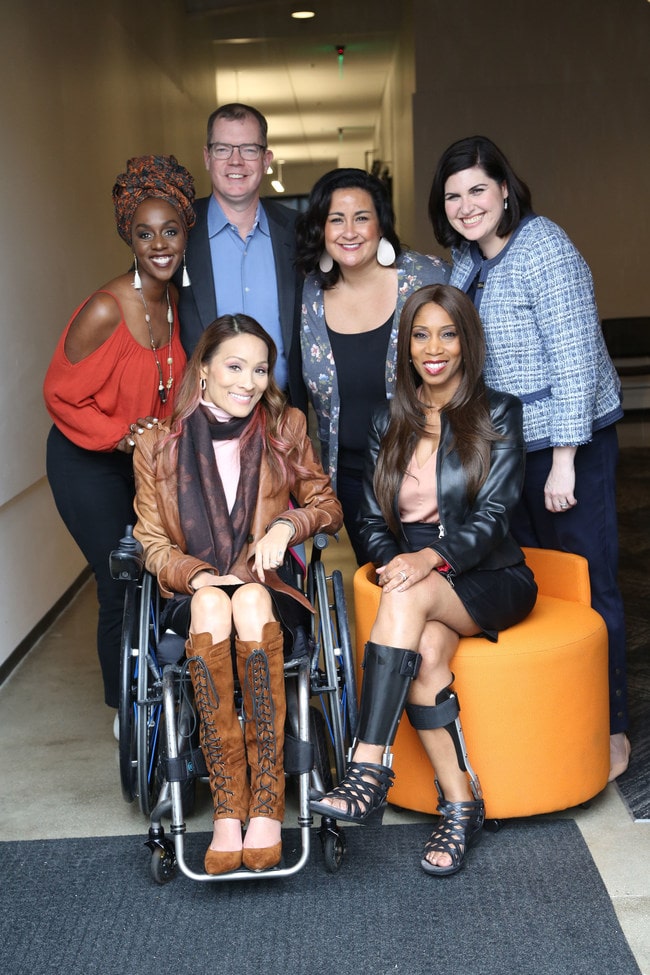
A diverse group of individuals with both visible and nonvisible disabilities
A diverse group with both visible and nonvisible disabilities.

Disability Affects All

Despite the fact that people of all races, ethnicities, genders, sexual orientations, etc., have disabilities, the films evaluated in this study do not show it.

Nearly three-quarters of the characters with disabilities were male (72.5%) and 27.5% were female. Most characters with disabilities were white (63.1%), while 36.9% were from underrepresented racial/ethnic groups. Just two characters with disabilities were LGBT.

One statistic represents improvement, however. The percentage of underrepresented characters with disabilities increased 9.9 percent points compared to 2017. A corresponding decrease in white characters occurred. However, the numbers leave a lot of room for additional improvement.

“Once again, the predominant picture of characters with disabilities is one of a straight, white, male,” the study reports. “These results have remained consistent across the four years of films examined, which means that for nearly half of a decade, audiences have seen persistent under and misrepresentation of individuals with disabilities in top movies.”

Disabilities Represented

A total of nine films had a lead or co-lead character with a disability. These individuals experienced depression, dyslexia, disfigurement, blindness, heart conditions, HIV/AIDS or missing limbs. Five of these films centered on an underrepresented leading character with a disability, and one movie showcased the story of an LGBT leading character with a disability. In terms of ensemble casts, two films featured leading characters with disabilities, one male and one female, both of whom were white, and one was bisexual.

In terms of all characters with a speaking role, more than half of the characters (38) were shown to have a physical disability (55.1%), including mobility issues, amputation or severe disfigurement. Nearly one-third (30.4%) of characters have a cognitive disability, such as depression, anxiety or PTSD. And 27.5% of characters were shown with a communicative disability, such as blindness or deafness. As a character could experience a disability in more than one domain, the percentages do not total to 100%.

When looking behind the camera, there are no statistics for people with disabilities. Currently, no major production company tracks disability status for any of its employees, so the data does not yet exist.

Room for Improvement

While the statistics for characters with disabilities – as well as those who are LGBTQ – are lackluster, the overall numbers for women and people of color as leads increased in meaningful ways.

“The good news is companies are making more of an effort to be inclusive,” said Stacy L. Smith, director of the USC Annenberg Inclusion Initiative and one of the study’s authors. “We’re seeing movement. Of course, we always want it to be faster, but all of the activism and advocacy appears to be yielding results.” She added, “We’re seeing that studios are recognizing that all that mythologizing about who can lead a film or carry a film was just that — mythologizing.”

Looking for similar content? You may like:

Source: RespectAbility via PRnewswire; Feature image credit: History.com

First-Ever Sensory Inclusive Marathon Scheduled to Take Place This Month

0

Runners of the Akron Children’s Hospital Akron Marathon Race Series Marathon, Half Marathon and Team Relay, presented by FirstEnergy, are set to participate in the first-ever sensory inclusive marathon on Saturday, September 28, 2019, thanks to a partnership with KultureCity.

KultureCity, a leading non-profit with a mission to revolutionize and effect change in the sensory-needs community, will be onsite with their sensory activation vehicle, along with available sensory inclusive toolkits — equipped with noise-canceling headphones, fidget tools, verbal cue cards and weighted lap pads — that will also be available to all guests at the Akron Marathon who may need additional support in the race environment.

To prepare for the partnership, Akron Marathon staff and volunteers will be participating in a certification process to help them support guests and fans with sensory needs and to give them tips on how to handle a sensory overload situation.

Sensory inclusion allows the marathon and its staff to provide a safe space for individuals with autism, PTSD, Parkinson’s disease and early-onset dementia. In the event that a scene becomes too overwhelming, guests can enjoy the morning in a dedicated space designed to ease the mind and calm the senses.

MaryBeth Emerich, a FirstEnergy employee, Akron Marathon volunteer and mom of three sons with autism spectrum disorder (ASD), is thrilled knowing a safe space exists for her children at the marathon she adores.

“I know my sons can now attend this event, thanks to KultureCity’s sensory inclusive help, and I’m aware that this is one more step to raising awareness and full inclusivity in the community,” states MaryBeth Emerich. “This is an amazing event that benefits Akron Children’s Hospital, and with the partnership of KultureCity, we can bring awareness and help include a community that otherwise may not feel comfortable participating or attending. I am so proud to volunteer with FirstEnergy and to represent THRIVE.”

THRIVE is one of the nine FirstEnergy Employee Business Resource Groups (EBRGs). THRIVE’s mission “is to foster an inclusive work environment where employees with physical and mental disabilities and conditions are empowered to be authentic, valued, and respected.” THRIVE also provides support and encouragement for employees who have family members and friends with physical and mental disabilities and conditions.

Prior to attending an event, families can download the free KultureCity App where one can view what sensory features are available and where they can be accessed.

Sensory-friendly race.
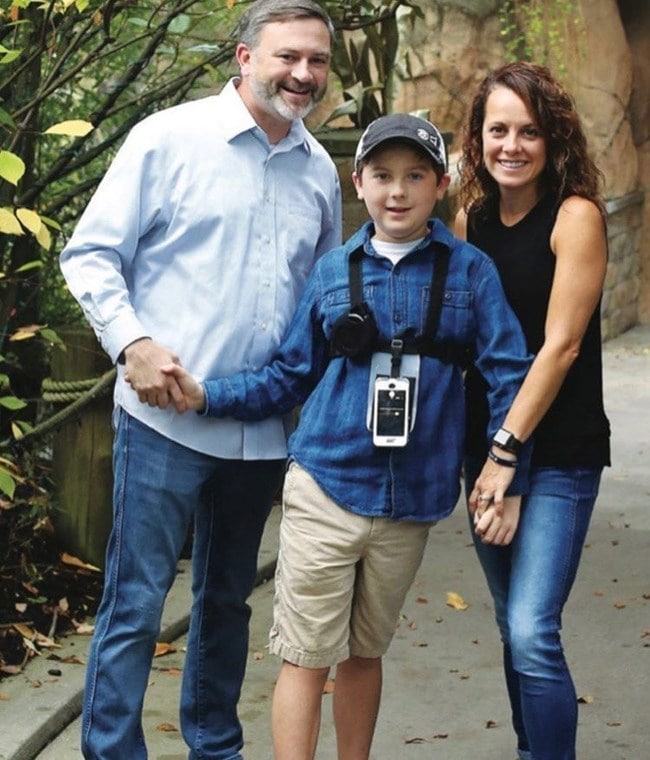
Amy Belles with her family.

“I believe if you truly want to see change, it starts with you,” states Amy Belles, KultureCity Ohio’s Co-Founder.

In 2016, Amy began running after her nonverbal son was diagnosed with autism. Amy wanted to see change, not only for her son, Carson — but for other children and became a vital part of KultureCity with her husband, Jeff. Since 2016, KultureCity has gone from seven sensory inclusive ventures to more than 400 in four different countries.

“Knowing that all of your loved ones can now be included, feel safe and welcomed motivates my every step,” states Amy. “And having the first marathon be in my hometown of Akron, Ohio makes it that much more special.”

“In the Northeast Ohio running community, inclusion and support are pillars of our foundation,” states Anne Bitong, Executive Director, of the Akron Marathon Charitable Corporation. “Runners cheer for each other, run back to ensure a stranger can cross a finish line—and now for the first time in the county—runners and spectators of all abilities are not only encouraged to attend but will feel intentionally welcomed.”

This year, the Akron Marathon team will host more than 15,000 runners across its 2019 events all supporting Akron Children’s Hospital. Runners looking for a deeper level of engagement with the hospital can join the race as a Children’s Champion, a race participant committed to raising $250 to $1,000 for Akron Children’s Hospital. For more information, race registration and volunteer opportunities for the final race series event, please visit at AkronMarathon.org.

Source: Akron Marathon Charitable Corporation (via PRnewswire)

How People with Chronic Disease Can Tackle Disaster Planning

0

Natural disasters, such as hurricanes, floods, tornados and wildfires can be stressful and devastating for persons living with a chronic disease. Here are tips to help reduce the risk of illness or serious health complications if a disaster strikes.

General Planning

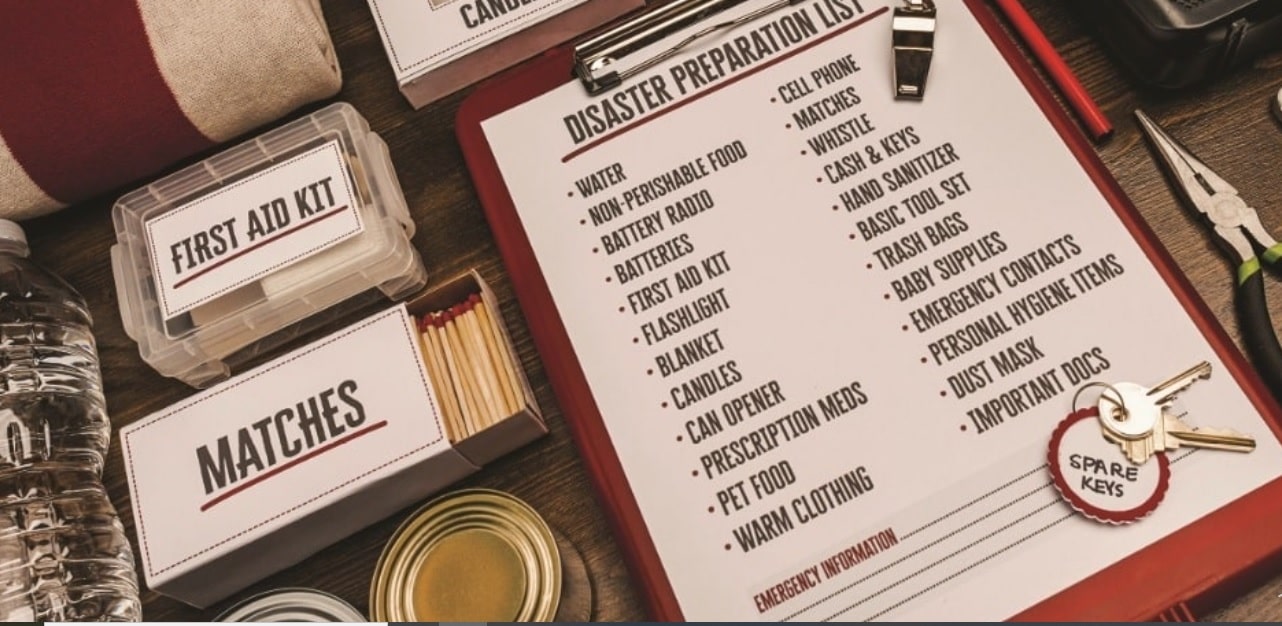
  • Make an emergency plan and a supply kit. Maintain at least a three-day supply of water, food, and medicine. Consider signing up for SMART911, Code Red, or your local county registry. These services help first responders identify people who may need assistance in a disaster.
  • If you need to leave your home, know where to go (e.g., family members house, shelter) and be prepared to leave quickly. Have medicines, medical records, insurance information, and healthcare provider’s information with you.
  • Ask your doctor for an extra supply of prescribed medicines, and have a list of all prescription medicines (including name, dose, and pharmacy information). If staying in a shelter or temporary housing, tell the staff about your health issues, special needs and any medicines you are taking.
  • Keep medicines, supplies, and equipment out of the heat and in a safe and waterproof location. If you use medical equipment that works with electricity, learn How to Prepare and Handle Power Outages.
  • Check if the Emergency Prescription Assistance Program (EPAP) is activated after a disaster. This free service helps residents get medicine, medical supplies, medical equipment and vaccines that were lost, stolen, or damaged due to the disaster. Call 855-793-7470 to enroll or visit the EPAP website. Check RX Open to find open pharmacies.
  • Take steps to avoid getting an infection or illness. Clean up, disinfect, and wash your hands often, and stay away from moldy or dirty places. If you do not have soap and clean water, use an alcohol-based hand sanitizer. Seek immediate medical care if a wound develops redness or swelling, or if you have other signs of infection, such as fever, increasing pain, shortness of breath, confusion, disorientation, or high heart rate.
  • During or after a natural disaster, it may be hard to find the food that you usually eat, particularly if you are on a special diet. Try to eat as healthy as possible by choosing foods that are lower in added sugars and salt.
  • If you feel overwhelmed, reach out to family, friends, support groups, or a healthcare professional for support. Engaging in physical activity can help you to reduce stress, manage your condition and cope with a natural disaster.

Chronic Disease Specifics

Here are examples of common chronic conditions and things you can do to keep you and/or a loved one safe during a disaster.

Heart Disease and Stroke

  • Stress from a disaster can lead to heart disease symptoms. Know the signs and symptoms of heart attacks and stroke.
  • Disasters may cause increases in blood pressure. Monitor your blood pressure regularly, particularly if you have high blood pressure.
  • Wildfire smoke and disaster-related air pollution can cause an increase in heart disease symptoms, such as chest pain, heart attacks, difficulty breathing, abnormal heart beating, or worsening symptoms of heart failure and stroke. Seek medical attention if you or someone you know is experiencing these symptoms.
  • Get enough sleep to protect your heart health.

Diabetes

  • Follow the Diabetes Preparedness Plan. Store three days of diabetes supplies and consider having an extra glucagon emergency kit.
  • Keep your insulin, supplies, and equipment in a safe location. Insulin remains usable for 28 days at room temperature up to 86°F. Learn how to store insulin.
  • Check your feet every day for cuts, redness, swelling, sores, blisters, corns, calluses, or any other change to the skin or nails. Call a healthcare provider as soon as possible if you see an injury or wound.
  • For more information visit the Diabetes Disaster Response website or call 1-800-342-2383.

Kidney Disease: Dialysis Care

  • Call your dialysis center to see if they are open or your local health department. They may be able to assist with transportation to the dialysis center or recommend another location if yours is closed. If you need assistance or are having difficulty contacting your dialysis clinic, call the Kidney Community Emergency Response (KCER) Hotline at 1-866-901-3773.
  • If you are unable to get your treatments, follow the 3-Day Emergency Diet. If you are pregnant or have an infant or child who is on dialysis, talk to your doctor or dietician about modifications to this diet. This plan could save your life or the life of your child.
  • If you have a home dialysis machine, you may be able to do manual exchanges until the power comes back on. Consider buying a small backup generator so you have continuous power.

Cancer

  • Have a summary of your cancer treatment plan including the type of cancer you have, treatment received, physician contact information, and a list of your medicines and doses.
  • If you have a Cancer Survivorship Care Plan, bring it with you if you need to leave your home.
  • If you are being treated with chemotherapy, watch for signs of an infection, such as chills and sweats, a sore throat or other pain, nasal congestion, or vomiting. Call a doctor right away, if you get a fever.
  • Learn more about How to Get Ready for a Natural Disaster When You Have Cancer and Coping With Cancer After a Natural Disaster. For more information, call the National Cancer Information Center at 800-227-2345

Alzheimer’s Disease and other Dementias

  • Disasters can be especially upsetting and confusing for individuals with Alzheimer’s or related dementia. Be aware of signs of anxiety or agitation in persons with dementia and be prepared with strategies to calm them during times of stress.
  • If you have a family member in a residential facility, find out about its disaster plans.
  • When appropriate, share the diagnosis with others, such as hotel or shelter staff, family members and airline attendants, so they can better assist.
  • Caregivers should be aware of the potential for individuals with dementia to wander. Try to stay together or with a group if evacuated. Do not leave the person with dementia alone.

Additional Preparedness and Disaster Resources

Source: CDC

Common Questions About How Acupuncture Works

0

By Kimberly Morrison, ARNP

Did you know that 14 million Americans have tried acupuncture as a treatment technique?

Acupuncture traces its roots back more than 2,000 years ago to China but, in the last 40 years, it has found increased popularity in the United States to treat a variety of ailments. Although you may be familiar with the term ‘acupuncture,’ you may still have questions about what it is, and if it is an option for your health needs.

What Is Acupuncture?

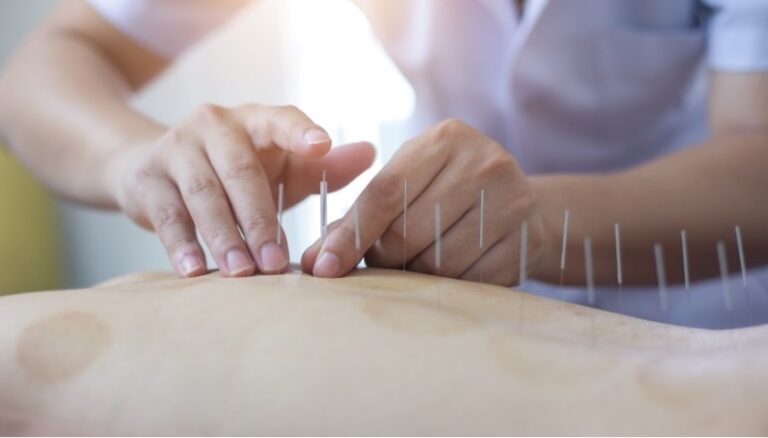
Acupuncture involves stimulating points on the body by inserting thin needles that are manipulated by hand or sometimes by electrical stimulation. By stimulating specific anatomic sites, also called acupuncture points, acupuncture can promote self-healing.

In traditional Chinese medicine, diseases are caused by the disruption of energy in the body, and acupuncture is meant to help release that flow. Western medicine offers another explanation: the needles stimulate the nerves, which sends signals to the brain to release hormones to minimize pain.

Initially, acupuncture was incorporated into Western medicine as a way to reduce pain, such as back and knee pain or headaches. But recent studies suggest that acupuncture can be used to treat a variety of disorders, including stroke, multiple sclerosis, post-traumatic stress disorder and nausea.

Does Acupuncture Hurt?

The idea of needles being stuck into the skin is daunting, but acupuncture needles aren’t anything like needles that are used for immunizations or for drawing blood. Acupuncturists describe the needles as hair-thin, stainless steel and disposable. While you may feel some sensation as the needles are inserted, it’s not described as painful. Some sensations you may feel have been described as:

  • Heavy—as if a weight is being placed on the area, but is perceived as calming, not oppressive.
  • Achy—an initial achiness at the site of the needle, which typically dissipates in seconds.
  • Electric—a quickly disappearing jolt related to the location of an acupuncture pressure point and the nerve that lies underneath it.
  • Tingly—acupuncture points can cause tingling at the site and through the body.
  • Warm—a pleasant feeling that spreads around the acupuncture point.

The bottom line is that while acupuncture can cause some unusual sensations, it shouldn’t hurt. If it does, let your acupuncturist know right away so the needles can be adjusted.

Does Acupuncture Work?

Is it worth getting stuck with needles to feel better? According to the National Institutes of Health (NIH), numerous studies suggest acupuncture can help manage pain. While much research is being done on the effects of acupuncture on other conditions, there does not seem to be a conclusive answer. However, acupuncture is proven to be effective in pain management, as well as in managing symptoms of cancer such as nausea, vomiting, diarrhea, constipation, hot flashes, fatigue and mood.

According to the UC San Diego Center for Integrative Medicine, clinical studies have shown acupuncture to be effective for ailments including allergies, depression, hypertension, tennis elbow, morning sickness, malposition of the fetus and stroke. The NIH agrees that scientific research increasingly supports the use of acupuncture for treatment of conditions in addition to pain management, noting that the practice is often covered by insurance policies.

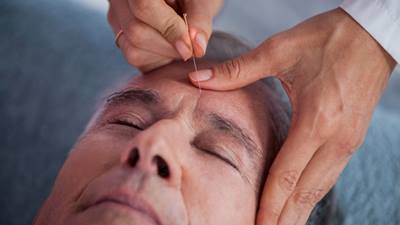
Man recieves acupuncture treatment to eyebrow

What Is Acupuncture Best For?

Acupuncture is best known to help ease pain, but the American Academy of Medical Acupuncture lists conditions the World Health Organization recommends for acupuncture, including:

  • Respiratory diseases, i.e. allergies, colds, tonsillitis
  • Bronchitis and asthma
  • Eye disorders, such as myopia, acute conjunctivitis
  • Orthopedic disorders, i.e. sciatica, rheumatoid arthritis and tennis elbow
  • Gastrointestinal disorders, such as hiccups, constipation, diarrhea, gastritis and colitis
  • Neurologic disorders, including migraine, facial paralysis and neurogenic bladder infection

What Risks Are Associated with Acupuncture?

When acupuncture is done correctly by a licensed practitioner, the risks are low. Acupuncture should be done in a clean environment, using clean, disposable and unbreakable needles.

According to the NIH, few complications from acupuncture have been reported but, when they are, they usually come from non-licensed acupuncturists using non-sterile needles and delivering treatments improperly. The NIH says these rare but serious adverse effects include infections, punctured organs, collapsed lungs and damage to the central nervous system.

Can I Use Acupuncture in Addition to Other Methods for Reducing Pain?

It’s important to get a clear diagnosis from your physician before considering acupuncture to make sure this is the right step for you. Ask your physician if he/she supports using acupuncture as part of an integrative treatment plan.

(Originally published by Orlando Health; reprinted with permission.)

Looking for similar content? You may also be interested in reading “How Color Therapy Benefits People with Disabilities.”

How Physical Therapy Can Help with Multiple Sclerosis

0

By Patricia A. Bobryk, MHS, PT, MSCS, ATP, Physical Therapist at Orlando Health

Multiple sclerosis (MS) is a neurological disease that affects more than 2.3 million people worldwide. It’s usually diagnosed between the ages of 20 and 40, and is more common in women. Because MS affects the central nervous system, it can cause a variety of symptoms such as visual, sensory, balance and cognitive issues, as well as weakness and fatigue.

Symptoms of MS can vary from person to person, as can the severity and frequency of those symptoms. Some people experience few symptoms for years, while for others the symptoms are more aggressive. While much about MS is uncertain, what is certain is that physical therapy can help those with MS treat the symptoms and improve the functional outcome of the disease.

How Physical Therapy (PT) Helps

Physical therapy, as part of a rehabilitation team that includes PT, occupational therapy and speech therapy, can help at every stage of MS.

Someone newly diagnosed and with few symptoms might assume they don’t need PT, but this is one of the most important times to get started. A qualified physical therapist can provide information on what to expect from MS and what symptoms to look for that might signal a flare up. Equally important, a physical therapist can help you get started on a good path of health and wellness that will make managing MS easier. You can still be healthy, even with the diagnosis of a chronic illness. The physical therapist can give you information about nutrition, hydration, smoking cessation and the right type of exercise program, tailored specifically for you.

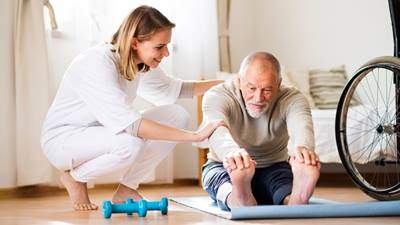
Man receives physical therapy

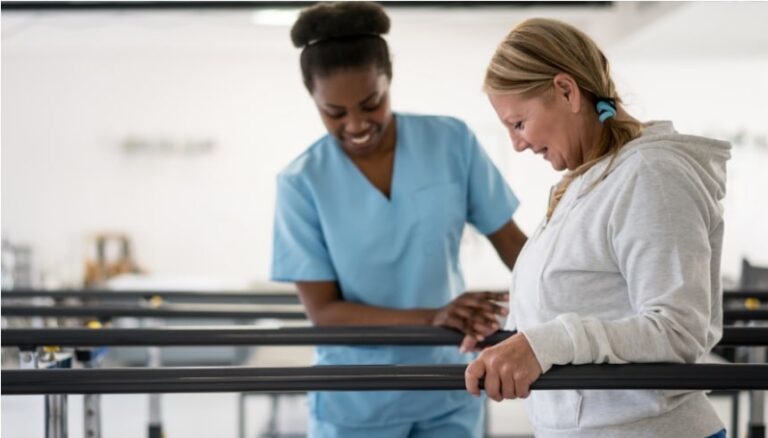
As the disease advances or after a flare up, a physical therapist can address symptoms as needed. If you develop stiffness, they can recommend effective stretches. If you’re feeling fatigued, they can devise an appropriate strengthening program that builds, not saps, your energy. They will provide a home exercise program that you can use, and they can follow and tailor your treatment throughout the course of the disease.

If at some point, you need to develop functioning skills, such as learning new ways to compensate for weaknesses, your physical therapist can help. That may include strengthening your upper body or learning to use assistive devices to maintain your mobility.

What to Look for in a Physical Therapist

If you have MS, you and your physical therapist can count on having a long relationship, so it is important to find the right person.

Make sure your physical therapist has an expertise in MS, or at least in neurology. A physical therapist at an MS center is ideal because they are trained in the specific needs of someone with the disease. For example, exercise is extremely important for those with MS, however, it should be done so that you do not become overly fatigued. In addition, the exercise shouldn’t cause you to overheat because, for someone with MS, that can cause additional symptoms to develop.

The exercises should be enjoyable—otherwise you, like most of us, won’t do them. And the exercises should change and evolve to meet your ongoing needs.

Your physical therapist should use a team approach, involving occupational therapists and a speech therapist as needed to provide you with holistic support.

MS is a lifelong condition and physical therapy should be considered a lifelong approach that starts at diagnosis and helps you minimize and address your symptoms as they occur and as they change.

Originally published by Orlando Health; reprinted with permission.

Teaching Grandkids About Kindness: Small Gestures to Put Smiles on Peoples’ Faces

0

Amid our busy lives, it’s easy to lose sight of the little things we can do to make the world a gentler, kinder place for others. As a result, our grandkids miss out on golden opportunities to emulate such kindness and its rewards. So why not set a goal with your grandchildren the next time they visit and see how many acts of kindness they can rack up in a single day?

Here are some kindness ideas to get your grandkids started:

1. Visit an elderly neighbor. Many older people are shut in because they can no longer drive. Even those who do drive, often don’t get the social interaction they need. There’s likely someone in your neighborhood who could use some company.

2. Offer a compliment. It couldn’t get any easier than this! But don’t offer praise you don’t mean because it’ll come off as disingenuous. Think about what you like about what the person is wearing, their personality, or something they’ve done.

3. Make a donation. This could be a small monetary donation to a good cause, or you could donate items you no longer need to a homeless shelter, animal rescue, or toys for tots collection.

4. Help someone with their homework. Do you know a classmate who struggles with a particular subject? Offer to help them study for a test or to understand a concept for a homework assignment.

5. Take an extra lunch to school for someone who forgets his/hers. Then when you get to school, ask your teacher to help you find a student who needs it.

6. Stand up for someone. Do you know a student who’s bullied or always left out? Look for an opportunity to tell those who are being judgmental they should be a little nicer or that they’re being unfair.

7. Offer someone your support. Do you know someone who’s going through a hard time such as a serious illness or a newly diagnosed disability, or whose parents are going through a divorce? Lend them your shoulder, and offer to listen.

8. Make friends with someone who seems left out. Is there a classmate who’s always standing alone on the playground or who sits alone at lunch? Offer to join that person.

9. Offer to help out a mom. Do you know someone with young children? Offer to spend a couple of hours watching and entertaining them while the mom catches up on chores or well-deserved solo time.

Seniors can teach their grandchildren kindness lessons.

10. Bake cookies for your teacher or boss. Show your appreciation by baking their favorite cookies or some brownies.

11. Buy a homeless person a meal. If you see someone wandering who clearly looks homeless or is standing on a street corner with a sign, pick up a meal and deliver it to them.

12. Hold the door for someone. This is another super easy gesture that’s sure to be appreciated by the elderly and disabled or really anyone.

13. Write an apology to someone you’ve hurt. We’ve all said and done things on occasion that hurts someone’s feelings. So take ownership of it, and write a heartfelt apology.

14. Help someone carry something. When you see someone trying to juggle multiple things or carry a heavy object, offer your assistance.

15. Post something nice on the social media page of someone who needs a friend. Do you have a social media friend who no one ever pays attention to? Make that person’s day with a positive comment on their page.

16. Take a neighbors dog for a walk. Is there a dog in your neighborhood that never gets to go for walks? Just make sure you find out the dog’s energy level to make sure you’re able to handle it or to ensure you don’t overexercise the dog.

17. Do a chore for your brother or sister. What a great way to get back in your brother or sister’s good graces. And who knows, maybe sometime they’ll return the favor.

18. Buy a friend a candy bar. This is a simple way to sweetly show your friend you’re thinking of them.

19. Volunteer for a good cause. There are many opportunities right in your community. You could volunteer at a soup kitchen, pick up trash at a park, help with a canned food drive, etc.  

20. Help someone with their yard work. Do you know someone who’s elderly or has a disability? Offer to mow, rake, pull weeds, or shovel snow.

Photo credits: CDC