Everybody’s fighting some kind of stereotype, and people with disabilities are no exception. The difference is that barriers people with disabilities face begin with people’s attitudes — attitudes often rooted in misinformation and misunderstandings about what it’s like to live with a disability.
Here are some common myths surrounding people with disabilities, according to Easterseals, a nonprofit working to change the way the world defines and views disability by making profound, positive differences in people’s lives every day.
Myth 1: People with disabilities are brave and courageous.
Fact: Sure, many people with disabilities are brave and courageous. But that doesn’t necessarily have a direct connection to their disabilities. Adjusting to a disability requires adapting to a lifestyle, not bravery and courage.
Myth 2: All persons who use wheelchairs are chronically ill or sickly.
Fact: The association between wheelchair use and illness may have evolved through hospitals using wheelchairs to transport sick people. A person may use a wheelchair for a variety of reasons, none of which may have anything to do with lingering illness.
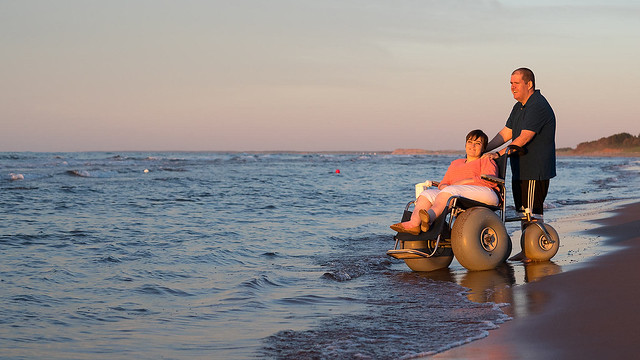
Myth 3: Wheelchair use is confining; people who use wheelchairs are “wheelchair-bound.”
Fact: A wheelchair, like a bicycle or an automobile, is a personal assistive device that enables someone to get around.
Myth 4: All persons with hearing disabilities can read lips.
Fact: Lip-reading skills vary among people who use them and are never entirely reliable.
photo credit: CDC
Myth 5: People who are blind acquire a “sixth sense.”
Fact: Although most people who are blind develop their remaining senses more fully, they do not have a “sixth sense.”
Myth 6: People with disabilities are more comfortable with “their own kind.”
Fact: In the past, grouping people with disabilities in separate schools and institutions reinforced this misconception. Today, many people with disabilities take advantage of new opportunities to join mainstream society.
Myth 7: Non-disabled people are obligated to “take care of” people with disabilities.
Fact: Anyone may offer assistance, but most people with disabilities prefer to be responsible for themselves.
Myth 8: Curious children should never ask people about their disabilities.
Fact: Many children have a natural, uninhibited curiosity and may ask questions that some adults consider embarrassing. But scolding curious children may make them think having a disability is “wrong” or “bad.” Most people with disabilities won’t mind answering a child’s question.
Myth 9: The lives of people with disabilities are totally different than the lives of people without disabilities.
Fact: People with disabilities go to school, get married, work, have families, do laundry, grocery shop, laugh, cry, pay taxes, get angry, have prejudices, vote, plan and dream like everyone else.
Myth 10: It is OK for people without disabilities to park in accessible parking spaces, if only for a few minutes.
Fact: Because accessible parking spaces are designed and situated to meet the needs of people who have disabilities, these spaces should only be used by people who need them.
Myth 11: Most people with disabilities cannot have sexual relationships.
Fact: Anyone can have a sexual relationship by adapting the sexual activity. People with disabilities can have children naturally or through adoption. People with disabilities, like other people, are sexual beings.
Myth 12: People with disabilities always need help.
Fact: Many people with disabilities are independent and capable of giving help. If you would like to help someone with a disability, ask if he or she needs it before you act.
Myth 13: There is nothing one person can do to help eliminate the barriers confronting people with disabilities.
Fact: Everyone can contribute to change. You can help remove barriers by…
understanding the need for accessible parking and leaving it for those who need it.
encouraging participation of people with disabilities in community activities by using accessible meeting and event sites.
understanding children’s curiosity about disabilities and people who have them.
speaking up when negative words or phrases are used about disability.
writing producers and editors a note of support when they portray someone with a disability as a “regular person” in the media.
accepting people with disabilities as individuals capable of the same needs and feelings as yourself, and hiring qualified disabled persons whenever possible.
Originally published by Easterseals; reprinted with permission.
Over the past 10 years, researchers have learned Alzheimer’s disease starts much earlier than the onset of symptoms – 10-20 years before an individual, family member or friend might notice the signs of the debilitating disease.
According to the Alzheimer’s Association, 5.5 million Americans, of all races and ethnicities, age 65 and older currently live with Alzheimer’s disease, which is expected to grow to more than 7 million people by 2025.
The first-of-its-kind Alzheimer Prevention Trials Webstudy (APT Webstudy), funded by the National Institutes of Health, aims to increase the pace of research by enlisting thousands of healthy volunteers who can quickly be enrolled in clinical trials focused on preventing Alzheimer’s disease. Enrollees in the APT Webstudy can use the internet to help stop the disease while being alerted to changes in their own memory function.
“In order to change the lives of the numerous people and their loved ones who will be affected by Alzheimer’s, we need everyone to get involved with prevention efforts,” said Paul Aisen, MD, co-principal investigator of the APT Webstudy. “The bigger the army of volunteers, the faster we can work to prevent this terrible disease.”
Volunteers can access the Webstudy when and where it is convenient for them, such as on their computer or tablet, or even a public library; anywhere they can access the internet. Volunteers participate in regular online memory testing. If there is a change in memory function, eligible volunteers are alerted and may be invited to a no-cost, in-person evaluation at one of the research sites across the country.
“This is an opportunity for everyone to help future generations avoid the suffering caused by Alzheimer’s,” Aisen said. “With enough volunteers, we will be one step closer to seeing the first Alzheimer’s survivor.”
Researchers are looking for a diverse group of people ages 50 or older who have normal thinking and memory function. Volunteers must be willing to answer a few questions about their family and medical history and provide information about their lifestyles. Volunteers will take online memory tests every three months, each one about 20 minutes long. If you are interested in participating, visit aptwebstudy.org to learn more.
The bicycle dates back to 1418, according to LiveScience.com, when engineer Giovanni Fontana constructed a four-wheeled human-powered device. Today, bicycles are used for a number of reasons, such as transportation, therapy, leisure recreation and competitive sport. Today, adaptive bicycles make cycling accessible for riders with disabilities.
Benefits of Adaptive Bicycles
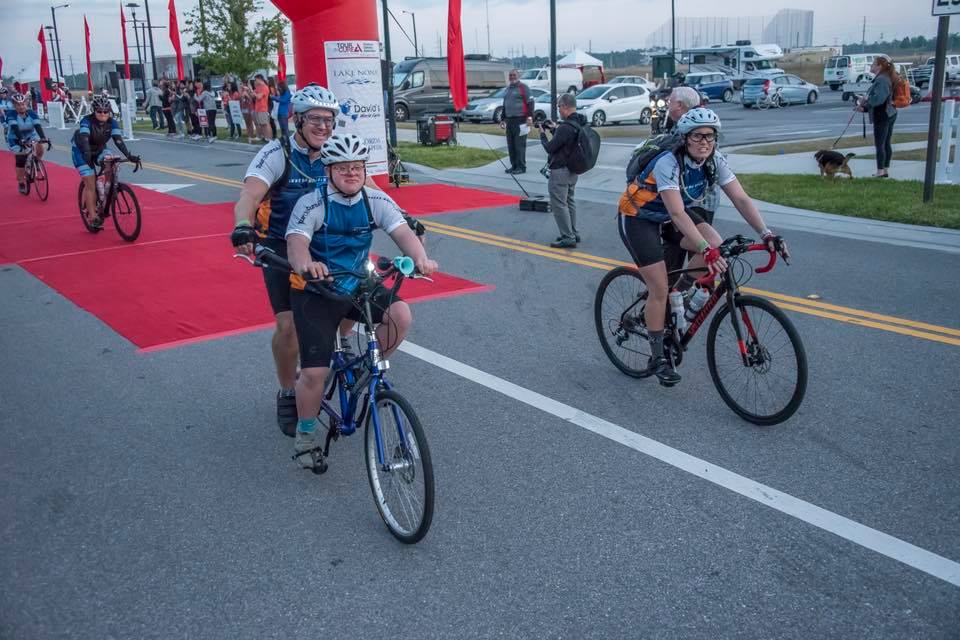
Jarrod Cooper, who owns a mobile bike shop called Velofix, uses his special bicycle-built-for-two as a fundraising tool. He and his son, Jacob, who has Down syndrome and autism, ride a buddy bike in campaign events, like the American Diabetes Association’s Tour De Cure. “It’s a tandem bicycle specifically made for riders with special needs who have another rider there to assist them,” describes Jarrod, who crowd-sourced to cover the cost of the bike. The pair began riding around their neighborhood and now complete 20-25 mile rides, impacting both their well-being and the greater good of nonprofit missions.
For riders with disabilities, adaptive bicycles can boost physical benefits, such as increased joint motion, muscle movement, circulation, core development, coordination and balance. And for emotional gains, adaptive bikes can help foster inclusion and a sense of independence, among other benefits.
According to Wheels for Well-being, a British organization championing cycling for disabled riders, the majority of disabled cyclists (69%) who participated in a survey said they find cycling to be more comfortable than walking, because of eased joint strain, balance and breathing. The organization hopes adaptive cycles will become more respected as mobility aids, similar to that of wheelchairs and scooters.
Jarrod & Jacob ride a tandem bike. photo credit: Cooper family
Types of Adaptive Bicycles
Because riders have varying abilities, there are many different variations of adaptive cycles. Disabled Sports USA defines the following examples:
Handcycles are popular among riders with lower-limb mobility impairments. They allow cyclists to propel a three-wheeled cycle using their arms.
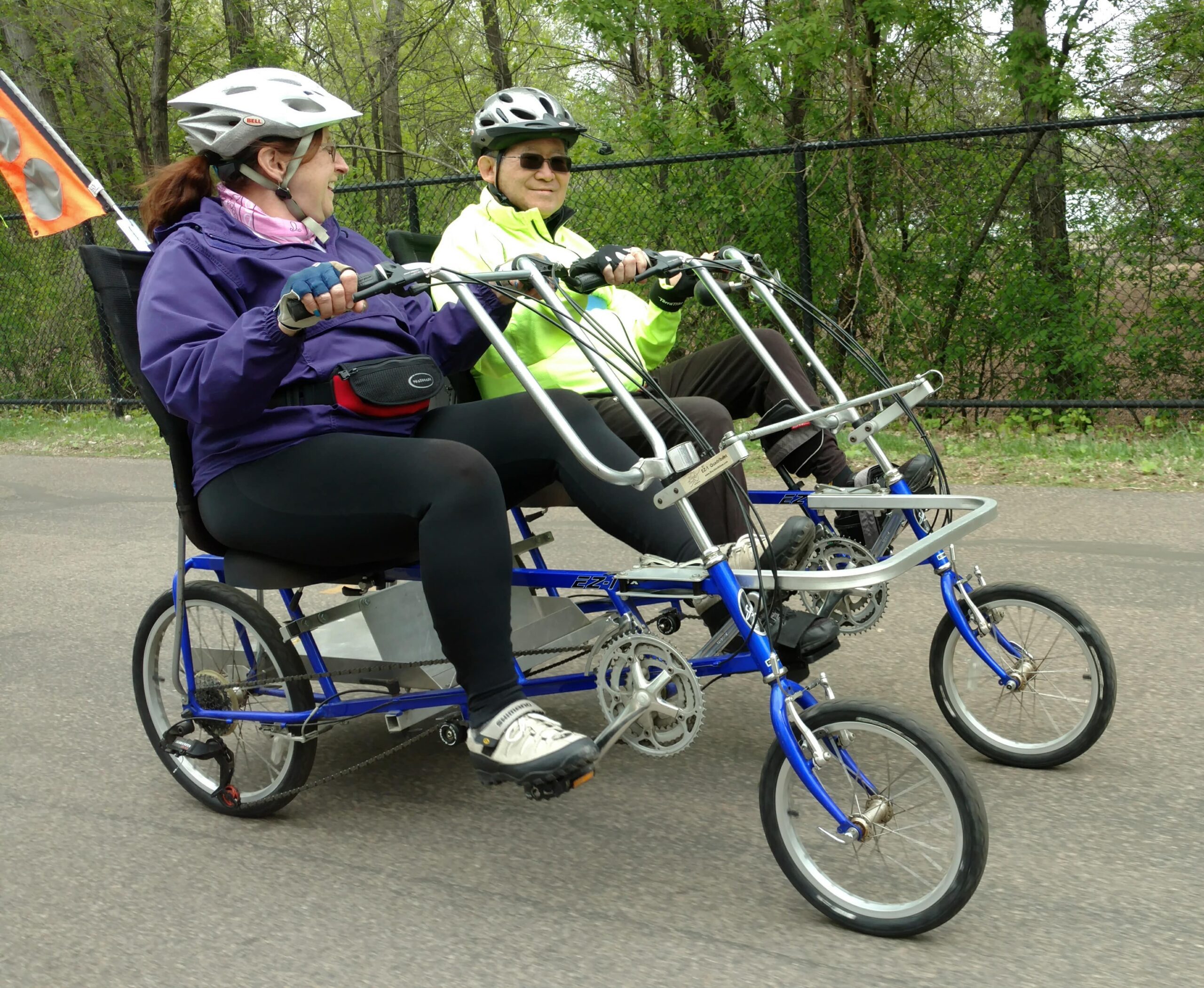
Tandem bikes are available in a variety of setups with the most common being a two-wheeled bike with a guide in the front. A side-by-side tandem tricycle allows two people to cycle simultaneously or at different rates.
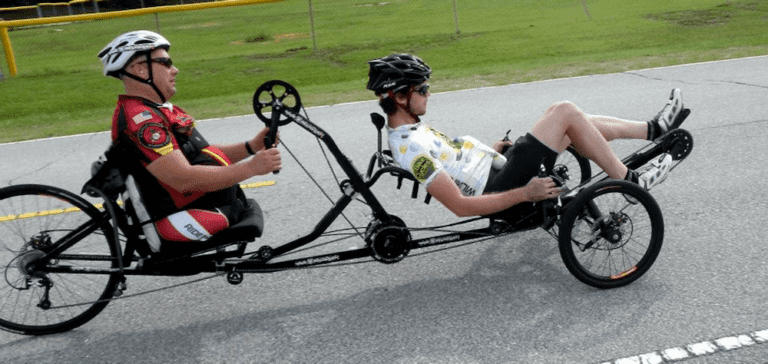
Four-wheeled dual recumbents keep riders in a relaxed, seated position and are best for lower-extremity cycling.
Three-wheeled recumbent cycles are lower to the ground which creates a lower center of balance.
A recumbent foot cycle comes in a tadpole style — one wheel in back and two in front. The tadpole style is better for balancing. A recumbent foot cycle also comes in a delta style — two wheels in the back and one in the front.
A recumbent handcycle sits higher off the ground. It is easier to transfer to and would be used by someone who has less mobility. There are also handcycles much lower to the ground that are more efficient for competitive cycling.
Electric bikes, also known as e-bikes, are fairly new to the cycling scene but they’re definitely here for the long-haul. An e-bike offers a motor-assisted ride which is excellent for riders who prefer to lessen the demand of pedaling. Plus, powered cycles allow riders of all abilities to cover more miles. Check out reviews of popular e-bikes here. And for other adaptive bicycles and gear, find lists compiled by especialneeds.com and friendshipcircle.org.
Organizations Leading the Pack
Charlie’s Champs
As a neurodevelopmental pediatric physical therapist, Allie Benson has plenty of experience assisting children with special needs. During her first pregnancy, Allie and her husband, John, learned their daughter, Charlie, had multiple heart complications and omphalocele, a birth defect where organs grow outside of the belly. Sadly, Charlie died in utero but her impact lives on. In 2018, the Bensons founded Charlie’s Champs, a nonprofit focused on gifting adaptive bicycles to children.
Allie’s professional training helped steer her decision to honor her daughter and children like her. “I am really passionate about giving kids with special needs access to mobility. Insurance typically covers the necessities like wheelchairs, standers and gait trainers; but it rarely, if ever, covers recreational equipment likes bikes,” she tells AmeriDisability, adding, “For many of these kids, biking is one of the few ways they can participate in play with their siblings and friends. Bikes can be adapted so that kids of all abilities can keep up with each other.”
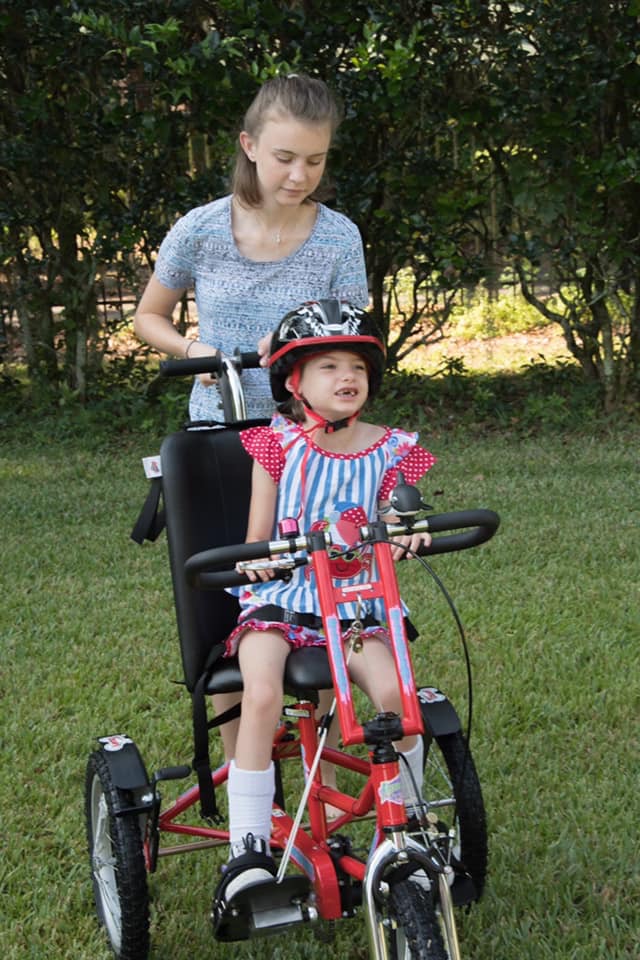
Samantha, pictured with her older sister Olivia, rides her adaptive bike. photo credit: Charlie’s Champs
Amanda Lyon, a mother of three, can attest that her daughter’s adaptive bike fosters inclusion. Six-year-old Samantha was diagnosed with Hypoxic Ischemic Encephalopathy (HIE) at birth, a type of brain damage that occurs when the brain doesn’t receive enough oxygen and blood. She was also diagnosed with cerebral palsy three years later. Since infancy, Samantha has attended continual sessions of physical therapy, occupational therapy, aqua therapy and speech therapy – all of which have contributed to significant gains. “Early interventions on a regular basis have allowed Samantha to rebuild neural networks around the original brain damage that occurred from a lack of oxygen at birth,” Amanda says. She casually mentioned during a therapy session that she wished Samantha had access to an adaptive bicycle at home for continued muscle development… and that statement was all it took to get the wheels in motion! Amanda learned that Samantha’s former therapist, Allie, could make it happen and, soon thereafter, Samantha received her very own adaptive bicycle courtesy of Charlie’s Champs.
“Although we had [previously] purchased several trikes, she was never able to actually use them. She would slip off the seat or be unable to keep her feet on the pedals,” Amanda explains. The bicycle from Charlie’s Champs was customized to work for Samantha’s body and skill level. “It has a full seat, straps, buckles, adaptive handlebars and a pulley system that allows for reciprocal pedaling,” describes Amanda.
Samantha likes music, swimming and strawberries but she especially loves her new bike! And Amanda believes the benefits are definitely both physical and emotional. “This adaptive bike will allow her to explore the neighborhood and make friends with others while at the same time building muscle strength she needs for walking,” she says. And that’s all the reason the Bensons need to keep fundraising for the cause. “Charlie was never able to bike, but she inspired us to provide lots of other kids with the opportunity to,” Allie says. Based in St. Petersburg, Florida, Charlie’s Champs is now customizing its tenth bicycle to be donated. John adds, “In addition to the adaptive bikes, we also run a free durable equipment exchange [Charlie’s Closet] for special needs kids and their families. We are providing a way for families with equipment they don’t need anymore to connect with families that do. That includes wheelchairs, walkers, assistive standers, etc.”
Adaptive Cycling Foundation
With more than 28 professional years in the cycling industry, Scotty Moro describes himself as a “professional mechanic, longtime competitive cyclist and all around cycling geek.” Through engaging with military-serving nonprofits, Scotty explains that he and his wife, Lisa, recognized their “life’s purpose” with the realization that service members open up to each other while riding. “The unique peer-to-peer therapy it provides is unmatched in its ability to positively affect all aspects of those experiencing post-traumatic stress, depression, anxiety, mobility restrictions and so on,” he says.
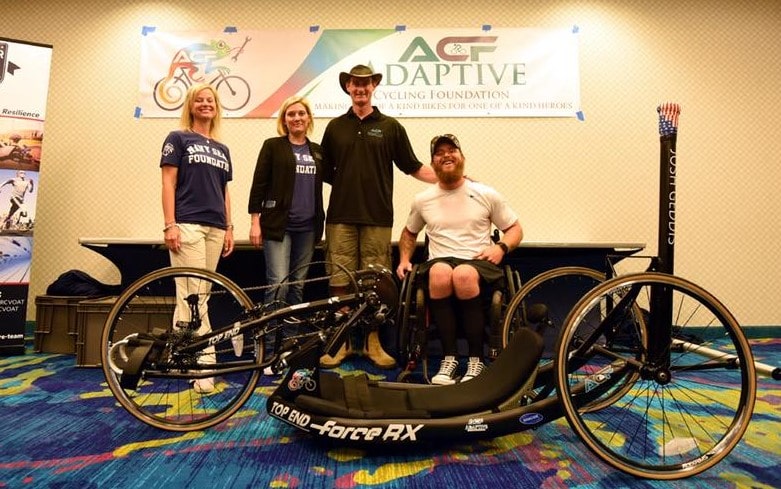
In 2016, Scotty added another title to his resume (nonprofit founder) with the establishment of the Adaptive Cycling Foundation, an organization that supplies and manufactures adapted bikes for wounded service members and first responders. Scotty combines his cycling and mechanic expertise to create specialty adapted bikes for injured heroes and grant the “healing power of cycling.” Based in Mechanicsburg, Ohio, the Adaptive Cycling Foundation has aligned with Quality of Life Plus (QL+), an innovative assistive device developer, on a voice-activated gear shifting system for handcycles.
Thanks to the generosity of foundation donors who have made adaptive cycling possible, Scotty says he’s witnessed heroes reduce their medication use, control suicidal thoughts, repair family relationships and proactively pursue employment opportunities.
photo credit: Adaptive Cycling Foundation
Cycling Without Age
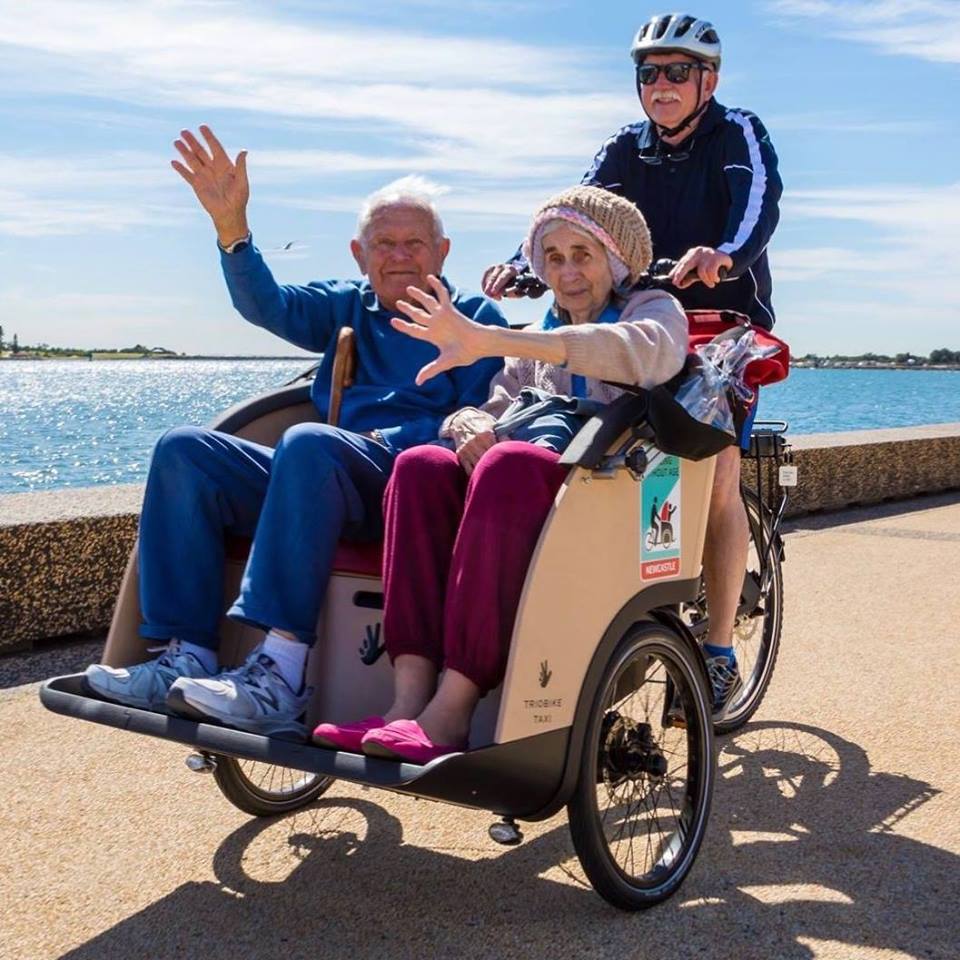
Ole Kassow explains that he wanted to help seniors feel a part of society. In 2012, his rickshaw-style pushbike initiative, Cycling Without Age, launched to grant seniors the sensation of “wind in their hair” and experience the city and nature around them regardless of mobility limitations. Today, the Denmark based effort is in more than 40 countries, including the United States (with 125 active chapters nationwide).
“Our front-passenger ‘trishaws’ are specially adapted to accommodate physically-challenged passengers,” says Kelly D. Talcott, U.S. Captain for Cycling Without Age. While styles vary, the effort primarily uses front-passenger trishaws, a padded two-seater compartment with weather-proof blankets and the pilot pedaling in the back. “When people are sitting in a trishaw, they are presented as people sitting in a place of honor ─ up front ─ in a unique vehicle that encourages interaction,” Kelly declares.
Cycling Without Age has been praised for its community collaborations, including programs with nursing homes, advocacy groups, cycle clubs and others. To find or start a chapter, visit CyclingWithoutAge.org.
photo credit: Cycling Without Age
Bike Share Programs
Many cities throughout the U.S. have implemented bike share systems, where users can rent and return bicycles from public racks, known as docks. Many systems do not include adaptive cycles; however, some systems do, as in Portland and Detroit.
Launched in 2017 in Minneapolis, Minnesota, Twin Cities Adaptive Cycling (TCAC) is a nonprofit bike share for youth and adults with disabilities. “Our program has a fleet of 40 adaptive bikes, including handcycles, recumbent foot trikes, therapeutic trikes and various styles of tandems,” says Caito Bowles-Roth, co-founder and executive director of TCAC. This program provides customized adaptive bicycle fittings and low-cost regular use of bicycles and equipment, in addition to comprehensive training and opportunities to participate in group rides.
Caito says the program proved to be successful almost immediately. “In 2017, we introduced adaptive cycling to 40 individuals and, in 2018, that number grew to 120 individuals. We currently average about 18 riders a day, and we expect to see that number continue to grow this season,” she says.
Caito says that two other adaptive bike programs and/or rentals operate in the surrounding area, and she hopes other communities across the country will also answer the demand for adaptive systems. “Talk with your local community programs and policy-makers about the importance of making sure bike share programs are accessible to everyone,” she offers. For helpful resources, read these tips from bike share provider Zagster.
photo credit: Twin Cities Adaptive Cycling
Feature image credit: Adaptive Cycling Foundation
No matter where you are in life, whether you’re just starting your career or nearing retirement, it’s important to understand the voluntary benefits available to you that can complement traditional health insurance.
While health insurance can help cover medical costs in the event of injury or illness, sometimes there are additional expenses your healthcare plan doesn’t cover. Voluntary benefits, such as life insurance, disability insurance and dental insurance, offered by your employer or as portable options through a company like Colonial Life can help bridge the gap should an unexpected event occur.
“Even if an employee has to pay a nominal sum for a voluntary benefit like disability insurance or dental coverage, it can be well worth it,” said Sharlyn Lauby, president of ITM Group Inc., creator of the HR Bartender blog and contributor to Colonial Life’s WorkLife blog. “Think of voluntary benefits as those specialized, personalized extras that make your overall benefits package exactly what you’d like it to be.”
Benefits can be complex, but with the right information about the options available you can make choices that best fit your lifestyle and budget. Consider these common voluntary options:
credit: hrps.org
Life Insurance
While almost 9-out-of-10 Americans agree most people need life insurance, just 60 percent said they have it, according to LIMRA’s Trendsin Life Insurance Ownership study. With benefits typically paid tax-free to your beneficiary, life insurance can provide peace of mind and help loved ones pay for funeral costs, cover living expenses, pay off debt, finance future needs and protect retirement plans. Policies are often available through employers, but you may lose the coverage if you change jobs. However, portable policies are also available that allow you to maintain coverage even if you change jobs or retire. To learn how much life insurance protection your family needs, check out this online calculator.
Disability Insurance
No one usually expects to get sick or injured, however disability insurance can help protect your income and maintain your lifestyle if a physician determines you’re unable to work due to a covered accident or illness. Common conditions such as pregnancy/childbirth, heart attack, stroke, cancer and accidents make up the majority of disabilities that lead to an inability to work. With short-term disability benefits, you receive financial support for a predetermined amount of time to cover expenses such as a mortgage or rent, car payments, utilities and more so you can focus on recovery.
In 2018, Colonial Life made payments on more than 70,000 disability claims totaling approximately $210 million.
Dental Insurance
Daily brushing and flossing can help keep your mouth healthy, but that’s not always enough as dental problems can lead to other health problems if left unattended. When you see a dentist for routine appointments and necessary procedures, dental insurance can help reduce the out-of-pocket expense. In fact, among insurance benefits typically provided to employees, 61 percent of workers view dental benefits as important, ranking second after medical insurance, according to LIMRA. Dental insurance provides coverage for regular cleanings and more extensive procedures like fillings, crowns, dentures and tooth removal. Some plans even offer allowances for orthodontic work like braces and retainers.
credit: Colonial Life
Accident Insurance
When an accident happens, one of the last things many people want to think about is how they’re going to pay the bills. You can prepare for this unexpected issue with accident insurance, which provides a lump-sum benefit – based on the injury suffered and treatment received – that can be used to help pay for expenses following an accidental injury, such as doctor bills, co-pays, emergency room fees, transportation, lodging and follow-up care.
Critical Illness Insurance
No matter your age or health status, a sudden illness could significantly impact your financial well-being, and health insurance may not cover everything. When a critical illness such as a heart attack, stroke or major organ failure occurs, major expenses often follow, and critical illness insurance can help off-set costs. In addition to your day-to-day bills, the lump-sum benefit can be used to pay for treatment- and recovery-related expenses including deductibles and co-pays, child care, travel and lodging, gym memberships and out-of-network treatment facilities and procedures.
Summer is a time to enjoy outdoor activities with friends and family — beach trips, picnics, camping weekends and parties fill our calendars. And while spending time outdoors can be a lot of fun, the warm summer months may cause health problems for some.
High temperatures and long-term sun exposure can worsen side effects for some chronic conditions, and they can also cause problems like heat exhaustion, heat rash or heat stroke. During the summer months, it’s important understand the signs and symptoms of a heat-related illness, and communicate this information with loved ones.
Chronic Illnesses and Heat
Heat and sun exposure can aggravate symptoms of certain conditions, including:
Autoimmune diseases, like Lupus and rheumatoid arthritis
In some cases, a chronic disease may increase someone’s risk for a heat-related illness because the body isn’t able to cool itself down easily. People may be more at risk for heat-related illness if they have conditions like:
Young children, people over the age of 65 and people who exercise during hot weather are also at high risk for heat-related illness, so it’s important to check on them regularly to ensure they’re staying safe and healthy.
credit: AAA
Tips for Staying Safe During Hot Weather
If you or a loved one suffer from a chronic medical condition, follow these tips to avoid symptom flare-ups and heat-related illnesses:
Ask About Your Medicines
Certain medicines can worsen the effects of heat, especially medicines used to treat depression, insomnia or poor circulation. Talk to your doctor about the medicines you’re taking and whether they may increase your risk for heat-related illnesses.
Avoid Mid-Day Activities
Try to stay inside or in a cool place during the hottest part of the day, typically between 11 am – 3 pm, and limit activity to cooler parts of the day.
Avoid Strenuous Activities
Take it slow during hot weather and, perhaps, avoid vigorous exercise. Make sure you also get plenty of rest.
Check in Regularly
Touch base with your friends and neighbors to make sure they are doing okay in the heat, and don’t be afraid to ask someone to do the same for you. Try to check in at least twice a day for adults who are most at risk for heat-related illnesses.
Replenish Salt and Minerals
When you sweat, your body loses important salt and minerals, which can increase your risk for heat exhaustion. Ask your doctor about the safest way for you to replenish.
Stay Hydrated
Drink plenty of fluids, even if you’re not thirsty. Avoid drinking sugary or alcoholic beverages, as these drinks can cause your body to actually lose fluids.
Stay in an Air-Conditioned Space
If your home doesn’t have air conditioning, try spending a few hours at the library or mall to cool down your body temperature. Use ceiling fans or portable fans to circulate air. When you shower, keep the water cool.
Stay Informed
Check your local news for high heat warnings and stay up-to-date on cooling shelters available in your city or town.
Use Sunscreen
If you’re spending time in the sun, make sure to apply broad-spectrum sunscreen regularly. Sunburns can make it difficult for our bodies to cool down, which can increase our risk for heat exhaustion or heat stroke.
Wear the Right Clothes
Wearing a wide-brimmed hat, sunglasses and lightweight long-sleeved shirts can also help prevent sunburns. Stick to loose-fitting, moisture-wicking and light-colored clothing.
credit: American Academy of Family Physicians
Know the Signs of Heat-Related Illnesses
It’s important to know the signs of heat-related illnesses and what to do when you see someone with these symptoms. In some cases, it may save a life.
Heat Exhaustion
Heat exhaustion happens when your body loses too much water and salt. Symptoms of heat exhaustion can include:
Cold, pale or clammy skin
Dizziness or fainting
Fast, weak pulse
Fatigue
Headaches
Heavy sweating
Muscle cramps
Nausea or vomiting
If you believe you are suffering from heat exhaustion, make sure you:
Drink water slowly
Loosen your clothing
Move to a cool place
Place cool towels on your skin or take a cold shower or bath
If your symptoms get worse or don’t go away after an hour, seek medical help.
Heat Stroke
Heat stroke is a medical emergency. If you suspect someone is having a heat stroke, call 911 right away. Symptoms of heat stroke may include:
Body temperature of 103°F or higher
Confusion
Dizziness
Fainting
Fast, strong pulse
Headache
Hot, red and dry skin
Nausea
After calling 911, make sure the heat stroke victim:
Doesn’t drink anything
Moves to a cool place
Has cool, wet towels placed on their skin
Sunburn
Sunburns are common in the summertime and can result in painful, red and warm skin. Sometimes, sunburns can also cause blisters. If you or a loved one get a sunburn, be sure to:
Avoid breaking blisters
Moisturize the sunburned skin with lotion
Place cool cloths on the sunburn or take a cool bath
Stay out of the sun until the burn heals
Heat Rash
Heat rash is a group of small blisters on the skin. They usually form in the groin, neck, chest or the inside of the elbow. If you or a loved one get a heat rash, be sure to:
Keep the rash dry
Stay in a cool, dry place
Use baby powder or other cooling powder to ease pain from the rash
Stay Safe and Cool
Whether you’re spending time outdoors with your family or caring for a loved one with a chronic condition, it’s important to keep cool, stay hydrated and know the warning signs of heat-related illnesses. Be sure to talk with your doctor about other ways you and your family can stay safe during the warm summer months.
Originally published by AdventHealth. Reprinted with permission.
Feature image credit: Government of Prince Edward Island
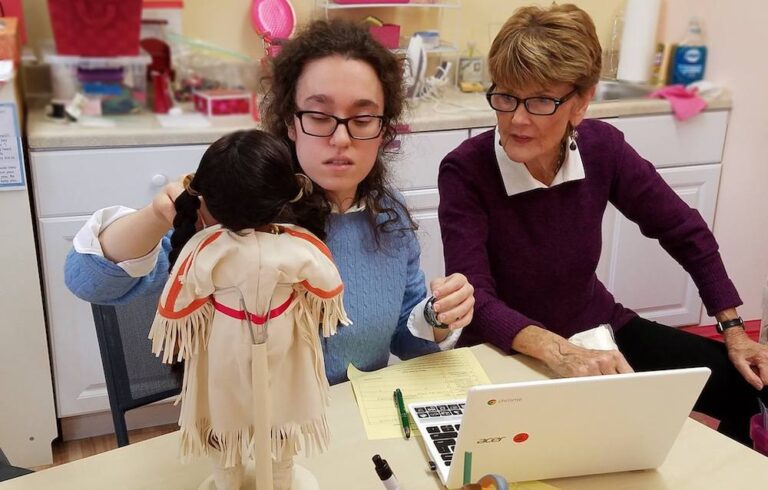
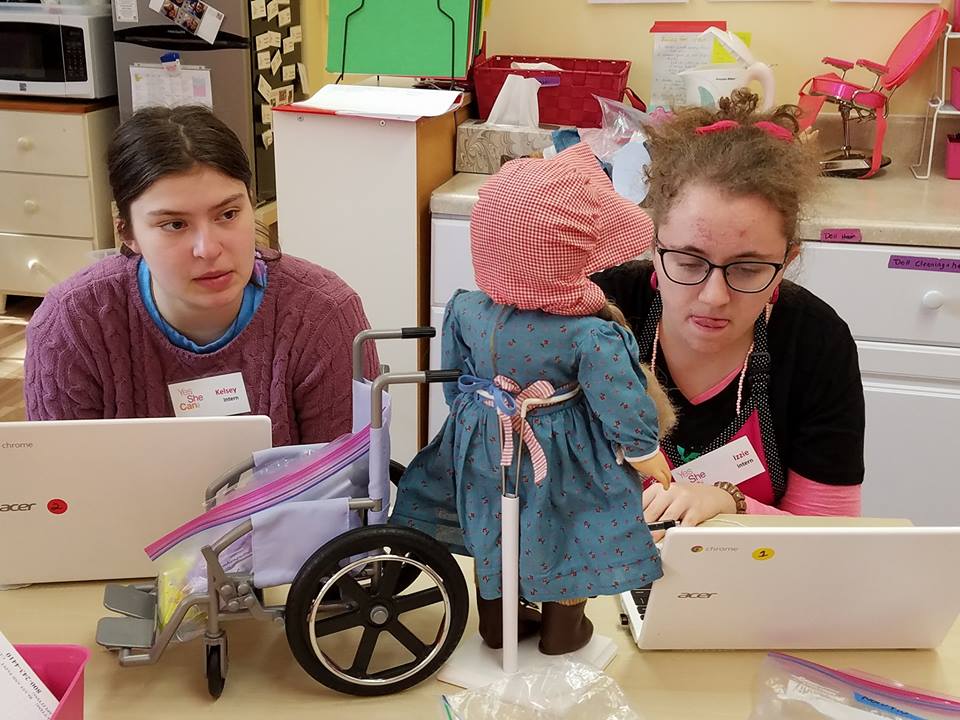
Teenager Isabelle lights up when she talks about her passion for American Girl dolls. She knows the backstories of most of the dolls and serves as an expert-in-residence at Girl AGain, an American Girl boutique store in White Plains, N.Y. Plus, she loves to style their hair and coordinate different outfits.
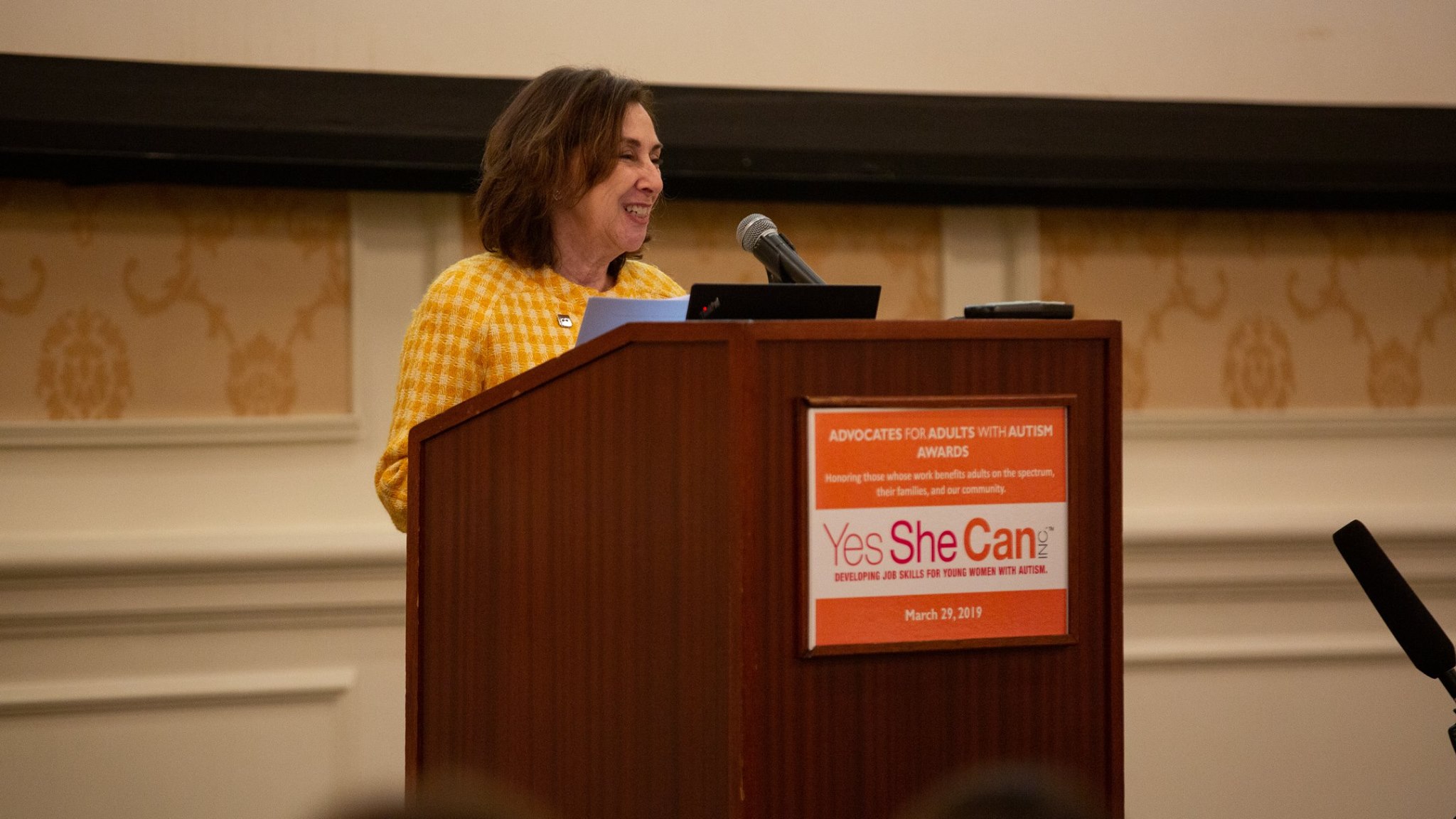
What makes Isabelle—and Girl AGain—unique? Isabelle is on the autism spectrum and her workplace serves as a “training lab” run by the nonprofit Yes She Can, Inc. After retiring from a 30-year career in corporate marketing, Marjorie Madfis (Isabelle’s mother) launched the nonprofit, in 2013, to help young women (ages 17 and older) with autism spectrum disorders (ASD) develop transferable job skills. The primary objective to is empower these young women to join the competitive workforce.
With an estimated 80% of adults with ASD unemployed or underemployed, Marjorie wanted to paint a brighter future for Isabelle and other young women just like her. Girl AGain, the organization’s first program, sells gently loved American Girl dolls, accessories and books. Tapping into Isabelle’s American Girls fandom, Marjorie created this business concept to marry her daughter’s passion for the brand with the market demand for the resale of American Girl merchandise. “We sell dolls, but we’re not in the doll business—we are in the job skills development business,” their website proudly proclaims. Girl AGain serves as a first-of-a-kind incubator and laboratory where these young women with ASD get nurtured at work without the pressure of a for-profit business.
“My autism makes some things difficult for me, like tolerating noisy places, understanding what people mean, being flexible and managing my anxiety,” Isabelle shares in a video on the Yes She Can website. When it comes to other young women like her, Isabelle points out, “We want to have a job, we want to earn money, we want to become more independent, we want to become more accepted and we want to be included.” Isabelle, it turns out, wants the same things we all want!
sa Beach is a freelance journalist and copywriter. Her work has been published in The New York Times, Good Housekeeping, Eating Well, USA Today Go Escape Florida & Caribbean, Parents, and dozens more. Check out her writer’s website at www.LisaBeachWrites.com.
The trainees learn functional business skills (such as stocking inventory, using the cash register and helping with the website) and workplace social skills (such as communication and teamwork). This provides a dual benefit, as it improves the trainees’ skills and fosters positive interactions with customers of all ages. For example, whether customers shop in store or via phone, they engage with the trainees who assist with purchase decisions, process transactions and communicate by email and phone to provide customer service.
“Customers are children and adults who are now exposed, often for the first time, to people with autism and developmental disabilities performing effectively to satisfy customer needs,” notes Marjorie.
So, who helps whip these trainees into shape? A team of workplace “coaches” provide the practical training needed to succeed in the real world. The coaching team includes both paid and volunteer specialists, including speech pathologists, licensed clinical social workers and psychologists. In addition to teaching the women about inventory levels, pricing and product presentation, the coaches also help the trainees manage their behavior and social challenges and regulate their emotions. Together, the team has provided more than 4,000 hours of direct coaching since the program began.
In addition, peer models work side-by-side with the trainees, providing an inclusive, collaborative approach to this real-world training. Since launching the program, Yes She Can has served 44 young women and provided them with more than 10,000 hours of workplace-ready training.
Although Yes She Can does not provide job development or job placement, to date, more than one dozen trainees have gone on to employment with other businesses after “graduating” from the program. The young women either work with community agencies to secure employment or find jobs independently.
“Most of our trainees have applied for services delivered by large disability services agencies,” explains Marjorie. She cites, for example, the Adult Career and Continuing Education Services-Vocational Rehabilitation (ACCES-VR) and Office for People with Developmental Disabilities (OPWDD), two agencies that receive funding to provide job development, job placement and ongoing job coaching. “We encourage our trainees to connect us to their agency so that we can collaborate,” she adds.
While Girl AGain directly benefits the trainees, the program also enlightens the community, businesses, customers and employees to be more respectful, accommodating and inclusive of people with autism in the workforce. On Saturdays, for instance, children come for workshops where the trainees interact with the girls to help them complete their craft or doll project. Other times, Girl Scout troops come for a session to learn about autism and then participate in a hands-on activity. Girl AGain also shares trainee stories to its 5,000+ Facebook fans and 2,000+ Instagram followers.
“In all cases we’re exposing neuro-typical people to the capabilities of people with autism,” Marjorie says. “We are educating them, and we are asking them to share their experiences with others.” But changing minds and hearts is a slow process, she admits. “Businesses will follow the lead of customers. If customers are comfortable interacting with people with disabilities, then businesses are more inclined to hire people with disabilities.”
Marjorie Madfis promotes workplace inclusion.
Currently, Girl AGain is only available only in White Plains, but Marjorie hopes to expand elsewhere if the nonprofit can secure additional funding. “Our goal is to replicate our program so that it can be implemented in other locations across the country,” says Marjorie. “We’re seeking funding to help us package our curriculum and processes into a published tool and then license this for use by other organizations that have the staff and the candidates for the program.” This could open up program replication in other resale product categories beyond the American Girl brand.
And as for Isabelle… For years, she had set her sights on “doll hairdresser” at the American Girl store in New York City. Thanks to Yes She Can, Isabelle is living her dream!
Author’s Bio: Lisa Beach is a freelance journalist and copywriter. Her work has been published in The New York Times, Good Housekeeping, Eating Well, USA Today Go Escape Florida & Caribbean, Parents, and dozens more. Check out her writer’s website at www.LisaBeachWrites.com.
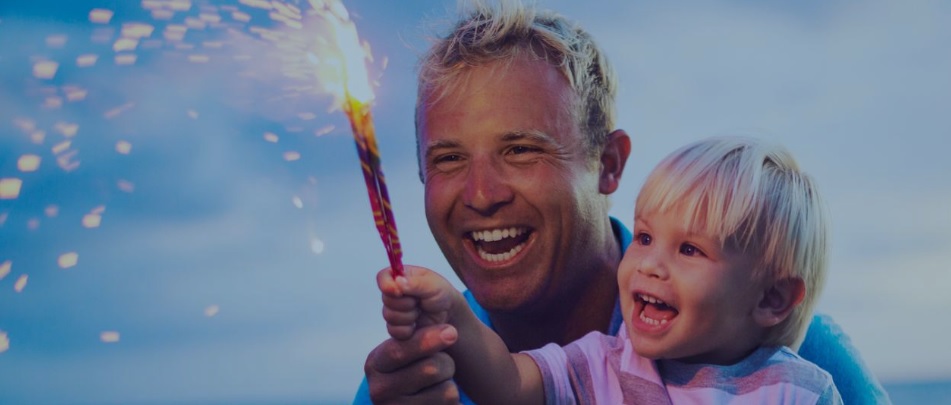
Independence Day, New Year’s Eve and other celebratory events and holidays are fun times to celebrate and connect with friends, family and neighbors. During these times, people across the country spark up conversation and vibrate displays of fireworks.
But with those spectacular displays comes a healthy dose of danger. As the holiday approaches and you make plans, vow to keep your family safe by learning a few things ER doctors wish you knew.
Fireworks Are Fantastic but Can Be Dangerous
You see a patriotic display and cherished family tradition — but ER docs see danger. While fireworks are a mainstay of Independence Day and New Year’s Eve celebrations, they’re also a leading cause of emergency room visits as the holiday weekend nears. In fact, the National Fire Protection Association reports that emergency rooms treat roughly 13,000 people for firework-related injuries each year, including burns on the hands, fingers, head, face, legs and eyes. These burns can range from mild to severe — and can be debilitating or life-threatening.
Protect Your Family: Play It Safe With Fireworks
According to the American College of Emergency Physicians, the best way to avoid any chance of injury from fireworks is to view only professional fireworks displays. The sponsors of these professional events:
ensure all workers are specially trained and experienced in the use of fireworks.
have emergency personnel on hand.
take every safety precaution.
However, if you do plan to set off your own fireworks at home, we suggest following these important safety tips to avoid harm.
credit: U.S. Army
Use Legal Fireworks
There’s a reason many fireworks are illegal for personal use — they’re simply too dangerous. Heed all labels and warnings. And when in doubt, don’t purchase them.
Choose a Good Spot
Never light fireworks indoors or near a house or car. Find a flat, concrete surface away from dry grass, leaves or other flammable items.
Consider Alternatives
Swap out flaming hot sparklers with glow sticks for young children. Sparklers are one of the leading causes of injuries to children during the Fourth of July festivities.
Dress Appropriately
To avoid the chance of your clothing catching a spark, wear fitted, non-flammable clothing. Loose or flowing garments can be a formula for disaster.
Follow Directions
Manufacturers are required to follow stringent guidelines for labeling their products. Read the instructions on each firework carefully and light them one at a time.
Have a Bucket of Water On Hand
Having a bucket of water handy allows you to properly dispose of used fireworks.
Stand several feet away once the firework is lit and resist the urge to check on a firework that doesn’t ignite right away. This is the most common way people get head and face injuries. You should also aim fireworks away from your audience and any homes or cars nearby.
Plan for Safety
Have a fire extinguisher and first aid kit on hand and ready for use.
Watch Children Closely
Children are curious. Help demystify fireworks by explaining how they work and why they can be dangerous. Review safety rules beforehand to be sure they know to stay far away from all fireworks, even after they’ve gone off. And, of course, keep a close watch during your display.
Make Sure Your Celebration Goes Off With a Bang
ER docs enjoy a good fireworks display every bit as much as you do — they just want to be sure you understand what’s at stake, so you can best protect your family. If someone in your group is injured during a home fireworks display, call 911 immediately. Follow the operator’s instructions for treating the injury until you’re able to get to an emergency room.
Originally published by AdventHealth. Reprinted with permission.
Late one afternoon, while on shift at a group home for adults with developmental disabilities, I found Larry, one of the residents with Down syndrome, sitting alone at the kitchen table. He was nursing a Diet Pepsi after returning home from his adult day program, or “work” as he called it, though he typically spent his days in arts and crafts and other group activities.
Larry was a middle aged man with a huge smile, some leprechaun-esque dance moves, and a love for Basque food. I was a relatively new staff member and Larry had recently been diagnosed with Alzheimer’s disease, so he didn’t always remember or trust me, but this afternoon was different. He beckoned me to the table and started telling me about his teacher. He was glowing as he recalled her lessons and how she had taught him to write his name in cursive, which he happily demonstrated for me. “This is my signature,” he said. “It’s important.”
That was the moment from the time I spent working with adults in the group home leading me back to school to become a special education teacher.
The adults I supported had dreams of going on vacation, romance, meaningful jobs, and greater independence and choice. These are purposeful dreams, common to all of us at one time or another. I felt I could help the next generation of persons with disabilities achieve these dreams if I too became a dedicated teacher like the one who was so important to Larry.
Since obtaining my special education credentials ten years ago, I have taught students with disabilities and advocated their inclusion in general education classes so they could learn alongside their peers. I am grateful to teach at a high school with fellow colleagues who believe all students are capable of learning and work to bring best practices in special education to life.
Megan Gross
Five years ago, many of my students spent the day in segregated special education classes for students with autism spectrum disorders. Through team building with families and colleagues, my students now participate in many academic classes with their peers, such as biology, world languages, U.S. History, and civics. In elective classes some have learned how to play an instrument and be a member of the marching band or how to express creativity through computer animation. I am thankful for this growing circle of support, where many adults believe in them and enjoy them for who they are, even if they’re like other high school seniors falling asleep in first period!
I am not naive about the realities of my profession and there are challenging days. There are aspects about my career — paperwork, lack of curriculum, struggles for resources, and a general lack of understanding about special education law and practices by those in charge who should know better — that sometimes make me question my career choices.
Upon reflection, however, my challenges are never with my students. They are unique, eager to express themselves, and relay their dreams. They are just like Larry, who first taught me about what it means to be a person with a developmental disability. My students dream of girlfriends and boyfriends, college, and careers. Their dreams are what keep me in the classroom.
As an educator, I have the responsibility to support both my special needs students and their schoolmates as they navigate adolescence. Though wide adoption of special education best practices is slow and many students with disabilities remain segregated from the general student body, I can cross these barriers so that my students have academic and social opportunities within their school community.
These opportunities not only benefit my students, but also their peers who learn to effectively communicate with diverse individuals. They are learning that success doesn’t look the same for everyone.
I hope that years from now, when they encounter people with disabilities in their community, or have an opportunity to hire employees and work with colleagues with disabilities, they will remember their high school peers and engage or hire without hesitation.
Others, while preparing their home for a child with disabilities, caring for an aging parent, or providing for a loved one who has been injured, may have hope rather than despair because of their shared experiences with disabled peers. Inclusive special education is not a segregated benefit.
I believe if teachers take the lead, we can create and sustain inclusive opportunities for children every day on our campuses. We can tell our students with disabilities when they see the college pennants hanging from our classroom walls, “Yes, this has meaning for you, too”. In 2017, there are more than 250 inclusive college programs across the United States, and our students and families need our help to chart a course to making college dreams come true.
We can include all of our high school students in college tours, internships with local businesses, and connect them to local agencies supporting individuals with disabilities so they may lead independent lives.
All of our students deserve the dignity of a dream and support necessary to make those dreams a reality. We as educators have the power and responsibility to help our students do it.
Originally published in 2017. This story was produced by The Hechinger Report, a nonprofit, independent news organization focused on inequality and innovation in education.
About Megan Gross: California’s 2017 Teacher of the Year, Megan Gross is a special education teacher at Del Norte High School in San Diego, California, where she works with students in the schools Autism Spectrum Disorders program. Her work focuses on helping her students to integrate into the school community.
Every year, about 1-in-5 adults in the United States experiences a mental illness and 1-in-25 lives with a serious mental illness that substantially interferes with or limits at least one major life activity. Mental illness is a top cause of worker disability in the U.S. and 62 percent of missed work days can be attributed to mental health conditions.
A leader in employee benefits, Unum recently published the report “Strong Minds at Work” on the prevalence of mental health issues in today’s workplaces. The research revealed just 25 percent of managers in the U.S. have received training on how to refer employees to mental health resources and more than half of people are unsure how to help a colleague with a mental health issue.
“The development, implementation and promotion of mental health strategies has become a top priority for many of today’s employers,” said Michelle Jackson, assistant vice president of market development at Unum. “Creating a workplace culture that promotes mental health resources and encourages employees to take advantage of them helps to destigmatize mental health issues and can lead to a happier, more productive workforce.”
Some of the report’s findings include:
Fifty-five percent of employees said their employer did not have, or they were unsure if their employer had, a specific program, initiative or policy in place to address mental health.
Sixty-one percent of employees felt there’s a social stigma in the workplace toward colleagues with mental health issues; half of them felt the stigma has stayed the same or worsened in the past five years.
Among employees with a mental health issue, 42 percent went to work with suicidal feelings.
credit: National Institute of Mental Health
“The fact that such a high percentage of employees have come to work feeling suicidal is troubling,” Jackson said. “While this is certainly a worst-case scenario and employers would hope issues would not progress to this level, it also emphasizes the need to ensure support and resources are understood and readily available in the workplace.”
The bulk of mental health resources are usually offered via an employer’s health care provider and can include medical care, an employee assistance program (EAP), counseling referrals and financial and legal counseling. However, employees often don’t fully understand the resources available to them.
According to the study, HR professionals said 93 percent of their employers offer an EAP, yet only 38 percent of employees were aware of this resource. More than half of HR professionals said they offer financial counseling, legal services and telemedicine services, but a fraction of employees said they were aware these services exist.
“Employees should ask their HR department what mental health resources are available and be supportive of colleagues who may be struggling,” Jackson said. “Offering support to others and knowing where to direct them can not only save lives but also help create a more inclusive workplace environment.”
Do you know if your employer offers these resources? If you or someone you know needs access to information and resources, please inquire.
Family Features | Feature photo courtesy of Getty Images
New research from the AAA Foundation for Traffic Safety studied the primary reasons why older drivers hang up their keys and, also, what seniors can do to extend their time behind the wheel.
AAA commissioned researchers at Columbia University to determine how changes in physical, mental and social health affect driving mobility for older adults. Researchers evaluated eight domains: depression, anxiety, fatigue, sleep disturbance, pain interference, physical functioning, pain intensity and participation in social activities.
Study Findings
The study found that increased fatigue and poor physical functioning are leading factors that can result in older adults limiting their driving. The good news is that by staying active, older drivers can improve their physical health and may be able to extend their time behind the wheel. AAA recommends that older adults who are physically able, should do regular weekly exercises that include balance training, aerobics and muscle strengthening.
“Older adults who give up the keys are more likely to suffer from depression than those who remain behind the wheel,” said Mark Jenkins, spokesman, AAA – The Auto Club Group. “Some decline in physical fitness is inevitable as we age, but simple steps to stay active can keep you driving safely and longer. Research shows that exercise does not have to be strenuous to produce positive results. You can spread out the time you spend being physically active over the course of your day and week. A few minutes at a time can be sufficient.”
credit: AAA
Physical strength also helps drivers remain alert to potential hazards on the road and perform essential driving functions, like:
Braking
Steering
Parking
Looking to the side and rear
Adjusting the safety belts
Sitting for long periods of time
The Center for Disease Control and Prevention recommends older adults, who are physically able, get between 2.5 to 5 hours of moderate-intensity exercise each week or between 75 minutes to 2.5 hours of high-intensity physical activity. The exercises should include balance training as well as aerobic and muscle strengthening activities. Older adults should consult their doctor before beginning a new exercise regimen. They should also talk with a healthcare provider about ways to combat fatigue. Prioritizing getting at least seven hours of sleep each night can help older adults stay alert behind the wheel.
AAA recommends a series of stretches to improve neck, shoulder, trunk, back and overall body flexibility. As a leading advocate for senior driver safety, AAA also offers a variety of programs and resources to help older adults improve their driving performance and avoid crashes. For more information on AAA resources for older drivers, such as RoadWise online/classroom courses or other programs that help seniors better “fit” with their vehicles, visit www.SeniorDriving.AAA.com.