Saturday, February 21, 2026
spot_img
autism products
Html code here! Replace this with any non empty raw html code and that's it.
Home Blog Page 67

6 Cliché Phrases That You’ll Never Hear Me Say — A Guest Blog by ‘Wheel Girl’ Rachelle Chapman

In 2010, just weeks away from walking down the aisle to her husband-to-be, Rachelle Friedman Chapman was playfully pushed into a pool by her friend at her bachelorette party. Her head hit the pool floor, and she suffered a severe spinal cord injury that caused paralysis from the chest down. Rachelle’s well-planned-out future shifted instantly but, through it all, she stunned those around her and the world at-large with her positivity and perseverance.

In the years that followed, Rachelle publicly shared her experience — including her friendship with the woman that unintentionally caused the accident — on many media outlets, including People Magazine, The Today Show and a TLC documentary special.

While her wedding was delayed, Rachelle did marry her sweetheart, Chris, and the two welcomed a daughter, Kaylee, via surrogate. Chronicling their love story and her tested friendship, Rachelle authored, “The Promise: A Tragic Accident, a Paralyzed Bride, and the Power of Love, Loyalty, and Friendship.” Residing outside of Raleigh, North Carolina, Rachelle now advocates for people with disabilities, models and writes about motherhood, fashion, fitness and life as a wheelchair-user on her blog Diary of a Wheel Girl.

AmeriDisability is pleased to share the following work originally published on Diary of a Wheel Girl. Rachelle speaks her truth and declares, “Never feel guilty for having a bad day.”
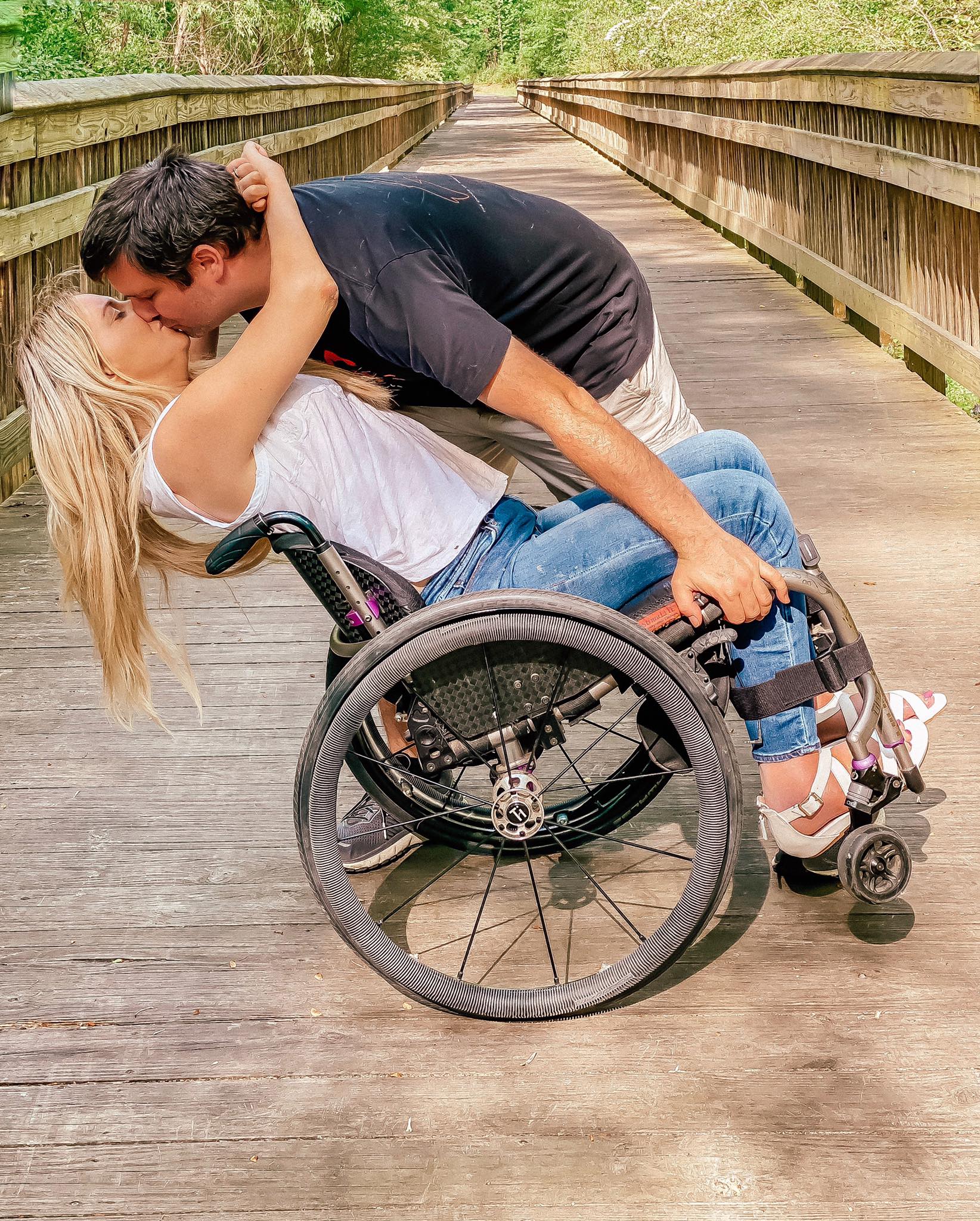
Rachelle Chapman's wedding to Chris was delayed after she suffered paralysis from an accident at her bachlorette party.
Rachelle & her husband, Chris

6 Cliché Phrases That You’ll Never Hear Me Say

By Rachelle Chapman

We’re all looking for inspiration. Something that can give us that kick in the rear we need to meet our goals, be happier, or find meaning in events we just can’t explain. I didn’t ask for the role as a motivator, but it’s something I’ve learned to embrace because I enjoy seeing someone comforted with my words.

As soon as a catastrophic injury like mine happens, people look to you for strength when they see that your life-altering event didn’t totally break you. But I’m not your typical motivator. There are some phrases out there that I think people overuse. People expect me to jump into motivational talks or use my life story to comfort someone I just met who has a new injury. But I don’t spew your typical cliché advice. Here are some words of encouragement and comfort you’ll never hear from me.

1) What doesn’t kill you makes you stronger.

I love the sentiment because many challenges we face do in fact make us stronger. But this quote generalizes all of life’s troubles, implying that no matter the severity of an event you’ve experienced, you’re sure to gain strength. If I were giving advice to someone who just broke up with an overbearing boyfriend, I might agree that a woman could gain confidence and strength from it even if she felt like she couldn’t go on. Would I say this to someone who has been raped and abused their whole life? Probably not. I think we can use our strength in spite of a traumatizing experience though.

Rachelle Chapman achieved her dream of being a mother.
Rachelle awaiting the birth of her daughter.

2) The only disability in life is a bad attitude.

As someone with a disability, I think I’m supposed to be regularly posting selfies of me doing something independently with this quote underneath the picture. But the truth is, there are disabilities that keep me and many others from doing so many things regardless of how awesome our attitude is. To me this quote is saying, “Hey, if you’re upset about having a disability, then you have a crappy attitude.” Can’t I be positive and happy but still be fully aware that my disability holds me back sometimes?

3) Everything happens for a reason.

I think people desperately want an answer for why something terrible has happened in their lives so they can more easily come to terms with it. But I refuse to believe any higher power has this plan for who gets attacked, violated, murdered or paralyzed for the good of humanity. If this were the case then you couldn’t hate criminals who may have wreaked havoc on someone’s life. They are just carrying out history that’s already been written right? I don’t think so. It’s OK to hate a tragic event and wish that it had never happened.

4) Where there’s a will there’s a way.

There are people out there who have dedicated their lives to achieve a specific goal. But unfortunately, it’s not uncommon for a bunch of motivated people to be working towards the same goal, leaving many with crushed dreams. Do I think those who lose out just didn’t try hard enough? Not at all. And no I don’t think it’s because “it wasn’t meant to be.”
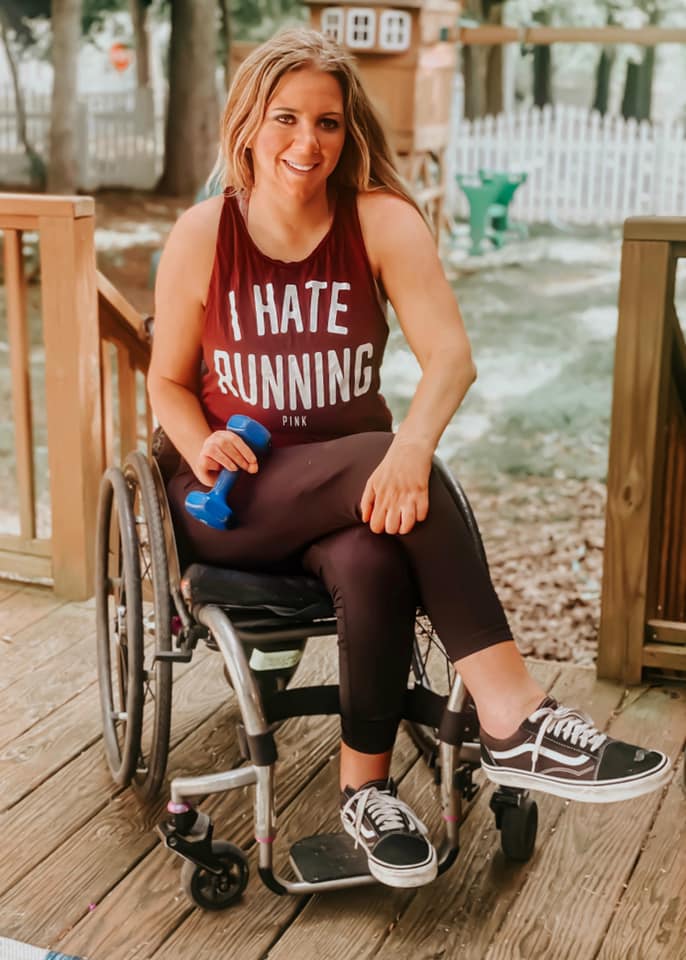
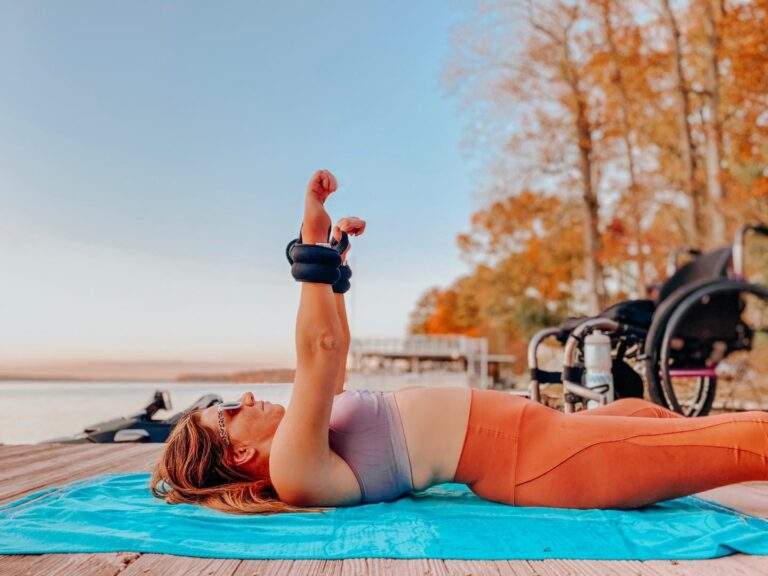
Rachelle blogs about fitness, fashion, motherhood and life as a wheelchair-user.

5) God doesn’t give you anything you can’t handle.

I don’t believe God is the cause of pain, hate, and sadness. I’m not sure what’s out there, but if there is a higher power, I’d like to think he is mourning our tragedies with us and not brushing his hands off after completing some preplanned devastation. And there are people who can’t handle it. That’s why they’ve either checked out mentally or physically. And I wouldn’t encourage them by saying this awful event is your prize in life for being a strong person.

6) Instead of having a bad day, be thankful you have the day.

You can be thankful and still have a totally awful day. I think this quote is a guilt trip in a pretty package. If you’re upset and want this horrible day to end, it doesn’t mean you aren’t grateful. Never feel guilty for having a bad day. We are all allowed to have them.

Of course this is just my opinion, but ultimately saying these kinds of things only minimizes painful events and often leaves the real problem glossed over. A horrific experience doesn’t always make you stronger, I don’t think God intentionally dealt you a bad hand and it’s OK if you feel like you can’t handle it. You have the power and you have choices. When you feel sad, scream into your pillow if you need to, cry your eyes out, but most importantly, realize that you never deserved to feel this pain. Do what you can to heal and move on.

Here’s a quote for you: “Life is like a game of cards. The hand you are dealt is determinism; the way you play it is free will.” – Jawaharlal Nehru

The opinions in this essay are that of Rachelle Chapman, a guest contributor to this publication. AmeriDisability does not claim to own or endorse these opinions. All photos courtesy of Rachelle Chapman’s Facebook page.


6 Reasons to Add Hydrotherapy to Your Self-Care Routine

0

Unwind, relax and rejuvenate – these are the words associated with enjoying a warm bath. Bathing is an indulgence that has remained popular for centuries and is especially important today as you work to find balance in a fast-paced lifestyle.

Hydrotherapy provides the perfect solution with innumerable benefits in self-care, wellness and general de-stressing. Here are some beneficial reasons to try hydrotherapy:

1. Boost your immune system

Hydrotherapy helps increase blood flow and the circulation of white blood cells around the body. This assists your immune system in collecting and removing unwanted materials from the body, which strengthens your immune system to fight colds, the flu and other illnesses.

2. Reduce tension and relieve pain

The weightlessness you experience in water helps relieve tension in your arms, legs and back, soothing aching muscles and easing movement. Hydrotherapy also stimulates endorphin release, which helps relieve pain naturally and reduce muscle soreness. It’s also a great way to recover after a tough workout or a stressful day. Many newer bathtubs feature pain-relieving technology, like Kohler Heated BubbleMassage, which produces a massaging effect and consistently delivers warm bubbles to slow down the cooling process of the water.

Hydrotherapy can aid chronic conditions.

3. Breathe easy and de-stress

Immersing yourself in warm water helps open your chest, increasing your lung capacity and oxygen intake. Your heart beats faster and the steam from the water clears your sinuses. Taking deep, slow breaths calms your body and helps you relax, relieving your mind and body from stress. Steam from a hot bath also works wonders for cold and flu symptoms like congestion and coughing. It gets the blood vessels in your face and nose moving and loosens any mucus blockage.

4. Balance your hormones

Hydrotherapy can be helpful for some chronic conditions. Bathing in cooler temperatures helps balance hormones released by the pituitary gland while warm water bathing can increase serotonin levels, the brain chemical associated with happiness and well-being.

5. Regulate your body temperature

There’s nothing better than stepping into a warm tub on a cold winter day. Alternatively, jumping into a pool of cool water on a hot, sticky day is just as refreshing. Adjust your bath temperature according to the season to get your body temperature back to a comfortable place.

Hydrotherapy is a simple and effective self-care method.

6. Improve your sleep quality

For optimal sleep, many sleep experts recommend setting your bedroom temperature between 60 and 67 degrees Fahrenheit. But a hot bath before bed can yield similar results. At night, your body temperature drops naturally to signal the production of melatonin, the sleeping hormone. Soaking in a warm bath will raise your body temperature, and exiting will more rapidly cool it down, better preparing you for a good night’s rest.

Enjoy these health and wellness benefits by adding hydrotherapy to your self-care routine.

Like this article? Here are similar features you may also enjoy:

(BPT)

Here’s Why You Should Consider Seeing a Geriatrician

It comes as second nature for most parents to take their children to a pediatrician at least once a year. The differences between children and adults are so stark that it makes sense to choose a doctor specially trained to treat younger patients.

Yet as we age, far too few of us apply this same logic when choosing a physician, even though our health needs often change dramatically in our later years. And we know from recent experience with the COVID-19 pandemic that the health complexities for older adults can make them particularly vulnerable to certain illnesses, demonstrating the need for a care approach as tailored as the individuals themselves.

“The kind of care you deliver to an older adult is definitely not the same as the care you give to a middle-aged person,” said Michael Stockman, M.D., a geriatrician and medical director with UnitedHealthcare Medicare & Retirement. “The physiology of older people is very different from people in other stages of life.”

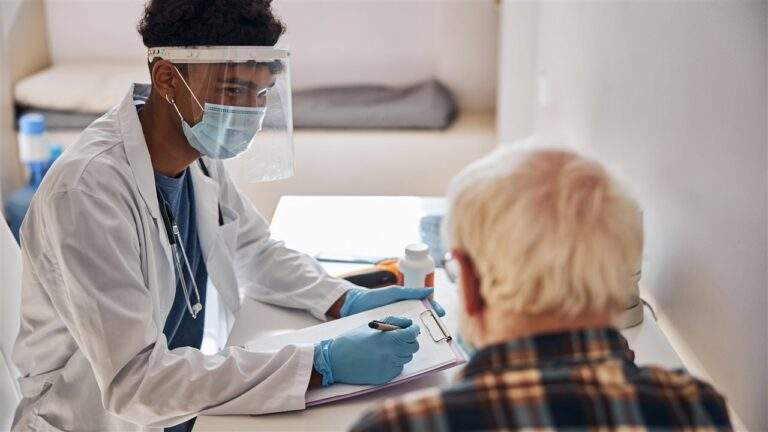
 Geriatricians are licensed physicians who have completed additional training in managing the care of older adults.
Photo credit: AARP

Those differences are significant enough that the medical community developed a specialty called geriatrics, to address the needs of older adults. Geriatricians, like Dr. Stockman, are licensed physicians who have completed additional training in managing the care of older adults. That training makes geriatricians uniquely suited to help seniors manage the demands of their often-complex health issues.

One of those complex issues is the care of chronic conditions, such as high blood pressure, diabetes and heart disease, which are much more prevalent in older people than the rest of the population. More than half of older adults have at least two chronic conditions. This group is also at higher risk for developing chronic diseases, along with other complex conditions such as cancer and Alzheimer’s disease.

Additionally, nearly 90% of adults 65 and older take at least one prescription medication, and more than half report that they take four or more, compared to one-third for those in the 50 to 64 age bracket.

Juggling multiple chronic conditions can be a challenge for the doctor and the patient. One condition can sometimes make the effects of another condition worse, and the treatments or medications for different illnesses sometimes interfere with each other.

Decisions about how to customize a patient’s treatment aren’t necessarily black and white, requiring a doctor and patient to carefully balance risks and benefits. For example, some diabetes medicines can cause dizziness, meaning the doctor needs to focus not just on regulating the patient’s blood sugar but also on minimizing the risk of a fall, which is the most common cause of injury in seniors.

“I think geriatricians are the only medical specialty more interested in taking away medications you don’t need than giving you new medications. A lot of what we do is determining which medications are more likely to cause harm than help,” Stockman said. “One of the most important things for geriatricians is the concept of shared decision-making. We ask patients, ‘What trade-offs are you willing to make?'”

Sometimes, the trade-offs are fairly simple – weighing the pros and cons of taking a certain medication or undergoing a specific screening, for example. But more often than not, they also incorporate a person’s overall quality-of-life goals. How important is it to maximize longevity? Comfort? How about independence? Each person answers those questions differently, and geriatricians are trained to use the answers to guide their treatment recommendations and care plan.

Geriatricians can help evaluate medications for seniors.
Photo credit: CDC

In addition to the clinical aspects of an individual’s care are the complexities of variables commonly referred to as “social determinants of health” – things like access to healthy food, financial burdens, racial disparities, transportation limitations and more. Many older adults are dealing with these potential barriers to health and, as Stockman noted, a geriatrician can help support his/her patients in identifying and addressing these challenges alongside their regular care plan.

So, when should someone seek out a geriatrician for themselves or a loved one? A significant change in health status could be a trigger for a geriatrician visit. But anytime an older adult feels his or her care is becoming too complex or needs better coordination, a visit with a geriatrician could help.

“Geriatricians can be really good at balancing all of a person’s medical needs and different doctors in one overall care plan,” Stockman said.

Think you could benefit from seeing a geriatrician?

With 10,000 Americans turning 65 every day, the demand for geriatricians continues to grow. Unfortunately, these specialists are a comparatively rare breed. While there are more than 58,000 general pediatricians practicing in the United States, there are fewer than 5,600 geriatricians.

For this reason, finding a board-certified geriatrician to support your ongoing health care needs may be difficult, but many geriatricians will see a patient on a one-time or as-needed basis and then make recommendations to the patient’s primary care physician.

Geriatricians can work with a seniors primary care physician.

The American Geriatrics Society offers information about how to find a geriatrician on its website, healthinaging.org, and many larger hospitals and university medical centers have geriatricians on staff who will see new patients. If you’re enrolled in a Medicare Advantage plan, be sure to confirm if a geriatrician you want to see is in your plan’s network and whether your plan requires you to first get a referral from your primary care physician before a visit with a geriatrician will be covered.

[BPT]

New 3D Printed Fetus Helps Doctors Better Plan for In-Utero Spina Bifida Surgery

0

A state-of-the-art in-utero procedure allows surgeons to correct a birth defect on developing babies inside the womb. But operating on a mother and her unborn child at the same time can be challenging and unpredictable. To give their world-class surgeons even more information ahead of surgery, Orlando Health Winnie Palmer Hospital for Women & Babies in Central Florida is using MRI and ultrasound imaging along with 3D-printing technology to create a first-of-its-kind detailed model that allows surgeons to plan procedures ahead of time, thus identifying potential obstacles and reducing the risks of surgery.

The models are currently being used to plan for an in-utero surgery that repairs spina bifida, a birth defect that occurs when the spinal cord fails to close normally during development. The condition can cause a lifetime of neurological disabilities, including an inability to walk.

New 3D Printed Fetus Helps Doctors Better Plan for In-Utero Spina Bifida Surgery
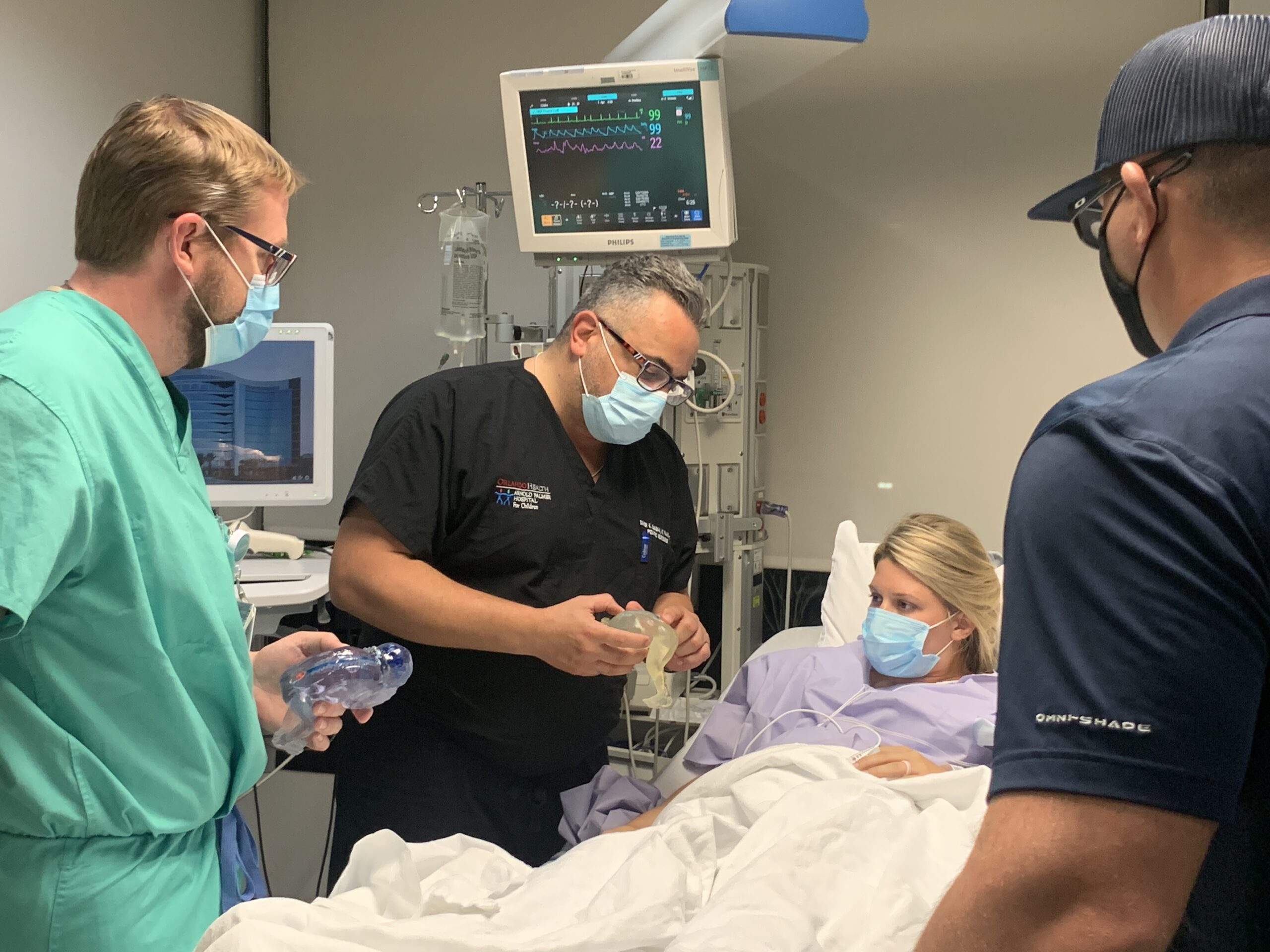
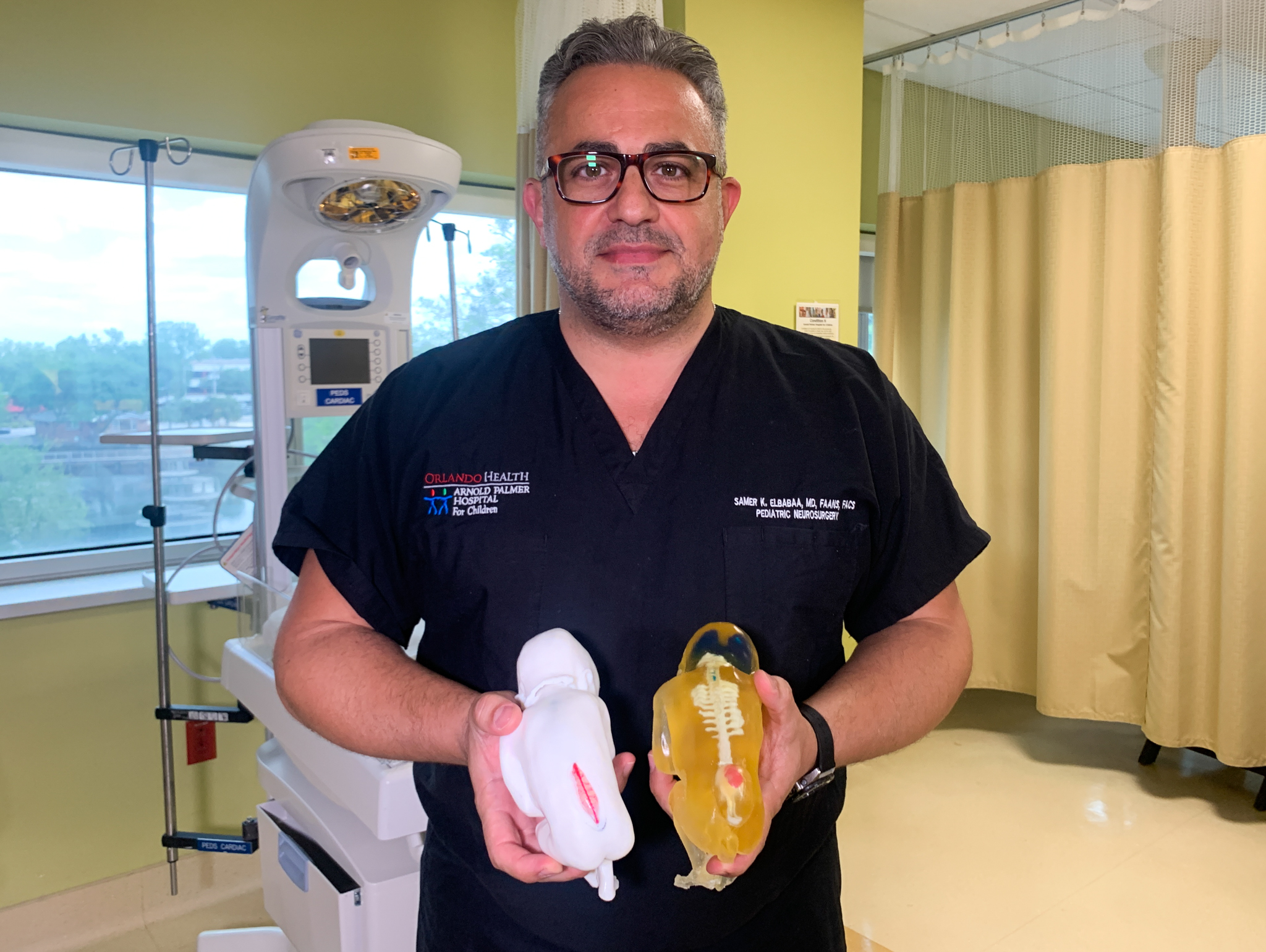
Photo: Dr. Samer Elbabaa, a pediatric neurosurgeon at Orlando Health Arnold Palmer Hospital for Children, holds 3D printed models of fetuses. The models allow surgeons to review, visualize and prepare for a complex procedure normally supported only by MRI and ultrasound imaging.

“The 3D reconstruction of the fetus can really educate the surgeon on the real-life shape, size and location of the spinal lesion, as well as prepare the surgeon to have the appropriate equipment ready to treat this condition surgically,” said Samer Elbabaa, MD, medical director of pediatric neurosurgery at Orlando Health. “It’s a level of detail that we are not able to see in traditional imaging, but that is extremely valuable in these cases where we cannot actually see the defect ahead of surgery.”

To create the models, Orlando Health works with the expert 3D printers at Digital Anatomy Simulations for Healthcare, LLC (DASH) who developed the technology. While many have seen crude, single-colored items that have been 3D printed, DASH has taken the process to the next level, developing technology to enhance MRI and ultrasound images taken throughout the pregnancy to reconstruct accurate curves and edges. They are then able to print a high-resolution model with multiple colors and materials, allowing surgeons to see details such as skeletal structure, nerve and vascular anatomy and fluid sacs in the spine and brain caused by spina bifida.

The models are currently being used in the hospital’s open fetal surgery program, which has performed 25 procedures since it began in 2018. Orlando Health is one of only 12 facilities in the U.S., and the only one in Florida, that is able to perform this kind of surgery.

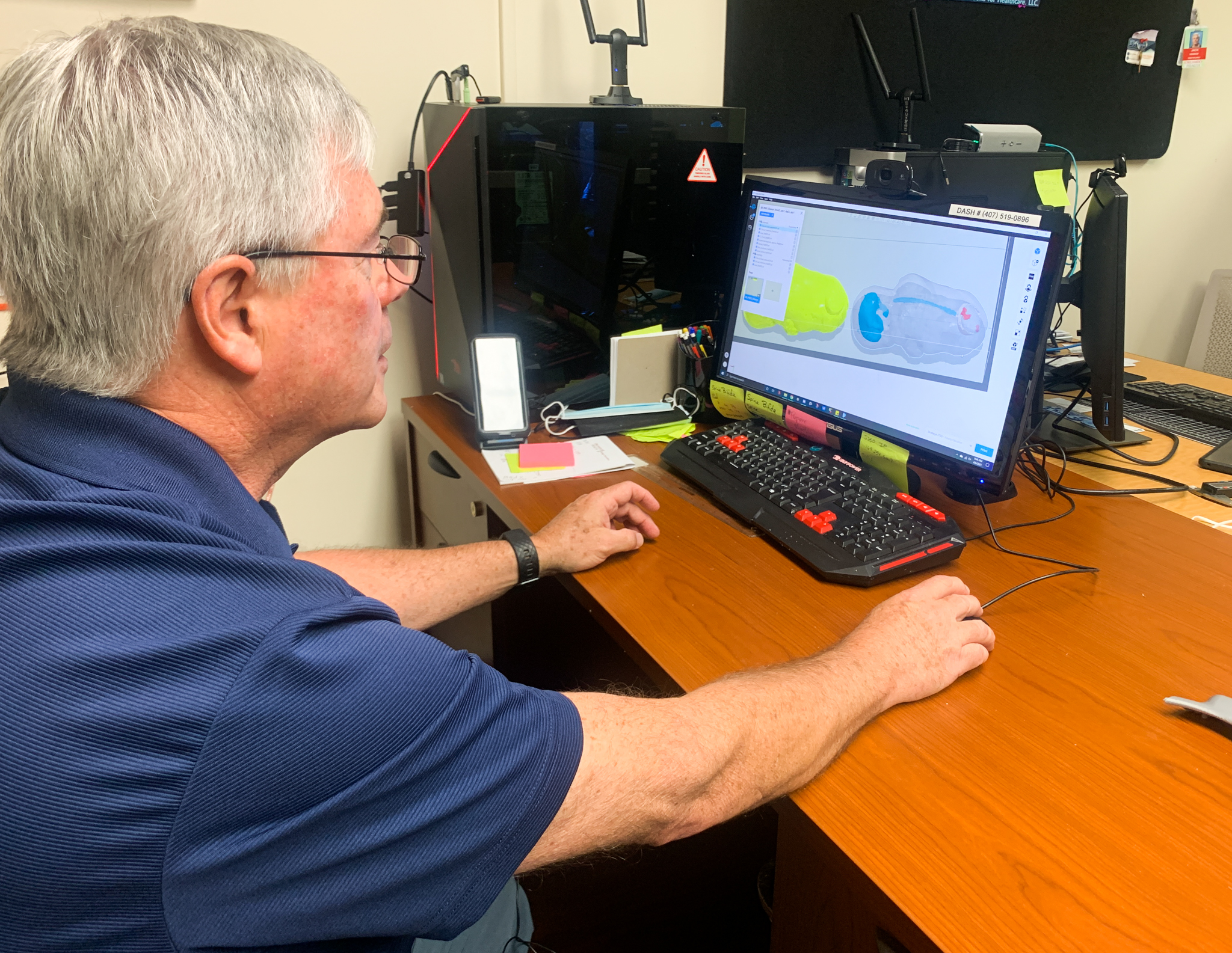
“The fetal models not only help surgeons plan for things like where to make an incision and how to repair the defect, but also helps reduce the duration of the surgery to limit the developing baby’s exposure,” said DASH President and CEO Jack Stubbs. “We are able to create models that are extremely realistic by using a stack of two-dimensional images taken throughout the pregnancy and enhancing them to reconstruct a better visualization of what the fetus truly looks like.”

New 3D Printed Fetus Helps Doctors Better Plan for In-Utero Spina Bifida Surgery
Photo: Jack Stubbs, president and CEO of Digital Anatomy Simulations for Healthcare, LLC, prepares a 3D model of a fetus using MRI and ultrasound imaging. The printed model will give Orlando Health surgeons a life-size representation they can use to prepare for in-utero surgery.

The 3D-printed models are giving surgeons a clearer picture for what to expect during a fetal surgery and also allowing surgeons to better explain the baby’s condition to parents and show them how it will be treated. For first-time parents Jared and Jocelyn Rodriguez, it made them more confident about moving forward with surgery.

“At first, we just thought it was a model showing the same kind of condition that our baby was diagnosed with, but then Dr. Elbabaa told us that it was made using the 20-week MRI of our daughter,” Jared Rodriguez said. “We could see the brain and the spine and I looked down at it and thought, ‘I’m holding my daughter right now? That’s pretty awesome.’”

The Rodriguezes say although they are prepared for the challenges their daughter may face, they’re glad this technological development is helping to give her a healthier future.

“Every appointment we go to, we just keep getting more good news and she’s already showing how strong she is,” Jocelyn Rodriguez said. “We know that this surgery will give her the best shot at a normal lifestyle and we’re excited to see the positive results as she grows.”

New 3D Printed Fetus Helps Doctors Better Plan for In-Utero Spina Bifida Surgery
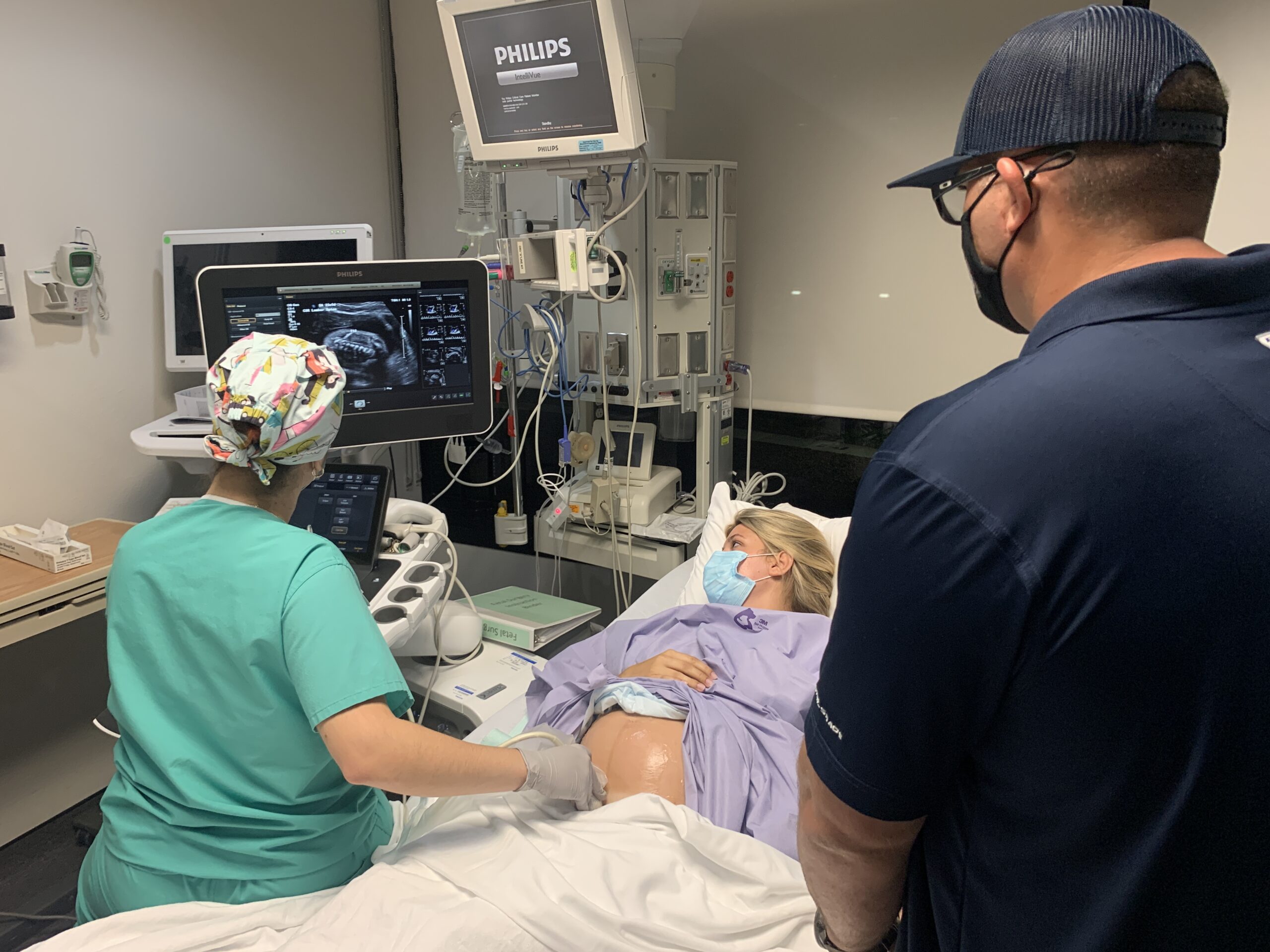
Photo: Jocelyn and Jared Rodriguez look at an ultrasound of their baby at Orlando Health Winnie Palmer Hospital for Women & Babies. Orlando Health surgeons used this imaging to create a 3D printed replica of the baby to prepare for a complicated procedure to treat the baby’s spina bifida in utero.

Surgeons are seeing successful results from fetal surgery for spina bifida. Most babies who undergo the procedure experience significantly fewer health concerns and better functionality than those who receive surgery after they are born, with some of the first patients now learning to walk on their own. Experts hope to expand the program to model other types of birth defects in utero that may be treated through fetal surgery in the future.

Photos courtesy of Orlando Health.

Give Yourself the “Green” Light for Eco-Friendly Health and Happiness

0

Did you know that ‘green’ living can benefit both the environment and your health? I love a great 2-4-1 deal! Don’t you?! Thanks to my involvement with the American Heart Association, I learned that eco-friendly behaviors –including aspects of exercise and nutrition — help to maintain optimal heart health which, in turn, decreases one’s carbon footprint.

A carbon footprint is the measure of impact that activities have on the environment. Additionally, I’ve come to understand that my efforts to go green have direct impact on not only my physical wellbeing but also my mental health. In honor of Earth Day and Earth Month, I’d like to share some tips spotlighting how I personally go green… aka my conscious efforts to support Mother Nature and another Mama (me), too! I invite you to join me in these efforts:

An eco-friendly lifestyle can boost one's health.
Photo credit: Natural Awakenings Ocala/Gainesville
  • Play ‘Go Fish’ repeatedly! Individuals consuming a diet high in meat consumption create greater CO2 emissions compared to those sustaining a diet comprised of fish and greens. And, of course, large portions of red meat can increase your waistband.
  • Be handy! Since a measuring cup may not always be accessible, especially while dining out, use your hand as a visual guide to monitor portion control. For example, a protein serving (such as fish, meat or tofu) is 3 to 4 ounces or the size of your palm; and a cup of cereal equates to a fist size.
  • Add color to your plate. Vegetables and fruits are high in vitamins, minerals and fiber, and are low in calories. Thus, eating a variety of produce may help to control weight and blood pressure and lower risk of heart disease and cancer. Because I have a heart condition and a family history of cardiovascular disease, preparing rainbow inspired meals is a personal priority. And growing your own or purchasing locally-sourced selections can cost less — financially and footprint related (decreased packaging / processing). Plus, multiple research studies indicate that gardening can reduce stress and depression symptoms, while boosting muscle strength, mental clarity and a sense of accomplishment.
  • Skip the fat, take a walk. Driving to a fast food establishment rather than preparing meals at home increases your consumption of calories and usage of vehicle fuel. Instead, control portion size and calorie intake at home and, then, save on mileage by taking a walk after your meal. Research has shown that you can gain about two hours of life expectancy for every hour of regular, vigorous exercise that you do. Yup, that’s another great 2-4-1 deal!
Include greens in your heart-healthy diet.
Photo credit: Natural Awakenings Ocala/Gainesville
  • Know that seeing is believing. The great outdoors offers simulation for the mind, body and soul. Mother Nature entices all the senses: The smell of florals, the sounds of birds chirping and swaying trees, the feeling of the sun’s rays on your skin, the taste of crisp air and the glorious sights of greenery all around. For me, nature is my happy place. I can literally feel my anxiety melt away when hiking amidst a forest green trail or splashing about in the seafoam green ocean. And, perhaps, the hues themselves play a part. According to color therapists, the color green may help combat depression. Green may support one’s balance, love and acceptance. And blue, like that of Mother Nature’s waves, may steady breathing and/or the heart-rate and eliminate toxins. A blue hue can aid communication, honesty and calmness.
  • Recycle & use reusable products. Spend less money on trash bags (and help the environment) simply by using recycle bins for approved items like cans, newspapers, etc. Opting for a reusable water canister instead of a plastic bottle decreases your waste and reminds you to sip water throughout the day to positively impact your digestion, hydration and more.

I know plenty of green-machines… loved ones growing the majority of their produce, composting and employing energy efficiency efforts. I’m a bit green with envy of such eco-lifestyle successes. Kermit the Frog famously said, “It ain’t easy being green.” But give yourself the green light to start trying!

Nancy DeVault is an award-winning writer/editor contributing to local and national publications. Her storytelling spans a wide range of topics, including charity, disability, food, health, lifestyle, parenting, relationships and travel. Married with two kiddos, Nancy describes herself as a lover of the outdoors, fitness, news, traveling and binge reading magazines while sipping coffee.

Mindfulness: What You Should Know About its Proven Impact on loneliness

0

Maybe you know someone who stands by taking five minutes each morning to meditate, or finds the time after lunch to quiet his/her mind and focus on breathing. Whatever the method may be, incorporating “mindfulness” practices into your life can have a wide range of positive health benefits like improving your memory, sleep and immune system; reducing stress and feelings of loneliness and increasing compassion toward others and yourself. And, perhaps, mindfulness can be especially useful now as feelings of loneliness spike during the coronavirus pandemic.

Mindfulness means taking time to pay attention to yourself and your thoughts and feelings. Read on to learn how you can put mindfulness into practice in your life to help improve your overall health.

How to make mindfulness a routine part of your day:

  1. Find five to ten minutes each day to sit quietly and focus on your breath. (Helpful hint: Put your phone on silent or in another room so you can concentrate!) Take the time to notice where your mind goes and how your body is feeling. You just might find that this helps you focus and prioritize your day.
  2. Before you go to bed, take time to focus on the good things that happened that day. Write your thoughts down in a journal. Writing them down can help you deliberately recognize the positive, even on a tough day.
  3. Search for “mindfulness apps” on your smartphone or tablet that lead you in a mindfulness exercise. For many people, using an app is an easy way to remain consistent with the practice. And many of these apps are free!

Feeling lonely? Mindfulness can help.

Mindfulness has been shown to help older adults overcome a silent but urgent health issue: loneliness. It is estimated that more than half of adults age 65 and over regularly experience moderate to severe loneliness. Loneliness is characterized by a marked difference between someone’s desired companionship and actual relationships. Through unique studies conducted by UnitedHealthcare and AARP, researchers are applying the techniques of mindfulness to help combat loneliness in older adults.

Mindfulness can help combat loneliness during the coronavirus pandemic and beyond.
Photo credit: Orlando Health

Loneliness poses a serious threat to the quality of life for older adults. It is linked to negative health outcomes such as higher risk of dementia, mortality and disability.

“The health risk of chronic loneliness, in older adults, is equivalent to smoking 15 cigarettes a day, and has a greater impact on mortality than obesity,” said Dr. Charlotte Yeh, M.D., chief medical officer, AARP Services Inc. “That is why UnitedHealthcare and AARP Services Inc. are collaborating to identify actionable solutions, geared for any individual across the spectrum of loneliness.”

Researchers looked at whether mindfulness interventions, like breath awareness, self-compassion and kindness exercises, could positively impact a person’s optimism and quality of life – all factors that help reduce loneliness.

Conclusions were encouraging:

Mindfulness activities were shown to decrease loneliness among older adults. The research demonstrated that mindfulness reduced stress, and improved memory, sleep, the immune system, resiliency and compassion for self and others.

Although loneliness is complex and challenging to address, a mindfulness practice may help you live your best life.

For similar AmeriDisability content, explore these articles: 

Courtesy of BPT

10 Disability-Friendly Face Masks & Coverings

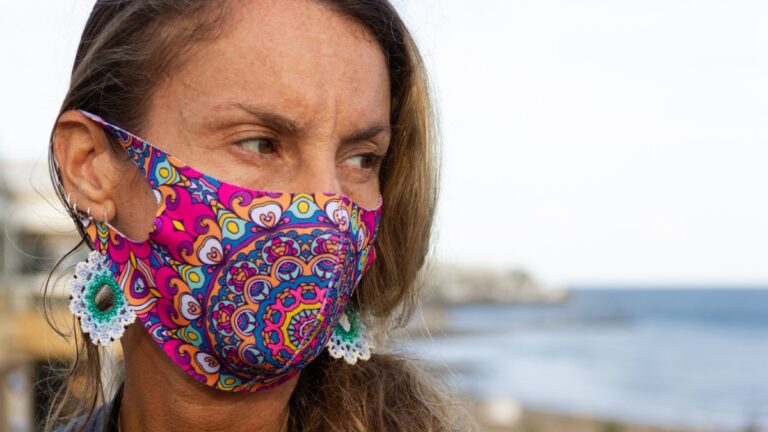
Experts recommend that face masks continue to be worn (in addition to social distancing) to combat the spread of COVID-19. That’s because, according to studies cited by the Centers for Disease Control (CDC), masks reduce the spray of respiratory droplets when worn over the nose and mouth.

More than a year into the worldwide coronavirus pandemic, many have grown accustom to wearing protective shields such as: fabric masks (homemade or store-bought reusable material coverings, bandanas or neck gaiters); surgical masks (single-use, disposable protectors) and N95 respiratory masks (fitted healthcare-grade gear). Yet for some, including some persons with varying disabilities, the act of wearing a mask remains challenging.

Here’s a round-up of some disability-friendly face masks:

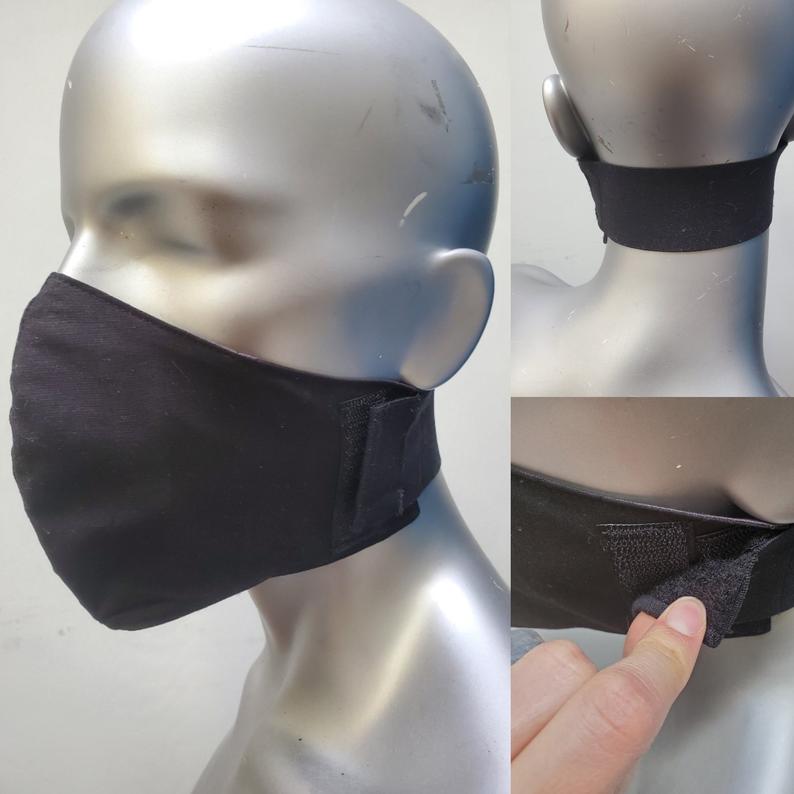
1.   Wrap-around Mask: Etsy’s AlterTopsShop sells sensory-friendly youth face masks that wrap around the head and Velcro at the back of the neck. This product maker explains that these adjustable pieces may be preferred by wearers with sensory processing disorder, autism or ADHD that don’t like the elastic found on standard masks, in addition to those with ear devices such as hearing aids or cochlear implants. One 5-star reviewer said she highly recommends this for “a child with glasses, hearing aids, CI (cochlear implants) or sensory sensitivity.” She shared: “My 3-year-old with bilateral CI absolutely loves her new mask. It doesn’t fall off and she can remove it by herself as needed.”

2.Neck Elastic Mask: Similarly, another Etsy shop is producing adjustable handmade masks with Velcro closures that are ideal for wearers with varying disabilities. Bonus: This maker offers discounts on bulk orders and for healthcare workers! One reviewer shared: “Love this mask. My daughter has Down syndrome and is very uncomfortable with the ear loops. She was very comfortable with this mask. I just reordered the size small because the standard size was a little big on her. They are so comfortable to wear that my husband and I will be wearing the standard size. Great quality product.”

Disability-friendly masks with Velcro closure.
Image credit: KMKDesignsllc

3.   Sensory-Friendly Protective Mask: This reusable mask, sold via Autism-Products.com, does not tug on the ears and has an easy-to-adjust sizing toggle. Plus, it’s reversible and includes a convenient name tag to label.

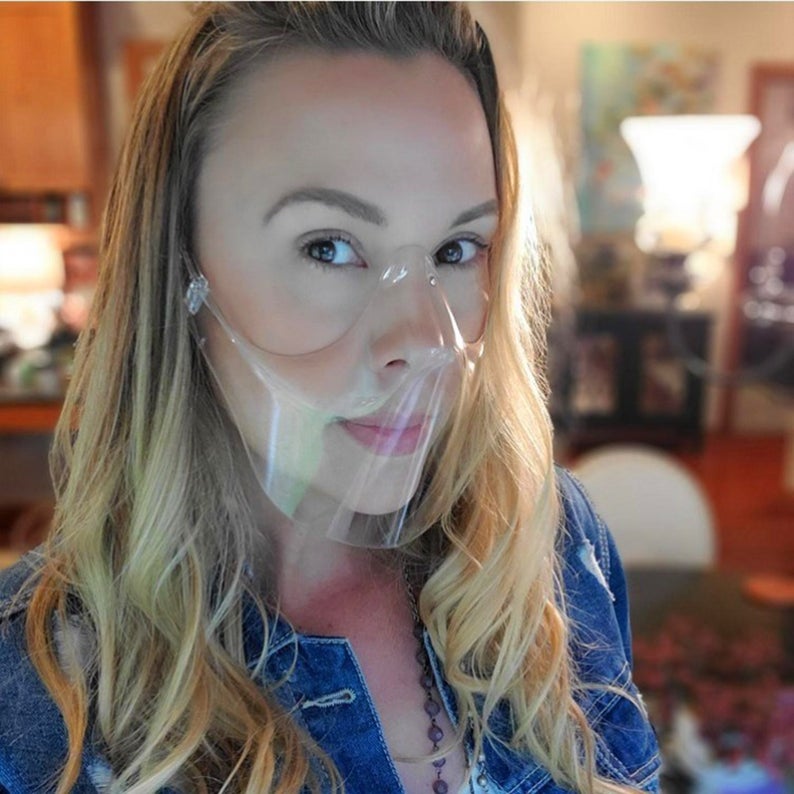
4.   Clear Face Shield: Also available on Etsy, this easy-to-wear option is worn similarly to glasses with a comfortable nose bridge. The maker claims it to be light-weight, unscented and highly-breathable. Best yet, this unique style is optimal for American Sign Language (ASL) communicators and others.

Clear face shield allows for seamless ASL communication.
Image credit: Anneusshop

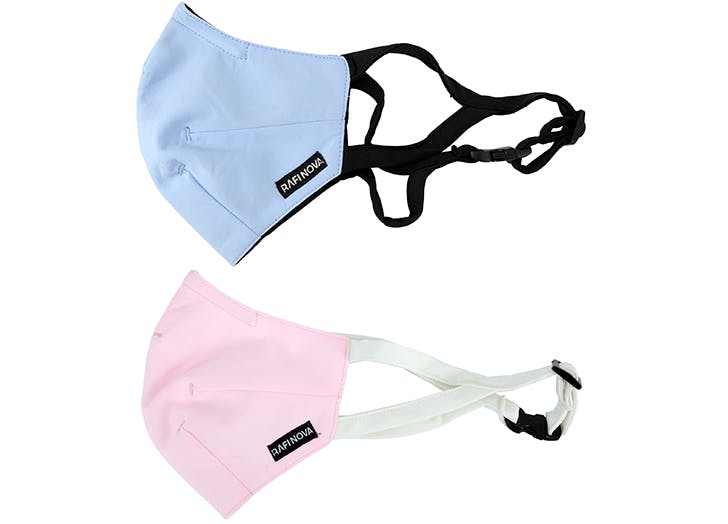
5.   Sensory-Friendly Clasp Mask: Developed in partnership with EasterSeals SoCal, Rafi Nova will donate up to 25% of profits to support EasterSeals’ mission to provide resources to individuals with disabilities. Available in both youth and adult sizes, this hypoallergenic sensory-friendly mask has a soft silk liner and adjustable jersey knit straps that comfortably wrap and clasp around the head. One website reviewer shared: “I bought this for my son who has sensory needs. We have struggled to find a mask that doesn’t stress him out–they either cling too tightly to his face or the ears loops feel like they are cutting into his skin. Not so with the Sensory Friendly Mask! It’s super soft and roomy on the inside (while still having a proper fit on the edges) so it doesn’t smash against the nose. He’s also able to put on the mask independently, which was something else we struggled with. And he keeps it on! I like it so much I bought some for myself as well. Would highly recommend.”

This sensory-friendly mask has a uniquely, comfortable clasp.
Image credit: RaviNova

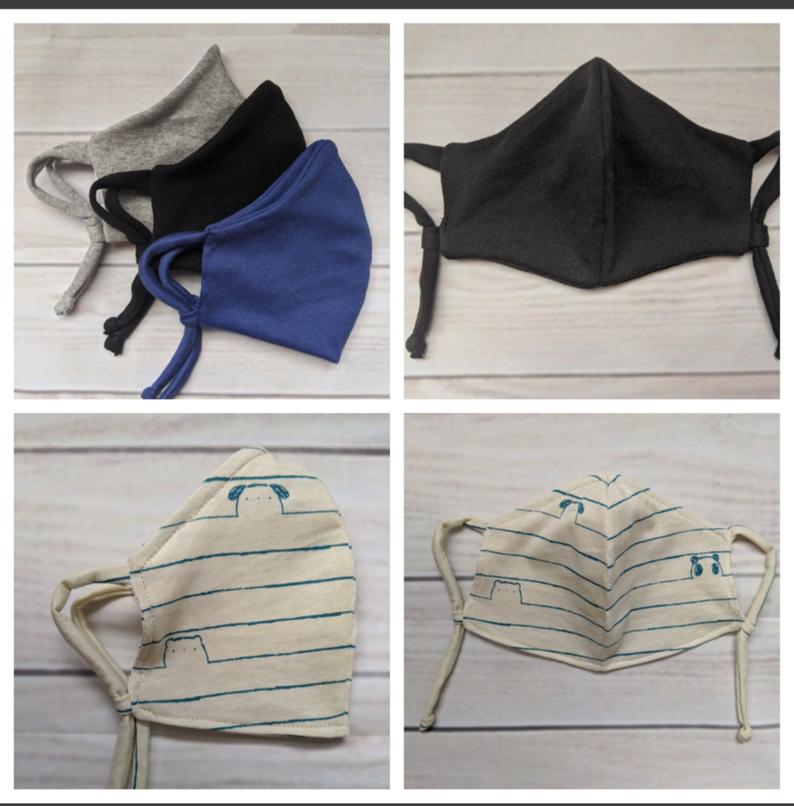
6.   Soft & Stretchy Loop: Available in many designs and colors, this 2-layer mask is hand-cut and hand-sewn. The comfy and creative design presents a stretchy loop without elastic. A purchaser who happens to be a registered nurse recommends this product with approval by her hard of hearing mother-in-law. She explains: “The sewing is beautifully done. The head strap arrangement with the shoelace and the slider clip is ingenious; it works well and it is easy for her (mother-in-law) to put on and off. She’s very happy with the fit and no problem with the hearing aids!”

These masks won't interfere with ear devices.
Image credit: OhMaiKawaii

7.   Headband-Like Mask: This cute homemade pleated mask ties at the top of the head, kind of like how one would tie a bandana as a headband or a hair bow. The mask includes a 4-inch nose wire that can be molded not just over your nose, but across your cheeks which can be helpful for combating fog among glasses wearers.

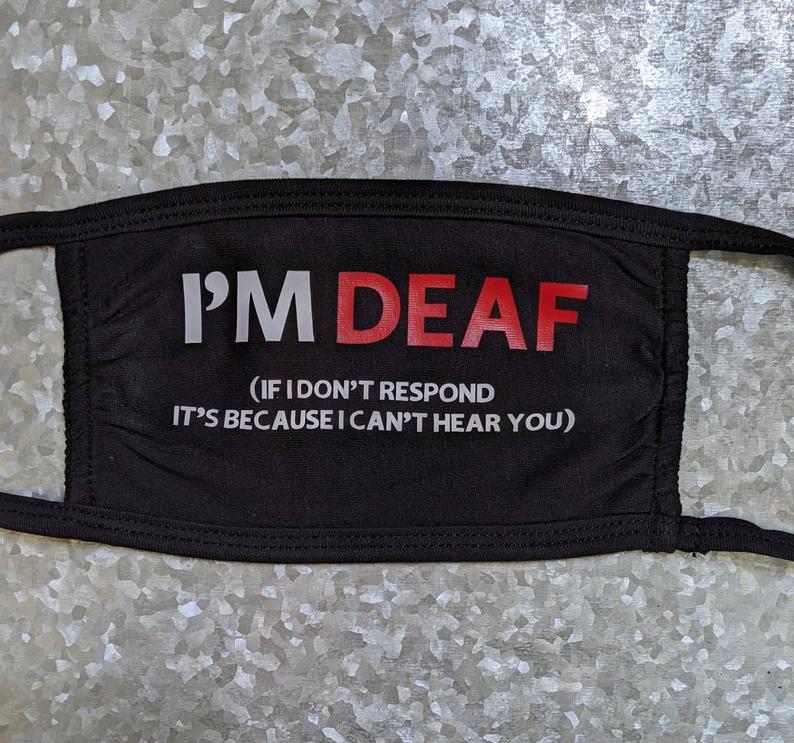
8.I Am Deaf Mask: This triple layer cotton face mask makes a pretty important fashion statement. The designer created this statement piece to help empower her sister, who is hard of hearing, and others within the disability community. One reviewer states: “This is the most comfortable mask I’ve found yet… plus, it lets people know I’m deaf without having to struggle with paper and pen! Great item!”

This mask is useful for persons with hearing impairments.
Image credit: CraftykarlaStore

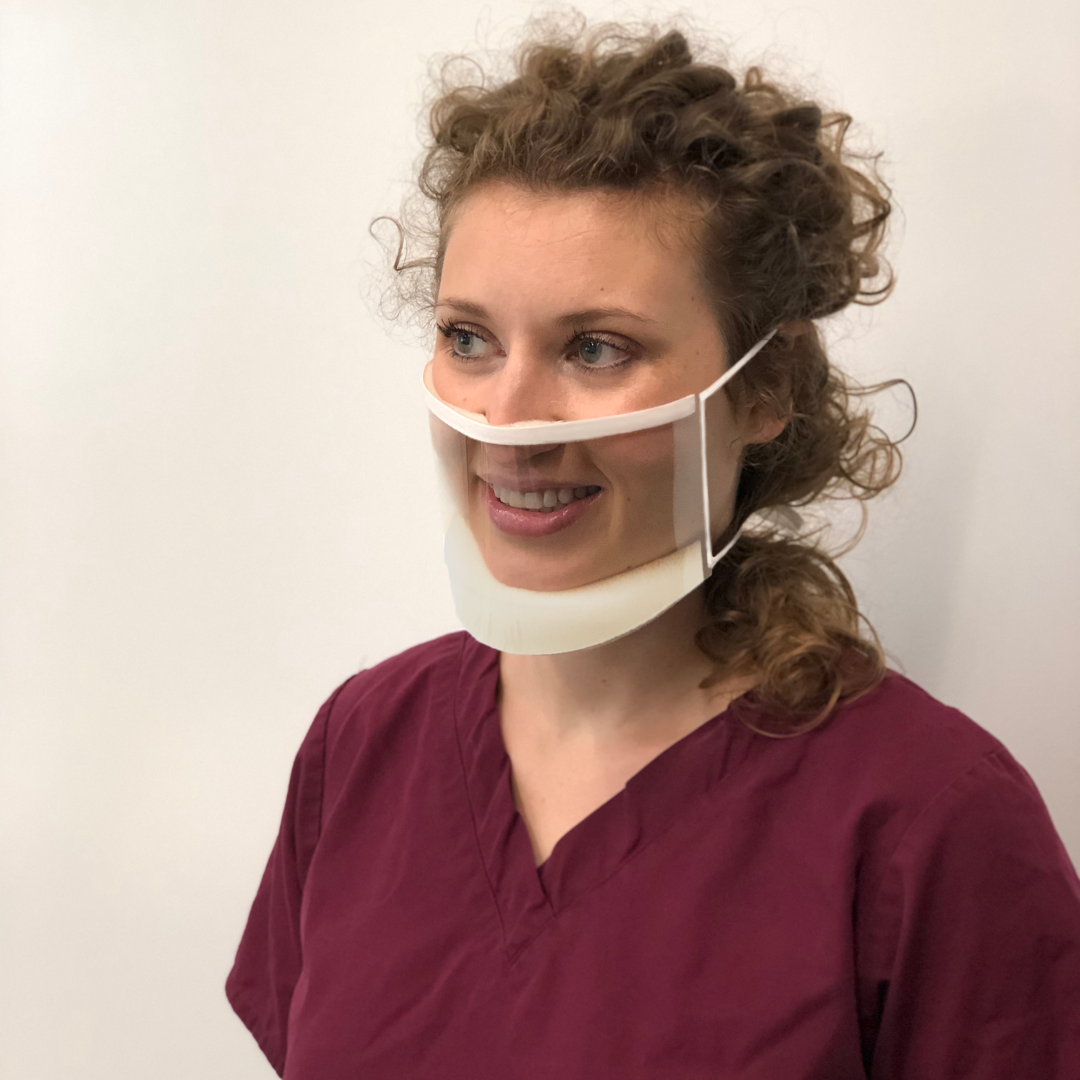
9.   Clear Surgical Mask: The fully transparent ClearMask is the world’s first and only transparent surgical mask that is FDA-cleared as a class II medical device. Over 17 million masks have been sold to international, national and state governments, hospitals, clinics, schools, businesses and others. Plus, ClearMask offers non-medical grade mask selections too, in both kid and adult sizes. DEAL ALERT: A discount code is available to receive 20% off your ClearMask order; use AMERIDISABILITY at checkout when placing your order!

ClearMask is offering a discount to AmeriDisability readers to obtain this disability-friendly mask.
Image credit: ClearMask

Other see-through options are available through Safe ‘N’ Clear and the soon-to-be released HelloMask. And, of course, you can explore a plethora of non-medical mask selections with clear slots via various online shops.

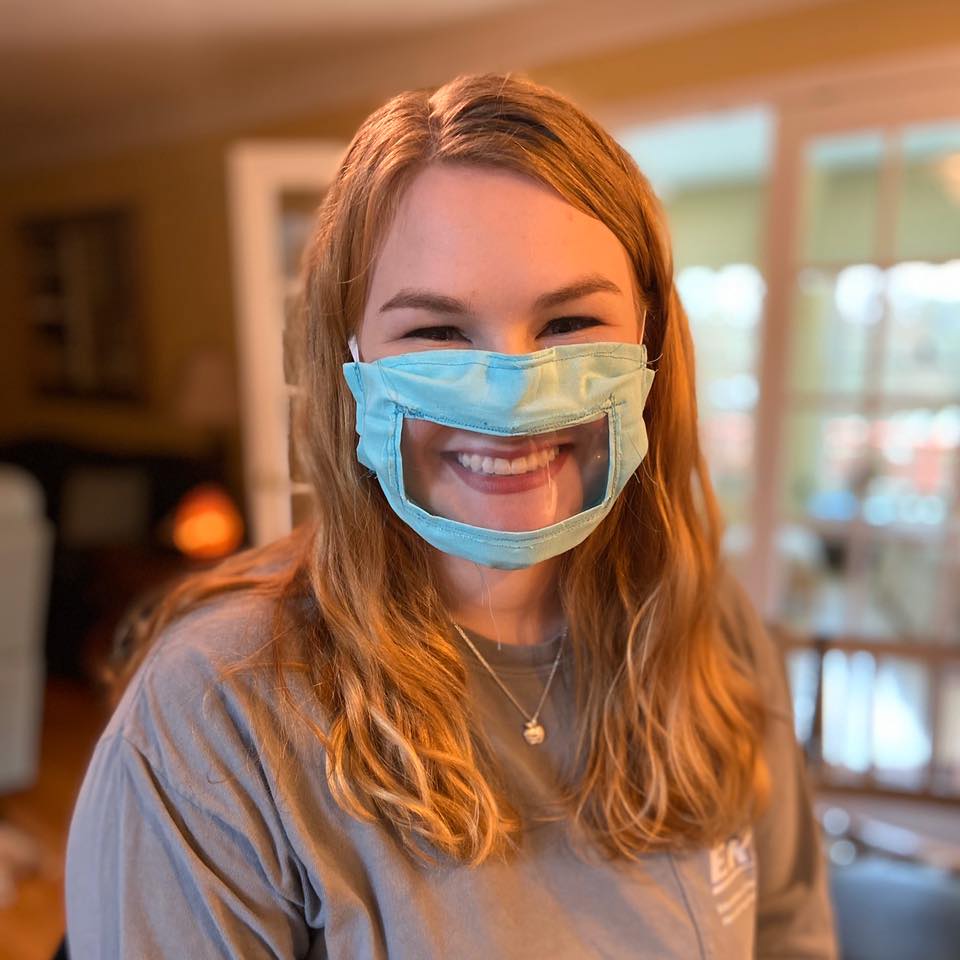
10.   DIY Masks through DHH Mask Project: As outlined on FEMA.gov, the Deaf and Hard of Hearing (DHH) Mask Project created an accessible-deaf-friendly mask project with step-by-step guidance on how to make homemade cotton masks with a clear plastic front. The effort was launched by Ashley Lawrence who works in education within the deaf and hard of hearing community. Give it a try!

Ashley Lawrence developed this innovative DIY mask option to empower the disability community.
Image credit: DHH Mask Project

Have you discovered other disability-friendly face masks that works for you and/or loved ones? Share with us on Facebook and Twitter!

The CDC has outlined COVID-19 information specific to persons with disabilities on their website. For additional guidance surrounding COVID-19 and the ADA, reference information on the website of the U.S. Equal Employment Opportunity Commission.

 Stay well!

Disclaimer: AmeriDisability does not endorse the products featured in this editorial article. Our publication has no affiliation with the makers of these products.

Feature image credit: CDC

Nancy DeVault is an award-winning writer/editor contributing to local and national publications. Her storytelling spans a wide range of topics, including charity, disability, food, health, lifestyle, parenting, relationships and travel. Married with two kiddos, Nancy describes herself as a lover of the outdoors, fitness, news, traveling and binge reading magazines while sipping coffee.

Is it Allergies or COVID-19? Here are 7 Symptoms to Note

0

COVID-19 is complicating the 2021 spring allergy season. From watery eyes to dry coughs, people are left wondering exactly what their symptoms mean.

“Many people are asking about the differences between COVID-19 and seasonal allergies,” says Dr. Luz Fonacier, president of the American College of Allergy, Asthma and Immunology (ACAAI). “While it isn’t always cut and dried, there are some clear differences. Certain symptoms are only seen in one or the other.”

If you are unsure what is ailing you, Fonacier suggests checking with a professional. Allergists are the best trained medical professionals to diagnose and treat allergies and asthma,” she said. “When in doubt, talk to an allergist.”

To help shed some light on the differences between COVID-19 and spring allergies, here are seven common symptoms and their possible causes.

Wondering whether you have COVID-19 or just seasonal allergies?
  1. Coughing, chest tightness and shortness of breath are the calling cards of COVID-19. Unfortunately, these symptoms may also indicate an asthma-like allergic response. Many people who suffer from asthma also have allergies. If you are coughing this spring, consider the context. Is shortness of breath something you have experienced during previous spring seasons? Do you have additional symptoms, like fever or itchy eyes? The answers to these questions may help you distinguish the root cause.
  2. Fever does NOT occur with spring allergies. Fever may indicate COVID-19, the flu or – more rarely – the common cold. The combination of fever, coughing, shortness of breath and loss of smell or taste is a strong indicator of COVID-19 and must be taken seriously.
  3. Chills happen when the blood vessels in your skin constrict, causing you to feel cold without an obvious cause. Allergies do not cause chills, but COVID-19 does. If you are experiencing mild chills it is a good idea to self-isolate as a precaution. If you are experiencing chills in combination with shortness of breath, call your doctor to see if you should be tested for COVID-19.
  4. Sneezing and runny nose are rarely seen in COVID-19 cases. They are, however, very common for allergy sufferers. If the spring season has left you sneezing and sniffling in the past, then seasonal allergies are still the most likely culprit in 2021. You can talk to a board-certified allergist about treatment options, which may include over-the-counter or prescription medication, or immunotherapy.
  5. Itchy, watery eyes are the signature symptom of seasonal allergies. COVID-19 does not cause itchy eyes, but the practice of staying home may help by reducing your exposure to pollen. Avoidance, or the strategy of staying away from potential allergens, may help decrease symptoms. If avoidance is not cutting it, it may be time to speak with an allergist.
  6. Loss of smell and/or taste is another very common symptom of COVID-19. While allergies may lead to mild loss of smell, it is best to be on the safe side while the coronavirus continues to spread. If you experience these symptoms, call your doctor for advice.
  7. Nausea or vomiting are not typical allergy symptoms. They may indicate the common cold, the flu or COVID-19. If this symptom is mild, then self-isolating is a good course of action. If it becomes severe, and particularly if it is accompanied by fever and shortness of breath, you should call your doctor. He/she will be able to advise you on whether to get tested or seek medical help.

Understanding the differences between COVID-19 and seasonal allergies is key to keeping healthy this spring. Stay on top of the season by knowing your symptoms and understanding what is typical for you.

Courtesy of BrandPoint

Announcing the Re-launch of AmeriDisability

0

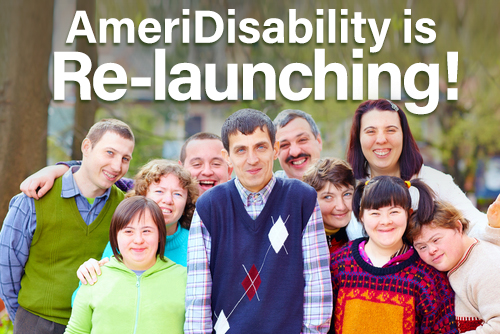
The publishing staff of AmeriDisability is pleased to announce the re-launch of its digital magazine (via AmeriDisability.com) this fall 2021. This accessible, online platform serves the disability and senior communities.

Prior to going on hiatus in December 2019, AmeriDisability passionately informed and inspired its signature audiences and the public at-large for more than five years. During the website’s publishing pause, dedicated readers continued to seek out AmeriDisability’s educational and empowering articles. Thus, due to an overwhelming demand for pertinent content, AmeriDisability will graciously re-launch its digital and social channels.

Why Digital?

The AmeriDisability team loves the art of traditional publishing, and flipping the pages of a beautifully-crafted magazine. In fact, the publication first established itself as a monthly print publication. However, users desired continual access to content beyond the pages of the periodic piece. AmeriDisability readers, and society in general, have grown accustom to consuming information 24/7 with the click of a mouse or screen scroll. AmeriDisability understands that preference… and aspires to enthusiastically deliver.

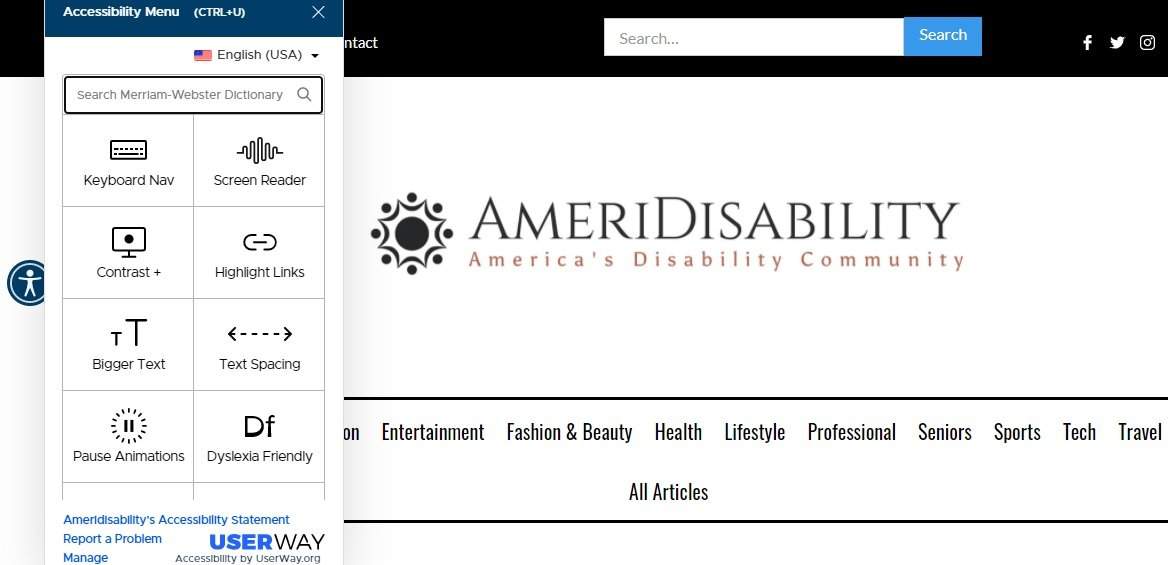
The upcoming re-launch will present a user-friendly layout with accessible navigation for desktops and mobile devices. Audiences can expect to discover a high-quality online platform full of fresh content, in addition to previously-published work that remains relevant.

AmeriDisability's website includes accessible navigation.

Be Part of the AmeriDisability Community

AmeriDisability is committed to its mission to serve the disability and senior communities. The publication sincerely invites readers to share feedback, suggest and/or contribute topical articles, subscribe to its newsletter and continue the conversation on Facebook, Twitter and Instagram.

Holiday Air Travel Can Be Dangerous for Passengers with Disabilities

0

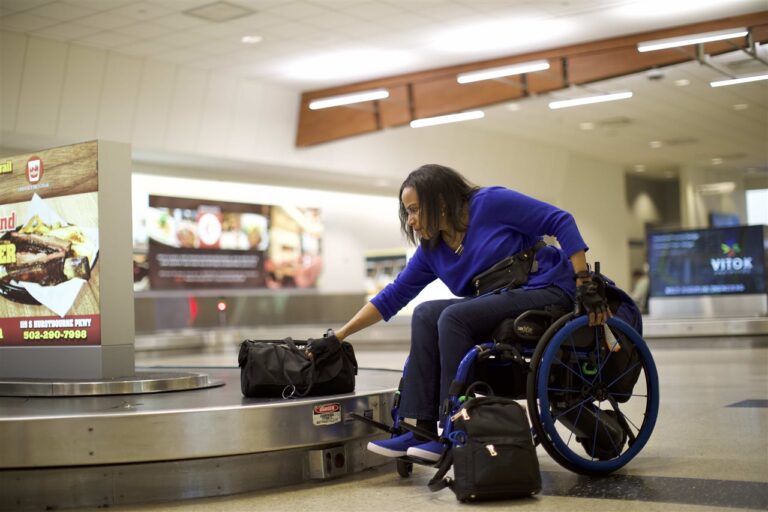
During the busy holiday travel season, many people suffer from the stress and strain that accompanies flying. Unfortunately, travelers with disabilities often face even more hurdles with air travel, such as damaged wheelchairs, delayed assistance and untrained airline staff. These obstacles are not only inconvenient and uncomfortable but, sometimes, can be dangerous.

One of the dangers passengers with disabilities face is long wait times in aisle chairs. These one-size-fits-all chairs are used when an airplane aisle is too narrow for a personal wheelchair to fit. Prolonged sitting in this type of short-term use chair can cause pressure sores, blood clots and even death. In addition, lack of training for airline staff to safely transfer people with disabilities to and from wheelchairs and airplane seats leads to increased risk of injury for passengers. A bump into an armrest can cause cuts, bruises or broken bones.

“The way things are now, flying with a disability is a danger,” said Charles Brown, national senior vice president of Paralyzed Veterans of America. “Earlier this year, I was injured when being transferred from a wheelchair to an aisle chair to board a plane for a cross-country flight. And again, when transferring to my seat. I ended up with a fracture that led to a serious infection, months in the hospital and follow up visits. If there were more standards and training for staff assisting passengers with disabilities, this would not have happened.”

Additionally, airplane restrooms are too small and inaccessible for people who use mobility devices, leaving people to resort to extreme and unhealthy alternatives.

Air travel can be dangerous for people with disabilities.

This holiday season, Paralyzed Veterans of America, an organization dedicated to empowering veterans and fighting for the civil rights of all people with disabilities, is alerting the public of the dangers commonly faced during air travel and asking for support of their efforts to ensure safe and accessible travel for all.

“This is a matter of basic civil rights for all people with disabilities,” said David Zurfluh, national president of Paralyzed Veterans of America. “We’ve been leading the charge for accessibility in airports and on planes, but now we need the public to help demand change. We are on a mission to create a world where independent living is a reality for everyone. By supporting our efforts, the American public is showing lawmakers that accessible air travel is an important issue that demands action.”

More than one-in-four Americans report having a disability, and the majority of those are mobility related. This statistic, coupled with an aging population, makes problems experienced during air travel more widespread than ever.

For travelers with disabilities, or travelers who accompany someone who has a disability, the most important thing you can do is join the fight for change. Sign up for ongoing news and alerts, learn how to support PVA efforts to achieve equal accessibility for all and find resources to aid in planning your next trip at pva.org/travel.