No matter where you are in life, whether you’re just starting your career or nearing retirement, it’s important to understand the voluntary benefits available to you that can complement traditional health insurance.
While health insurance can help cover medical costs in the event of injury or illness, sometimes there are additional expenses your healthcare plan doesn’t cover. Voluntary benefits, such as life insurance, disability insurance and dental insurance, offered by your employer or as portable options through a company like Colonial Life can help bridge the gap should an unexpected event occur.
“Even if an employee has to pay a nominal sum for a voluntary benefit like disability insurance or dental coverage, it can be well worth it,” said Sharlyn Lauby, president of ITM Group Inc., creator of the HR Bartender blog and contributor to Colonial Life’s WorkLife blog. “Think of voluntary benefits as those specialized, personalized extras that make your overall benefits package exactly what you’d like it to be.”
Benefits can be complex, but with the right information about the options available you can make choices that best fit your lifestyle and budget. Consider these common voluntary options:
credit: hrps.org
Life Insurance
While almost 9-out-of-10 Americans agree most people need life insurance, just 60 percent said they have it, according to LIMRA’s Trendsin Life Insurance Ownership study. With benefits typically paid tax-free to your beneficiary, life insurance can provide peace of mind and help loved ones pay for funeral costs, cover living expenses, pay off debt, finance future needs and protect retirement plans. Policies are often available through employers, but you may lose the coverage if you change jobs. However, portable policies are also available that allow you to maintain coverage even if you change jobs or retire. To learn how much life insurance protection your family needs, check out this online calculator.
Disability Insurance
No one usually expects to get sick or injured, however disability insurance can help protect your income and maintain your lifestyle if a physician determines you’re unable to work due to a covered accident or illness. Common conditions such as pregnancy/childbirth, heart attack, stroke, cancer and accidents make up the majority of disabilities that lead to an inability to work. With short-term disability benefits, you receive financial support for a predetermined amount of time to cover expenses such as a mortgage or rent, car payments, utilities and more so you can focus on recovery.
In 2018, Colonial Life made payments on more than 70,000 disability claims totaling approximately $210 million.
Dental Insurance
Daily brushing and flossing can help keep your mouth healthy, but that’s not always enough as dental problems can lead to other health problems if left unattended. When you see a dentist for routine appointments and necessary procedures, dental insurance can help reduce the out-of-pocket expense. In fact, among insurance benefits typically provided to employees, 61 percent of workers view dental benefits as important, ranking second after medical insurance, according to LIMRA. Dental insurance provides coverage for regular cleanings and more extensive procedures like fillings, crowns, dentures and tooth removal. Some plans even offer allowances for orthodontic work like braces and retainers.
credit: Colonial Life
Accident Insurance
When an accident happens, one of the last things many people want to think about is how they’re going to pay the bills. You can prepare for this unexpected issue with accident insurance, which provides a lump-sum benefit – based on the injury suffered and treatment received – that can be used to help pay for expenses following an accidental injury, such as doctor bills, co-pays, emergency room fees, transportation, lodging and follow-up care.
Critical Illness Insurance
No matter your age or health status, a sudden illness could significantly impact your financial well-being, and health insurance may not cover everything. When a critical illness such as a heart attack, stroke or major organ failure occurs, major expenses often follow, and critical illness insurance can help off-set costs. In addition to your day-to-day bills, the lump-sum benefit can be used to pay for treatment- and recovery-related expenses including deductibles and co-pays, child care, travel and lodging, gym memberships and out-of-network treatment facilities and procedures.
Summer is a time to enjoy outdoor activities with friends and family — beach trips, picnics, camping weekends and parties fill our calendars. And while spending time outdoors can be a lot of fun, the warm summer months may cause health problems for some.
High temperatures and long-term sun exposure can worsen side effects for some chronic conditions, and they can also cause problems like heat exhaustion, heat rash or heat stroke. During the summer months, it’s important understand the signs and symptoms of a heat-related illness, and communicate this information with loved ones.
Chronic Illnesses and Heat
Heat and sun exposure can aggravate symptoms of certain conditions, including:
Autoimmune diseases, like Lupus and rheumatoid arthritis
In some cases, a chronic disease may increase someone’s risk for a heat-related illness because the body isn’t able to cool itself down easily. People may be more at risk for heat-related illness if they have conditions like:
Young children, people over the age of 65 and people who exercise during hot weather are also at high risk for heat-related illness, so it’s important to check on them regularly to ensure they’re staying safe and healthy.
credit: AAA
Tips for Staying Safe During Hot Weather
If you or a loved one suffer from a chronic medical condition, follow these tips to avoid symptom flare-ups and heat-related illnesses:
Ask About Your Medicines
Certain medicines can worsen the effects of heat, especially medicines used to treat depression, insomnia or poor circulation. Talk to your doctor about the medicines you’re taking and whether they may increase your risk for heat-related illnesses.
Avoid Mid-Day Activities
Try to stay inside or in a cool place during the hottest part of the day, typically between 11 am – 3 pm, and limit activity to cooler parts of the day.
Avoid Strenuous Activities
Take it slow during hot weather and, perhaps, avoid vigorous exercise. Make sure you also get plenty of rest.
Check in Regularly
Touch base with your friends and neighbors to make sure they are doing okay in the heat, and don’t be afraid to ask someone to do the same for you. Try to check in at least twice a day for adults who are most at risk for heat-related illnesses.
Replenish Salt and Minerals
When you sweat, your body loses important salt and minerals, which can increase your risk for heat exhaustion. Ask your doctor about the safest way for you to replenish.
Stay Hydrated
Drink plenty of fluids, even if you’re not thirsty. Avoid drinking sugary or alcoholic beverages, as these drinks can cause your body to actually lose fluids.
Stay in an Air-Conditioned Space
If your home doesn’t have air conditioning, try spending a few hours at the library or mall to cool down your body temperature. Use ceiling fans or portable fans to circulate air. When you shower, keep the water cool.
Stay Informed
Check your local news for high heat warnings and stay up-to-date on cooling shelters available in your city or town.
Use Sunscreen
If you’re spending time in the sun, make sure to apply broad-spectrum sunscreen regularly. Sunburns can make it difficult for our bodies to cool down, which can increase our risk for heat exhaustion or heat stroke.
Wear the Right Clothes
Wearing a wide-brimmed hat, sunglasses and lightweight long-sleeved shirts can also help prevent sunburns. Stick to loose-fitting, moisture-wicking and light-colored clothing.
It’s important to know the signs of heat-related illnesses and what to do when you see someone with these symptoms. In some cases, it may save a life.
Heat Exhaustion
Heat exhaustion happens when your body loses too much water and salt. Symptoms of heat exhaustion can include:
Cold, pale or clammy skin
Dizziness or fainting
Fast, weak pulse
Fatigue
Headaches
Heavy sweating
Muscle cramps
Nausea or vomiting
If you believe you are suffering from heat exhaustion, make sure you:
Drink water slowly
Loosen your clothing
Move to a cool place
Place cool towels on your skin or take a cold shower or bath
If your symptoms get worse or don’t go away after an hour, seek medical help.
Heat Stroke
Heat stroke is a medical emergency. If you suspect someone is having a heat stroke, call 911 right away. Symptoms of heat stroke may include:
Body temperature of 103°F or higher
Confusion
Dizziness
Fainting
Fast, strong pulse
Headache
Hot, red and dry skin
Nausea
After calling 911, make sure the heat stroke victim:
Doesn’t drink anything
Moves to a cool place
Has cool, wet towels placed on their skin
Sunburn
Sunburns are common in the summertime and can result in painful, red and warm skin. Sometimes, sunburns can also cause blisters. If you or a loved one get a sunburn, be sure to:
Avoid breaking blisters
Moisturize the sunburned skin with lotion
Place cool cloths on the sunburn or take a cool bath
Stay out of the sun until the burn heals
Heat Rash
Heat rash is a group of small blisters on the skin. They usually form in the groin, neck, chest or the inside of the elbow. If you or a loved one get a heat rash, be sure to:
Keep the rash dry
Stay in a cool, dry place
Use baby powder or other cooling powder to ease pain from the rash
Stay Safe and Cool
Whether you’re spending time outdoors with your family or caring for a loved one with a chronic condition, it’s important to keep cool, stay hydrated and know the warning signs of heat-related illnesses. Be sure to talk with your doctor about other ways you and your family can stay safe during the warm summer months.
Originally published by AdventHealth. Reprinted with permission.
Feature image credit: Government of Prince Edward Island
Teenager Isabelle lights up when she talks about her passion for American Girl dolls. She knows the backstories of most of the dolls and serves as an expert-in-residence at Girl AGain, an American Girl boutique store in White Plains, N.Y. Plus, she loves to style their hair and coordinate different outfits.
What makes Isabelle—and Girl AGain—unique? Isabelle is on the autism spectrum and her workplace serves as a “training lab” run by the nonprofit Yes She Can, Inc. After retiring from a 30-year career in corporate marketing, Marjorie Madfis (Isabelle’s mother) launched the nonprofit, in 2013, to help young women (ages 17 and older) with autism spectrum disorders (ASD) develop transferable job skills. The primary objective to is empower these young women to join the competitive workforce.
With an estimated 80% of adults with ASD unemployed or underemployed, Marjorie wanted to paint a brighter future for Isabelle and other young women just like her. Girl AGain, the organization’s first program, sells gently loved American Girl dolls, accessories and books. Tapping into Isabelle’s American Girls fandom, Marjorie created this business concept to marry her daughter’s passion for the brand with the market demand for the resale of American Girl merchandise. “We sell dolls, but we’re not in the doll business—we are in the job skills development business,” their website proudly proclaims. Girl AGain serves as a first-of-a-kind incubator and laboratory where these young women with ASD get nurtured at work without the pressure of a for-profit business.
“My autism makes some things difficult for me, like tolerating noisy places, understanding what people mean, being flexible and managing my anxiety,” Isabelle shares in a video on the Yes She Can website. When it comes to other young women like her, Isabelle points out, “We want to have a job, we want to earn money, we want to become more independent, we want to become more accepted and we want to be included.” Isabelle, it turns out, wants the same things we all want!
The trainees learn functional business skills (such as stocking inventory, using the cash register and helping with the website) and workplace social skills (such as communication and teamwork). This provides a dual benefit, as it improves the trainees’ skills and fosters positive interactions with customers of all ages. For example, whether customers shop in store or via phone, they engage with the trainees who assist with purchase decisions, process transactions and communicate by email and phone to provide customer service.
“Customers are children and adults who are now exposed, often for the first time, to people with autism and developmental disabilities performing effectively to satisfy customer needs,” notes Marjorie.
So, who helps whip these trainees into shape? A team of workplace “coaches” provide the practical training needed to succeed in the real world. The coaching team includes both paid and volunteer specialists, including speech pathologists, licensed clinical social workers and psychologists. In addition to teaching the women about inventory levels, pricing and product presentation, the coaches also help the trainees manage their behavior and social challenges and regulate their emotions. Together, the team has provided more than 4,000 hours of direct coaching since the program began.
In addition, peer models work side-by-side with the trainees, providing an inclusive, collaborative approach to this real-world training. Since launching the program, Yes She Can has served 44 young women and provided them with more than 10,000 hours of workplace-ready training.
Although Yes She Can does not provide job development or job placement, to date, more than one dozen trainees have gone on to employment with other businesses after “graduating” from the program. The young women either work with community agencies to secure employment or find jobs independently.
“Most of our trainees have applied for services delivered by large disability services agencies,” explains Marjorie. She cites, for example, the Adult Career and Continuing Education Services-Vocational Rehabilitation (ACCES-VR) and Office for People with Developmental Disabilities (OPWDD), two agencies that receive funding to provide job development, job placement and ongoing job coaching. “We encourage our trainees to connect us to their agency so that we can collaborate,” she adds.
While Girl AGain directly benefits the trainees, the program also enlightens the community, businesses, customers and employees to be more respectful, accommodating and inclusive of people with autism in the workforce. On Saturdays, for instance, children come for workshops where the trainees interact with the girls to help them complete their craft or doll project. Other times, Girl Scout troops come for a session to learn about autism and then participate in a hands-on activity. Girl AGain also shares trainee stories to its 5,000+ Facebook fans and 2,000+ Instagram followers.
“In all cases we’re exposing neuro-typical people to the capabilities of people with autism,” Marjorie says. “We are educating them, and we are asking them to share their experiences with others.” But changing minds and hearts is a slow process, she admits. “Businesses will follow the lead of customers. If customers are comfortable interacting with people with disabilities, then businesses are more inclined to hire people with disabilities.”
Marjorie Madfis promotes workplace inclusion.
Currently, Girl AGain is only available only in White Plains, but Marjorie hopes to expand elsewhere if the nonprofit can secure additional funding. “Our goal is to replicate our program so that it can be implemented in other locations across the country,” says Marjorie. “We’re seeking funding to help us package our curriculum and processes into a published tool and then license this for use by other organizations that have the staff and the candidates for the program.” This could open up program replication in other resale product categories beyond the American Girl brand.
And as for Isabelle… For years, she had set her sights on “doll hairdresser” at the American Girl store in New York City. Thanks to Yes She Can, Isabelle is living her dream!
Author’s Bio: Lisa Beach is a freelance journalist and copywriter. Her work has been published in The New York Times, Good Housekeeping, Eating Well, USA Today Go Escape Florida & Caribbean, Parents, and dozens more. Check out her writer’s website at www.LisaBeachWrites.com.
Independence Day, New Year’s Eve and other celebratory events and holidays are fun times to celebrate and connect with friends, family and neighbors. During these times, people across the country spark up conversation and vibrate displays of fireworks.
But with those spectacular displays comes a healthy dose of danger. As the holiday approaches and you make plans, vow to keep your family safe by learning a few things ER doctors wish you knew.
Fireworks Are Fantastic but Can Be Dangerous
You see a patriotic display and cherished family tradition — but ER docs see danger. While fireworks are a mainstay of Independence Day and New Year’s Eve celebrations, they’re also a leading cause of emergency room visits as the holiday weekend nears. In fact, the National Fire Protection Association reports that emergency rooms treat roughly 13,000 people for firework-related injuries each year, including burns on the hands, fingers, head, face, legs and eyes. These burns can range from mild to severe — and can be debilitating or life-threatening.
Protect Your Family: Play It Safe With Fireworks
According to the American College of Emergency Physicians, the best way to avoid any chance of injury from fireworks is to view only professional fireworks displays. The sponsors of these professional events:
ensure all workers are specially trained and experienced in the use of fireworks.
have emergency personnel on hand.
take every safety precaution.
However, if you do plan to set off your own fireworks at home, we suggest following these important safety tips to avoid harm.
credit: U.S. Army
Use Legal Fireworks
There’s a reason many fireworks are illegal for personal use — they’re simply too dangerous. Heed all labels and warnings. And when in doubt, don’t purchase them.
Choose a Good Spot
Never light fireworks indoors or near a house or car. Find a flat, concrete surface away from dry grass, leaves or other flammable items.
Consider Alternatives
Swap out flaming hot sparklers with glow sticks for young children. Sparklers are one of the leading causes of injuries to children during the Fourth of July festivities.
Dress Appropriately
To avoid the chance of your clothing catching a spark, wear fitted, non-flammable clothing. Loose or flowing garments can be a formula for disaster.
Follow Directions
Manufacturers are required to follow stringent guidelines for labeling their products. Read the instructions on each firework carefully and light them one at a time.
Have a Bucket of Water On Hand
Having a bucket of water handy allows you to properly dispose of used fireworks.
Stand several feet away once the firework is lit and resist the urge to check on a firework that doesn’t ignite right away. This is the most common way people get head and face injuries. You should also aim fireworks away from your audience and any homes or cars nearby.
Plan for Safety
Have a fire extinguisher and first aid kit on hand and ready for use.
Watch Children Closely
Children are curious. Help demystify fireworks by explaining how they work and why they can be dangerous. Review safety rules beforehand to be sure they know to stay far away from all fireworks, even after they’ve gone off. And, of course, keep a close watch during your display.
Make Sure Your Celebration Goes Off With a Bang
ER docs enjoy a good fireworks display every bit as much as you do — they just want to be sure you understand what’s at stake, so you can best protect your family. If someone in your group is injured during a home fireworks display, call 911 immediately. Follow the operator’s instructions for treating the injury until you’re able to get to an emergency room.
Originally published by AdventHealth. Reprinted with permission.
Late one afternoon, while on shift at a group home for adults with developmental disabilities, I found Larry, one of the residents with Down syndrome, sitting alone at the kitchen table. He was nursing a Diet Pepsi after returning home from his adult day program, or “work” as he called it, though he typically spent his days in arts and crafts and other group activities.
Larry was a middle aged man with a huge smile, some leprechaun-esque dance moves, and a love for Basque food. I was a relatively new staff member and Larry had recently been diagnosed with Alzheimer’s disease, so he didn’t always remember or trust me, but this afternoon was different. He beckoned me to the table and started telling me about his teacher. He was glowing as he recalled her lessons and how she had taught him to write his name in cursive, which he happily demonstrated for me. “This is my signature,” he said. “It’s important.”
That was the moment from the time I spent working with adults in the group home leading me back to school to become a special education teacher.
The adults I supported had dreams of going on vacation, romance, meaningful jobs, and greater independence and choice. These are purposeful dreams, common to all of us at one time or another. I felt I could help the next generation of persons with disabilities achieve these dreams if I too became a dedicated teacher like the one who was so important to Larry.
Since obtaining my special education credentials ten years ago, I have taught students with disabilities and advocated their inclusion in general education classes so they could learn alongside their peers. I am grateful to teach at a high school with fellow colleagues who believe all students are capable of learning and work to bring best practices in special education to life.
Megan Gross
Five years ago, many of my students spent the day in segregated special education classes for students with autism spectrum disorders. Through team building with families and colleagues, my students now participate in many academic classes with their peers, such as biology, world languages, U.S. History, and civics. In elective classes some have learned how to play an instrument and be a member of the marching band or how to express creativity through computer animation. I am thankful for this growing circle of support, where many adults believe in them and enjoy them for who they are, even if they’re like other high school seniors falling asleep in first period!
I am not naive about the realities of my profession and there are challenging days. There are aspects about my career — paperwork, lack of curriculum, struggles for resources, and a general lack of understanding about special education law and practices by those in charge who should know better — that sometimes make me question my career choices.
Upon reflection, however, my challenges are never with my students. They are unique, eager to express themselves, and relay their dreams. They are just like Larry, who first taught me about what it means to be a person with a developmental disability. My students dream of girlfriends and boyfriends, college, and careers. Their dreams are what keep me in the classroom.
As an educator, I have the responsibility to support both my special needs students and their schoolmates as they navigate adolescence. Though wide adoption of special education best practices is slow and many students with disabilities remain segregated from the general student body, I can cross these barriers so that my students have academic and social opportunities within their school community.
These opportunities not only benefit my students, but also their peers who learn to effectively communicate with diverse individuals. They are learning that success doesn’t look the same for everyone.
I hope that years from now, when they encounter people with disabilities in their community, or have an opportunity to hire employees and work with colleagues with disabilities, they will remember their high school peers and engage or hire without hesitation.
Others, while preparing their home for a child with disabilities, caring for an aging parent, or providing for a loved one who has been injured, may have hope rather than despair because of their shared experiences with disabled peers. Inclusive special education is not a segregated benefit.
I believe if teachers take the lead, we can create and sustain inclusive opportunities for children every day on our campuses. We can tell our students with disabilities when they see the college pennants hanging from our classroom walls, “Yes, this has meaning for you, too”. In 2017, there are more than 250 inclusive college programs across the United States, and our students and families need our help to chart a course to making college dreams come true.
We can include all of our high school students in college tours, internships with local businesses, and connect them to local agencies supporting individuals with disabilities so they may lead independent lives.
All of our students deserve the dignity of a dream and support necessary to make those dreams a reality. We as educators have the power and responsibility to help our students do it.
Originally published in 2017. This story was produced by The Hechinger Report, a nonprofit, independent news organization focused on inequality and innovation in education.
About Megan Gross: California’s 2017 Teacher of the Year, Megan Gross is a special education teacher at Del Norte High School in San Diego, California, where she works with students in the schools Autism Spectrum Disorders program. Her work focuses on helping her students to integrate into the school community.
Every year, about 1-in-5 adults in the United States experiences a mental illness and 1-in-25 lives with a serious mental illness that substantially interferes with or limits at least one major life activity. Mental illness is a top cause of worker disability in the U.S. and 62 percent of missed work days can be attributed to mental health conditions.
A leader in employee benefits, Unum recently published the report “Strong Minds at Work” on the prevalence of mental health issues in today’s workplaces. The research revealed just 25 percent of managers in the U.S. have received training on how to refer employees to mental health resources and more than half of people are unsure how to help a colleague with a mental health issue.
“The development, implementation and promotion of mental health strategies has become a top priority for many of today’s employers,” said Michelle Jackson, assistant vice president of market development at Unum. “Creating a workplace culture that promotes mental health resources and encourages employees to take advantage of them helps to destigmatize mental health issues and can lead to a happier, more productive workforce.”
Some of the report’s findings include:
Fifty-five percent of employees said their employer did not have, or they were unsure if their employer had, a specific program, initiative or policy in place to address mental health.
Sixty-one percent of employees felt there’s a social stigma in the workplace toward colleagues with mental health issues; half of them felt the stigma has stayed the same or worsened in the past five years.
Among employees with a mental health issue, 42 percent went to work with suicidal feelings.
credit: National Institute of Mental Health
“The fact that such a high percentage of employees have come to work feeling suicidal is troubling,” Jackson said. “While this is certainly a worst-case scenario and employers would hope issues would not progress to this level, it also emphasizes the need to ensure support and resources are understood and readily available in the workplace.”
The bulk of mental health resources are usually offered via an employer’s health care provider and can include medical care, an employee assistance program (EAP), counseling referrals and financial and legal counseling. However, employees often don’t fully understand the resources available to them.
According to the study, HR professionals said 93 percent of their employers offer an EAP, yet only 38 percent of employees were aware of this resource. More than half of HR professionals said they offer financial counseling, legal services and telemedicine services, but a fraction of employees said they were aware these services exist.
“Employees should ask their HR department what mental health resources are available and be supportive of colleagues who may be struggling,” Jackson said. “Offering support to others and knowing where to direct them can not only save lives but also help create a more inclusive workplace environment.”
Do you know if your employer offers these resources? If you or someone you know needs access to information and resources, please inquire.
Family Features | Feature photo courtesy of Getty Images
New research from the AAA Foundation for Traffic Safety studied the primary reasons why older drivers hang up their keys and, also, what seniors can do to extend their time behind the wheel.
AAA commissioned researchers at Columbia University to determine how changes in physical, mental and social health affect driving mobility for older adults. Researchers evaluated eight domains: depression, anxiety, fatigue, sleep disturbance, pain interference, physical functioning, pain intensity and participation in social activities.
Study Findings
The study found that increased fatigue and poor physical functioning are leading factors that can result in older adults limiting their driving. The good news is that by staying active, older drivers can improve their physical health and may be able to extend their time behind the wheel. AAA recommends that older adults who are physically able, should do regular weekly exercises that include balance training, aerobics and muscle strengthening.
“Older adults who give up the keys are more likely to suffer from depression than those who remain behind the wheel,” said Mark Jenkins, spokesman, AAA – The Auto Club Group. “Some decline in physical fitness is inevitable as we age, but simple steps to stay active can keep you driving safely and longer. Research shows that exercise does not have to be strenuous to produce positive results. You can spread out the time you spend being physically active over the course of your day and week. A few minutes at a time can be sufficient.”
credit: AAA
Physical strength also helps drivers remain alert to potential hazards on the road and perform essential driving functions, like:
Braking
Steering
Parking
Looking to the side and rear
Adjusting the safety belts
Sitting for long periods of time
The Center for Disease Control and Prevention recommends older adults, who are physically able, get between 2.5 to 5 hours of moderate-intensity exercise each week or between 75 minutes to 2.5 hours of high-intensity physical activity. The exercises should include balance training as well as aerobic and muscle strengthening activities. Older adults should consult their doctor before beginning a new exercise regimen. They should also talk with a healthcare provider about ways to combat fatigue. Prioritizing getting at least seven hours of sleep each night can help older adults stay alert behind the wheel.
AAA recommends a series of stretches to improve neck, shoulder, trunk, back and overall body flexibility. As a leading advocate for senior driver safety, AAA also offers a variety of programs and resources to help older adults improve their driving performance and avoid crashes. For more information on AAA resources for older drivers, such as RoadWise online/classroom courses or other programs that help seniors better “fit” with their vehicles, visit www.SeniorDriving.AAA.com.


Technology is ever-evolving in today’s world. What does technology really mean? By definition, according to Merriam-Webster, technology is: (1) the practical application of knowledge especially in a particular area; a capability given by the practical application of knowledge; (2) a manner of accomplishing a task especially using technical processes, methods or knowledge.
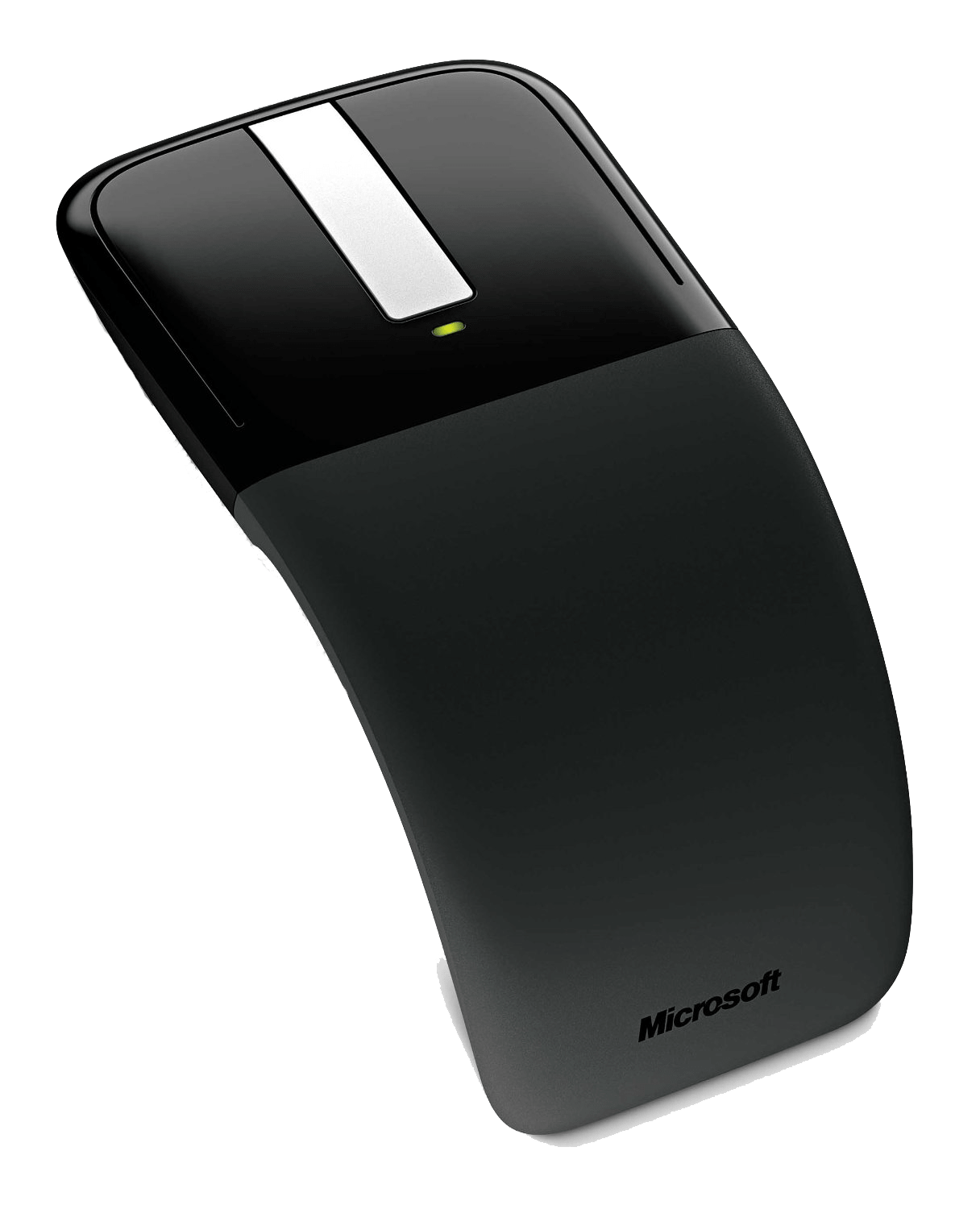
So, how does that apply in our everyday lives? For some, technology takes form via sci-fi graphics in the movie theater or with the swipe of the screen on a mobile device. For many with disabilities, everyday technology is also about “capability” ─ as per the definition ─ in the form of assistive devices, like robotic prostheses, hearing aids, electric wheelchairs and adaptive video game controllers.
Thanks to continual advancements in the field of assistive devices, technology is a game changer… no, technology is a life changer! Here are four life-changing devices you should know about:
1. tecla-e
Price:$499 | gettecla.com
Smartphones are easily accessible for users who have full mobility; but these popular devices can feel far less accessible to those with impaired mobility. Fortunately, the hands-free tecla-e acts as “hands” by interacting with devices through a blend of switch ports and Bluetooth technology. The ports allow users to plug-in standard ability switches to control their favorite smart technology, such as tablets, smartphones and smart homes. Catered to an individual’s needs, there are various ability switch options, such as Sip-and-Puffs, SCATIR Switches or the controls of their wheelchair (check here). Weighing only half a pound, the tecla-e is portable and has a built in Environmental Control Unit so caregivers can have peace of mind by being able to, when necessary, monitor the whereabouts of a loved one.
Tyler, a featured tecla-e user has benefited so much from their independence device that he has become the president of the TSF Foundation. This nonprofit organization provides assistance and insight to people with disabilities, including quadriplegics, looking to learn about assistive technology options and about the installation of home assistive technologies.
Another small and sleek gadget is the Dot Watch and its new addition, the Dot Mini. Both help the blind and visually-impaired community with different tasks. The Watch converts app information, call notifications and text messages into braille in real-time and includes a built-in braille learning program in its software. The Dot Mini converts texts from documents, eBooks and websites into braille while a user listens, making thousands of untranslated books more accessible. The documents can be connected to the Dot Mini through Bluetooth, SD cards or USB cables.
3. Open Sesame App
Price:$699 (free for seven days, with an extra 30 days free after registration.) | sesame-enable.com
This app grants people with paralysis, or other conditions such as ALS, control over their Android tablet and phone with head movements. Since providing renewed independence for thousands of people in the digital world, this application has created a version for Windows PCs and laptops. Check out a user’s story on YouTube.
credit: Sesame-Enable.com
4. AXS Map
The founder of this app/website, who uses a scooter, realized how inconvenient it was to find out that places in his city weren’t truly accessible. So he came up with the wonderful (and much needed) idea of an online map where people could review and rate locations for their accessibility. Try it out at https://axsmap.com/. Your input can help others!
Technology can offer priceless benefits. However, the actual price tag can be a hindrance. Some companies may be able to help through discounts or payment plans, such as tecla’s Easy Payment Plan which allows users to make payments on a schedule.
Imagine, out of the blue you feel your brain spin 180 degrees at lightning speed as if fueled by an electrical current. This bizarre feeling isn’t light-headedness, dizziness or anything you’ve ever experienced. You panic and wonder, ‘Am I going crazy?’ Or worse, ‘Am I going to die?’ You try to brush it off when, suddenly, it happens again.
According to the National Institute of Mental Health, nearly one in five Americans will experience an anxiety disorder in a given year. What’s more, there are over 100 possible symptoms, many of which you’d never expect to be caused by anxiety. For that reason, when they occur, they often exacerbate anxiety because of the worry the symptoms cause.
UNUSUAL SYMPTOMS OF ANXIETY
The following are some of the more bizarre symptoms of anxiety, though most are not uncommon. If you experience symptoms that persist, seek medical attention to rule out another medical cause since all the symptoms of anxiety can also be associated with various medical conditions.
Indigestion. Anxiety can cause temporary or even chronic indigestion. Burping, passing gas, diarrhea and heartburn can all be symptoms of anxiety.
Phantom ringing. Tinnitus, which is a ringing in the ears, can be a sign of stress or anxiety and can be experienced in several ways. According to anxietycentre.com, you may hear buzzing, ringing, humming, whizzing, chirping, roaring, swooshing or any number of other sounds.
Burning sensation. This unusual anxiety symptom can be felt on your skin, lips, tongue and even in your eyes. It can feel like a sunburn despite no sunburn being present, a prickling sensation or even shooting sparks.
Heart irregularities. Skipped heartbeats, palpitations or a racing heart can all be symptoms of anxiety. What’s so troublesome is that it can be difficult to tell the difference between heart irregularities caused by anxiety versus a heart attack. When in doubt, seek medical treatment right away.
Physical numbness or tingling. These feelings can occur in your hands, feet, arms, legs or face. It can also be felt as physical weakness.
credit: National Institute of Mental Health
Excessive yawning. During anxiety attacks, hyperventilation is a common response leading your body to feel it isn’t getting enough oxygen. As a result, you might experience frequent yawning.
Phantom smell. Phantosmia, which is an olfactory hallucination, sometimes occurs with anxiety. It can cause you to smell something that isn’t there or, rather, a neutral smell becomes unpleasant.
Brain shivers or zaps. Most often, this bizarre sensation is caused by antidepressants or withdrawal from them. However, sometimes it’s associated with anxiety. Brain shivers can range from mild to severe and feel different from person-to-person, though they usually last only a brief time. Brain shivers or zaps, explains anxietycentre.com, can feel like an electrical jolt or a shaking, vibration or tremor in the brain.
Phantom vibrations. If you’ve ever felt your phone vibrate, only to discover it didn’t, it could be caused by attachment anxiety. This is a very real phenomenon, according to a study reported by University of Michigan in 2016.
Tremors. Numerous types of tremors can be caused by anxiety. In addition to shaking or trembling, other typical forms, according to calmclinic.com, include arm or leg spasms, cramping or longer or slower shaking than usual.
Derealization. This is a feeling of not being in reality. Anxietybc.com says this can be experienced in several ways. You may feel disconnected from the world and people around you, sort of like being in a dream state. Your perception of space, time and the size of things may be distorted. Everything might feel foggy or fuzzy or that you’re very ill or going crazy.
Globus hystericus. With this anxiety symptom, it feels like a lump in your throat, or you might have difficulty swallowing. Some people also feel a tightness in their throat.
Eye problems. Blurred vision, dilated pupils, watery eyes and shapes that float in front of the eyes can all be a result of anxiety.
Skin rashes. Stress can cause hives, itching and rashes. If you already have rosacea or psoriasis, it can be aggravated by anxiety and stress.
Shooting pains. These can be experienced in several areas of your body including your face, abdomen, arms and chest during episodes of anxiety.
Freezing hands and feet. Stress and anxiety can decrease your circulation. As a result, your hands and feet may feel icy.
HOW TO ALLEVIATE ANXIETY
Depending on whether you have an actual anxiety disorder or the severity of the symptoms, an anti-anxiety or anti-depressant medication may be the solution. But there are other things you can do as well to reduce anxiety and alleviate symptoms.
During periods of high stress, get plenty of rest. This will help keep anxiety under control and result in fewer or less severe symptoms.
Also, practice slow breathing. Alice Boyes, Ph.D., in her article, “Breathing Techniques for Anxiety,” says the key is to focus only on breathing out. While concentrating on slowly, steadily and gently breathing out, allow the tension to flow out of your body and relaxation to flow in.
Mindfulness meditation is another useful technique for reducing anxiety according to a growing body of research. You can start by meditating for just a few minutes each day and gradually increase it to longer periods. For complete instructions, visit https://www.mindful.org/mindfulness-how-to-do-it/.
Get some exercise. It doesn’t have to be a lengthy, hardcore workout. Even a 10-minute brisk walk can provide several hours of anxiety relief according to psychologists, says the Anxiety and Depression Association of America.
Finally, if your doctor has told you that your symptoms are anxiety-related, remind yourself of this when symptoms strike. Try not to overly stress about the symptoms, which only serves to exacerbate anxiety and cause the symptoms to persist.
Feature image credit: Harvard University
The content of this blog is not intended as medical advice.
School is out for summer. Woohoo ─ that means no more homework or structured learning for months to come! But wait… maybe we shouldn’t celebrate this learning halt because studies show this lengthy pause comes with unfortunate consequences. Research proves that all children can experience an achievement set-back thanks to a lack of routine and educational stimulation during summer, often referred to as the “summer slide.” And compared to their non-disabled peers, children with special needs are at an even greater risk of losing academic skills, in addition to compromising social and behavioral gains during this time frame.
The Slippery Slope of the Summer Slide
The demands of school are real and, for some, summer provides a welcome break to alleviate burnout, aka “school overload,” and foster an attention reboot. However, for most others, much of what is learned during the school year can slide right down the drain without ongoing reinforcement. According to the U.S Department of Education, on average, children regress by at least 25 percent in reading skills each summer. And it doesn’t stop there. Experts believe summer reading loss is cumulative; meaning children may not catch up once class resumes in the fall. So by the end of sixth grade, children who lose reading skills during the summer can be about two years behind their peers. Yikes!
This significant learning gap certainly impacts curriculum. According to the National Summer Learning Association, 9-in-10 teachers say they spend at least three weeks re-teaching lessons at the start of a new school year in an attempt to get kids back on track. And this effort comes at a lofty price — literally. There are estimates that re-teaching forgotten material following summer costs more than $1,500 per student each year, or more than $18,000 over the course of a K–12 career.
credit: EducationNews.org
Educators are urging parents to keep their children off the summer slide. It goes back to the simple “use it or lose it” scenario. You have to exercise the brain to keep it in tip-top health, just like any other muscle in the body. And this brain stimulus does work! Data from the Colorado Department of Education found that students who read or engaged in another form of learning 2-3 hours per week during the summer prevented summer slide. Scholastic Parents Online suggests that reading just six books during the summer is one way to combat regression.
Formal Summer Learning Programs
Extended School Year (ESY)
The Individuals with Disabilities Education Act (IDEA), signed into law by President George H.W. Bush in 1990, ensures students with disabilities are provided public education that is tailored to their individual needs. This includes an Individual Education Plan (IEP), where parents and educators consult to determine a student’s specific educational needs, goals, essential support service sand define whether services should be implemented for 12 months (i.e. extended school year) or only through the 10-month school year.
According to A2Z Educational Advocates, a California-based group of attorneys and advocates working to represent families with special needs, ESY services should always be available to eligible students. “A district must provide ESY services when a child’s IEP team determines on an individual basis that the services are necessary for the provision of FAPE [free,appropriate public education] to that child,” Mandy Favaloro, J.D., Attorney at Law explains on the A2Z YouTube channel. “Once a district determines that a child is in need of ESY services, the district must develop the student’s IEP to reflect the student’s educational needs. Because the goal of ESY services is to prevent regression and recruitment of a student’s IEP goals, the student’s ESY services will likely differ from the services offered during the regular school year. If a student requires ESY services and the district fails to provide those services, a district will be in violation of their obligation to provide FAPE. ESY services may include placement and other related services, such as speech or occupational therapy.”

If the district cannot provide services, parents may be able to identify other approved providers and have the district cover the cost of services.
ESY actually impacts a lot of students. Orange County Public Schools (OCPS) in Orlando, for example, says 10 percent of its students (23,098 out of 212,000) have IEPs, of which 3,485 include ESY recommendations. That equates to 15 percent of their IEP population. Neighboring OCPS, Osceola County School District reports similar ratios, with 1,104 ESY students out of 9,022 IEPs – about 12 percent. According to Michael Ollendorff, OCPS Media Relations Manager, “Over the summer, select schools are identified to remain open for Extended School Year Services. The schools selected are all equipped to provide a variety of services to include but not limited to: behavioral needs, independent functioning needs, academic needs, communication and health needs. All needs are determined based on data collected through the IEP process.”
Tutoring & Lessons
If your child does not qualify for an ESY but you feel that supplementary learning would be beneficial, explore tutoring options. You could book sessions through a tutoring company, like SpecialEdTutoring.com, or find an independent educator.
With a more relaxed schedule, summer may be an ideal time to introduce and/or focus on recreational lessons in a structure way. For example, piano lessons, art classes or even a new sport. All of these activities foster brain stimulation.
Camps
Camps specifically catering to individuals with special needs offer environments and activities that are appropriately designed for campers with differing abilities. Such specialized locales can be an excellent choice for children with special needs, as well as parents looking to network and socialize with like-minded families. Get some ideas from camp listings housed on VerySpecialCamps.com.
Just like inclusive classrooms, conventional camps can provide an engaging setting that is beneficial for all (and not just those with disabilities). Many mainstream camps gladly work to meet the needs of campers with differing abilities. And oftentimes conventional camps are closer to home and available at a lesser price in comparison to specialized campsites.
Library Reading Programs
The library is a wonderful community site boasting a plethora of free educational opportunities, in addition to summer reading programs. Some libraries prepare age-specific reading lists and others offer incentives based on the number of books read. Take a trip to the library together because your little reader is more likely to turn the pages if he/she made the selection. Don’t forget that the library grants access to computers, audiobooks and other media.
credit: Joint Base Charleston
Informal Summer Learning
Employ Real-Life Lessons
Real-life learning can happen on the fly. For example, the produce section of the grocery store is stocked with learning opportunities. You could ask your youngster to count out and weigh apples. Or, before leaving the house, read The Very Hungry Caterpillar by Eric Carle and then shop for the foods featured in the book.
Tap into Technology
Technology tends to get a bad rap for being a distraction or a waste of time. But technology can, in fact, be a great educational tool. Download mobile apps, eBooks and podcasts that foster learning, and explore online games and brain teasers that boost cognitive skills. Check out the apps that Common Sense Media recommends for mobile users with special needs [Tip: click on the headers to load – communication, social interaction, organization, reading & writing, math and motor skills.]
Get Your Game On
Board games and brain teaser puzzles can be educational and entertaining. Who says you can’t disguise a lesson with game-induced laughter?
Promote Fitness
With gaming and other technology easily accessible at home, make sure that your kiddos don’t assume couch potato status. Gym class can be held far beyond the confirms of the school gymnasium. Have fun moving together by swimming, riding bikes, hiking and playing tag. These physical activities actually have an impact on the summer slide too.
credit: Playworld
Master Righteous Writing
Encourage your little one to practice writing by penning a letter to grandma or a friend. You can also keep a family journal to chronicle summer fun. This project will promote writing, collaboration and remain a keepsake.
Take Field Trips
Find low-cost activities near you that include educational components. For example, a trip to a local museum, aquarium, zoo, park or nature center.
Open the Toy Box
Incorporate educational toys, like Leka. This interactive and multi-sensory smart toy gives children with special needs the ability to play fun and educational games that motivate social interactions, increase motor, cognitive and emotional skills, and stimulate autonomy. There are so many toys available for children with special needs; checkout round-up lists by eSpecialNeeds.com and FamilyEducation.com.
Go Classic
There is something to be said about classic pastimes, especially if you engage in conversation at the same time. Turn kite flying into a lesson about wind and weather, chat about marine life as you build sandcastles by the ocean or go fruit picking and talk about the harvest process.
Play Creatively
Items like kinetic sand and Play-Doh are great for sensory play. Plus, these pastimes also strengthen muscles in hands, fingers and arms. Finger-painting and chalk art drawing are other creative activities that offer similar benefits.
Let Learning Bloom
Dig into hands-on learning by planting a garden. Kids will love watching their work pay off as flowers and produce grow. Aside from providing physical and cognitive therapy, gardening is a great way to encourage healthy eating which is especially important as children are at greater risk for weight gain and unhealthy snacking during summer months.
Do Good to Feel Good
Spend quality together by volunteering. Volunteerism builds life skills, compassion and, of course, impacts an important mission. Find opportunities at Volunteer.gov and VolunteerMatch.org.
Reach for the Stars
Download the free Skyview– Explore the Universe app for an out of this world lesson. Just point your smartphone up toward the sky for a stargazing experience. The app identifies and magnifies stars, constellations, planets and satellites; plus, you can tap on celestial objects to read interesting tidbits.
Find Hidden Treasure
Geocaching is a modern-day treasure hunt with equal parts mystery, challenge, exploration and fun. It’s a great way to explore the outdoors and tests navigation skills.
Work it!
Household chores boost learning opportunities too. Have little ones sort laundry loads by color. Ask older kiddos to read recipe directions aloud and measure out ingredients. And don’t shy away from letting the whole family cook together. For example, lay out ingredients to make homemade pizzas. Hands will be challenged to work on motor skills and minds will work on creating edible masterpieces.
credit: First Things First
Other Tips
Of course you’re not going to mimic a classroom schedule but do consider establishing a regular routine. Predictability is helpful for all children, and especially so for those with autism spectrum disorder and ADHD. A visual day chart may be of use too.
National Summer Learning Week is July 8-13, 2019. For programs and events focused on summer slide prevention, click over to the National Summer Learning Association.