Friday, February 20, 2026
spot_img
autism products
Html code here! Replace this with any non empty raw html code and that's it.
Home Blog Page 77

4 Technology Devices Empowering People with Disabilities

0

Technology is ever-evolving in today’s world. What does technology really mean? By definition, according to Merriam-Webster, technology is: (1) the practical application of knowledge especially in a particular area; a capability given by the practical application of knowledge; (2) a manner of accomplishing a task especially using technical processes, methods or knowledge.

So, how does that apply in our everyday lives? For some, technology takes form via sci-fi graphics in the movie theater or with the swipe of the screen on a mobile device. For many with disabilities, everyday technology is also about “capability” ─ as per the definition ─ in the form of assistive devices, like robotic prostheses, hearing aids, electric wheelchairs and adaptive video game controllers.

Thanks to continual advancements in the field of assistive devices, technology is a game changer… no, technology is a life changer! Here are four life-changing devices you should know about:

1. tecla-e

Price:$499 | gettecla.com

Smartphones are easily accessible for users who have full mobility; but these popular devices can feel far less accessible to those with impaired mobility. Fortunately, the hands-free tecla-e acts as “hands” by interacting with devices through a blend of switch ports and Bluetooth technology. The ports allow users to plug-in standard ability switches to control their favorite smart technology, such as tablets, smartphones and smart homes. Catered to an individual’s needs, there are various ability switch options, such as Sip-and-Puffs, SCATIR Switches or the controls of their wheelchair (check here). Weighing only half a pound, the tecla-e is portable and has a built in Environmental Control Unit so caregivers can have peace of mind by being able to, when necessary, monitor the whereabouts of a loved one.

Tyler, a featured tecla-e user has benefited so much from their independence device that he has become the president of the TSF Foundation. This nonprofit organization provides assistance and insight to people with disabilities, including quadriplegics, looking to learn about assistive technology options and about the installation of home assistive technologies.

 2. Dot Watch and Dot Mini

Price: $359 and up | dotincorp.com

Another small and sleek gadget is the Dot Watch and its new addition, the Dot Mini. Both help the blind and visually-impaired community with different tasks. The Watch converts app information, call notifications and text messages into braille in real-time and includes a built-in braille learning program in its software. The Dot Mini converts texts from documents, eBooks and websites into braille while a user listens, making thousands of untranslated books more accessible. The documents can be connected to the Dot Mini through Bluetooth, SD cards or USB cables.

3. Open Sesame App

Price:$699 (free for seven days, with an extra 30 days free after registration.) | sesame-enable.com

This app grants people with paralysis, or other conditions such as ALS, control over their Android tablet and phone with head movements. Since providing renewed independence for thousands of people in the digital world, this application has created a version for Windows PCs and laptops.  Check out a user’s story on YouTube.

assistive technology positively impacts people with disabilities
credit: Sesame-Enable.com

4. AXS Map

The founder of this app/website, who uses a scooter, realized how inconvenient it was to find out that places in his city weren’t truly accessible. So he came up with the wonderful (and much needed) idea of an online map where people could review and rate locations for their accessibility. Try it out at https://axsmap.com/. Your input can help others!

Technology can offer priceless benefits. However, the actual price tag can be a hindrance. Some companies may be able to help through discounts or payment plans, such as tecla’s Easy Payment Plan which allows users to make payments on a schedule.

How has technology and/or assistive devices positively impacted your life? Share with us on Facebook and Twitter!

Feature image credit: Dot Watch

How to Recognize Unusual & Distressing Anxiety Symptoms

0

Imagine, out of the blue you feel your brain spin 180 degrees at lightning speed as if fueled by an electrical current. This bizarre feeling isn’t light-headedness, dizziness or anything you’ve ever experienced. You panic and wonder, ‘Am I going crazy?’ Or worse, ‘Am I going to die?’ You try to brush it off when, suddenly, it happens again.

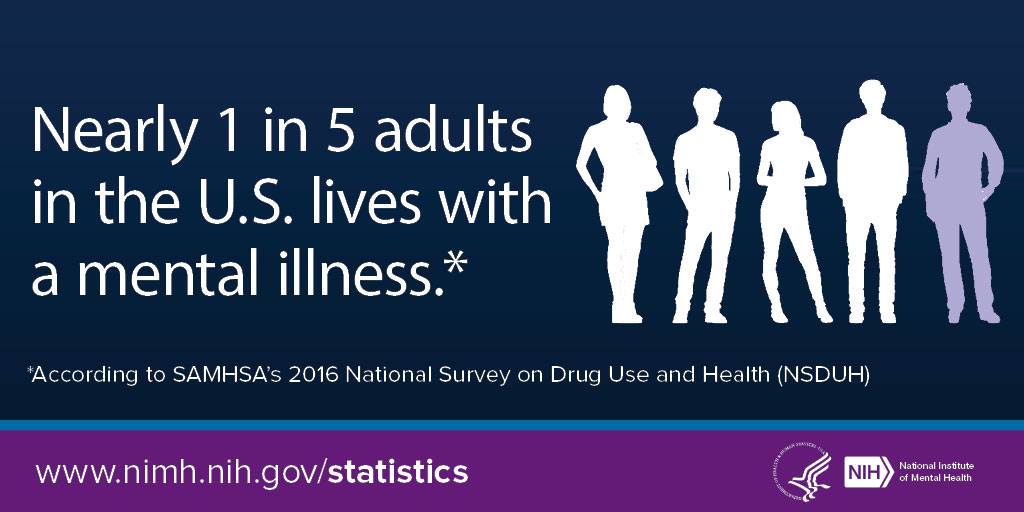
According to the National Institute of Mental Health, nearly one in five Americans will experience an anxiety disorder in a given year. What’s more, there are over 100 possible symptoms, many of which you’d never expect to be caused by anxiety. For that reason, when they occur, they often exacerbate anxiety because of the worry the symptoms cause.

UNUSUAL SYMPTOMS OF ANXIETY 

The following are some of the more bizarre symptoms of anxiety, though most are not uncommon. If you experience symptoms that persist, seek medical attention to rule out another medical cause since all the symptoms of anxiety can also be associated with various medical conditions.

  • Indigestion. Anxiety can cause temporary or even chronic indigestion. Burping, passing gas, diarrhea and heartburn can all be symptoms of anxiety.
  • Phantom ringing. Tinnitus, which is a ringing in the ears, can be a sign of stress or anxiety and can be experienced in several ways. According to anxietycentre.com, you may hear buzzing, ringing, humming, whizzing, chirping, roaring, swooshing or any number of other sounds.
  • Burning sensation. This unusual anxiety symptom can be felt on your skin, lips, tongue and even in your eyes. It can feel like a sunburn despite no sunburn being present, a prickling sensation or even shooting sparks.
  • Heart irregularities. Skipped heartbeats, palpitations or a racing heart can all be symptoms of anxiety. What’s so troublesome is that it can be difficult to tell the difference between heart irregularities caused by anxiety versus a heart attack. When in doubt, seek medical treatment right away.
  • Physical numbness or tingling. These feelings can occur in your hands, feet, arms, legs or face. It can also be felt as physical weakness.
Talking about anxiety symptoms with a doctor
credit: National Institute of Mental Health
  • Excessive yawning. During anxiety attacks, hyperventilation is a common response leading your body to feel it isn’t getting enough oxygen. As a result, you might experience frequent yawning.
  • Phantom smell. Phantosmia, which is an olfactory hallucination, sometimes occurs with anxiety. It can cause you to smell something that isn’t there or, rather, a neutral smell becomes unpleasant.
  • Brain shivers or zaps. Most often, this bizarre sensation is caused by antidepressants or withdrawal from them. However, sometimes it’s associated with anxiety. Brain shivers can range from mild to severe and feel different from person-to-person, though they usually last only a brief time. Brain shivers or zaps, explains anxietycentre.com, can feel like an electrical jolt or a shaking, vibration or tremor in the brain.
  • Phantom vibrations. If you’ve ever felt your phone vibrate, only to discover it didn’t, it could be caused by attachment anxiety. This is a very real phenomenon, according to a study reported by University of Michigan in 2016.
  • Tremors. Numerous types of tremors can be caused by anxiety. In addition to shaking or trembling, other typical forms, according to calmclinic.com, include arm or leg spasms, cramping or longer or slower shaking than usual.
  • Derealization. This is a feeling of not being in reality. Anxietybc.com says this can be experienced in several ways. You may feel disconnected from the world and people around you, sort of like being in a dream state. Your perception of space, time and the size of things may be distorted. Everything might feel foggy or fuzzy or that you’re very ill or going crazy.
  • Globus hystericus. With this anxiety symptom, it feels like a lump in your throat, or you might have difficulty swallowing. Some people also feel a tightness in their throat.
  • Eye problems. Blurred vision, dilated pupils, watery eyes and shapes that float in front of the eyes can all be a result of anxiety.
  • Skin rashes. Stress can cause hives, itching and rashes. If you already have rosacea or psoriasis, it can be aggravated by anxiety and stress.
  • Shooting pains. These can be experienced in several areas of your body including your face, abdomen, arms and chest during episodes of anxiety.  
  • Freezing hands and feet. Stress and anxiety can decrease your circulation. As a result, your hands and feet may feel icy.
Mental Illness in adults statistic image

HOW TO ALLEVIATE ANXIETY

Depending on whether you have an actual anxiety disorder or the severity of the symptoms, an anti-anxiety or anti-depressant medication may be the solution. But there are other things you can do as well to reduce anxiety and alleviate symptoms.

During periods of high stress, get plenty of rest. This will help keep anxiety under control and result in fewer or less severe symptoms.

Also, practice slow breathing. Alice Boyes, Ph.D., in her article, “Breathing Techniques for Anxiety,” says the key is to focus only on breathing out. While concentrating on slowly, steadily and gently breathing out, allow the tension to flow out of your body and relaxation to flow in.

Mindfulness meditation is another useful technique for reducing anxiety according to a growing body of research. You can start by meditating for just a few minutes each day and gradually increase it to longer periods. For complete instructions, visit https://www.mindful.org/mindfulness-how-to-do-it/.

Get some exercise. It doesn’t have to be a lengthy, hardcore workout. Even a 10-minute brisk walk can provide several hours of anxiety relief according to psychologists, says the Anxiety and Depression Association of America.

Finally, if your doctor has told you that your symptoms are anxiety-related, remind yourself of this when symptoms strike. Try not to overly stress about the symptoms, which only serves to exacerbate anxiety and cause the symptoms to persist.

Feature image credit: Harvard University

The content of this blog is not intended as medical advice.

Smart Ways to Keep Kids with Disabilities Off the “Summer Slide”

0

School is out for summer. Woohoo ─ that means no more homework or structured learning for months to come! But wait… maybe we shouldn’t celebrate this learning halt because studies show this lengthy pause comes with unfortunate consequences. Research proves that all children can experience an achievement set-back thanks to a lack of routine and educational stimulation during summer, often referred to as the “summer slide.” And compared to their non-disabled peers, children with special needs are at an even greater risk of losing academic skills, in addition to compromising social and behavioral gains during this time frame.

The Slippery Slope of the Summer Slide

The demands of school are real and, for some, summer provides a welcome break to alleviate burnout, aka “school overload,” and foster an attention reboot. However, for most others, much of what is learned during the school year can slide right down the drain without ongoing reinforcement. According to the U.S Department of Education, on average, children regress by at least 25 percent in reading skills each summer. And it doesn’t stop there. Experts believe summer reading loss is cumulative; meaning children may not catch up once class resumes in the fall. So by the end of sixth grade, children who lose reading skills during the summer can be about two years behind their peers. Yikes!

This significant learning gap certainly impacts curriculum. According to the National Summer Learning Association, 9-in-10 teachers say they spend at least three weeks re-teaching lessons at the start of a new school year in an attempt to get kids back on track. And this effort comes at a lofty price — literally. There are estimates that re-teaching forgotten material following summer costs more than $1,500 per student each year, or more than $18,000 over the course of a K–12 career.

Student with down syndrome experiencing summer slide
credit: EducationNews.org

Educators are urging parents to keep their children off the summer slide. It goes back to the simple “use it or lose it” scenario. You have to exercise the brain to keep it in tip-top health, just like any other muscle in the body. And this brain stimulus does work! Data from the Colorado Department of Education found that students who read or engaged in another form of learning 2-3 hours per week during the summer prevented summer slide. Scholastic Parents Online suggests that reading just six books during the summer is one way to combat regression.

Formal Summer Learning Programs

Extended School Year (ESY)

The Individuals with Disabilities Education Act (IDEA), signed into law by President George H.W. Bush in 1990, ensures students with disabilities are provided public education that is tailored to their individual needs. This includes an Individual Education Plan (IEP), where parents and educators consult to determine a student’s specific educational needs, goals, essential support service sand define whether services should be implemented for 12 months (i.e. extended school year) or only through the 10-month school year.

According to A2Z Educational Advocates, a California-based group of attorneys and advocates working to represent families with special needs, ESY services should always be available to eligible students. “A district must provide ESY services when a child’s IEP team determines on an individual basis that the services are necessary for the provision of FAPE [free,appropriate public education] to that child,” Mandy Favaloro, J.D., Attorney at Law explains on the A2Z YouTube channel. “Once a district determines that a child is in need of ESY services, the district must develop the student’s IEP to reflect the student’s educational needs. Because the goal of ESY services is to prevent regression and recruitment of a student’s IEP goals, the student’s ESY services will likely differ from the services offered during the regular school year. If a student requires ESY services and the district fails to provide those services, a district will be in violation of their obligation to provide FAPE. ESY services may include placement and other related services, such as speech or occupational therapy.”

If the district cannot provide services, parents may be able to identify other approved providers and have the district cover the cost of services.

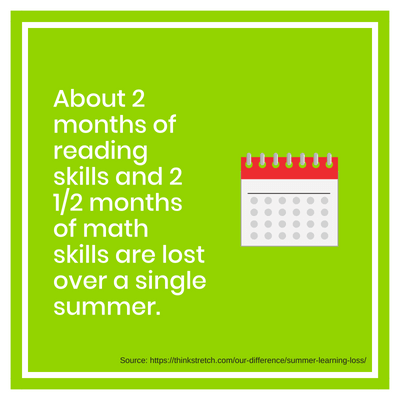
Statistic showing amount of skills lost over summer break for students

ESY actually impacts a lot of students. Orange County Public Schools (OCPS) in Orlando, for example, says 10 percent of its students (23,098 out of 212,000) have IEPs, of which 3,485 include ESY recommendations. That equates to 15 percent of their IEP population. Neighboring OCPS, Osceola County School District reports similar ratios, with 1,104 ESY students out of 9,022 IEPs – about 12 percent.  According to Michael Ollendorff, OCPS Media Relations Manager, “Over the summer, select schools are identified to remain open for Extended School Year Services. The schools selected are all equipped to provide a variety of services to include but not limited to: behavioral needs, independent functioning needs, academic needs, communication and health needs. All needs are determined based on data collected through the IEP process.”

Tutoring & Lessons

If your child does not qualify for an ESY but you feel that supplementary learning would be beneficial, explore tutoring options. You could book sessions through a tutoring company, like SpecialEdTutoring.com,  or find an independent educator.

With a more relaxed schedule, summer may be an ideal time to introduce and/or focus on recreational lessons in a structure way. For example, piano lessons, art classes or even a new sport. All of these activities foster brain stimulation.

Camps

Camps specifically catering to individuals with special needs offer environments and activities that are appropriately designed for campers with differing abilities. Such specialized locales can be an excellent choice for children with special needs, as well as parents looking to network and socialize with like-minded families. Get some ideas from camp listings housed on VerySpecialCamps.com.

Just like inclusive classrooms, conventional camps can provide an engaging setting that is beneficial for all (and not just those with disabilities). Many mainstream camps gladly work to meet the needs of campers with differing abilities. And oftentimes conventional camps are closer to home and available at a lesser price in comparison to specialized campsites.

Library Reading Programs

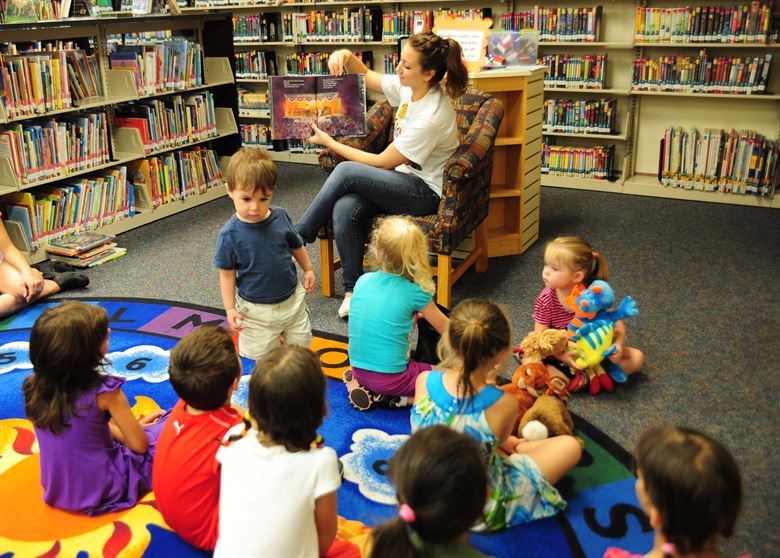
The library is a wonderful community site boasting a plethora of free educational opportunities, in addition to summer reading programs. Some libraries prepare age-specific reading lists and others offer incentives based on the number of books read. Take a trip to the library together because your little reader is more likely to turn the pages if he/she made the selection. Don’t forget that the library grants access to computers, audiobooks and other media.

Library reading program to prevent summer slide
credit: Joint Base Charleston

Informal Summer Learning

Employ Real-Life Lessons

Real-life learning can happen on the fly. For example, the produce section of the grocery store is stocked with learning opportunities. You could ask your youngster to count out and weigh apples. Or, before leaving the house, read The Very Hungry Caterpillar by Eric Carle and then shop for the foods featured in the book.

Tap into Technology

Technology tends to get a bad rap for being a distraction or a waste of time. But technology can, in fact, be a great educational tool. Download mobile apps, eBooks and podcasts that foster learning, and explore online games and brain teasers that boost cognitive skills. Check out the apps that Common Sense Media recommends for mobile users with special needs [Tip: click on the headers to load – communication, social interaction, organization, reading & writing, math and motor skills.]

Get Your Game On

Board games and brain teaser puzzles can be educational and entertaining. Who says you can’t disguise a lesson with game-induced laughter?

Promote Fitness

With gaming and other technology easily accessible at home, make sure that your kiddos don’t assume couch potato status. Gym class can be held far beyond the confirms of the school gymnasium. Have fun moving together by swimming, riding bikes, hiking and playing tag. These physical activities actually have an impact on the summer slide too.

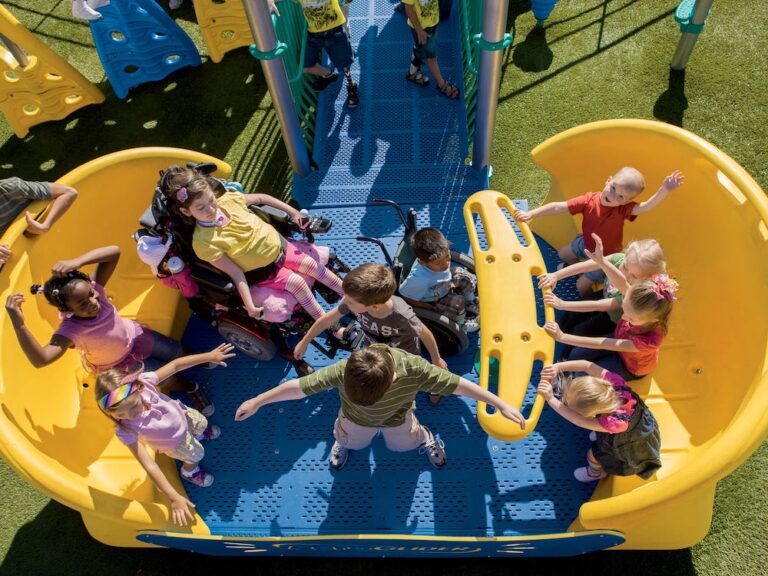
kids playing to reduce summer slide over summer break
credit: Playworld

Master Righteous Writing

Encourage your little one to practice writing by penning a letter to grandma or a friend. You can also keep a family journal to chronicle summer fun. This project will promote writing, collaboration and remain a keepsake.

Take Field Trips

Find low-cost activities near you that include educational components. For example, a trip to a local museum, aquarium, zoo, park or nature center.

Open the Toy Box

Incorporate educational toys, like Leka. This interactive and multi-sensory smart toy gives children with special needs the ability to play fun and educational games that motivate social interactions, increase motor, cognitive and emotional skills, and stimulate autonomy. There are so many toys available for children with special needs; checkout round-up lists by eSpecialNeeds.com and FamilyEducation.com.

Go Classic

There is something to be said about classic pastimes, especially if you engage in conversation at the same time. Turn kite flying into a lesson about wind and weather, chat about marine life as you build sandcastles by the ocean or go fruit picking and talk about the harvest process.

Play Creatively

Items like kinetic sand and Play-Doh are great for sensory play. Plus, these pastimes also strengthen muscles in hands, fingers and arms. Finger-painting and chalk art drawing are other creative activities that offer similar benefits.

child playing with paint helps prevent summer slide

Let Learning Bloom

Dig into hands-on learning by planting a garden. Kids will love watching their work pay off as flowers and produce grow. Aside from providing physical and cognitive therapy, gardening is a great way to encourage healthy eating which is especially important as children are at greater risk for weight gain and unhealthy snacking during summer months.

Do Good to Feel Good

Spend quality together by volunteering. Volunteerism builds life skills, compassion and, of course, impacts an important mission. Find opportunities at Volunteer.gov and VolunteerMatch.org.

Reach for the Stars

Download the free Skyview– Explore the Universe app for an out of this world lesson. Just point your smartphone up toward the sky for a stargazing experience. The app identifies and magnifies stars, constellations, planets and satellites; plus, you can tap on celestial objects to read interesting tidbits.

Find Hidden Treasure

Geocaching is a modern-day treasure hunt with equal parts mystery, challenge, exploration and fun. It’s a great way to explore the outdoors and tests navigation skills.

Work it!

Household chores boost learning opportunities too. Have little ones sort laundry loads by color. Ask older kiddos to read recipe directions aloud and measure out ingredients. And don’t shy away from letting the whole family cook together. For example, lay out ingredients to make homemade pizzas. Hands will be challenged to work on motor skills and minds will work on creating edible masterpieces.

household chores shown to encourage learning and prevent summer slide
credit: First Things First

Other Tips

Of course you’re not going to mimic a classroom schedule but do consider establishing a regular routine. Predictability is helpful for all children, and especially so for those with autism spectrum disorder and ADHD. A visual day chart may be of use too.

National Summer Learning Week is July 8-13, 2019. For programs and events focused on summer slide prevention, click over to the National Summer Learning Association.

Feature photo credit: Playworld

7 Accessible Campsites for Outdoorsy Fun

0

It’s June which means — drum roll, please — it’s National Camping Month! With the right location and amenities, camping can actually be enjoyed year-round. Research suggests there are beneficial, if not crucial, reasons to spend time in Mother Nature. Benefits include reduced inflammation, decreased depression and anxiety, lower blood pressure and possibly even cancer prevention. While it is easier for some able-bodied individuals to gain these immeasurable gains simply from trekking out to a campsite, those with mobility issues and/or other disabilities may require a bit more planning to maximize accessible camping opportunities.

Fortunately, many parks have improved accessibility. We’ve compiled an accessible camping list featuring great outdoor destinations for visitors of all abilities! Oh, and remember, the National Parks Service (NPS) offers a FREE Access Pass to United States citizens or permanent residents who have a permanent disability.

“In the presence of nature, a wild delight runs through the man, in spite of real sorrows.” – Ralph Waldo Emerson

Simax Group Camp – Deschutes, OR

Located on Crescent Lake in Deschutes National Forest, Simax Group Camp is a fully accessible camping area. Expect to find flushing toilets, drinking water and paved roads and spurs that connect the group sites to the beaches and other areas. Visitors can rest on the sandy shores of the lake with a mountainous backdrop, hike one of the many trails of the scenic landscapes, ride the refreshing waters or drop a line in to catch one of the local fish varieties that call the lake home.

There are four sites and one large pavilion all of which are open May through September. Overnight stays range from $60 – $150 per night depending on time of year and campsite location. The campground has good cellular coverage for service and a large bathroom with showers and pressurized water. Since this is a national park, it is included in the National Parks Service Access Pass.

If you plan to bring your canine companion, there are on-leash and off-leash sections as outlined on the website. And for a complete overview of accessible adventures in the Deschutes National Forest, check out this informative video.

Hillsborough River State Park – Thonotosassa, FL

Hillsborough River State Park may not be the biggest park but it packs a punch when it comes to activities. This 112-site camping locale has several paved sites available to host RV or tent camping with electric hookups. Using an adaptive bicycle like those built by Van Raam or Worksman Cycles, bicyclists will enjoy a ride through Floridian scenery on the 1.6 mile Wetlands Restoration Nature Trail or the 2.2 mile Park Loop. And take to the tranquil waters in a canoe. Aside from standard canoes, the park also offers canoes with comfortable backrests which is more ideal for those requiring a bit more support.

Perhaps the best feature to highlight is the ADA-accessible saltwater pool. This ½ acre pool has ample deck to roam including a ramp into the water for individuals with wheelchairs, walkers or canes. The perimeter of the outer pool is shallow with the center being a greater depth. It is $24 per night plus tax and reservation fee.

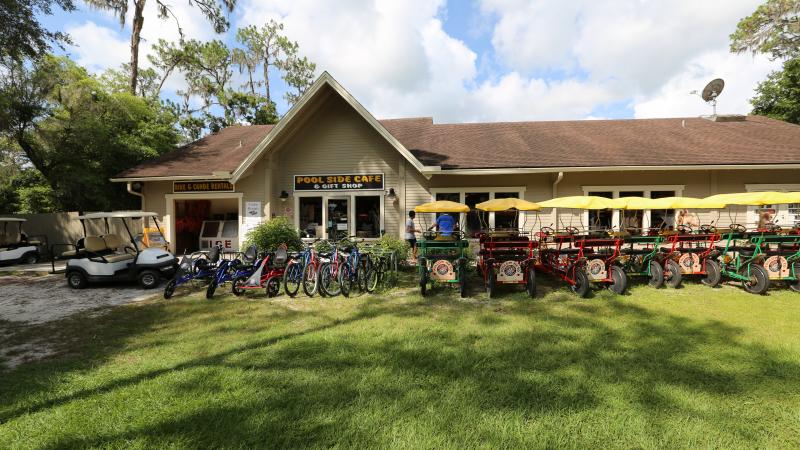
accessible camping office in Florida at Hillsborough River State Park
Hillsborough River State Park

Anza-Borrego Desert State Park – Borrego Springs, CA

While many may view the desert as a wasteland, it actually holds an abundance of beauty. Crystal blue skies dotted with white clouds, vast landscapes as far as the eye can see, the feel of warm air or sand on your skin, the sound of peacefulness and flowing rivers… all can be enjoyed at Anza-Borrego Desert State Park. The park is over 600,000 acres and includes campsites that are accessible. Pathways from these sites to the accessible restrooms are easily maneuvered. Borrego Palm Canyon Campground and Tamarisk Grove Campground each have three accessible sites with pathways to the restroom that allow wheelchairs to move around comfortably. The Bon Willow Campground is a primitive camping site with two accessible sites and non-flush restrooms that are also accessible. The horse campground has one accessible campsite which includes a restroom and horse mounting ramp for mounting convenience.

The All-Access Trail near the visitor center connects the center to the Borrego Palms Campground and includes Braille descriptions along the trail. The Culp Valley Trail is made from compacted soil and gravel leading to the Borrego Valley overlook, making it a breeze to get fresh air. For pricing and reservation information, campers can call (760) 767-4205.

accessible camping and walkway in California at Anza-Borrego Desert State Park
Anza-Borrego Desert State Park

Acadia National Park – Bar Harbor, ME

With 158 miles of hiking trails and 45 miles of carriage roads, there is ample opportunity for every nature lover to relish in a refreshing respite at Acadia National Park. There are four campgrounds on the premises: Blackwoods, Seawall, Schoodic Woods and Duck Harbor. Blackwoods and Seawall both have hard-packed or paved sites and areas for less challenging maneuverability. Sieur de Monts Spring Nature Center is comprised of wild gardens and paths made of hard gravel. Jesup Path, neighboring Sieur de Monts wild garden, is a boardwalk which winds through the white birch forest. Hemlock road runs from this area to the base of Dorr Mountain for a 1.5-mile jaunt through woodlands.

The carriage roads pulse throughout several areas allowing anyone with walking aids to breathe in fresh air while watching breathtaking beauty to include unforgettable east coast sunrises and vast twinkling starry skies. The local visitor centers are equipped with accessible entrances, restrooms and parking. Each campground has set pricing depending on the type of site desired and time of year.

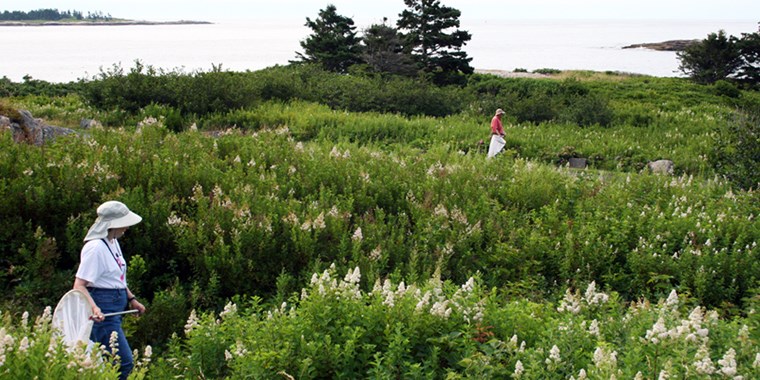
accessible camping and butterfly catching in Maine at Acadia National Park
Volunteers look for butterflies and moths along the shores of the Schoodic Peninsula at Acadia National Park.

Great Sand Dunes National Park and Preserve – Mosca, CO

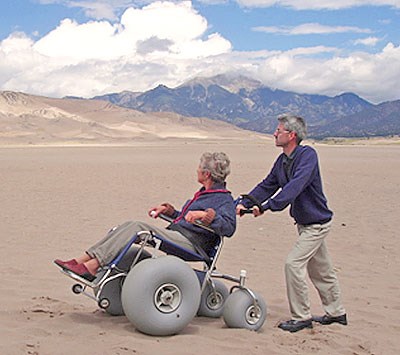
Great Sand Dunes National Park and Preserve is a diverse place unlike most. Where else can you go and roam the tallest sand dunes in North America while taking in scenery of evergreen forests, grasslands, wetlands, lakes and even the tundra? As if that wasn’t enough to put this place on your bucket list, the park also strives to make all areas as accessible as possible for every visitor. Enhancements are continually made to parallel with that goal. Guests in wheelchairs can check out a sand dune wheelchair for free from the visitor center. They have sizes for both adults and children. These wheelchairs are specially designed with inflatable wheels to glide across the sandy terrain.

Camping sites include Piñon Flats Campground and Sawmill Canyon Backcountry Campsite, both of which are accessible. Sawmill Canyon features a hard path to the site (0.1 mile) and elevated tent pad. Four wheelchairs are easily accommodated at this location. Free ranger programs are offered daily and most are accessible. The schedule can be obtained in the visitor center upon arrival. Piñon Flats is $20 per night for individual sites and $65-$80 per night for group sites. For detailed pricing or reservations of Sawmill Canyon Backcountry site, call (719) 378-6395.

man pushing an accessible sand dune wheelchair in California
Sign out a dunes wheelchair at the Visitor Center, then pick it up near the Dunes Parking Area at Great Sand Dunes.

Small Country Campground – Louisa, VA

Tucked in the wooded hills of Virginia is a family-owned campground that started as a getaway for Bill and Ruth Small and their children. Small Country Campground opened the gates for outside visitors in 1978 and hasn’t looked back since. Small contacted RVing Disability Group for an assessment to become a fully accessible camping destination. The process is ongoing for improvements but many features are included already.

Several options for lodging are offered. Campers can reserve the original Manor House, cabins, efficiencies, RV spots and, of course, tent sites. The onsite pool offers a chair lift, and the mini golf course is ADA compliant. Other activities include canoeing (Psst! Take a peek at this adaptive canoe), playing on the beach, fishing, swimming in the lake, hiking and playground fun for the younger campers. Pricing for accommodations can be obtained through the website’s reservation tool or by calling (540) 967-2431.

accessible put put golf and outdoor activities in Virginia
Small Country Campground

Wilderness on Wheels – Grant, CO

Wouldn’t it be great to have an outdoor camp experience where everything was tailored to those with disabilities? At Wilderness on Wheels, it is! Every aspect of the campground was designed with people of all abilities, including wheelchair users, in mind. All pathways are level with packed gravel for effortless rolling. One of the coolest features is the mile-long boardwalk that climbs a Colorado mountain. The eight foot wide boardwalk was built solely by volunteers and extends 9,000 feet at the top. The fishing pier has plenty of room to fit multiple wheelchairs or other walking aids, and staff even offer adaptive equipment to hold fishing poles on guests’ wheelchairs. These are on a first come, first served basis and are complementary to use.

The camping facilities are just as accessible as the rest of the grounds. There are thirteen tent sites, five huts, one rustic cabin and one modern cabin which includes an accessible bathroom with tub and shower. The tent sites and huts are free for guests to stay although donations are accepted. The rustic cabin is $55 per night and the modern cabin is $85 per night. Reservations are recommended for all lodging.

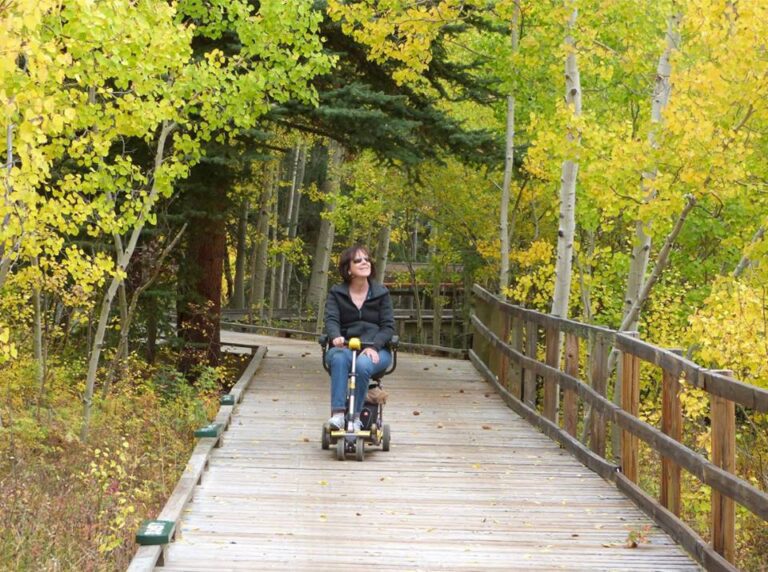
girl in motorized chair doing accessible hiking in Colorado at Wilderness on Wheels
Wilderness on Wheels

Of course, this list does not encompass all of the boundless options available within our beautifully diverse country. Be sure to read about some other accessible national parks here. Tip: Make sure you pack all essentials to stay happy campers without wild mishaps. The following list is by no means a complete camping checklist, but rather some fun additions of must-have camping gear.

Where you have camped? Share with us on Facebook and Twitter!

Feature image credit: Small Country Campground

In A First-in-the-Nation Procedure, AdventHealth Tests Promising New Diabetes Therapy

0

Doctors at AdventHealth performed the first U.S. procedure in a pilot study that researchers hope will lead to a groundbreaking new treatment for patients with type 2 diabetes.

The cutting-edge research from Fractyl Laboratories can be thought of in a similar way to our understanding of probiotics and their role of stimulating the immune system — ultimately leading to a healthier gut. The research suggests a diet high in fats and refined sugars can damage the lining of the gut and lower the body’s insulin sensitivity.

To reverse this damage, there is now a body of evidence gathered by Fractyl suggesting that by removing the unhealthy layer of overgrowth that has developed in the duodenum, the uppermost part of the small intestine, we may be able to press a “reset button,” rejuvenate the lining, and ultimately restore insulin sensitivity, allowing the body to properly regulate blood sugar without the need for additional medicines.

The procedure at AdventHealth marked the first use of the Revita duodenal mucosal resurfacing (DMR) system from Fractyl Laboratories in the U.S.

In an outpatient procedure, a physician endoscopically inserts a balloon catheter into the duodenum. The balloon is then inflated and heated. The heat destroys the excessive layer of the lining, to rejuvenate it and restore health. The balloon catheter is removed after the procedure is completed.

WATCH VIDEO HERE

“Type 2 diabetes is a chronic disease that requires constant daily monitoring and medications, in addition to healthy diet and exercise,” said Dr. Steven Smith, chief scientific officer of the AdventHealth Research Institute. “However, some patients, even with the best care and lifestyle modifications, are unable to control their blood sugar. That’s why Revita DMR is so exciting — it has the potential to deliver a ‘metabolic reset’ to help people with type 2 diabetes regain control.”

According to recent figures from the Florida Diabetes Advisory Council, more than two million Floridians are believed to have type 2 diabetes, and nearly 6 million have prediabetes. With obesity on the rise, those numbers are also likely to increase in coming years.

And despite the availability of medications to treat type 2 diabetes, most people in the U.S. still do not have adequately controlled blood sugar. This can lead to serious complications such as vision loss, heart disease and even amputations.

“Given the prevalence of type 2 diabetes among Floridians, we need new treatment options beyond prescribing more drugs,” said Dr. Robert Hawes, medical director of the AdventHealth Institute for Minimally Invasive Therapy. “As a same-day, outpatient procedure, I believe Revita DMR could prove to be an effective alternative treatment that targets the underlying cause of type 2 diabetes and helps the body to better regulate blood sugar.”

Five clinical trial sites nationwide, including AdventHealth Orlando, will enroll a total of 18 participants, between 28-65 years of age, with poorly controlled type 2 diabetes. To be eligible, individuals must have been diagnosed with diabetes for at least three years and must have a hemoglobin A1c (HbA1C) level of 7.5-9.5% (59-80 mmol/mol).

The other trial sites are located in New Hampshire, Pennsylvania and Texas.  A full list of trial sites as well as inclusion and exclusion criteria is available at clinicaltrials.gov.

For patients in Florida with interest in participating in this trial, contact the recruitment team at TRI@flhosp.org or (407) 303-7100.

10 Summer Safety Tips for Service Dogs and Working Dogs

By Devon MacPherson

Summer is in upon us! As you make your seasonal plans, don’t forget to keep essential safety tips in mind for your four-legged friend.

Here are 10 summer safety tips for your pooch.

1. Don’t leave you dog in a warm car under any circumstances.

It shouldn’t even have to be said, but it is important that your dog is not left in a warm car at anytime. Even when you think it’s cool enough, temperatures can rise inside your car quickly. According to the AVMA in just ten minutes your car’s temperature can rise approximately 20 degrees. In an hour, that temperature can become over 40 degrees warmer than the outside. This means that in just minutes your dog could experience heat stroke or even die. Also, be aware that a well-intentioned passer-by may see your dog and want to play hero by breaking the glass — a practice which could harm both the animal and the good samaritan.

2. Watch your dog’s paws.

Pavement, asphalt, metal and other surfaces can cause your dogs paws to burn. Make sure you test the surface with the 5 second rule. Before you walk on the surface, place the back of your hand on the pavement. If you are unable to hold it there for 5 seconds, it is too hot for your dog. Other ways that you can prevent your dog’s paws from burning include: walking on grass when possible, walking when it is cooler outside (such as the morning or at night) or equipping your dog with boots.

If your dog has received a burn, or is uncomfortable, they may exhibit the following symptoms: limping or refusing to walk, blisters or redness, licking or chewing at the feet, paw pads are darker in color or a piece of the pad is missing. Soothe the burn by placing a cold compress or ice pack on the paw(s) affected, keeping the paws clean and then taking your dog to the veterinarian as soon as possible. This is important because your dogs paws are a difficult part of the body to heal and may require special treatment or bandaging.

3. Never leave your dog unsupervised near a pool or lake.

Even dogs who swim well may get into a situation where they are unable to get out of the water. Never leave your pet unattended near open water.

4. Watch out for dangerous plants.

Azaleas, lilies, chamomile, chrysanthemums, daisies and many other popular plants can be extremely toxic and poisonous to dogs. Symptoms can range from diarrhea, to heart failure, and even death. Check out this list from the ASPCA to see the complete list of toxic plants for dogs.

dog laying down after eating dangerous plants that should be avoided

5. Avoid glow Sticks.

Glow sticks can be fun for people participating in celebratory events or evening BBQs. Even though glow sticks, glow bracelets, glow necklaces and other similar favors that light up the night say they are non-toxic, if they are broken the chemical inside may prove harmful to your dogs teeth and gums. For safety, keep these out of reach.

6. Be cautious near campfires and barbecues.

Be sure to watch your dog near campfires and barbecues. Your canine friend may attempt to pick up a hot stick from a fire, lick the barbecue or might come in contact with poisonous lighter fluid. As you can imagine, all of these are extremely dangerous and should be avoided.

7. Prevent dehydration.

Just like humans, it does not take long for your dog to become dehydrated on a hot summer day. Lethargy, loss of interest in water, sunken eyes and dry mouth are some of the symptoms that signal dehydration. To avoid this, ensure that your dog has unrestricted access to water wherever they are located. Take your dog to the veterinarian as soon as possible if you suspect dehydration.

8. Prevent sunburns.

Believe it or not, your dog can get a sunburn too! Much like when people get a sunburn, it can cause pain, itching, peeling and other symptoms. To avoid this, apply a waterproof sunscreen that is safe for babies or pets.

9. Shield from fireworks.

Some summer weekends call for fireworks. However, the loud noises and flashes of light can scare your dog. Try to keep your dog as far away from the fireworks as possible. And, in addition to being frightening for animals, it’s important to remember that for some veterans, fireworks can be a trigger for PTSD. Often, neighbors don’t even think about it being an issue. You may consider proactive speaking with neighbors about your intentions to use fireworks so proper accommodations can be made.

10. Control seasonal allergies.

Dogs can sometimes be plagued with the effects of allergies. This can cause your dog to sneeze frequently or become excessively itchy among other things. If you suspect your dog has allergies, visit your veterinarian to obtain a canine-friendly antihistamine or allergy medicine. Do not give your dog any medication without veterinarian approval.

Enjoy the summer with your dog!

This information was originally published by anythingpawsable.com and is reprinted with permission.

Model Casting Call: The Office of Disability Rights is Hiring People with Disabilities for a New Photo Series

Ever wanted to try modeling? Now’s your chance!

The Office of Disability Rights is collaborating with photographer Lawrence Roffee to help develop the disability series library of high-quality photographs of people with disabilities at work. The first round of photographs will be based in an office and conference room setting. If you are interested in participating in this series please contact Julia.wolhandler@dc.gov or (202) 727-2890. The photo shoot will take place in August 2019.

To view Lawrence Roffee’s latest disability series, check out his website portfolio at https://www.lawrenceroffeephotography.com/disabilityseries.

Lawrence Roffee Photography
Disability photo series

Purpose

The goal of this project is to create an original library of high-quality photographs of people with disabilities at work and at leisure for promotional use. The photographs will be disability culture savvy and will visually portray positive images.

Rational

As a photographer, a person with a disability and a retired executive of disability-focused agencies, Lawrence Roffee has found that many of the pictures of people with disabilities that are in use on websites and promotional literature are not only patronizing but stereotyping. Many do not portray people with disabilities as independent, competent and confident individuals. Many are simply snapshots. The images that are available from stock image sites are not much better; they are patronizing and stereotyping. Many do not feature actual models with disabilities. Mr. Roffee believes the disability community deserves better.

Approach

The project will seek to photograph people with disabilities (including hidden and non-apparent) who, as a group, reflect racial, ethnic, gender and disability. The intent is to show individuality, independence, self-confidence and other positive attributes. The photographs would generally be completely posed as either studio type images or environmental portraits. The images would show people with disabilities successfully and independently participating in all aspects of life.

Models will have to agree to and sign a model release form to allow specified uses of the photographs of them.

20 Self-Employment Ideas for Seniors to Take Charge of Their Destiny

For a variety of reasons, many older Americans won’t retire. According to the U.S. Bureau of Labor Statistics, 32% of Americans ages 65 to 69 were employed during the second quarter of 2017. In the 70 to 74 age group,19% were employed. While financial necessity is one big reason many people won’t retire, others are choosing to stay employed for as long as they can. According to reporter Maurie Backman, in “3 Reasons to Work During Retirement,” generating extra income, saving on leisure costs and warding off depression top the reasons many seniors choose to remain in the workforce.

But working after retirement age doesn’t necessarily mean seniors are punching time clocks. According to data from the Kauffman Index of Entrepreneurship, in 2016, 24% of new entrepreneurs were ages 55 to 64 years old! If you plan to remain in the workforce, the good news is, there are plenty of opportunities for self-employment that don’t cost a bundle to get started.

Here are 20 companies you can start from home, most requiring minimal to no investment to start up.

1. Professional Organizer

Are you obsessed with keeping your cupboards, drawers, closets and garage organized? If so, you might be surprised to learn that most people are not. Here’s where your organizational skills can earn you a living. Between those who don’t know how to organize and others who don’t have the time to deal with it, there’s a huge market in need of such services.

2. Consulting

What’s your area of expertise? Whatever it is, there are likely plenty of people or businesses that could use your advice. To get your brain churning, here are a few examples of consultant services to consider: financial, business, social media, legal, career, technology, public relations, human resources, strategy, marketing, information technology, management, childbirth, interior decorating and the list goes on.

3. Pet Sitting

For animal lovers, this has become a particularly popular form of self-employment. With the rising cost of pet boarding and pet owners’ desire to reduce the stress their pets experience during owners’ absences, many hire sitters and are willing to pay good money for the service.

4. Tour Company

Whether you live in a big city, historical town or scenic area with state parks and national monuments, there’s likely a need or demand for tour guides, which can be a lucrative business. You can provide either walking or driving tours to visitors and residents while sharing your knowledge of the area and sights with them.

salesperson

5. Social Media Management

If you’re savvy with social media, companies large and small are in need of your service. Social media management includes setting up social media accounts and writing ongoing interesting and shareable posts. You’ll also respond to social media messages and comments to build and maintain the company’s relationship with its followers.

6. Blogging

If you love writing and have the skill to write ongoing engaging posts, you’ll discover every type of business imaginable has or needs a blog. Just look for businesses related to your area of expertise. If you’re an expert researcher, that’s all the better, and the sky’s the limit. [Shameless pull: AmeriDisability accepts article submissions focused on topics relevant to the disability and/or senior-aged community.]

7. Content Writing

This is another high-demand writing job. Businesses of all kinds need well-written website content that describes their products and services as well as related content to increase targeted traffic. For most companies, search engine optimized (SEO) content is a must. So, if you have this skill, you already have the edge over many writers.

8. Wedding Planner

Does the idea of helping couples with one of the most important and romantic days of their lives make your heart skip a beat? Wedding planners help couples with every aspect of their wedding and reception, from invitations and the wedding party’s attire to the cake, reception hall and entertainment. 

9. Event Planner

If you have excellent organizational and time management skills and business acumen, this might be the perfect fit. Event planners coordinate every aspect of a meeting or convention, and sometimes social events as well. Planners arrange the location, catering, speakers and printed materials for events, and more.

10. Home Staging Consultant

According to the real estate industry, well-staged homes sell faster and for more money. Yet, when it comes down to it, most people’s homes are anything but show-ready. If you like home decorating and rearranging furniture, this might be right up your alley. You can offer consulting services or do the staging yourself.

11. Travel Agency

Despite the ease and cost-effectiveness of buying and scheduling travel online, there’s still a good demand for travel agents. Many people prefer using an agent because of the travel advice agents offer as well as for arranging complicated travel plans. So if you love to travel and helping people, this might be just the right business for you.

12. Website Design

Have you built a website for yourself or someone in the past? If so and you have a knack for design along with excellent computer skills, this might be just the home-based career you’ve been waiting for. With WordPress, in particular, website design is relatively simple yet offers designers unlimited options.

13. Project Management

If you’re an idea person with good management skills, this career is worth looking into. Can you take a project and run with it and see it through to completion? As a project manager, your role is to put together and lead teams through projects. You’ll also be in charge of creating project budgets and managing their costs, and ultimately, making most of the projects’ decisions.

project management

14. Bookkeeping

Small businesses often have only a few hours worth of accounting per week or month. So it isn’t feasible or necessary for them to hire an employee for the task. This is where you can step in and offer your services. Landing just a few business accounts could quickly provide you a full-time income working from home.

15. Personal Trainer

If you’re a fitness buff and enjoy motivating others, this might be just the career for you. Personal trainer certification programs run between $400 to $1,000. Upon completion, you can either work as a personal trainer for a fitness corporation or independently.

16. Teaching Online Courses

Here’s a wide-open opportunity because courses can be taught on just about anything. Do you have a passion for something? What are your areas of expertise, educational background or special skills and talents? Chances are there’s something you’re great at and qualified to teach. Here are some ideas to consider: a hobby or craft, computer skills, photography, web design, writing, professional development, how to play an instrument, dog training… the list is endless.

17. Recruiting Agency

Because of the challenges and time involved in finding qualified applicants to fill high-level positions, many companies now use recruiters to help fill the roles. In fact, many businesses are finding it increasingly difficult to find qualified candidates on their own. So why not step in and help them?

18. Catering

Do you live for making delicious and eye-appealing food? If you’ve got excellent culinary skills, you can offer your catering services for wedding receptions, corporate events, graduation parties, bar mitzvahs, luncheons, anniversary parties and a host of other occasions.

19. Life Coach

If you enjoy helping people better themselves, here’s the perfect opportunity to make the most of your skill. Depending on where you live, there may be educational requirements for this career. So do your research. But if you’re good at setting goals and developing personal plans, solving problems, understanding people and what motivates them, and offering sound advice, this career is worth looking into.

20. Grocery Shopper

Some foodies love wandering around the grocery store. For others who loathe grocery shopping or simply don’t have the time for the task, home delivery services offer a convenient solution. You can become a personal shopper for companies like Shipt or Instacart and fulfill this chore for hungry customers.

For more ideas, check out the AARP ‘Great Second Careers’ page.

Kimberly Blaker is a freelance lifestyle and parenting writer. She also does B2B and B2C writing and is an expert in on page SEO. Find her at kimberlyblaker.com  

Feature image credit: AAA; Saleperson image credit: AARP

Your Taste Buds Will Salute These Patriotic Picnic Snacks

0

There’s no time like a hot summer picnic to let your patriotic spirit show. These all-American snacks featuring a classic favorite fruit – watermelon – are the perfect solution for nearly any summertime celebration, including Memorial Day and Independence Day. And, of course, on these important observance days and always, AmeriDisability salutes our military, including veterans with disabilities.

Watermelon is a patriotic picnic staple for countless reasons, not the least of which is that it’s a beloved treat that many people associate with memories from childhood. However, nostalgia isn’t the only reason adults are just as likely to gravitate toward watermelon at a summer event. Its sweet, cool and refreshing flavor also makes it a favorite for all ages.

Food for Thought

From a practical standpoint, watermelon is also quite portable, versatile and easy to serve, and with a composition of 92% water, it’s a simple way to sneak in some extra hydration on a hot day. Another benefit is its value; watermelon is one of the best values in the produce section among fruit, and just one watermelon can feed up to three dozen people.

Watermelon is packed with nutrients, including antioxidants, potassium, magnesium,  lycopene and vitamins A and C. Because of this, consumption of watermelon may help the body fight free radicals and, therefore, aid prevention of diabetes, heart disease, inflammation, asthma, cancer and age-related macular degeneration.

Choline, a type of antioxidant found in watermelon, may positively support the brain and nervous system. Research suggests that choline may help slow the progression of dementia. Plus, watermelon is also a rich source of citrulline, an amino acid that may improve exercise performance.

red, white and blue recipe
Red, White and Blue Watermelon Parfait | source: Family Features

Serving watermelon at a party can be as simple as slicing wedges, or you can prepare a dish such as:

* A fruit basket, with the rind serving as a colorful bowl to hold the watermelon and other fresh fruits.

* A charcuterie board with a selection of fruit, cheese and protein for simple snacking.

* Creamy parfaits, perfect for a summery brunch or alternative to more traditional desserts.

* A creatively colorful and patriotic “cake” that makes for a tasty centerpiece on the dessert table.

Find more ideas for incorporating watermelon into your summer festivities at watermelon.org.

Patriotic Picnic Recipes

Easy Summer Thirst Quencher

A simple fruit-infused water can give your summer event an instant upgrade in no time at all. Add extra dimension and complexity to the flavor by adding some of your favorite herbs like basil and mint.

  • 2 cups watermelon balls or cubes
  • 1 cup other fruit, such as berries and herbs, such as basil or mint
  • Directions: Place watermelon, fruit and herbs in a pitcher and cover with water. For best flavor, allow to chill in the refrigerator for at least 30 minutes before serving.
red, white and blue recipe
Easy Summer Thirst Quencher | source: Family Features

Red, White and Blue Watermelon Parfait

  • 1 cup blueberries
  • 1 container (6 ounces) Greek yogurt (vanilla, lemon or coconut)
  • 1 cup watermelon, plus three pieces of diced watermelon
  • whipped cream, for serving
  • Directions: In a pint canning jar, layer blueberries, yogurt and 1 cup of watermelon. Top with whipped cream and garnish with three diced watermelon pieces. Note: To make ahead or make thicker, drain Greek yogurt on paper towels to absorb some liquid.

Patriotic Fruit Salad

  • 1 watermelon
  • honeydew
  • blueberries
  • Directions: Slice 1/4 inch off the bottom of watermelon, lengthwise, to create a stable base. Use a pencil to draw zig-zag lines for basket opening. Using a paring knife, make cuts through the rind. Carefully remove the top section, pull out large chunks of flesh and cut them into 3-by-3-inch squares. Trim 3/4-inch thick slices off squares to use for cutting out stars with 1 1/2-3-inch, star-shaped cookie cutters. Use ice cream scoop to remove flesh from inside basket and cut scoops into quarters for fruit salad. Place in bottom of basket. Add honeydew and blueberries; stir to combine. Cut out white stripes from honeydew. Garnish top of fruit salad with watermelon stars, honeydew stripes and blueberries.
red, white and blue recipe
Patriotic Fruit Salad | source: Family Features

Flag Kebab Cake

  • 1 pint fresh, washed blackberries
  • 12 wooden skewers
  • 1 seedless watermelon, flesh cut into 1-inch cubes
  • 1 angel food cake, cut into 1-inch cubes (white part only)
  • dips, such as yogurt, chocolate, caramel or marshmallow (optional)
  • Directions: Thread five blackberries on each of five skewers, followed by alternating watermelon and cake cubes. On the remaining skewers, alternate watermelon and cake so the first and last cubes are watermelon. Place skewers on platter; fruit and cake will create stars and stripes when lined properly. Serve with dips, if desired.

Patriotic Charcuterie Board

  • 1/2 medium seedless watermelon, cut into wedges
  • 1/2 cup fresh raspberries
  • 1 1/2 cups fresh blueberries
  • 10 strawberries (dipped in white chocolate, if desired)
  • 5 ounces fresh goat cheese
  • 1/2 cup toasted, salted cashews
  • 2 ounces cured meats like prosciutto, pancetta, coppa, salami, soppressata, sausage or pepperoni
  • 1 Honeycrisp apple, cored and sliced
  • lemon juice
  • fresh basil leaves
  • Directions: On large board or platter, arrange watermelon, raspberries, blueberries, strawberries, cheese, cashews, meat and apples. Drizzle fruit with lemon juice. Garnish with basil leaves before serving.

red, white and blue recipe
Patriotic Charcuterie Board | source: Family Features

Twice Exceptional, Doubly Disadvantaged? How Schools Struggle To Serve Gifted Students with Disabilities

By Rachel Blustain

To Eva Santiago, her son’s education has always felt like an impossible dilemma. Before elementary school, the boy was diagnosed with autism, ADHD and anxiety, and in kindergarten he was placed in a small, self-contained class for kids with disabilities.

But he was articulate and curious, so when he was 6, Santiago took him to be tested for the city’s exclusive gifted-and-talented program. She was pleased when his score earned him one of the coveted spots.

But in his larger gifted-and-talented class, he became anxious and easily upset. He fought with students and teachers and spent most of the school day roaming the halls. After he kicked a security guard and the school called the police, Santiago said, she begged administrators to return him to a self-contained class. There, at least, his teachers could manage his behavioral challenges — even if it meant he breezed through his school work and learned little.

“Other kids would still be doing the assignments and he would be done,” recalled Santiago. “He just didn’t know what to do with himself.”

The boy’s experience is typical for a category of students known as “twice exceptional,” or 2e. These kids — believed to make up at least 6 percent of all students who have a disability — possess high academic aptitude but struggle with ADHD, mild autism, dyslexia or other learning and behavioral challenges.* They are notoriously difficult for schools to serve effectively for two reasons, say advocates, parents and some educators. Often, their intelligence masks their disability, so they are never assessed for special education or don’t receive the services best suited for them. In other cases, they’re placed in special education classes tailored to their disability but grade levels behind the school work they’re capable of.

“We see kids whose challenges don’t show up on their report card, so they aren’t getting services,” said Jennifer Choi, a parent and founder of the advocacy group 2eNYC and a trustee of the nonprofit Twice Exceptional Children’s Advocacy. “And we see kids who are gifted, but they also have a disability, who lose the ability to participate in any sort of accelerated program because those programs often decline to provide special education services.”

But a handful of school systems across the country are searching for better ways to accommodate bright students with disabilities. Colorado trains teachers across the state in twice exceptionality, for example, while Montgomery County, Maryland, is perhaps the only school district to offer self-contained classes for students in elementary school who need both an accelerated curriculum and more support than they would receive in a mainstream classroom.

Now parent activists in New York City are fighting to get the country’s largest school system to be more responsive to 2e students. Last fall, after Choi’s group presented the New York City Department of Education with a survey of more than 500 parents that described the challenges facing 2e students, the agency began to offer training to staff in gifted-and-talented programs on how to work more effectively with students who have ADHD. In the last few years, three of the city’s most selective public high schools — Brooklyn Technical, Bard College and Townshend Harris — have sent teachers to learn about twice exceptionality from employees of the Quad Preparatory School, a six-year-old private school that focuses on educating these students. And in New York state, lawmakers introduced bills in 2017 that would require teacher training about twice exceptionality and programming for twice exceptional students.

Photo: Before kindergarten, Jennifer Choi’s son was denied special education services despite a diagnosis of ADHD. (Rachel Blustain for The Hechinger Report)

“We’re committed to meeting the unique needs of our students with disabilities, including those pursuing accelerated programs,” the city Department of Education said in a statement. “We hold trainings for school staff and parents on personalized learning strategies that can be used in the classroom or at home, and will continue to work with communities on innovative ways to serve all students.”

But parents say there’s a long way to go.

One of the biggest barriers to educating 2e students, advocates say, is simply proving they exist. Under the federal Individuals with Disabilities Education Act, all students are entitled to the special services and accommodations necessary to enable them to learn. But to qualify for those services under the law, a student’s disability must “adversely affect educational performance.”

“Teachers need to be trained to recognize and understand children who are 2e. They need to try to remove the stigma that kids who have a disability cannot be smart.” – Veronica Rodriguez, parent of a child who is both academically gifted and ADHD

Schools and courts are left to determine what that means. If students are passing their classes and advancing from grade to grade, they’re more likely to be denied costly accommodations and services, which can include everything from a smaller student-teacher ratio to tutoring, to speech and occupational therapy. In the 2eNYC survey, more than a quarter of parents said they’d been told, “Your child is too smart for [special education services].”
That’s essentially what happened to Choi. Her son struggled in preschool, bouncing from school to school to school. At 5, he was diagnosed with ADHD. Under special education law, ADHD is considered a disability under the “Other Health Impairment” category, and can contribute to a determination that a child is eligible for special education services if it interferes with learning. Choi brought both her son’s diagnosis and his preschool teachers with her to the meeting that would decide what special education accommodations and services he’d receive in elementary school. She was sure that with his teachers present to testify to the constant oversight he needed to stay on task, he would either be placed in a mainstream class with a special education co-teacher or in a self-contained classroom for students with greater disabilities.

She was shocked, she said, when the disabilities evaluator at her son’s public elementary school noted that he was performing at grade level and determined that he didn’t qualify for any special education accommodations or services. After that, Choi enrolled her son in private school and successfully sued the Department of Education to have his tuition reimbursed.

On the flip side, the academic pace of small, self-contained classes designed for children with severe disabilities is often too slow for kids with pronounced academic strengths, say parents and advocates. That was the case with Santiago’s son. He worked far faster than the other students in his self-contained classes, she said, and there was little of the in-depth learning that he thrived on.

In 2017, the New York City Department of Education spent $375 million for tuition to private schools for students with disabilities.

After three years, Santiago decided her son needed a setting that better fit his academic abilities. The vice principal at her son’s school, a guidance counselor, a psychologist and lawyers from Advocates for Children, which provides educational legal advocacy for low-income families, all wrote letters in support of her claim that her son’s educational needs were not being met. With those letters, she was able to convince the Department of Education to pay upfront for her son to attend the Child’s School, a private school for students with disabilities.

Like Santiago, some frustrated parents are turning to private schools to serve their kids. In 2013, Kim Busi, a former professor of psychiatry whose son is on the autism spectrum, started the Quad Preparatory School with the goal of serving high-achieving kids with learning and emotional disabilities. The school opened in the basement of a synagogue with three students; today, it serves 113.

At the school, everything from curriculum to classroom design is tailored to students’ individual needs. On a recent weekday, two students were huddled with a teacher in a hallway strewn with orange and green bean bags, learning to code on a computer. In a nearby classroom, five students on striped beach chairs listened attentively to their teacher. The walls behind them were covered with colorful signs; the classroom was set up explicitly for kids who need stimulation, Busi said. In the room next door, the walls were bare and white — an educational setting meant to accommodate students who are easily distracted.

Photo: The Quad Preparatory School, in New York, tailors everything from curriculum to classroom design to the needs of its “twice exceptional” students. (Rachel Blustain for The Hechinger Report)

Class size never exceeds ten, and students spend a third of their day working individually with a teacher. The goal, Busi explained, is personalized learning that fully accommodates students’ abilities and disabilities. Two fourth graders, for example, are already studying with the school’s advanced high school math teacher, according to Busi. Students are also assigned a mental health counselor who works with them on developing goals for their social and emotional growth.

But this individualized education is expensive; Quad tuition is nearly $75,000 a year. And, because most parents have, like Choi, successfully sued the Department of Education for tuition reimbursement, it’s a cost that’s largely borne by taxpayers. In 2017, the agency spent $375 million for tuition to private schools for students with disabilities.

On their end, parents say that suing the DOE is a costly and exhausting process. They add that if the money were invested in public schools, some of those dollars would benefit other public school students as well.

Even without the resources of a place like the Quad, public schools could do a better job accommodating 2e kids, say some education experts.

The first step, according to Debbie Carroll, a private educational consultant in Connecticut and a co-chair of the subcommittee on Twice Exceptional Advocacy of the Council of Parent Attorneys and Advocates, is for schools to educate their staff about 2e students. Teachers need to be able to recognize when students aren’t reaching their potential even though they may be passing their classes, she said, and they need to understand that smart kids with behavioral problems may not just be willful or lazy, but may in fact need support. She also points to strategies that teachers in general education and accelerated classes can use to support kids with disabilities to keep them in mainstream classes, like giving autistic students more opportunities for breaks if they’re feeling overwhelmed.

Sarah Jackson, an instructional specialist who oversees programming for 2e kids in Montgomery County, Maryland, said she trains hundreds of teachers and administrators each year on twice exceptionality. Most of the district’s roughly 2,000 students designated 2e are served in general education classroom with an additional special education teacher. But roughly 40 elementary school students who need more individualized attention are taught in self-contained classes in grades three through five. District administrators believe that with the assistance of in-class supports and a special daily class focusing on self-advocacy and executive functioning, all 2e students should be mainstreamed into general education classes or into advanced programs by the time they reach sixth grade.

But given concerns over the use of scarce education dollars, some educators are skeptical about the 2e movement. While they acknowledge that children can be academically advanced yet struggle with disabilities, they worry that the 2e movement disproportionately benefits middle-class and affluent families. Well-off parents are the ones who typically agitate for special services and accommodations for their kids, even in cases where the child’s disabilities are not pronounced, these educators say. In New York City, affluent parents are also more likely to prepare their children for the admissions test to gifted-and-talented programs, which are under scrutiny for a lack of socioeconomic and racial diversity.

Some parents arrive at school with neuropsychological evaluations showing that their children are slightly above average in some academic areas while exhibiting minor behavioral or learning challenges, said one New York City school social worker. Then these parents insist that their children’s schoolwork and grades should mirror the capabilities indicated by the assessment.

Photo: A poster on how to cope with setbacks hangs in the Quad Preparatory School, a New York institution designed for bright kids with disabilities. (Rachel Blustain for The Hechinger Report)

“We all have strengths and weaknesses,” said the social worker, who declined to provide her name in order to protect her relationship with parents. “And it’s not always clear what’s a disability that the law requires us to address, and what’s just an area where a student struggles and could use a little more help.”

Wealthy parents are also more able to afford private neuropsychological evaluations, which tend to be more comprehensive than those conducted by education departments and can cost several thousand dollars. Often, assessments for children’s disabilities performed by public schools don’t cover areas such as attention, memory, language skills and social and emotional functioning, said Matthew Pagirsky, a neuropsychologist with the Child Mind Institute, which provides services to kids with mental health and learning challenges.

Some groups are trying to spread access to private evaluations to low-income families. The Robin Hood Foundation, a philanthropy in New York that supports anti-poverty programs, funds free neuropsychological assessments for poor children at Lenox Hill Hospital and Columbia University. (The Hechinger Report is based at the Teachers College at Columbia University.) Despite these efforts, some low-income parents are resistant to having their children evaluated, fearing their kids will face stigma.

That’s how Veronica Rodriguez felt when teachers first started telling her that her youngest son might need special help. At 2, the boy was speaking in full sentences and, early on, he seemed to learn new concepts with little effort. But when he enrolled in public elementary school, she received daily calls from teachers complaining that he would get upset easily and leave class, or start crying or screaming.

“His teacher would tell me, ‘He doesn’t know his name,’ when he had been writing his name from age 2,” Rodriguez said. School officials asked if there was something wrong at home. “They thought I was an ignorant mom with issues herself,” she said.

School staff encouraged her to have the boy evaluated, but she refused: “I felt like they were saying my kid was slow and I wasn’t having it.”

But after a teacher at a school her son started attending in second grade explained to Rodriguez that the boy could be both bright and have a disability, she took her son for an assessment at Lenox Hill Hospital. There she was told what she already knew: Her son had many areas of above-average academic strengths. He also had ADHD and was at risk for a mood disorder.

While she continues to have trouble finding appropriate services for her son, Rodriguez said that learning about 2e children has been an awakening. She would like to see schools get the same kind of education in twice exceptionality that she received.

“Teachers need to be trained to recognize and understand children who are 2e,” she said. “They need to try to remove the stigma that kids who have a disability cannot be smart.”

*Correction: This story has been updated with the correct estimate for the share of children who may be twice exceptional. It’s estimated that 6 percent of children in special education are 2e.

This story about twice exceptional students was produced by The Hechinger Report, a nonprofit, independent news organization focused on inequality and innovation in education. Sign up for the Hechinger newsletter.

Feature image courtesy of Joe Orrechio