Saturday, February 21, 2026
spot_img
autism products
Html code here! Replace this with any non empty raw html code and that's it.
Home Blog Page 61

Center for Disability-Inclusive Community Development Announces Second Annual Inclusive Community Development Award Winners

0

The Center for Disability-Inclusive Community Development (CDICD), managed by National Disability Institute (NDI), recently announced in January 2022 the three winners and their partners of its Second Annual Inclusive Community Development Awards: True LinkFinancial and Sunrise BanksLife Asset, a Community Development Financial Institution (CDFI); and Goodwill Industries of East Texas and Prosperity Bank.

The purpose of the awards is to raise the visibility of financial institutions’ and community-based organizations’ activities that are promising and exemplary in support of low- and moderate-income (LMI) individuals with disabilities to improve their financial stability and health and be more active participants in adding value to our nation’s economy.

“CDICD is proud to announce the Second Annual Inclusive Community Development Award winners. Each of our winners have created unique initiatives that support people with disabilities in low- and moderate-income communities,” said Michael Roush, Director, Center for Disability-Inclusive Community Development. “All of our winners demonstrated innovation, impact and inclusiveness that contributed to the vibrancy of their communities, including economic and employment opportunities for people with disabilities.”

True Link and Sunrise Banks created the ABLE Visa Prepaid® Card with the view that high-quality spending tools are particularly critical to maximizing the benefits of ABLE accounts. The partnership shares a common goal: to increase the independence and financial capability of ABLE account holders by ensuring more account holders have a card in their name to make day-to-day purchases using their ABLE funds.

man working on computer
photo credit: National Disability Institute

“True Link is committed to offering high-quality financial services built for people with disabilities and their loved ones,” said Kai Stinchcombe, CEO, True Link. “We’re proud to serve thousands of ABLE beneficiaries and to promote their autonomy and financial well-being through our services. National Disability Institute is a true leader in identifying initiatives that positively affect the futures of people with disabilities and their families, so it is an honor for True Link’s efforts to be recognized through the Inclusive Community Development Awards.”

“We’re excited to partner with True Link to help provide greater financial independence for consumers,” said Bryan Toft, Chief Revenue Officer, Sunrise Banks. “The ABLE Visa Card is a product we’re proud to support.”

Life Asset enables low-income entrepreneurs in the greater Washington, D.C. area to start or expand a business by providing microloans (a loan less than $5,000) and financial training to those unable to access loans elsewhere. By coupling microloans with comprehensive financial training and peer support, Life Asset equips clients with the tools they need to overcome barriers to economic opportunity, create jobs for themselves and others and become financially self-sufficient. Approximately 12 percent of Life Asset’s clients are people with disabilities.

“Life Asset is grateful for this recognition because it inspires us to continue our work providing microloans and business training to help people with disabilities create jobs and build their financial resilience through small business ownership,” said Markus Larsson, Founder and Executive Director, Life Asset. “There are many others who deserve to share in this award – primarily the many hard-working entrepreneurs with disabilities who provide invaluable products and services through their businesses. We look forward to continuing working with NDI and our partners to ensure that the needs of entrepreneurs with disabilities are included as we work to expand access to small business loans and training in the Washington, D.C. area.”

dollar in puzzle pieces
photo credit: National Disability Institute

Goodwill of East Texas provides job training resources and wraparound support services, including programming strategically designed to increase independence and financial stability for individuals with disabilities. Prosperity Bank began partnering with the organization in January 2017 to provide financial educational workshops to Goodwill staff and program participants, many of whom were underbanked and lacked basic banking skills. More than 200 Goodwill of East Texas staff and program participants are served annually through this unique partnership.

“Receiving this award from the Center for Disability-Inclusive Community Development validates the work that our committed staff perform daily,” said Kimberly B. Lewis, CEO, Goodwill Industries of East Texas. “Serving and working in an inclusive community breathes life into everyone involved. A diverse and inclusive community equates to more dollars in the community by 30 percent annually, as people with disabilities contribute as both employees and customers at local businesses. Socially, an inclusive community means that people have a sense of belonging. We all need that now more than ever.”

“Community involvement has always been a core value at Prosperity Bank, and it is an honor to be recognized for our efforts in this way,” said Scott Voland, Director of Sales Development, Prosperity Bank. “We are grateful for Goodwill Industries of East Texas and all the other organizations that have joined us in giving back to our community last year. Together, we can make a real difference in the lives of those around us.”

Nominations were evaluated on innovation, responsiveness, collaboration and impact in building a better financial future for people with disabilities and their families. Focus areas included: workforce development, affordable and accessible housing, small business development, financial literacy and counseling, adaptive technology, digital literacy and digital access.

female wheelchair users in front of long hallway

The Center for Disability-Inclusive Community Development works to improve the financial health and well-being of low- and moderate-income individuals with disabilities and their families to reexamine the approaches, roles and responsibilities of stakeholders to proactively address financial access and economic opportunity needs of people with disabilities through community development. A key component is increasing awareness and usage of the opportunities and resources available under the Community Reinvestment Act (CRA).

Launched in 2019, the Center is focused on the importance of inclusive community development activities. These include improving how the financial, community development and disability communities can work more closely together to respond to current financial and economic challenges and bringing attention to positive examples of CRA investment, lending and service that support financial resilience for LMI people with disabilities and their families. In the next year, the Center’s work will remain focused on improving the financial health and well-being of LMI individuals with disabilities and their families by increasing awareness of community development opportunities and usage of the resources available under the CRA.

National Disability Institute is the first and only national organization exclusively focused on the financial health and wellness of people with disabilities and their families. With an emphasis on poverty reduction, financial capability and financial inclusion, NDI continues to build extensive relationships between the disability and financial communities to focus on systems change.

To learn more about the Center for Disability-Inclusive Community Development and its activities, visit www.cdicd.org.

Why Interabled Relationships are the New Normal

People have basic physiological and environmental needs, such as food, water, air and shelter. We also have emotional needs too, like the desire to love and feel loved. We all crave connection. And, of course, that longing is the same among all people (with and without disabilities). We all seek out different types of relationships – friendships, romantic partners, parent-child bonds, etc. – because they increase our purpose, self-esteem, joy, sense of belonging and much more. It’s simply human nature.

A Healthy Love

Psychology professor and author Barbara Fredrickson, Ph.D., said in her book Love 2.0, “Love, as it turns out, nourishes your body the way the right balance of sunlight, nutrient-rich soil and water nourishes plants and allows them to flourish.” This simple analogy makes so much sense to me (and I don’t even have a green thumb)!

In a Harvard study that spanned over 80 years and included thousands of participants, researchers found that the number one predictor of health and longevity is our relationships and, more importantly, how happy we are in our relationships. Close relationships, more than money or fame, are what keep people happy throughout their lives, the study revealed. Those ties protect people from life’s discontents, help to delay mental and physical decline, and are better predictors of long and happy lives than social class, IQ or even genes.

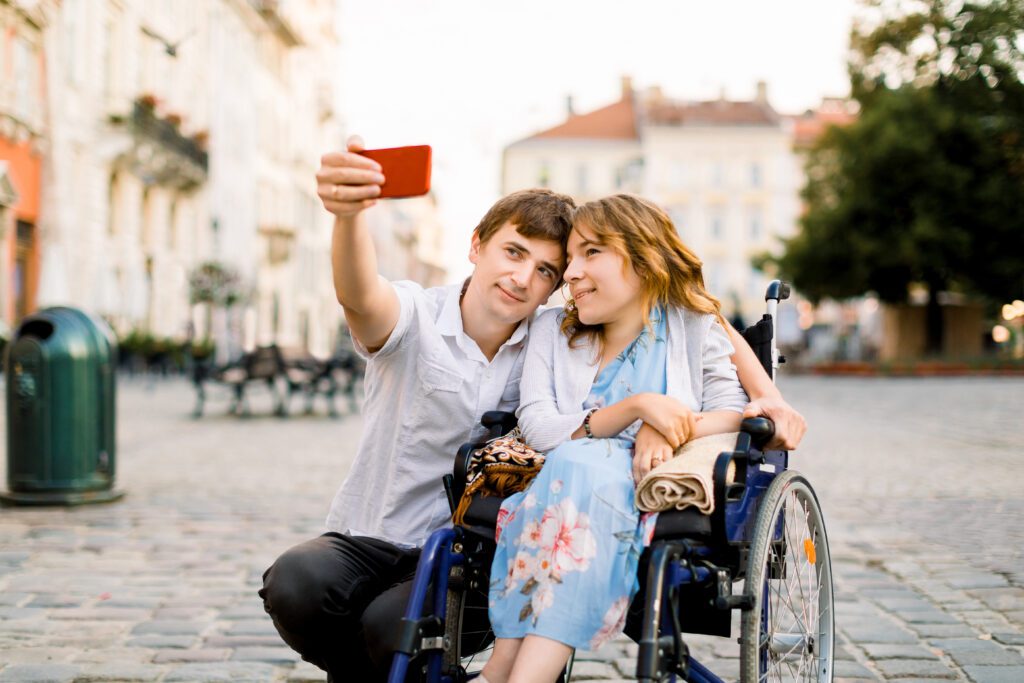
interabled couple taking a selfie

The Odds Favor Love 

Dating and finding (and/or nurturing) love can certainly feel challenging. It’s not easy for anyone. Perhaps that’s why there seem to be like a million dating apps and online platforms for all types of singles. Maybe, in some circumstances, one’s mental, physical or emotional disability can make the hunt for love trickier. But maybe not… maybe being ‘different’ is the new normal.


You see, 1-in-4 U.S. adults – or about 61 million Americans – have a disability that impacts major life activities, according to the CDC. With mental illness and invisible disabilities on the rise, perhaps the statistics of people living with disabilities are even greater than cited. So if you just think about the numbers alone… well, the likelihood that one or both partners in a relationship have one or more disabilities is fairly probable. Maybe it’s just a numbers game. If 1-in-4 people have a disability, it only makes sense that interabled dating and interabled relationships are normal and increasingly common. And I love that, don’t you?

People with disabilities constitute the nation’s largest minority group. The disability community is the only group any of us can become a member of at any time. While much work needs to be done to advance the awareness and acceptance of disabilities, the concept of diversity and inclusion definitely is evolving and expanding. Diversity is celebrated more than ever when it comes to aspects of age, race, gender, sexual identity, ethnicity, religion, socio-economic background and, yes, disability.

The conversation surrounding the breakdown of stereotypes in regards to interabled relationships is getting louder. In an effort to help illustrate that interabled relationships are the new normal, some couples are sharing their personal love stories with the world. For example, Hannah Aylward and Shane Burcaw, who has a genetic disorder called spinal muscular atrophy, have a popular YouTube channel titled “Squirmy and Grubs,” where they document their life as a married couple. The pair field questions about their relationship to combat the misconceptions surrounding interabled relationships and more. Similarly, author and blogger Rachelle Chapman, whose spinal cord injury caused paralysis, hosts widely-watched Facebook Live Chats about her marriage to her able-bodied husband, in addition to other topics like parenting and general disability-focused hacks. And these are just two of many wonderful examples of interabled couples proudly and loudly declaring their true love.

interabled couples hugging and smiling

All Relationships are Different

As with able-bodied relationships, each interabled relationship or disabled relationship is different. Every couple experiences ups, downs and unique twists and turns. Sadly, many assumptions whirl around interabled and disabled relationships that don’t necessarily affect able-bodied couples.

Here are some things to keep in mind:

  • One’s disability doesn’t define a person. We’re all complex and evolving beings with many parts. I’ve come to understand that my disability presents some challenges not only for myself but also for my husband. I’ve learned – perhaps the hard way – that I really need to be honest in my communication with him… how I am feeling, what I need in regards to support, levels of understanding and acceptance, etc. I have become more comfortable vocalizing my feelings and communicating my needs. And, in turn, I’ve reassured my partner that I trust he can and will openly share freely with me… when he’s overwhelmed, confused, happy and so on. I appreciate his willingness to understand and adapt. I am not the best at asking for help, but I want to improve upon this.
  • A disability doesn’t make one less worthy of having a romantic relationship or healthy sex life. All humans are meant to love and be loved. Listen, just because a person may have a diagnosis or disability and his/her partner does not certainly does not equate to the partner being a perfect person or perfect partner. No one is perfect! And disability or not, we each have to work really hard at supporting and loving one another.
  • Physical attributes are not the sole factor of attraction. Again, each and every person has so many layers and so much to offer.
  • The judgments of other people can hurt. Unfortunately, many people assume that dating someone with a disability is a burden, or that an able-bodied person solely plays a caregiver role to their disabled partner. This is not the case. The distribution of labor within a relationship is unique and ever-changing. Naturally, all couples support each other in many ways – physically, emotionally and spiritually.
  • Interabled and disabled couples often experience stigmas. You can combat myths if you choose to, but you don’t have to! Aspects of relationships are private and you don’t have to share or explain anything if it’s inappropriate or beyond your comfort level.
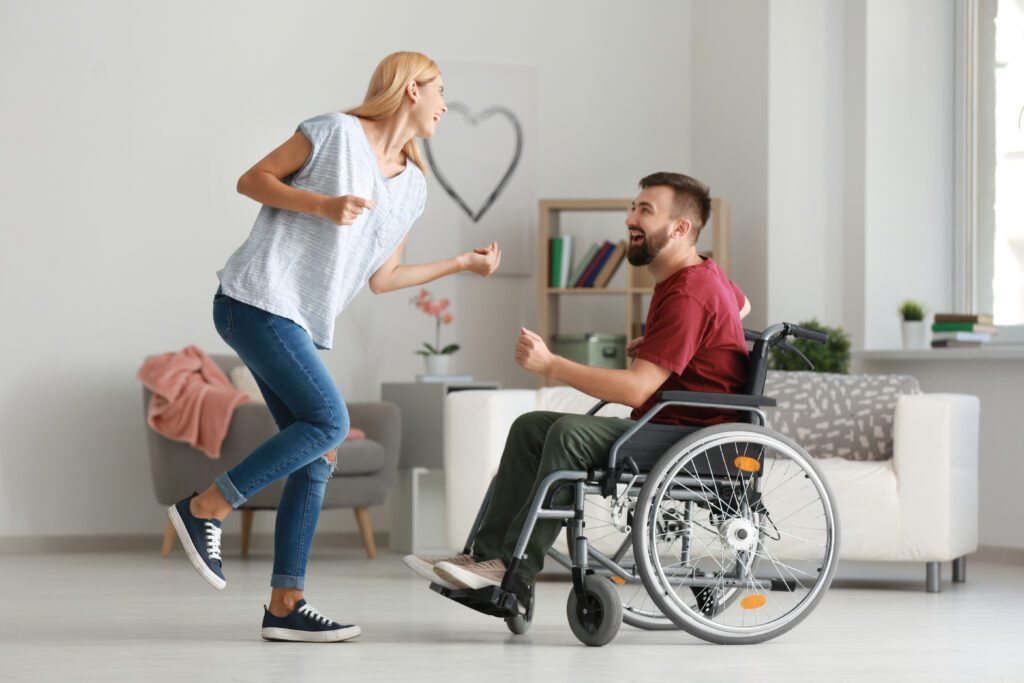
  • A romantic relationship may be between the two of you but, since we all crave connections, the support of others may benefit the relationship. Consider seeking out insight from other couples of all abilities – able-bodied, interabled and disabled. Don’t we all have so much to learn and gain from each other? I admit that my close friend with similar disabilities has served as a sort of therapist for me on many occasions. I appreciate her view, experience and ability to share with an open, well-intentioned mind. She offers tips on how she previously navigated situations within her relationship that may be helpful for mine. interabled couple dancing and laughing
  • Couples shouldn’t feel guilty seeking out self-care. Love is complicated. Relationships are hard. And people sometimes need to nourish and nurture themselves with self-care — either independently or, when applicable, as a couple. Self-care comes in many forms. What makes you feel like your best self? Exercising in nature is an essential need for my mental wellbeing. This is something that I communicate to my husband and he honors. Sometimes it’s that simple.
  • Give yourself some grace. We all mess up. Sometimes we need to apologize to our partner when we’ve goofed a bit. Sometimes a relationship doesn’t work out either. But love is out there… and accessible to all.

Relationships can transform one’s mind, body and soul. In fact, oxytocin, also known as the love or touch hormone, literally affects our brains. Remember, all relationships are different – whether you’re an able-bodied, interabled or disabled couple. So may you be loved and give love… in a way that feels and is normal to you and your partner. Lastly, while relationships are hard, maybe they aren’t that hard when you’re with the right person (who may or may not have a disability).

New Curriculum Prepares Nurses to Care for Individuals with Developmental Disabilities

0

A new and first of its kind curriculum designed for integration into existing primary care nurse practitioner residency programs to improve the health care experience for individuals with intellectual and developmental disabilities (IDD) has been developed by nursing faculty at the Golisano Institute for Developmental Disability Nursing at St. John Fisher College’s Wegmans School of Nursing.

The online, modularized curriculum features an in-depth overview of health care topics and best practices in the field of IDD care specifically designed for nurse practitioners engaged in primary care residency programs. The curriculum focuses on practice areas where health outcomes are dramatically different for patients with developmental disabilities such as reproductive health, or where enhanced skills can reduce complications and stress, as in behavioral health.

The content, which is divided into five online modules, aims to expand the resident’s understanding of attitudinal, communication, policy, programmatic, social, and physical barriers that individuals with IDD encounter in primary care settings. The new curriculum is being piloted in the Primary Care Nurse Practitioner Residency program at Highland Family Medicine, based in Rochester, New York, and will then be distributed to similar residency programs nationwide.

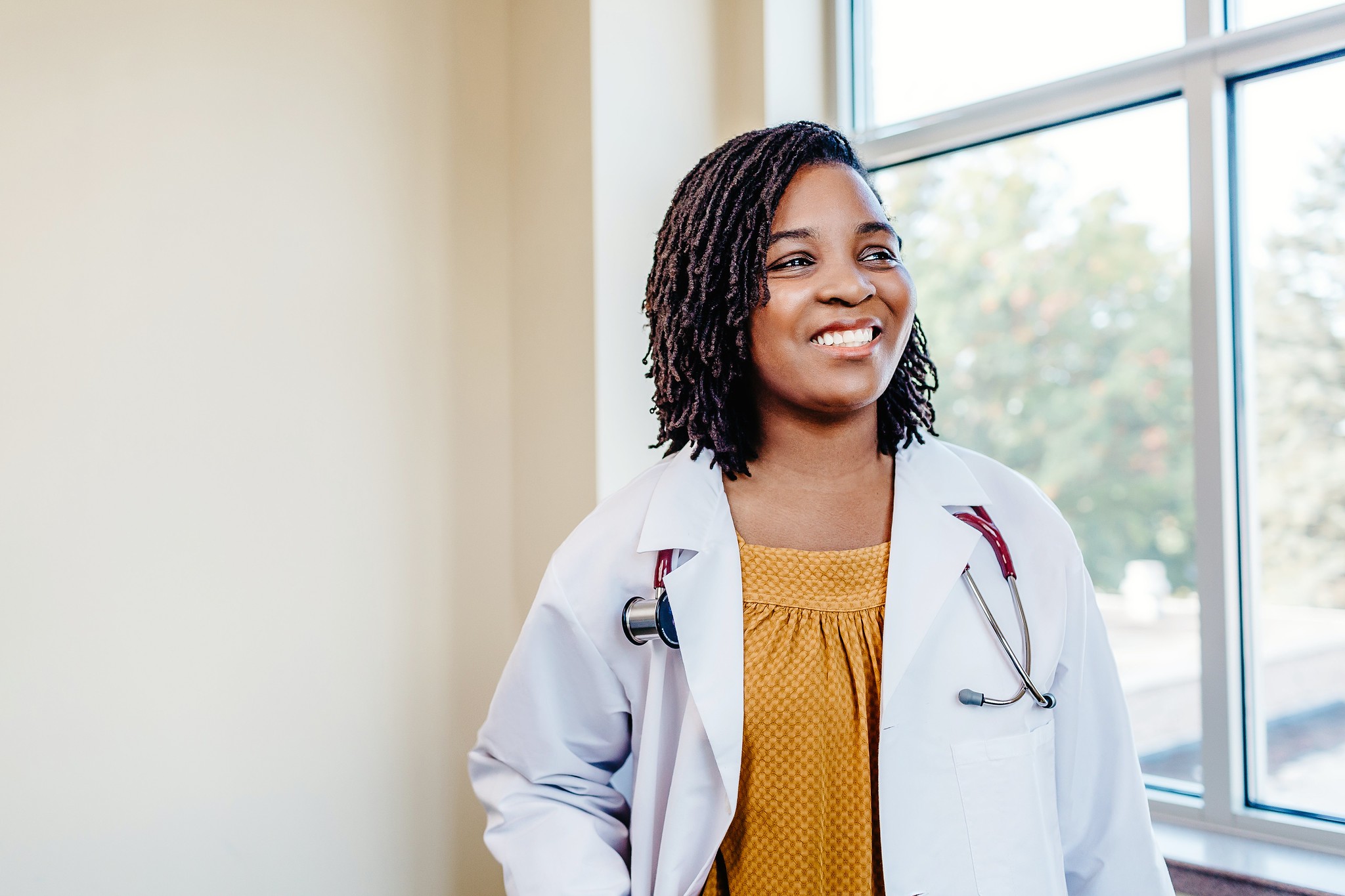
A nurse smiles
photo credit: St. John Fisher College

According to Dr. Holly Brown, associate director of the Golisano Institute, the goals of the curriculum are not only better health, better care, and lower costs but also improved knowledge, confidence, and skills for the nurse practitioner. She said that this combination improves the provider’s sense of well-being, which is a critical part of maintaining a thriving advanced practice nursing workforce.

“There have been too many situations where a patient with sensory challenges comes into a noisy, chaotic setting and may not react well to being overwhelmed. A nurse practitioner with these essential skills can improve the experience of the health care visit; for instance, by collecting health information and accommodation needs in advance. Nurse practitioners can also be change agents by leveraging existing billing systems to sustain and improve the quality of care for these patients,” she explained.

With this new curriculum, the Institute provides an accessible tool for nurse practitioners to address the disparities in health outcomes experienced by individuals with IDD, a group that includes more than 6.5 million people in the United States, according to a 2019 study conducted by the Centers for Disease Control and Prevention. Research has shown that these individuals face a decreased life expectancy due to myriad factors, including a lack of trained health care professionals and reduced access to routine screenings and exams. In addition, patients with IDD often have multiple and complex conditions, such that their care requires additional time that current care provider systems do not often accommodate.

child with IDD stacks legos
photo credit: St. John Fisher College

“Primary care nurse practitioners are on the front line of providing care for this population and yet we receive the least amount of training of any health care profession in working with people with IDD,” said Brown, who is a psychiatric mental health nurse practitioner in addition to her role at the Institute. “Many skills developed in this program are transferable to our other patients with communication challenges; for instance, older adults with dementia, people who have experienced a stroke, or individuals living with traumatic brain injuries.”

The program was made possible with support from the Golisano Foundation and through an Inclusive Health Innovation grant from Special Olympics International.

“Nurses comprise the largest health profession in the world and spend the most time with patients with IDD, so we were thrilled to fund this grant to help prepare them to provide the best care possible,” said Dr. Alicia Bazzano, chief health officer at Special Olympics.

For more information about the Golisano Institute for Developmental Disability Nursing, visit the website go.sjfc.edu/golisanoinstitute.

Broken Heart Syndrome is on the Rise, Especially Among Older Women

0

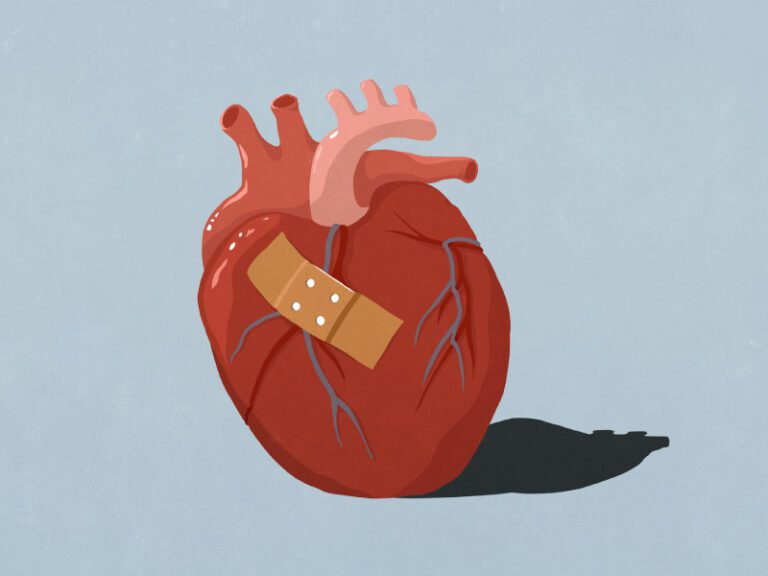
Broken heart syndrome, a life-threatening condition whose symptoms mimic a heart attack, is on the upswing, according to new research that shows the sharpest increases among women 50 and older.

Recently published in the Journal of the American Heart Association, the study examined 135,463 cases of broken heart syndrome in U.S. hospitals from 2006 to 2017. It found a steady annual increase among both women and men, with women making up 88.3% of the cases.

The overall increase wasn’t unexpected as the condition has become increasingly recognized among medical professionals, said Dr. Susan Cheng, the study’s senior author. But researchers were taken aback to find the rate of the condition was at least six to 12 times higher in women ages 50 to 74 than it was in men or in younger women.

“These skyrocketing rates are both intriguing and concerning,” said Cheng, director of the Institute for Research on Healthy Aging in the department of cardiology at the Smidt Heart Institute at Cedars-Sinai in Los Angeles.

senior woman holding chest because of chest pain
photo credit: American Heart Association

The condition, also known as Takotsubo cardiomyopathy, has been studied for decades in Japan and elsewhere. But it wasn’t well known internationally until 2005, when the New England Journal of Medicine published research on it.

Triggered by physical or emotional stress, broken heart syndrome causes the heart’s main pumping chamber to temporarily enlarge and pump poorly. Patients experience chest pain and shortness of breath, symptoms similar to those of a heart attack.

If they survive the initial phase of the disease, people often can recover in days or weeks. However, the longer-term effects are still being studied. Despite apparent recovery of heart muscle function, some studies show people who have had broken heart syndrome are at heightened risk for future cardiovascular events.

Cheng said more research is needed to understand the risks and reasons why broken heart syndrome seems to disproportionately affect middle-aged to older women.

The end of menopause may play a role, she said, but so might an uptick in overall stress.

“As we advance in age and take on more life and work responsibilities, we experience higher stress levels,” she said. “And with increasing digitization around every aspect of our lives, environmental stressors have also intensified.”

The study arrives at a time when public health organizations have been delving deeper into the mind-heart-body connection. In January, the American Heart Association published a scientific statement on the connection, saying there were “clear associations” between psychological health and cardiovascular disease risk.

While the study was done before the rise of COVID-19, Cheng said the stress of the pandemic has likely led to a rise in the number of recent cases of broken heart syndrome, many of them undiagnosed.

Female patient comforted by her doctor
Photo credit: Getty

“We know there have been profound effects on the heart-brain connection during the pandemic. We are at the tip of the iceberg in terms of measuring what those are,” she said.

Dr. Erin Michos, who helped write the AHA’s scientific statement but was not involved in the new research, said the findings underscore how important it is for doctors to screen patients for mental health conditions.

She also called for more research to understand a disease about which little is known.

“We should all be worried about why its incidence is on the rise,” said Michos, an associate professor of medicine and director of Women’s Cardiovascular Health at Johns Hopkins School of Medicine in Baltimore.

The study, she said, serves as a potent reminder that everyone needs be proactive about their mental health, especially those with cardiovascular risks.

“We can’t avoid all stress in life, but it is important for patients to develop healthy coping mechanisms. Some strategies include mindfulness meditation, yoga, exercise, eating healthy, getting adequate sleep and cultivating social relationships for support systems,” Michos said. “For patients with significant psychological stress, a referral to a clinical psychologist or other clinician with expertise in mental health is recommended.”

For similar content, check out these AmeriDisability articles:

(Feature image credit: Malte Mueller, Getty Images)

First-Of-Its-Kind Gallery Now Exhibiting Art for and by Artists and Audiences Who are Blind or Visually Impaired

Envision, a leading non-profit employing and furthering possibilities for those who are blind or have low vision, has opened a first-of-its-kind national permanent gallery that gives artists who are visually impaired a stage to showcase their work. Located in Wichita, Kansasthe Envision Arts Gallery and Community Engagement Center defies the obstacles faced by marginalized artists who are blind or visually impaired (BVI) and gives those with Intellectual and Development Disabilities (IDD), as well as sighted and neurotypical audiences, a chance to experience art through multiple senses.

As the gallery space rotates, the exclusive exhibits will host nationally renowned BVI and IDD artists such as John Bramblitt, whose art has been sold in over 100 countries around the world, later this year.

“It’s about something much greater than art. It’s the foundation of where it all stems from,” said Sarah Kephart, program manager of Envision Arts. “Everyone has a story to tell. Whether you’re sighted, or blind from birth or in an accident, we all want to tell our story. The sighted world has put perceptions and parameters around what the blind and visually impaired community wants to do and can do. Envision is expanding these limits. We help people realize their potential through self-expression.”

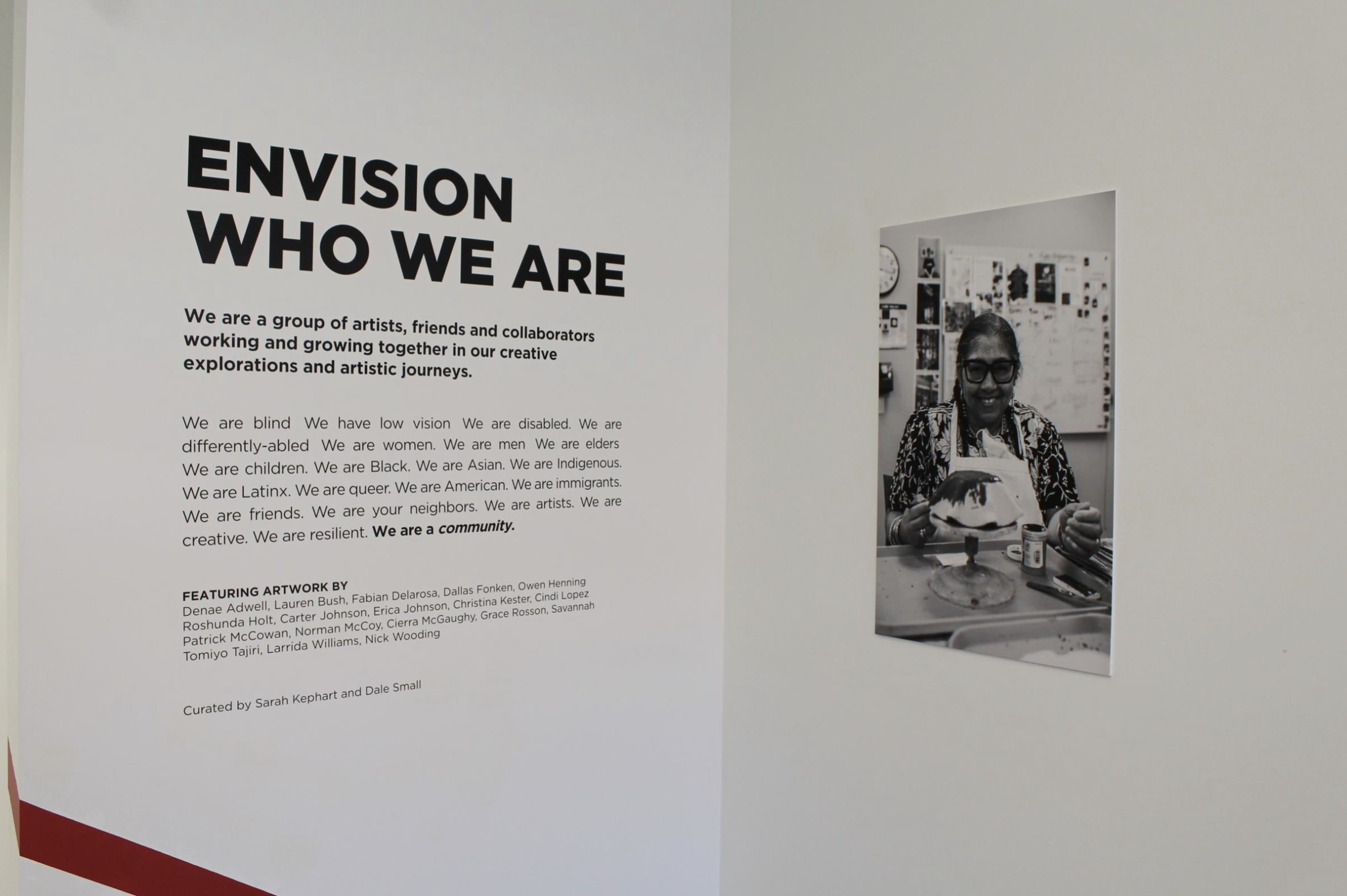
The first Envision Arts Gallery exhibition has been designed to showcase portraits of the Envision Arts program’s dedicated artists who are blind or visually impaired and/or have disabilities. Highlighting their stories and success, the Main Gallery features inspiring work from 18 different BVI artists. The Community Portrait Wall in the Patricia A. Peer Window Gallery offers an experiential photo exhibit in which the community can directly engage and participate — giving an opportunity and dedicated space for conversations about accessibility, diversity, equity and inclusion.

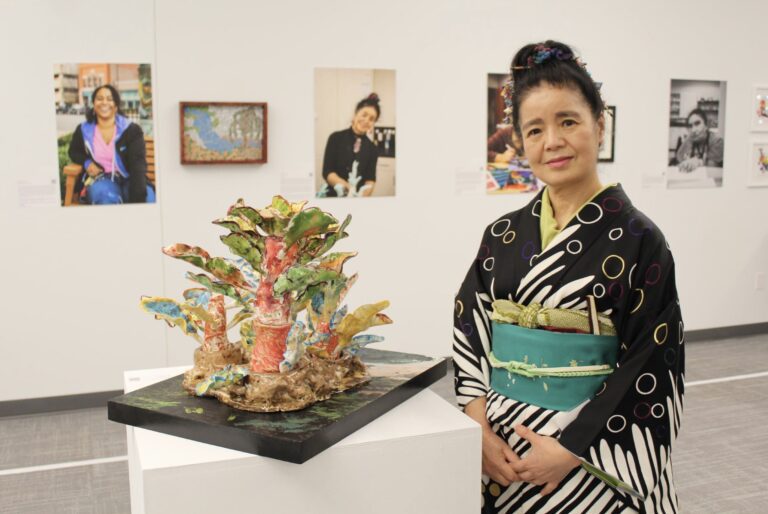
Artist Roshunda Holt’s piece, “Waterfall with Willow Tree,” is among the first of the work exhibited. Small and shiny ceramic pieces are combined to create a mosaic landscape depicting a waterfall that flows into a river on the horizon in front of a large willow tree. While the weeping willow tree symbolizes shade over sadness, the cascading water helps purify to wash it away and bring in new life. Its tactile and colorful surface allows for people to touch and experience the artwork with multiple senses other than just vision.

“Art cannot be put into a box — that’s what makes it special,” said Holt, who has been recognized by the American Printing House for the Blind, Annual Insight Art Exhibition in Louisville, Kentucky. “I was diagnosed at 23 with Retinitis Pigmentosa, which is a genetic condition, so I knew I was going to lose my sight — but that did not stop me from pursuing art. And now, I hope I can inspire young artists of all abilities to never stop creating.”

In addition to showcasing artwork by Envision Arts BVI artists, the Gallery demonstrates a fully accessible environment with navigational tape on the floor for white cane users, scannable QR codes with artwork descriptions for screen readers, Braille cards and booklet, and large font printed booklet of all artwork descriptions. Gallery staff are trained sighted guides that will help anyone visiting the gallery as needed.

Display at Envision Art gallery
The gallery is an inclusive destination for intersensory art experiences made by artists who are blind, visually impaired and/or disabled.

The Gallery will also feature an Artist in Residency program designed to connect the BVI community to other artists working within the creative community of Wichita. Members of the program can showcase their work in the Gallery and will work alongside Envision Arts to help reinforce accessibility more prominently into the art world.

“This has been a dream spearheaded by Sarah for a long time,” said Michael Monteferrante, president and CEO of Envision. “Envision is thrilled to bring to life this one-of-a-kind art gallery and what it represents: inclusion and accessibility to all.”

All proceeds from artwork and merchandise purchased from the exhibit directly support the artists as well as helps to fund artistic endeavors for the Envision Arts program. You can learn more about the Envision Arts Gallery and Community Engagement Center by visiting www.envisionartsgallery.com or by calling (316) 440-1699.

[Feature image: BVI Artist Tomiyo Tajiri poses with her 3D ceramic sculpture depicting a Japanese landscape.]

10 Adults with Developmental Disabilities Honored for Their 30+ Years of Employment: Honorees Pioneered Inclusive Workplaces

0

The Board of Directors for Regional Center of Orange County (RCOC) in Santa Ana, California honored 10 Orange County residents with developmental disabilities at its January 2022 quarterly board meeting for each of their 30+ years of employment success.

“The people we honored are pioneers,” said RCOC’s volunteer Board Chair Chip Wright. “When they began their jobs they still hold today, it wasn’t always expected to see people with developmental disabilities in typical workplaces out in the community.”

Decades ago, few people with developmental disabilities were able to get paying work. Many who had jobs were employed in what were sometimes called “sheltered workshops.” These types of workplace settings (which are no longer eligible for regional center funding) included only adults with disabilities, were isolated from the broader community, and frequently paid far less than minimum wage.

“Now we take for granted that people with disabilities can and should be able to work alongside coworkers without disabilities,” Chip added. “But it took dedicated, loyal and hard-working employees like our honorees to open a lot of employers’ eyes to the benefits of including people with developmental disabilities into their workforces.”

The January 2022 honorees included:

  • Shona Barter of Huntington Beach, a Courtesy Clerk at Ralph’s Grocery Store in Huntington Beach;
  • Bonnie Boss, of Brea, who handles laundry duties at Orangewood Children’s Home, in Orange;
  • James Cabrales of Garden Grove, a Sales Associate for Goodwill in Garden Grove;
  • Thomas Christian of Orange, a Mail Room Attendant with the Orange County Fire Authority headquarters in Irvine;
  • Ronald Einwich of Anaheim, a Facilities Coordinator and previous Employee of the Year award recipient with Orange Senior Center in Orange;
  • Michael Hughes of Costa Mesa, a Custodian/Stocker/Animal Attendant at Huntington Pet Vet in Huntington Beach;
  • Michele Martinkus of Garden Grove, a Dining Room Attendant with Del Taco in Anaheim;
  • Tony Ramirez of Anaheim, a Dishwasher/General Kitchen Helper with The Pacific Club in Newport Beach;
  • Rob Ross of Tustin, Bistro Server Assistant, The Pacific Club in Newport Beach; and,
  • Bob Woelfle of Cypress, a Dining Room Attendant at McDonald’s in Garden Grove

Several years ago, the RCOC Board of Directors adopted an Employment First policy that makes competitive integrated employment the first option considered by planning teams for every working-age adult RCOC serves. This aligns with the state policy that also favors inclusive employment. Toward that end, RCOC and its network of service providers partner with businesses of all sizes, community organizations and government agencies throughout Orange County to identify job opportunities and then match individuals’ skills, talents, abilities and interests with the right job and the right employer.

For more information on the advantages of hiring adults with disabilities, visit the employment resource page on RCOC’s website.

Award-winning Filmmakers Fundraise to Support Kids with Disabilities

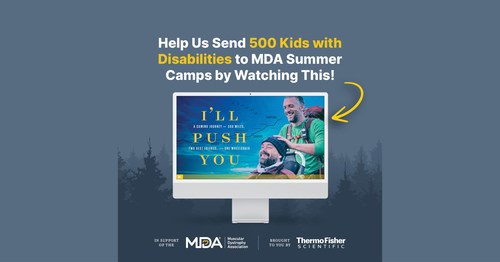
The Muscular Dystrophy Association (MDA), alongside Justin Skeesuck and Patrick Gray, announced a fundraiser running through January 30, by making their award-winning film I’ll Push You available for a virtual nationwide screening. Tickets and donations will go towards sending 500 kids ages 8-17 living with neuromuscular diseases to MDA Summer Camp. To purchase tickets from $15 to $150 packages, click here. Donations can also be made directly here.

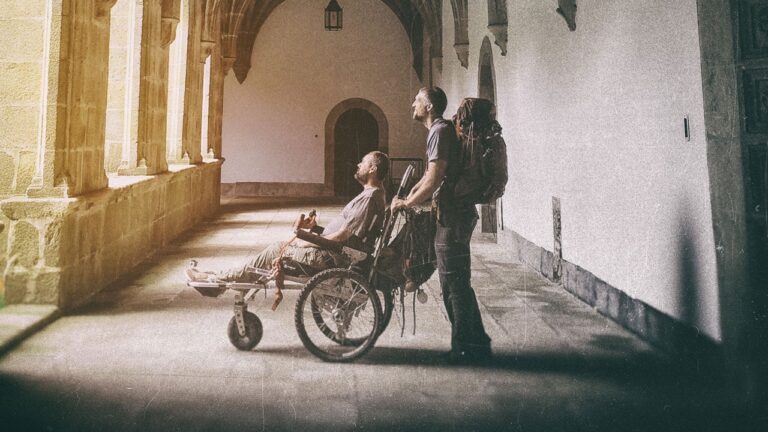
The heartwarming film I’ll Push You is the story of Justin and Patrick, best friends who completed a 500-mile wheelchair journey across northern Spain on the Camino de Santiago. Justin lives with a progressive neuromuscular disease known as multifocal acquired motor axonopathy. When he was first diagnosed, Justin received care from the San Diego MDA Care Center, part of a network of over 150 multidisciplinary clinics across the country. Since then, MDA has been a source of support.

Both Justin and Patrick understand the importance of adventure, independence, and community. They want every child living with neuromuscular disease to have experiences that open their eyes to the wonder of nature, give them a sense of purpose and identity, and connect them with others who understand the challenges of living with disabilities.

Justin and Patrick’s passion for others to overcome the challenges they face is why they are excited to partner with the MDA. Funds raised will help send kids to MDA Summer Camp, a place where children living with neuromuscular disease learn to push their limits, ask for and receive help, and feel empowered to advocate for themselves; and is provided at no cost to families as part of MDA’s mission. Registration for the 2022 MDA Summer Camp sessions opens in February and includes both in-person and virtual options. The in-person summer camp program is building back up after two years of virtual programming due to the COVID-19 pandemic and the high-risk community MDA serves. The 2022 program will include in-person summer camp locations across the country and several virtual sessions. For updates and information about the MDA Summer Camp program visit mda.org/summer-camp.

“Challenges can be hard to overcome, which is why it’s so important to let others support us and ‘push us’ beyond the limitations we set for ourselves,” said Alicia Dobosz, Senior Director of Recreation and Community Programs at MDA. “We’re glad we were able to offer a virtual camp option during the pandemic to keep families connected, and we’re looking forward to building back our in-person camp program so children in our community can have that experience again. For decades, the MDA camp program has given people confidence, independence, life-long friends, and a community of support that they carry through their adult lives. The program enables campers to become advocates for themselves and leaders in the disability community, just like you see in the film.”

Help Us Send 500 Kids With Disabilities To MDA Summer Camp!

“Some of the children supported by the MDA have never had the opportunity to go to camp,” said Justin. “Others have missed out on the in-person experience the past two years because of the COVID-19 pandemic. Regardless, if it’s their first time going to camp or they’re going back again, every kid deserves this opportunity.”

“Our goal is to send 500 kids to camp,” stated Patrick. “For a lot of campers, MDA camp is an experience of a lifetime. We hope many will join us in the effort to make so many dreams come true.”

I’ll Push You – Film Synopsis:
I’ll Push You is a story of friendship and love, a story of hope and sacrifice, a story that explores the raw, deep human condition and the connections we all long for. The Camino de Santiago pilgrimage in Spain serves as a backdrop to the lives of Justin Skeesuck and Patrick GrayI’ll Push You provides insight into what it means to live for one another, what it means to overcome limitations, and what it means to push one another toward who we each long to be. At first glance, this story appears to be an adventure tackling a physical challenge in order to fulfill the dream of a man who lives life from a wheelchair. The reality of I’ll Push You is there are many ways we can push one another. Justin’s perspective on life and the way in which he lives it pushes Patrick beyond his fears and doubts. Join us as we discover what it means to let go of safety and what it means to rest completely in faith. To learn more visit illpushyou.com.

12 Disability-Friendly Jewelry Gifts for an Extra Special Valentine’s Day

It’s that time of the year when couples shop for heart-shaped chocolate boxes, fragrant bouquets, sappy greeting cards and sparkly jewels. The National Retail Association estimates that Valentine’s Day in 2022 will garner $21.8 billion in sales. Wowzer! Jewelry accounts for approximately 20% of Valentine’s Day gift purchases. And so, AmeriDisability has compiled a list of a dozen disability-friendly jewelry gifts that we know all couples – abled-bodied, interabled and disabled – will LOVE.

12 Disability-Friendly Jewelry Gifts   

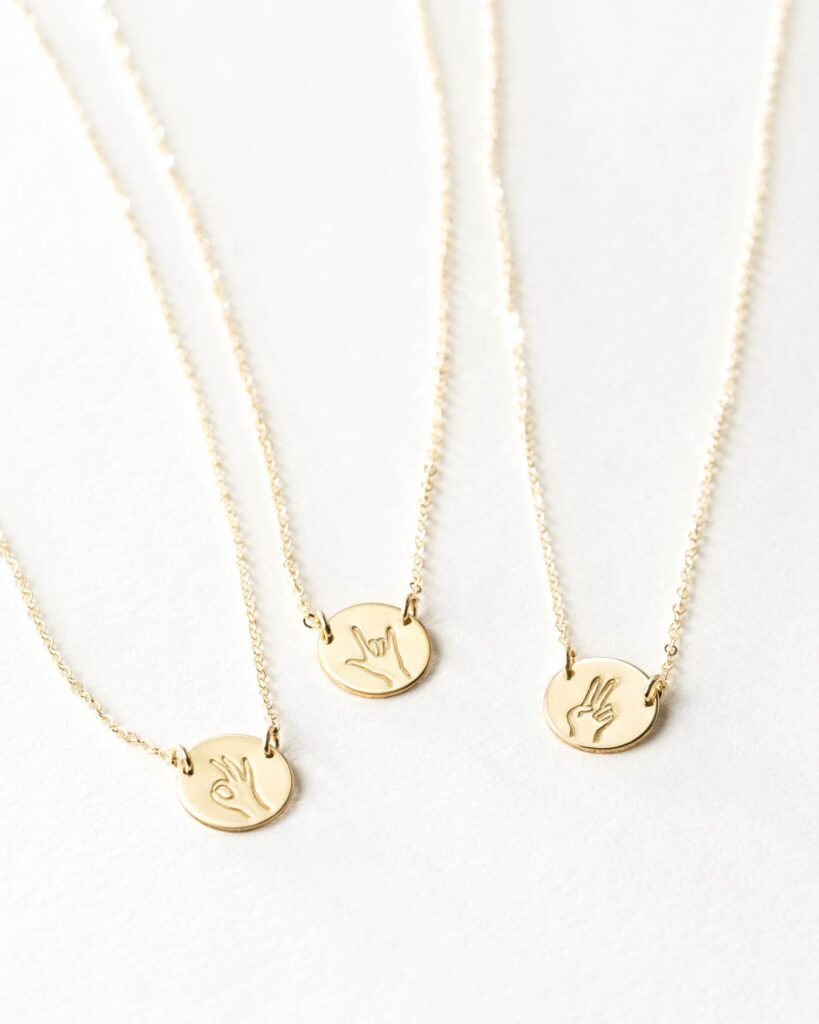
  1. ASL Love Necklace | $42-$256

Declare your affection with this necklace engraved with the word “love” in American Sign Language (ASL). Available in solid gold, gold fill, sterling silver and rose gold, this necklace comes in several adjustable lengths. Plus, 10% of sales of this ASL-inspired piece support the Washington State Association of the Deaf. Other signs and/or symbols from this line include “peace,” “rock on” and more. And 10% of those profits go to the Brain & Behavior Research Foundation, which funds research committed to alleviating the suffering caused by mental illness. Two thumbs up for that!

"hand gesture" links
“Hand Gestures Link” by GLDN
  1. Love Spinner Fidget Ring | $169

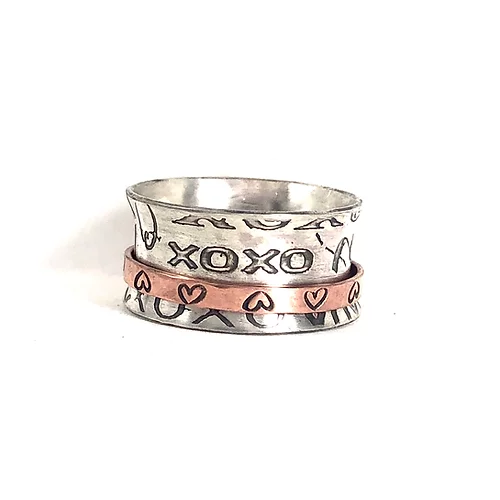
Themed with x’s and o’s to symbolize hugs and kisses, this ring by Tula Stone Jewelry aims to remind the wearer that they are surrounded by love. One of the copper rings is intended for fidgeting, which can aid concentration and/or relieve stress and anxiety. This ring, and many other disability-friendly pieces, is sold by Patti + Ricky, an adaptive fashion marketplace featuring accessories, clothing, jewelry and more.

xo fidget ring
The Love Spinner Fidget Ring is sold via Patti + Ricky.
  1. White Gold Ear Cuff (For Hearing Aids) | $190

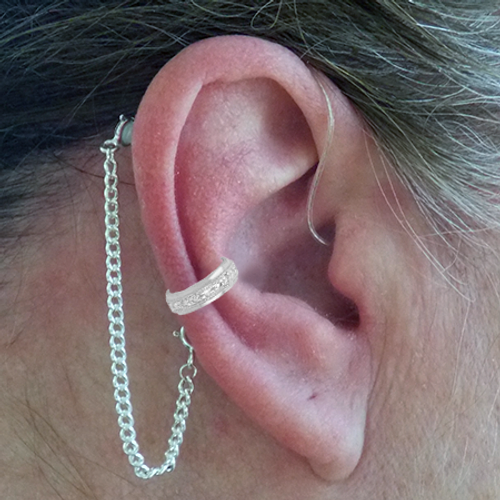
This 14K “CZ Band” by HearClip is a beautiful gift for stylish loved ones who are a part of our deaf and hard-of-hearing community. Also sold by Patti + Ricky, the white gold finish on this cuff will have jewelry admirers of all abilities feeling green with envy over this fashion-forward piece!

fashionable ear cuff
The White Gold Ear Cuff is sold via Patti + Ricky.
  1. Path of Life Anklet | $32

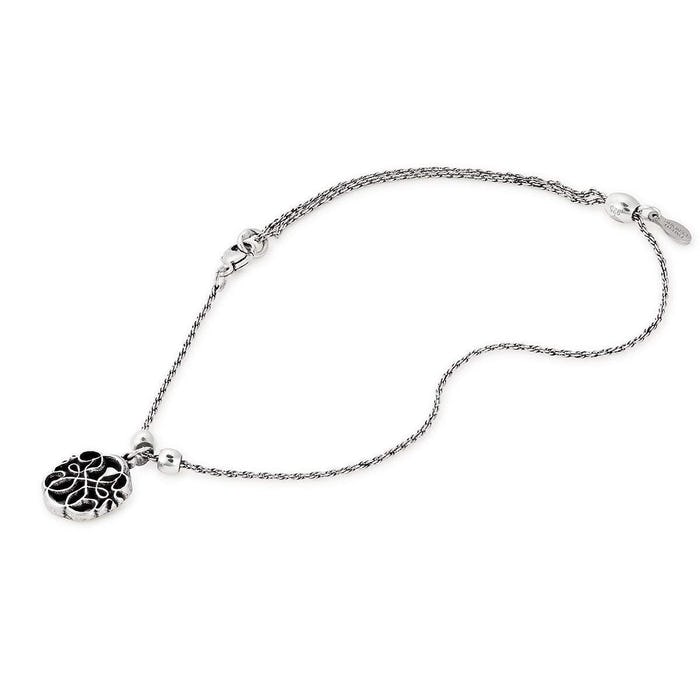
Alex and Ali’s ‘Path of Life’ design comes as a bracelet, charm or necklace, but we especially adore the 11.5” anklet option. Available in silver or gold, this anklet gives a leg up to life’s twists, turns and miraculous detours. And, of course, many of us within the disability community can certainly relate to that, right?  

Alex and Ani anklet
Path of Life design by Alex and Ani.
  1. Personalized Braille Pendant Necklace | $24

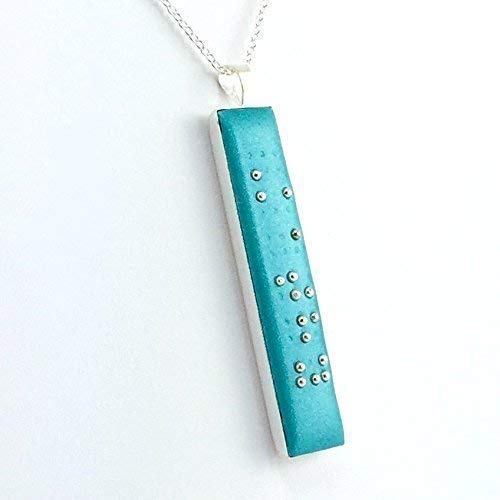
Sensibly priced on Amazon, this sleek rectangular piece is a shining star. The colorful pendant is made of polymer clay pressed into a silver-plated cabochon type pendant blank and has silver-plated metal dots that are raised, smooth and easy to read. Personalize a word, name or saying, and choose the favorite color of your loved one with low vision or blindness 

Braille Pendant Necklace
This personalized Braille Pendant Necklace is available on Amazon.
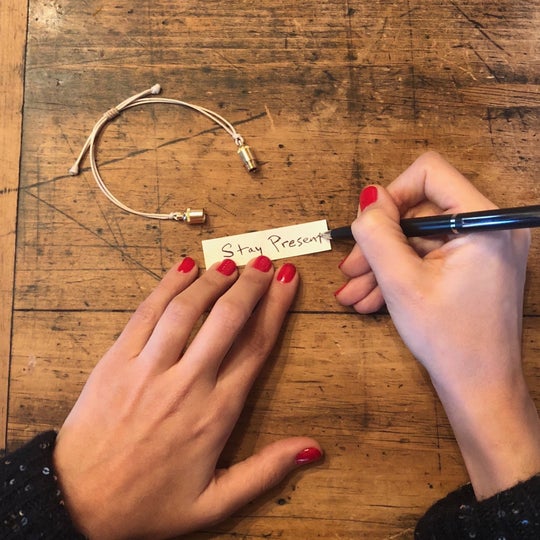
  1. Intentional Capsule Bracelet or Necklace | $20-$26

Research has found mind-body approaches — such as relaxation, breathing or guided imagery — can help treat many health conditions, according to the Department of Veterans Affairs (VA). This is because your mind affects your body, and your body affects your mind. This dance between the two can improve your health or make it worse. Your mind has power! And so, the Intentional Capsule invites wearers to use that power by writing a message, mantra or intention; then keep it close – both physically and mentally. The water-resistant, nickel-free capsule is 1” in length and 5/16” in width.  

Intention Bracelet
The Intention Capsule is available as a bracelet or necklace.
  1. Flare Safety Cuff Bracelet | $129

Disguised as a fashionable gloss cuff, the iPhone compatible Flare smart bracelet has a hidden button that allows the wearer to trigger a fake phone call, text friends for help, send a GPS location or even contact 911. Choose from gold, rose and silver metal finishes, and even a textured design. Flare was designed by two assault survivors as a safety item, but Flare may also aid some people with disabilities that require a safety feature. Leather and beaded bands are also available.

Flare safety bracelets
Flare offers an array of safety cuff options. 
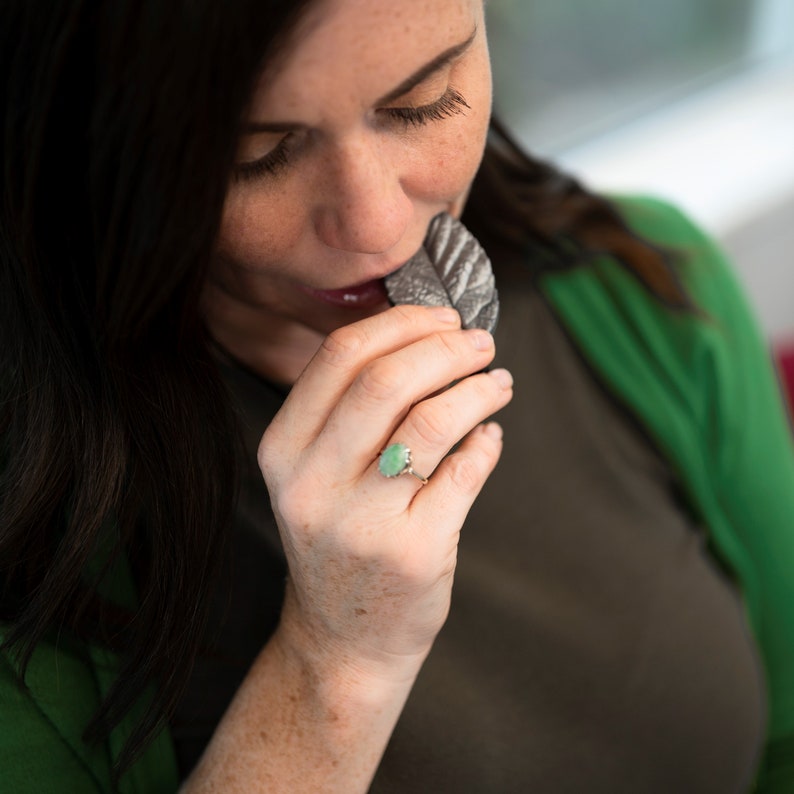
  1. Munchables Leaf Sensory Chew Necklace | $14.58-$16.66

Munchables Chewelry and The MunchablesSensory shop on Etsy offers this stylish chewable for adults or teens with autism, ADHD or special needs. This sophisticated piece is a standout among users because most other oral necklace designs skew toward a younger demographic. Available in gold or silver, the leaf is recommended for mild-moderate chewers but reviewers praise the piece for its durability. One reviewer, Lachlan T., said: “As an autistic adult, I was worried that a product geared toward children wouldn’t hold up for my sensory needs. But that fear has dissipated now having this in my possession. Clearly made to excellent quality; perfect for my chew style. It looks gorgeous too, and fits in with my sense of style so I don’t feel like it “stands out” when I wear it in public. The clasp is easy, doesn’t require a lot of dexterity which I love. I highly recommend this!”  

Mucnhables Sensory Leaf
This chew necklace is specifically designed with adults and teens in mind.
  1. Aromatherapy Bracelets | $14-$16

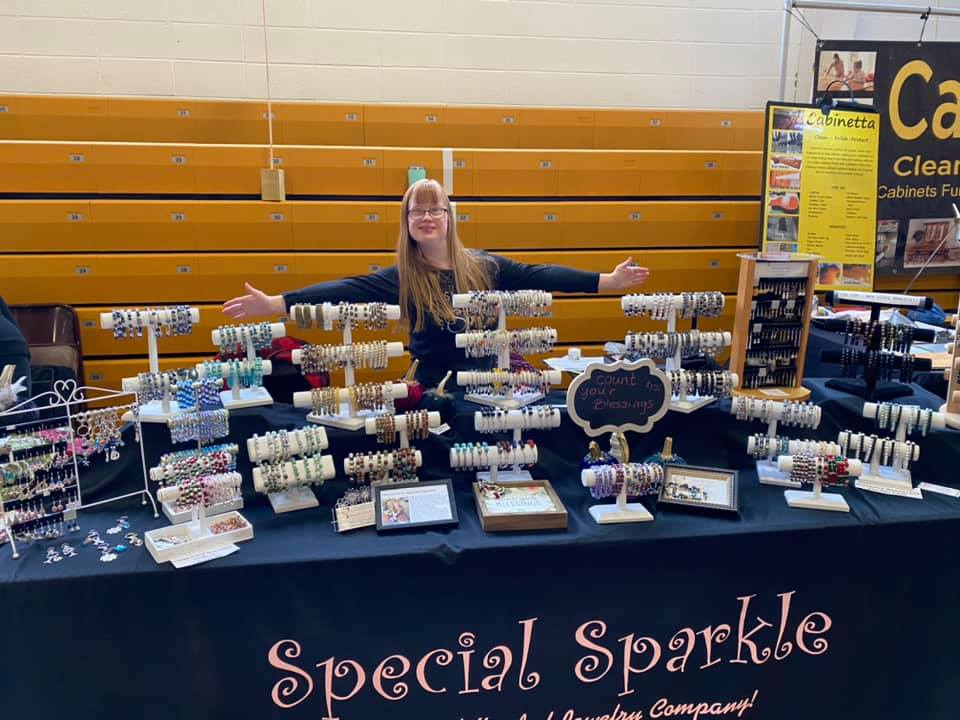
Special Sparkle describes itself as “a special kind of jewelry company.” It’s run by Kelly Neville, who loves all things ‘bling’ and has Down syndrome, and her mother Karen. The pair makes an array of bracelets and key chains. We’re especially drawn to the aromatherapy line, like the True Blue Aromatherapy bracelet. This piece combines amazonite beads with dyed lava stones. Just dab a few drops of your favorite essential oil onto the lava beads to enjoy. According to the Mayo Clinic, aromatherapy stimulates “smell receptors in the nose, which then send messages through the nervous system to the limbic system ─ the part of the brain that controls emotions.” Studies have shown that aromatherapy may reduce anxiety, depression, headaches and pain (especially for people with kidney stones or osteoarthritis), and also improve sleep and quality of life.   

Special Sparkle displays its jewelry line.
Kelly of Special Sparkle displays her large selection of jewelry designs.
  1. Fossil Pendant | Prices vary

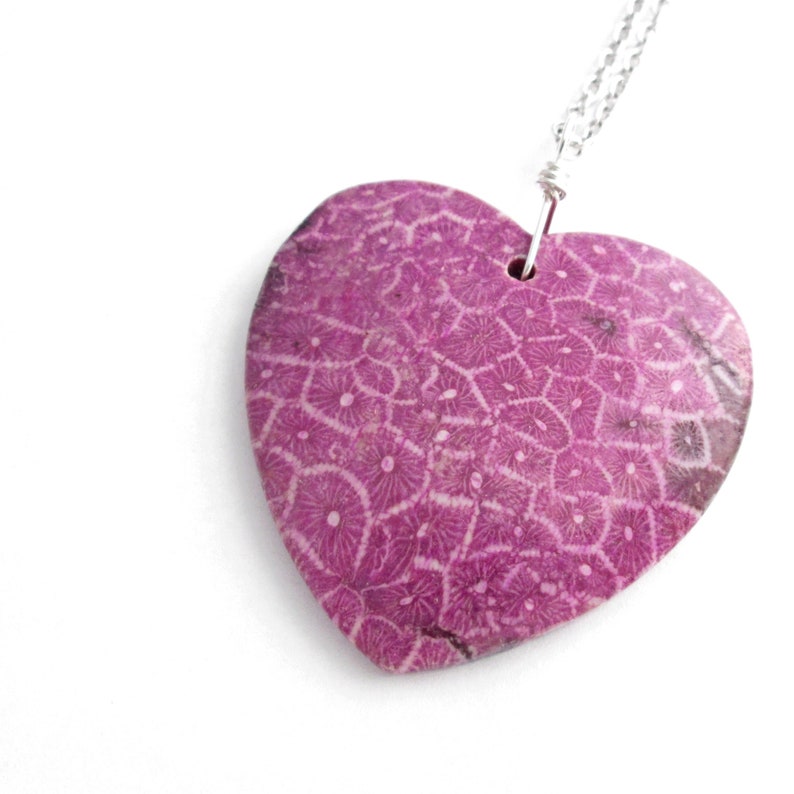
Designer Cindy Lou hand-makes natural stone jewelry using raw crystals, fossils, shells, sea glass and other unique materials. Because she has mitochondrial disease, she aims to keep her collection disability-friendly, featuring “necklaces and bracelets that are easy to wear for people with mobility, strength and dexterity issues.” This includes clasps that are easy to open and close and even clasp-free options. Shop online at cindylouwho2.com or via Etsy. Ideal for Valentine’s Day, we love Cindy’s dark pink fossil coral carved into a heart pendant. It’s wrapped in sterling silver wire and strung on a silver-plated chain with a self-closing lobster clasp. Custom designs are also available.  

pink coral heart-shaped pendant
Designs by Cindy Lou are unique.
  1. Emergency Bluetooth Necklace & Removable Pendant | $175

This Trelawear “Sally” Bluetooth pendant features faceted resin stones available in five different colors: opaque black, lapis blue, turquoise blue, white mother of pearl and tanzanite purple. This piece is encased in 12K micron plated gold or imitation rhodium finishes, with a magnetic clasp. It is compatible with iPhone and requires a monthly monitoring system.

Woman wearing an emergency bluetooth pendant
This Trelawear “Sally” Bluetooth pendant provides safety.
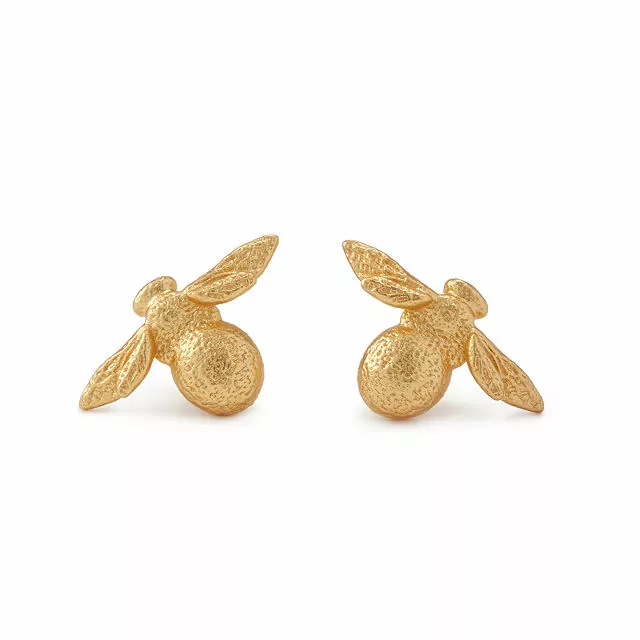
  1. Benevolent Bee Stud Earrings | $30

Because honey bees would together, they often symbolize victory, courage and community. Valerie Greene, a two-time stroke survivor and founder of the Bcenter, explains: “The bee has become the metaphoric pillar of recovery (for stroke survivor and the disability community as a whole) essentially because bees are not designed to fly but can; thus, reinforcing how a belief in recovering from a stroke starts with the belief that you can and will.”

Gold bee earrings
These earrings inspire all to “bee kind.”

Here are Links to Jewelry Helpers

For similar content, read these AmeriDisability articles:

Feature image credit: Special Sparkle | Prices and availability are subject to change.

Covid Takes its Toll on Caregivers: Nearly 60% Have Shouldered New Caregiving Responsibilities Since the Pandemic

0

The impact of the Covid-19 pandemic has been felt especially hard among the nation’s caregivers, according to the latest findings from Northwestern Mutual’s 2021 Planning & Progress Study. One in five (21%) of Americans report they are currently providing care for someone, and among them six in ten (59%) say that they have had to take on new or expanded caregiving responsibilities during the pandemic.

The majority of caregivers (73%) report receiving help of some kind with their caregiving responsibilities, most often from family and friends:

  • Family – 53%
  • Friends – 25%
  • Community groups – 14%
  • Health care professionals – 11%

However, more than a quarter (27%) of caregivers say they do not receive any additional help.

senior-aged couple using a computer

Caregiving, even in the best of circumstances, poses significant emotional, lifestyle and financial challenges,” said Kamilah Williams-Kemp, vice president of risk products for Northwestern Mutual. “Layer on top of that a global pandemic, which has disrupted and altered many people’s lives in so many ways, and the toll it is taking on caregivers has spiked.”

Financial Impact on Caregivers

On average, nearly a third (31%) of current caregivers’ monthly budget goes toward providing care. Those costs include professional support, as well as expenses for services caregivers provide themselves.

What’s less apparent in the numbers is the financial uncertainty that providing care can lead to. For example, 35% of current caregivers are not sure how much of their monthly budget goes toward providing care.

“This is a difficult topic for many families to address, especially ahead of when a caregiving scenario is actually required,” said Williams-Kemp. “But it’s critical that long-term care be part of financial planning conversations.”

Planning for Long-Term Care

Increased caregiving responsibilities over the last 20 months have prompted many Americans to pay more attention to long-term care. The study shows that a third (34%) of adults have planned for their own long-term care needs. Among them, more than half (53%) say the pandemic has changed their views on long-term care. As a result, they have taken specific steps toward preparing for their needs, including:

  • Increasing their savings – 46%
  • Incorporating long-term care into their financial plan – 39%
  • Talking to their financial advisor – 37%
  • Purchasing long-term care insurance – 36%

senior couple

“Planning for long-term care has been thrust onto the financial radar for many Americans during the pandemic,” said Williams-Kemp. “Long-term care coverage provides flexible options for in-home care in addition to facilities like nursing homes and assisted living centers, giving people access to the type of care that makes most sense for their unique situation. It’s good to see that a growing number of people are taking action, and hopefully this is the start of what will be a longer-range trend.”

Feminine Hygiene Just Got Easier for People with Disabilities

Feminine hygiene can be tricky to navigate and, perhaps, especially so during menstruation for individuals with disabilities. Since menstruation typically occurs monthly, hygiene products like pads, menstrual cups and tampons are necessities. And because they are discreet and likely the cleanliest option, tampons are the most popular product among feminine hygiene customers. Still, for people with physical limitations, chronic pain and other disabilities, ease of use isn’t exactly… well, easy.

However, a brand new product called TINA (Tampon INsertion Aid) is about to improve the feminine hygiene market. And it’s about time… PERIOD!

Identifying an Accessible Product Gap and Demand

Ali Kight, the founder of TINA Healthcare, says the idea for TINA came about during an engineering design class she took during undergrad studies at Georgia Tech in 2016. Her workgroup decided to redesign the tampon because the product, quite simply, doesn’t serve all people as it should. As they dug into the design history of the tampon applicator, the budding inventors found that the tampon hadn’t been significantly updated in about 90 years (since it was first invented and patented by Dr. Earl Haas).

accessible restroom sign

Then, the student team stumbled upon a forum for people with spinal cord injuries, where members were discussing how they dealt with tampon use. “Some members with C6-C7 tetraplegia were struggling to use tampon applicators and were resorting to hysterectomies and pharmacological mitigation of their period because there were no other options. Pads, for example, interfered with their catheterization,” Kight tells AmeriDisability. “This thread inspired us to redesign the tampon insertion and removal experience for accessibility; in particular, prioritizing users with limited dexterity. And TINA (Tampon INsertion Aid) was born.”

Soon thereafter, the team began posting about TINA on social media and immediate interest flooded in from people with varying disabilities and health issues. That sparked the transition of TINA from being an innovative class project into a much bigger product development centered on accessibility and inclusion.

TINA was originally designed for people with mobility limitations, but Kight says it’s evolved to accommodate any and all menstruators. “In particular, we have found that TINA helps those with cerebral palsy, spinal cord injuries, rheumatoid arthritis, scoliosis, spina bifida, multiple sclerosis, obesity, gender dysmorphia, first-time (tampon) learners and those just looking for an easier way,” Kight explains.

How it Works

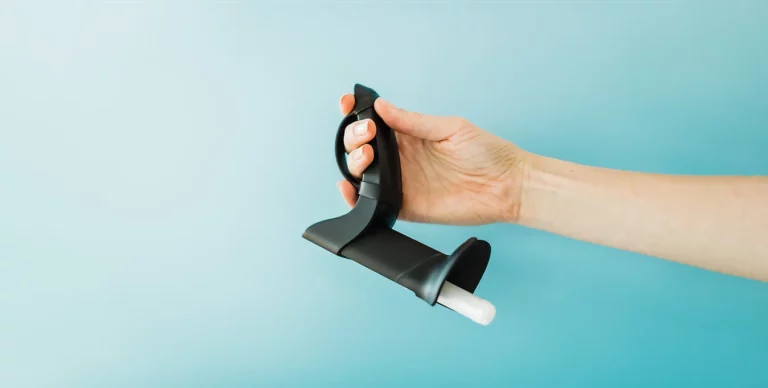
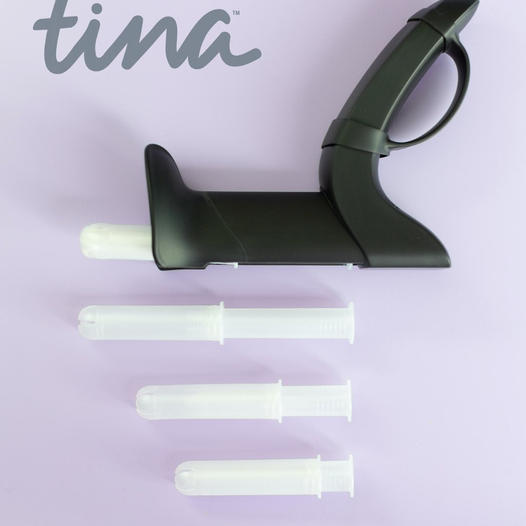
TINA is a reusable aid that clips onto off-the-shelf applicator tampons and facilitates easy, comfortable and consistent insertion through simple, upper-arm movements. By replacing fine motor manipulations and adding extra reach, TINA allows for fluid, single movement to achieve application. There is also a feature that helps with removal.

The demand for accessible feminine hygiene products is without a doubt present. According to Kight, initial studies by TINA Healthcare found that 80 percent of people with disabilities would like an assistive aid to facilitate tampon insertion.

TINA for accessible hygiene
source: tinahealthcare.com

“When I saw TINA I thought, ‘Yes, an assistive device that will finally help me!’ I have a connective tissue disease that causes me to progressively lose my fine motor skills. TINA gives me a sense of ‘normalcy’ back,” declares Lacey, who tested the product.

Several hundred potential customers have tested the TINA, and feedback has been put to use. Kight offers, “Ergonomics matter! As an engineer, it is easy to prioritize functionality from first principles. In other words, the first product we created included all of the right tolerances, materials and geometry to get the tampon into the right place when the correct forces were exerted on the device. Once we put the device ‘out into the wild,’ we immediately learned that we had so much more we needed to consider: Was the grip comfortable? Was the design intuitive? Was it easy to misuse? Was the form factor aesthetically pleasing?”

TINA Healthcare is finding the answers to these questions to be varied, and they are committed to evaluating user insight to finesse the design. In fact, TINA has gone through at least eight refinements over its lifetime thanks to tester input. Most recently, TINA Healthcare integrated opinions about the handle to create a better grip and reach while including softer features on parts that encounter the body for optimal comfort.

Empowering Users

TINA Healthcare showcases the identification of yet another accessibility gap and, thankfully, an adaptive solution. Now the company is working to establish widespread availability of TINA, such as through e-commerce platforms and retail stores. Kight says she hopes TINA Healthcare will also inspire others to explore universal design and inclusivity.

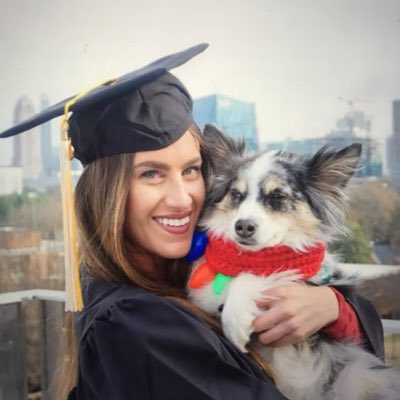
Ali Kight, founder of TINA Healthcare, dressed in graduation cap and gown and holding her dog
photo source: Twitter

Kight, who is finishing up her Ph.D. at Stanford University, says TINA Healthcare has been perfecting the product for nearly three years as it’s essential to get the product just right. This includes ensuring compatibility with different tampon brands and sizes.

Early access pre-orders are now available through TINA’s online shop.

Expanding Accessibility through Collaboration

TINA Healthcare received an initial investment through Georgia Tech’s CREATE-X start-up incubator program. While this growing business remains in its infancy stage, it’s advancing through investments of individuals and disability allies. Of course, Kight hopes business will soon boom once TINA hits more and more shelves.

Potential product users can support TINA Healthcare by sharing personal experiences – anonymously or otherwise – via the company’s blog. TINA Healthcare is also unveiling a chat safe-space via Facebook Groups to encourage conversations centered on disability, menstruation complexities and more. This platform will require community ambassadors and group moderators. Those interested in such opportunities can inquire using the online contact form.

TINA Healthcare logo
source: tinahealthcare.com

TINA Healthcare intends to expand its accessible product line to include menstrual cups and disks and, eventually, other grooming aids and make-up.