Wednesday, April 15, 2026
Html code here! Replace this with any non empty raw html code and that's it.
Home Blog Page 34

Race Is Among Factors That Predicted How Quickly Stroke Patients Get to Stroke Centers to Receive Essential Surgery, Study Shows

0

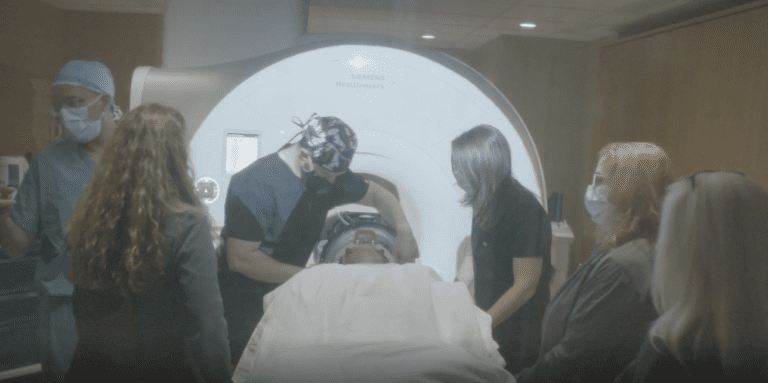
Race, in combination with other factors, predicted how quickly individuals with stroke got to stroke centers to receive necessary neuroendovascular stroke surgery (or thrombectomy), according to research presented at the Society of NeuroInterventional Surgery’s (SNIS) 18th Annual Meeting. Thrombectomy is a minimally invasive procedure that uses a catheter to reopen blocked arteries in the brain. The faster patients who need this surgery receive it, the better their chances are of avoiding death or long-term disability from stroke.

The study, “Disparities in Stroke: Influence of Socioeconomic Status and Race on Timely Access to Mechanical Thrombectomy,” reviewed data for 305 patients collected between 2016 and 2020 to find out how factors including race, socioeconomic status, health insurance coverage and driving distance to a stroke center influenced how quickly individuals were able to receive needed stroke surgery.

In the study, authors measured the time between each patient’s stroke onset and the beginning of surgery, with a focus on the time from onset to arrival at the hospital. The researchers found that race was among the predictors for how quickly patients made it to a stroke center, which impacts how quickly they can have surgery. Other factors included driving distance, the patient’s stroke severity level and whether a patient discovered the stroke symptoms upon waking. (The authors found that income, age and gender were not predictors for timely access to care among this group of patients.)

“Your race, ZIP code or socioeconomic status should not determine whether you make it home from the hospital after a stroke,” said Ricardo Hanel, MD, PhD, lead author on the study and an endovascular neurosurgeon and co-medical director of the Baptist Stroke & Cerebrovascular Center in Jacksonville, Florida. “This study shows that equity of access to care is critically important in achieving excellent outcomes for all.”

Feature image credit: Society of NeuroInterventional Surgery

Blind Boys of Alabama’s Ricky McKinnie & Other Talents Kick Off SHOWAbility’s Virtual Inclusive Arts Masterclass Series

SHOWAbility, a 501c3 nonprofit organization focused on arts and entertainment to bring visibility and awareness to issues facing the disability community (especially performing artists with disabilities), is attracting top-tier talent from within the disability community to its monthly Virtual Inclusive Arts Masterclass Series.

Beginning this month (August 2021), artists and community leaders, like Ricky McKinnie of the five-time Grammy-winning Blind Boys of Alabama, will share their expertise and experiences with SHOWAbility’s growing virtual audiences.  In addition to McKinnie, stand out community leaders from the arts, culture and business communities — including Elizabeth Labbe-Web, executive director of CORE, a dance company based in Decatur, GA and Lionel Woodyard, business owner and one of the young counselors featured in the Oscar-nominated documentary on Netflix, Crip Camp: A Disability Revolution — will be conducting masterclasses in September and October, respectively.

“Our Virtual Inclusive Arts Masterclass Series began in January 2021 and we’ve featured top industry leaders. It was very important not to be deterred by the pandemic, but to continue exhibiting our commitment to bringing value and resources to the disability community in an inclusive manner,” says Myrna Clayton, an international jazz singer, cultural ambassador for the U.S. State Department and founder/executive director of SHOWAbility.  “Currently, no other organization in the country is servicing the multi-faceted disability community through multidisciplinary performing arts,” she said.

Ricky McKinnie, Grammy award-winning gospel singer with Blind Boys of Alabama, to conduct SHOWAbility Inclusive Virtual Arts Masterclass in August
Pictured: Ricky McKinnie, Grammy award-winning gospel singer with Blind Boys of Alabama, to conduct SHOWAbility Inclusive Virtual Arts Masterclass in August.

Entitled, “Dreaming: I Lost My Sight, But I Never Lost My Vision,” the August Masterclass led by McKinnie will delve into what it means to see your vision to fruition, despite life’s challenges. The September Masterclass led by Labbe-Webb, titled “The Foundation: Acting 101,” will explore the art of acting from various viewpoints and techniques. Labbe-Webb’s masterclass will lead into a six-week acting class, offered by SHOWAbility, to address the need for more trained authentic actors in the disability community.

In recognition of National Disability Employment Awareness Month (NDEAM), the October masterclass led by Woodyard, titled “Inclusive Activism: Camp Jened to Crip Camp,” will discuss the impact films like Crip Camp have had.  In addition, it will share stories behind some of the people attending the camp, who went on to be impactful in disability activism, like Jim LeBrecht, co-director of Crip Camp, and Judy Heumann, international disability rights activist.

Lionel Woodyard, entrepreneur and disability community advocate featured in award-winning Netflix documentary Crip Camp, will lead SHOWAbility's Inclusive Virtual Arts Masterclass in October, in recognition of National Disability Employment Awareness Month.
Pictured: Lionel Woodyard, entrepreneur and disability community advocate featured in award-winning Netflix documentary Crip Camp, will lead SHOWAbility’s Inclusive Virtual Arts Masterclass in October, in recognition of National Disability Employment Awareness Month.

To register for SHOWAbility’s masterclasses to be held on August 29, September 26 and October 31, go to Eventbrite.

Want more content like this, check out these articles:

People Who Use Wheelchairs Found Least Accommodated Among Marginalized Groups

0

Despite a steady year of diversity, equality and inclusion conversations, the 2021 BraunAbility Drive for Inclusion Report Card uncovered that of all marginalized groups, those with mobility challenges have the fewest accommodations to be fully included in society. Compared with 2020 results, the report also found a disappointing 14% decline in the public’s willingness to understand and accommodate those with mobility challenges, indicating a seemingly “back to normal” attitude as the nation’s restrictions begin to lift.

Only 23% of a mobility disability community think people with mobility challenges are fairly accommodated, according to a BraunAbility survey.

Only 23% of a mobility disability community think people with mobility challenges are fairly accommodated, according to a BraunAbility survey.

“[After COVID,] it seems many people are already quickly forgetting to accommodate the needs of those in wheelchairs,” noted a wheelchair user who responded to the survey.

BraunAbility, the leading manufacturer of wheelchair-accessible vehicles and lifts, conducted its second-annual Drive for Inclusion Report Card study to assess the nation’s state of inclusion. BraunAbility surveyed both the general public and The Driving Force, an online community of nearly 1,900 individuals with mobility challenges and their caregivers. The objective is to identify obstacles to inclusion based on perceptions – or misperceptions – between the general public and those with mobility disabilities. The Report Card gives voice to those with mobility challenges, with the ultimate goal of furthering diversity and inclusion for everyone.

This year, BraunAbility found a gap in how the general public and The Driving Force believe people with mobility disabilities are accommodated, highlighting two different views of the world. The 2021 Drive for Inclusion Report Card revealed three key opportunity areas:

  1. Fair Accommodations: Only 23% of The Driving Force think people with mobility challenges are fairly accommodated, while 61% of the general public see it that way.
  2. Inclusive Design: 79% of The Driving Force believe society is most lacking in design and development of accommodations within businesses they frequent, versus 37% of the general public, a disconnect of 42 points.
  3. Bias & Fair Representation: Those with a mobility disability are two times more likely than the general population to see a lack of inclusion of people with mobility challenges when accommodations for that very audience are being designed.
Disability inclusion continues to be an issue, especially among wheelchair users.

Workplace & Business Accommodations Not Making the Grade
When it comes to accommodations in the workplace and businesses, the majority of The Driving Force agree that organizations are not doing enough to create equal employment opportunities for those with mobility disabilities. Both groups rated their employers with a C grade for accommodations for those with mobility challenges, with only 7% of The Driving Force assigning their employers an A grade. When reflecting on all aspects of society, those with a mobility disability overwhelmingly reported that businesses’ design and development of accommodations is what is lacking the most.

Despite living in a dollar-driven society, only a handful of companies garnered recognition as leading the way in disability inclusion. BraunAbility sees this as a huge miss for both employers and product and service providers given the disposable income for working-age people with disabilities is about $490 billion1. That disposable income is comparable to other significant market segments, such as African Americans ($501 billion) and Hispanics ($582 billion), according to the same study.

Top 3 Companies Recognized as Mobility Inclusion Leaders
The Driving Force spoke up with companies and organizations they feel are leading the way in inclusion efforts:

  1. Target
  2. Walmart
  3. Marriott International

Honorable Mentions

  1. Amazon
  2. The Home Depot
  3. Costco Wholesale
  4. Homewood Suites by Hilton
  5. Kroger
  6. Toyota

Inclusive Business Criteria
These companies all have three things in common: they prioritize the following criteria The Driving Force identified as key to advancing mobility inclusion.

  1. Seek input from people with mobility challenges on the design and development of products and/or accessible accommodations (70%).
  2. Increase accommodations for people with mobility challenges (62%).
  3. Include those with mobility or other disabilities in how they represent their company or consumers to the public (39%).
Amazon ranks well with disability inclusivity.

“As a company founded by someone using a wheelchair, BraunAbility applauds these companies who have upped their efforts in inclusive design,” said BraunAbility CEO Staci Kroon. “This Report Card tells us more needs to be done. In solidarity with The Driving Force, we’re calling on corporate leaders to step in to fill that void. As an advocate for inclusion, we believe listening is where true understanding begins and intent turns into action.”

The Solution
The path forward is clear. The Driving Force is resolute that the solution to the lack of inclusion is simply to include people with disabilities in the design and development of products or places. In 2019, BraunAbility launched the Drive for Inclusion to do just that.

With the ultimate goal of amplifying the voices of people with mobility challenges and their caregivers, The Driving Force community provides invaluable insight and feedback through online surveys. In turn, BraunAbility amplifies their voices, helping bring mobility disability issues to the forefront.

“It is a beautiful thing when disabled and non-disabled communities work together to achieve progress,” said Shane Burcaw, BraunAbility ambassador and social media influencer. BraunAbility invites those living with a mobility disability and their caregivers to share their voices and insights by joining The Driving Force online survey community at www.BraunAbility.com/TheDrivingForce. To review the full 2021 Drive for Inclusion Report Card and to learn more about Drive for Inclusion, visit www.DriveforInclusion.com.

IV Therapy Boasts Restorative Trickle Effect

0

Hospitals began using intravenous (IV) treatments nearly a century ago to administer fluids and medication directly into a vein, but the technique is no longer revered as an undesirable needle-poking intervention for illness. Rather, IV therapy has been adopted by independent clinics and practices that treat patients with a wide range of conditions such as cancer, chronic fatigue and migraines, as well as those proactively looking to boost nutrition, energy, immune, beauty and overall well-being. Some even promote these power drips as a new fountain of youth.

Because many of us desire a quick fix, fast-acting IVs are an intriguing treatment option. By administering high concentrations of vitamins and minerals straight into to the bloodstream, they become immediately bioavailable versus oral supplements or consumable nutrients that need time to be digested before being effective. Thus, IVs can be a useful wellness tool to replenish nourishment our bodies lack because of underlying conditions or poor lifestyle choices.

“Because of the standard American diet, most people have something we call ‘leaky gut’, where they have inflammation of the lining of the walls of their intestines from the foods they eat and, so, they cannot absorb the nutrients,” says James E. Lemire, M.D., PA, of the Ocala-based Lemire Clinic. This deficiency causes fatigue and other adverse symptoms. “So we put people on what’s called a ‘Myers IV’ to build up the vitamin Bs and C and other nutrients to get them built back up faster to a state of health,” he says.

Because many of us desire a quick fix, fast-acting IVs are an intriguing treatment option for various health conditions.

First developed in the 1970s by John Myers, M.D., the Myers IV consists of magnesium, calcium, B vitamins and vitamin C. According to Alternative Medicine Review, this cocktail can empower the body to combat asthma attacks, migraines, fatigue, fibromyalgia, acute muscle spasm, upper respiratory tract infections, chronic sinusitis, seasonal allergic rhinitis, cardiovascular disease and other disorders. However, IV therapy isn’t a one-size-fits-all approach. “We customize it to each person because every person is unique,” explains Nuris Lemire, a certified occupational therapist and nutrition consultant with Lemire Clinic.

Nelson Kraucak, M.D., of Healthcare Partners, in The Villages, says to tailor treatments that optimize the building blocks of our bodies, an evaluation is first conducted to determine levels of a patient’s nutrition, antioxidants, heavy metals, hormones and other chemicals. “You want to know where you are, so you know where you want to get to,” he says. The next step is often detoxification. Clients at both Lemire Clinic and Healthcare Partners can receive chelation IV therapy to rid the body of accumulated toxins, such as mercury, iron and arsenic.

“When you put a chelating agent in an IV, it’s readily available and can immediately start binding to these heavy metals and excrete them through the kidneys [into the urine],” Kraucak explains.

Nuris agrees, “Chelation IVs touch all the organs in the body to help them pull [out] whatever it is that is keeping them out of balance and diseased and [works to] clean up the [internal] environment.”

That balance of what we put into our bodies is the key to cellular function. If we’re vitamin and mineral deficient, our cells cannot work appropriately. Thus, higher levels of vitamins and minerals gained through IV therapy aims to better nurture the cells of organs so every body part can intrinsically perform to sustain health and fight sickness. “It is directly available to the organs for immediate use and, so, levels can be reached at a much higher level much quicker,” Kraucak attests of IV-based treatments. While the Myers Cocktail is standard, there are other varieties, such as hydrogen peroxide (for pain management, infection busting and lung oxygenation), glycerophosphocholine (for blood circulation and cognitive function) and glutathione (for memory enhancement and restful sleep), to name a few. Infusion sessions are relatively painless and convenient (30 minutes or more).

IV therapy has been adopted by independent clinics and practices that treat patients with a wide range of conditions such as cancer, chronic fatigue and migraines, as well as those proactively looking to boost nutrition, energy, immune, beauty and overall well-being.

IV therapy may also be an effective skin care method to ward off signs of aging, such as fine lines, decreased muscle tone and reduced energy. IVs boost hydration and glow-enhancing vitamins that quickly hinder the aging process compared to slower results from serums applied to the skin. Kraucak says properly nourished cells are able to regenerate skin as they do other organs. IV drips naturally lengthen our telomeres, the protective caps of our DNA which ultimately reverses age-related destruction at the cellular level. It’s essentially a restorative makeover from the inside-out.

The use of IV therapy is on the rise, although neither Healthcare Partners nor Lemire Clinic claim it to be a cure-all, as no singular treatment is. “IVs are a piece of the puzzle, but not the whole thing,” Nuris assures. Both practices offer an array of other treatment options, and a healthy diet, physical activity, ample sleep and stress management are vital components for long-term well-being. IV therapy is not typically covered by insurance and ranges from $100 to 250 per session. Because health benefits are achieved significantly faster, IV therapy may be a worthy investment for optimal wellness.

For similar content by AmeriDisability, check out: 

 This article was originally published by Natural Awakenings magazine; reprinted with permission.

Aphasia: A Commonly Misunderstood Communication Disorder

0

By Vicki Lewis, MA

You know that frustrating feeling when you’re in a conversation and trying to think of a specific word, but can’t? Well, for many of us, the word eventually comes to mind, or we just move on, knowing it’s a rare mental lapse. But for those who have aphasia, that frustration comes often and can be long-lasting.

Aphasia is a communication disorder that affects two million Americans and occurs more often than Parkinson’s Disease, cerebral palsy or muscular dystrophy. It most often is the result of brain damage after a stroke—about 150,000 of stroke survivors in the U.S. each year will acquire aphasia. However, it also can develop after a head trauma, other brain injury or infection.

Aphasia is often misunderstood. Someone with aphasia may have difficulty speaking or understanding language. However, their intelligence is not affected—just the ability to communicate.

Types of Aphasia

The National Stroke Association outlines various types of aphasia, which include:

  • Expressive aphasia — Affects the ability to find the words to share thoughts.
  • Receptive aphasia — Makes it difficult to comprehend what you hear someone saying or what you are reading.
  • Global aphasia — The most severe type of the disorder, occurring after widespread damage to the brain. Those with global aphasia have difficulty understanding speech as well as speaking, reading or writing.
 Someone with aphasia may have difficulty speaking or understanding language.
Photo credit: AARP

Treatment for Aphasia

Aphasia is primarily treated by a speech-language pathologist. Art and music therapy also may be of benefit in treatment. Initially doctors thought that if a person didn’t recover speech within two or three months after the aphasia began, recovery would be limited. However, newer studies show the brain has the ability to rebuild connections (neuroplasticity), giving hope that people with aphasia can regain language function — even years after acquiring aphasia.

For those with aphasia, communicating (particularly in public) can be stressful. The National Stroke Association suggests using props, including photos, maps or aphasia phone apps to aid conversation. Those with aphasia could consider carrying a card in their wallet to show others when necessary, explaining what aphasia is and how it affects them.

Stroke survivors and caregivers can find care, support and connection through local support groups.

This article was originally published by Orlando Health.

How the Restaurant Industry Can Harness Technology to Improve Accessibility and Inclusion

0

By Danny Weissberg

The landmark Americans with Disability Act (ADA) requires restaurants to ensure that their premises are accessible for people with disabilities. While the law marks one of the most important victories for the rights of those with disabilities, much more can be done to accommodate this community with its ever-evolving needs, including utilizing advanced technology.

Technological advances are helping pave a path towards a more widely accessible food service landscape – both in-person and online. Now, it is up to restaurants to embrace this technology and help build a more inclusive future.

Embracing Innovation

The good news is that many of the technological developments needed to promote accessibility have already been implemented across the industry to improve other aspects of the business, such as boosting sales and complying with new contactless methods of service. One such technology is Artificial Intelligence (AI), which is already being used in the restaurant business to great effect. In fact, use of AI in the food and beverage market reached $3 billion in 2020 and is on pace to reach nearly $30 billion by 2026, according to Mordor Intelligence.

AI is being used by restaurants to cut costs, improve guest experience and user interfaces, and increase overall efficiency. For example, following in the footsteps of Dunkin Donuts and Chipotle, which in 2018 and 2019 respectively announced integration with Amazon Alexa and other AI voice assistants to allow customers to pre-order with Alexa-enabled devices, McDonald’s recently began the rollout of its own voice-activated AI-powered drive-thru service.

And demand for such technologies is only growing: According to a new survey from the MDR Group and Progressive Business Insights, there has been interest from many consumers—more than two-thirds of adults—for restaurants to implement voice-assisted ordering both in person and remotely.

How Artificial Intelligence Can Advance Inclusivity

The fact that the restaurant industry is already embracing AI leaves it well-positioned to adopt changes that highlight accessibility as well. For example, voice-activated AI makes ordering food as simple as having a conversation, and can allow physically disabled patrons to do so with greater ease. Legal accessibility guidelines for AI or voice technology have yet to be officially established, but voice-compliant AI can be turned from a mere convenience into an opportunity to give voice and independence to those who need it most—namely, the 7.5 million Americans who live with speech impediments and cannot take full advantage of the voice tech revolution that is now hitting the restaurant industry.

Some restaurants have added voice ordering to improve accessibility.
Photo credit: Starbucks

Startups like Evinced and Wayfindrare are at the forefront of such an AI-accessibility revolution, helping companies across various sectors make their websites and software compatible with the needs of the disabled population. Ava is tapping into the power of AI to convert speech to text for the hearing impaired. The vision at our company is to harness speech recognition technologies to help people with non-standard speech communicate and be understood using their own voice, giving voice to everyone –including those who want to order food via voice recognition technologies but were previously unable. As issues of accessibility and inclusion move to the forefront of the public conversation, such burgeoning technologies are giving real hope that innovation can help break down barriers and expand access to goods and services for all.

According to a recent report published by the Word Intellectual Property Organization, disability assistive technologies are seeing massive growth in the world market—so much so that the assistive tech market is expected to reach $31.6 billion in 2027. For far too long, accessibility has had to catch up with innovation. This projected growth in inclusivity innovation points to a future where that need not remain the case.

The hospitality industry is making great strides when it comes to making services accessible to all—a phenomenon which has only accelerated with the advent of extraordinary technologies inspiring change and enabling all restaurants to design and innovate with accessibility in mind.

In our current cultural climate, being inclusive not only expands business reach to a wider market, it also adds brand value, shows that a company cares about each and every one of its customers, and ultimately puts that brand on the right side of history as we make strides towards a better, more inclusive future for us all.

About the guest author: Danny Weissberg is an engineer turned serial entrepreneur with experience leading and managing teams in Israel’s hi-tech scene for over fifteen years. After his grandmother suffered a stroke, which left her with unintelligible speech, Weissberg was inspired to create Voiceitt, a voice recognition technology that allows people with speech impairments to communicate with anyone, anywhere. As CEO & Co-Founder, he leads a team of skilled technologists, business professionals, and speech and occupational therapists at headquarters on two continents.

This article was originally published by Modern Restaurant Management; reprinted with permission.

People Report Fewer Negative Emotions Like Fatigue and Fear, and More Joy and Hope

0

More people are seeing a lift in their mood as the coronavirus pandemic wanes, with higher numbers of people saying they feel joy and hope and fewer feeling fatigue or fear, according to a recent survey by AdventHealth.

That’s a welcome change as COVID-19 cases are leveling off, but not everyone will see an improvement in their mental wellness at the same rate, said Dr. Luis Allen, psychiatrist and medical director of the Center for Behavioral Health at AdventHealth Orlando, at a press briefing at the end of June 2021.

“Definitely you are seeing more optimism,” Allen said. “We have a group of patients still experiencing symptoms of depression; in fact, it’s becoming even more pronounced now. We want to make sure they can reach out and get help, and not feel that they are strange or something is odd for them.”

A survey of respondents across AdventHealth markets in seven states showed people are feeling more positive emotions and fewer negative emotions in recent weeks for the first time since the pandemic began. But “fatigue” remains the dominant emotion among respondents.

Neuropsychologist Michael Westerveld, Ph.D., said he’s noticed children are experiencing more “every day” worries that were common before the pandemic, though the last year of disruptions to school and daily life have exacerbated those in some cases.

The survey also showed 60% of respondents said they are wearing masks whenever they can’t social distance, the lowest rate since the start of the pandemic. The drop isn’t unexpected given that the Centers for Disease Control issued less stringent guidance for people who are fully vaccinated.

Allen and Westerveld noted, however, that it’s normal for some people to want to continue wearing masks, possibly for a long time to come. Mask wearing proved effective in helping reduce the spread of illness and allowed people to have some control over their exposure to the virus.

“Any time something becomes so pervasive, any shift is awkward at first,” Westerveld said. “It’s going to take a while to get used to and some people will continue to wear masks going forward for a long time.”

Image credits: Feature photo – AARP; article body photo – CDC.

Five Delicious & Heart-Healthy Chocolate Recipes

0

July 7th is World Chocolate Day! Yes, that absolutely grants you permission to enjoy some chocolate. Of course, many of us (self-included) celebrate the awesomeness of chocolate year-round. And, if enjoyed in moderation as part of a well-balanced, heart-healthy diet, a chocolate treat is most likely fine.

Benefits of Chocolate Types

According to the American Heart Association, most chocolate falls into one of three categories: milk chocolate, dark chocolate and white chocolate. Chocolate’s darkness is determined by the proportion of cocoa solids made from cocoa beans, mixed with cocoa butter and sugar.

Milk chocolate, the most popular type in America, typically contains about 10 percent cocoa liquor – the paste made from ground, roasted, shelled and fermented cocoa beans that contains both nonfat cocoa solids and cocoa butter – compared with a minimum of 35 percent found in dark chocolate. Consumers can tell how much cocoa liquor is in a dark chocolate bar by looking for the “percent cacao” figure on the label. Cacao is the raw form of chocolate, while cocoa is the heated version of cacao.

Chocolate and almonds may help fight heart disease.

White chocolate, however, contains only cocoa butter – no cocoa solids – combined with sugar and other ingredients. (And for many people, it’s not really considered a chocolate at all.)

A standard bar of dark chocolate with 70 percent to 85 percent cacao contains about 600 calories and 24 grams of sugar, according to the U.S. Department of Agriculture’s nutrient database. Milk chocolate contains roughly the same number of calories but twice the sugar.

The amount of cocoa solids in dark chocolate is important because it can be an indicator of the amount of dietary flavonoids, which are antioxidants found in fruits, vegetables and certain drinks. Research suggests consuming more dietary flavonoids is linked to a lower risk of coronary heart disease.

Most dark chocolate is high in flavonoids, particularly a subtype called flavanols that is associated with a lower risk of heart disease. Some studies suggest chocolate or cocoa consumption is associated with a lower risk of insulin resistance and high blood pressure in adults.

Chocolate Recipes

Check out our picks for the best chocolate-themed recipes. We’ve got you covered for breakfast, lunch and dinner!

1. Avocado-Dark Chocolate Glazed Doughnuts

Move over avocado toast… there’s a new, sweeter breakfast choice! Avocado adds richness to these chocolaty doughnuts (and is a surprise ingredient in the dark chocolate glaze).

Avocado and chocolate combine for a heart-healthy breakfast.

Donut ingredients

  • 1 1/2 cups oat flour (sifted) OR 1 1/2 cups whole-wheat pastry flour (sifted)
  • 3 tablespoons unsweetened Dutch-process cocoa powder
  • 1 teaspoon baking powder
  • 1 teaspoon baking soda
  • 1/8 teaspoon coarse salt
  • 1 medium ripe avocado, mashed (about 1/2 cup)
  • 1 large egg
  • 1/2 cup sugar substitute
  • 1 cup fat-free milk or unsweetened almond or soy milk
  • 2 tablespoons canola oil OR 2 tablespoons corn oil
  • 1 1/2 teaspoons pure vanilla extract
  • Cooking spray

Glaze ingredients

  • 1/3 cup pure dark cacao (chopped)
  • 1/2 medium ripe avocado, mashed (about 1/4 cup)
  • 2 tablespoons fat-free milk or unsweetened almond or soy milk

Topping Ingredients

  • 2 tablespoons pistachio nuts (chopped, unsalted) OR 2 tablespoons almonds (slivered, unsalted)

Directions

  1. Preheat the oven to 350°F.
  2. In a large mixing bowl, stir together the flour, cocoa powder, baking powder, baking soda, and salt.
  3. In a separate large mixing bowl, using an electric mixer, beat together 1/2 cup avocado and the egg until smooth. Add the sugar substitute. Beat until the mixture is smooth and fluffy.
  4. Whisk in 1 cup milk, the oil, and vanilla until incorporated.
  5. Pour the avocado mixture into the flour mixture. Beat on low speed for 1 minute. Increase the speed to medium and beat until the ingredients are well combined. Use a spatula to stir in any of the dry mixture that remains on the sides or bottom of the bowl.
  6. Lightly spray a 12-cavity doughnut pan with cooking spray. Pour the batter into the wells, filling each three-fourths full (about 1/4 cup in each). Don’t cover the center hole.
  7. Bake for 13 to 16 minutes, or until a wooden toothpick inserted in the center comes out clean. Remove from the oven. Let cool slightly.
  8. Place a large wire rack on a large baking sheet. Turn out the doughnuts onto the rack.
  9. In a small bowl, microwave the cacao on 100 percent power (high) for 30 seconds. Remove from the microwave. Stir until fully melted.
  10. Using an electric mixer, beat the remaining 1/4 cup avocado into the cacao until very smooth. Beat in the remaining 2 tablespoons milk.
  11. Spread 1 tablespoon of glaze over the top of each doughnut. Sprinkle with the pistachios.

For nutrition details, click here.

2. Gluten-Free Avocado Chocolate Pancakes

You won’t miss the flour in these gluten-free, chocolatey, sweet pancakes that the whole family will love.

Chocolate for breakfast can be healthy!

Ingredients

  • 1 banana (mashed)
  • 1 fresh avocado (halved, pitted, peeled, mashed)
  • 2 large eggs
  • 2 tablespoons unsweetened cocoa powder
  • 1 tablespoon granulated sugar

Directions

  1. Combine banana, avocado, eggs, cocoa powder and sugar until blended. Let stand 15 minutes to thicken.
  2. Lightly spray a large non-stick skillet with non-stick cooking spray and heat over medium heat.
  3. Spoon mixture, 2 tablespoons at a time, onto skillet and cook 1 minute until browned. Turn and cook additional 1 minute or until cooked through.

For nutrition details, click here.

3. Turkey Breast with Mole Sauce

If you enjoy a good “concoction,” which is what the Nahuatl (language of the Aztecs) word molli means, you’ll enjoy this dish. Many traditional Mexican dishes use mole (MOH-lay), a rich, dark sauce that usually includes chocolate. To reduce the saturated fat, this recipe uses cocoa powder instead.

Ingredients

  • 1 teaspoon canola or corn oil and 1 teaspoon canola or corn oil, divided use
  • 2 pounds boneless, skinless turkey breast (all visible fat discarded)
  • 1 cup water
  • 1 medium chopped onion
  • 1 garlic clove (minced)
  • 1 cup fat-free, low-sodium chicken broth
  • 2 tablespoons unsweetened cocoa powder
  • 2 tablespoons shelled, unsalted sunflower seeds
  • 2 tablespoons shelled, unsalted pumpkin seeds
  • 1 tablespoon chili powder
  • 1/2 teaspoon sugar
  • 1/4 teaspoon ground cumin
  • 1/4 teaspoon salt
  • 1/4 teaspoon ground cinnamon
  • 1/8 teaspoon ground cloves

Directions

  1. In a large skillet, heat 1 teaspoon oil over medium heat, swirling to coat the bottom. Cook the turkey breast for 2 to 3 minutes on each side, or until browned. Pour in the water and bring to a boil. Reduce the heat and simmer, covered, for 1 hour, or until the turkey registers 165°F on an instant-read thermometer. Transfer the turkey to an ungreased 1-quart baking dish, discarding the cooking liquid. Set aside the turkey.
  2. Preheat the oven to 350°F.
  3. Meanwhile, in a small skillet, heat the remaining 1 teaspoon oil over medium-high heat, swirling to coat the bottom. Cook the onion and garlic for 3 minutes, or until the onion is soft, stirring occasionally.
  4. In a food processor or blender, process the onion mixture and the remaining ingredients until smooth. Pour the mixture over the turkey. Bake for 30 minutes. Serve warm.

For nutrition info, click here.

4. Chocolate Avocado-Chia Pudding

Creamy avocado and chia seeds add a healthy boost to this luscious pudding dessert.

Plant a seed -- chia seed, that is -- of heart-healthy living.

Ingredients

  • 2 medium very ripe avocados, peeled and pitted
  • 1/2 cup unsweetened almond milk
  • 1/4 cup unsweetened Dutch-process cocoa powder
  • 1/4 cup fat-free, plain Greek yogurt
  • 3 Medjool dates (pitted)
  • 1 teaspoon vanilla extract
  • 2 tablespoons chia seeds
  • 1/4 cup plus 2 tablespoons unsalted, chopped almonds or walnuts (optional)

Directions

  1. In a food processor or blender, process all the ingredients except the almonds until smooth.
  2. Transfer the pudding to serving dishes.
  3. Cover and refrigerate for at least 1 hour to allow the chia seeds to thicken.
  4. Just before serving, sprinkle with the almonds if desired.

For nutritional info, click here.

5. Raspberry Chocolate Mini Macarons

This healthier version of these French cookies gets their traditional nutty flavor from almond flour and their sweetness from stevia rather than sugar. The tart smooth filling is the perfect complement to the sweet, chewy cookies.

Ingredients

  • ¼ cup stevia sugar blend
  • 1 teaspoon cornstarch
  • 3 egg whites
  • 1/4 teaspoon cream of tartar
  • 3/4 cup almond flour
  • 2 tablespoons unsweetened cocoa powder
  • 10 drops chocolate-flavored liquid stevia sweetener
  • 1 cup raspberries OR 1 cup unsweetened, frozen raspberries
  • 1/2 cup fat-free, plain Greek yogurt
  • ½ teaspoon stevia sweetener or 1 packet stevia sweetener

Directions

  1. Preheat the oven to 325˚F. Line a large baking sheet with parchment paper.
  2. In a food processor, process the stevia sugar blend and cornstarch for 40 to 50 seconds, or until the mixture has a powdery texture (like confectioners’ sugar).
  3. Place the egg whites in a medium bowl. With an electric or hand mixer on medium-high speed, beat the egg whites for 1 minute, or until frothy. Add the cream of tartar. Beat for 2 to 3 minutes. or until soft peaks form. Gradually add the stevia sugar blend mixture, beating for one minute, or until stiff peaks form (the peaks don’t fall when the beaters are lifted).
  4. In a second medium bowl, sift together the flour and cocoa powder. Sift again. Pour the flour mixture into the egg whites. Add the liquid stevia sweetener. With a rubber spatula, gently fold the flour mixture into the egg whites, using about 30 strokes, or until no flour is visible.
  5. Spoon the mixture into a piping bag fitted with a round tip (between ¼-inch and ½-inch wide), or if using a disposable piping bag, cut a ½-inch hole at the pointed tip. Pipe the batter on the parchment paper into 1-tablespoon round portions (about 1-inch in diameter), leaving 2 inches between each, piping a total of 20 macarons.
  6. Lift the baking sheet about two inches from the counter and drop it. Repeat four times. (This will help release any air bubbles that may be in the batter.) Let stand at room temperature for 15 to 30 minutes (depending on the humidity of the room). The batter should form a thin skin and feel slightly tacky.
  7. Bake for 25 to 30 minutes, or until the tops are set. Let the macarons cool thoroughly (about 1 hour).
  8. Meanwhile, in a small bowl, mash the raspberries with a fork. Stir in the yogurt and stevia sweetener.
  9. Once the macarons have cooled, place ten of them flat-side up on a cutting board or sheet of wax paper. Spread 1 tablespoon of the filling on each. Top with the remaining macarons.

For nutrition details, click here.

Courtesy of the AHA

New Guidance May Change How You Control Your Asthma

0

The National Heart, Lung, and Blood Institute (NHLBI) of the National Institutes of Health recently updated national guidelines for the diagnosis, treatment and management of asthma. Asthma is a chronic lung condition affecting about 25 million Americans, 5.5 million of whom are children.

The 2020 Focused Updates to the Asthma Management Guidelines aim to improve the care of people living with asthma. Together, people with asthma, their caregivers and health care providers can make informed decisions about asthma management based on this new guidance.

The guidelines contain 19 new recommendations in six key areas of asthma diagnosis, management and treatment. For example, they suggest that people ages 4 and up with moderate to severe persistent asthma use a single inhaler that contains an inhaled corticosteroid and the bronchodilator formoterol. The guidance recommends this treatment both as a daily asthma controller and as a quick-relief therapy. Inhaled corticosteroids are medicines that help control inflammation in your airways over time, and bronchodilators help keep your airway muscles relaxed. The guidelines also suggest that people ages 12 and up with mild persistent asthma may do well with inhaled corticosteroids along with a type of medication called a short-acting bronchodilator for quick relief.

People who are sensitive and exposed to indoor allergy triggers, such as dust or animal dander, may find that these allergens affect their asthma. A few different strategies, used together, can help reduce symptoms. Using only one strategy often does not improve asthma outcomes. For example, using a high-efficiency particulate air (HEPA) filtration vacuum cleaner along with pillow and mattress covers that prevent dust mites from going through them could benefit those sensitive to dust. Using an integrated pest management plan may be helpful if you are allergic and exposed to cockroaches, mice or rats.

New guidelines impact treatment of asthma.
Photo source: CDC

Talking with your health care provider about these and other updates to the asthma management guidelines is an important part of your asthma care and can help you make informed decisions about your treatment. Asthma is a serious condition but, with the right treatment, it can be controlled. Work with your health care provider to develop a comprehensive prevention and treatment plan that includes:

  • Taking prescribed medications
  • Addressing environmental factors that worsen symptoms
  • Learning skills to manage your asthma on your own (such as with an asthma action plan)
  • Monitoring your care to assess how well it’s working and how to adjust, if needed

If you have asthma and are concerned about COVID-19, talk to your health care provider. People with moderate to severe asthma may be more likely to get severely ill with COVID-19. COVID-19 can affect the respiratory tract (nose, throat, lungs), cause an asthma attack and possibly lead to pneumonia and acute respiratory disease. For more information on COVID-19, visit CDC.gov.

Read more about the updated guidelines and find asthma resources and information from NHLBI’s Learn More Breathe Better program at www.nhlbi.nih.gov/LMBBasthma.

Feature photo courtesy of Getty Images.

Debilitating Migraines and Headaches Significantly Spike During Coronavirus Pandemic, But Treatment Awaits

0

June is National Migraine and Headache Awareness Month (MHAM), which presents an opportunity to raise awareness about migraine and other headache diseases. Migraine impacts forty million people in the United States, one billion people across the globe, and is recognized as the #2 cause of disability worldwide. Currently, about 16 million people with migraine in the U.S. are undiagnosed. Approximately 400,000 Americans experience cluster headaches, recognized as one of the most painful diseases a person can have, according to the Coalition for Headache and Migraine Patients.

This year, MHAM is focused on ‘A New Era of Care’ and the impact of COVID-19 on individuals with migraine and other headache diseases.

“There is currently no cure for migraine, but we are in a renaissance of new treatments, therapies, and approaches to managing the disease,” explained Wendy Bohmfalk, Chairperson of the MHAM Committee. “If you have been struggling in silence, now is the time to speak up, educate yourself, and seek care. You might just change your life.”

A New Era of Care & COVID-19 Impact

During the pandemic there has been a significant rise in telemedicine. According to a survey by the Headache and Migraine Policy Forum and Migraine Again, 78% of migraine and headache patients used telemedicine after the start of the pandemic, in comparison to just 22% before the pandemic. This trend is ushering in a new era of care, where patients can interact with health professionals from the convenience and comfort of their homes. The survey also revealed that there has been a nearly 70% rise in the number of migraine attacks during the pandemic and 84% of people have more stress managing their disease.

Migraine is the #2 cause of disability worldwide.

On the treatment front, there are new options for patients to explore. “Migraine and headache patients now have more options due to a wave of innovation in acute and preventive care,” noted Dr. William Young, Professor of Neurology, Thomas Jefferson University and Medical Advisor for the Coalition for Headache and Migraine Patients. “These include CGRP monoclonal antibodies, gepants, lasmiditan, and several neuromodulation devices.”

Advocacy Events

“Migraine and headache diseases are invisible illnesses, but our community includes more than 40 million Americans that are standing up, fighting stigma, and demanding to be seen, treated effectively, and respected,” explained Kevin Lenaburg, Executive Director CHAMP (Coalition for Headache and Migraine Patients).

MHAM events are updated online on a regular basis and can be accessed by clicking HERE.

To learn more about the differing types of headaches, click HERE.