Is World Braille Day on your calendar? It should be! Whether you’re a member of the disability community, a disability ally or otherwise, it’s worth noting that World Braille Day is rightfully celebrated on the fourth of January every year.
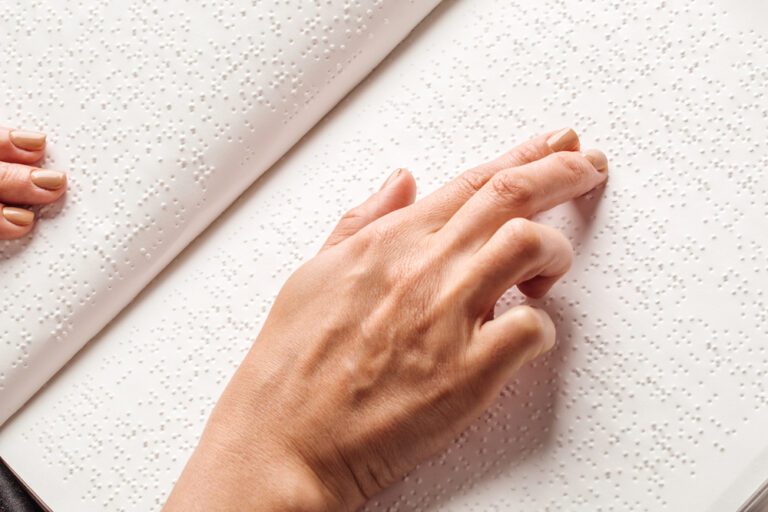
This health observance is about creating awareness about braille, a vital tool utilized as a medium of communication for people with partial or total blindness. Braille is a tactile system used by people with different disabilities to both read and write.
What is Braille?
This communication system is synonymous with people who have low vision, as well as those who are deaf-blind or blind. The braille system utilizes symbols and raised dots to enable reading and writing through touch. Braille’s writings can be read on embossed paper. It can also be read with the help of a refreshable braille which makes it possible to display braille writing on smartphones.
Braille Literacy Month, observed each January, was officially established in 2019 by the United Nations General Assembly. It is celebrated throughout the month with the main focus of educating the masses about braille literacy as well as the essence of braille.
The History Behind the Braille Writing System
The braille writing system was invented by a French man named Louis Braille. Louis Braille lost his vision as a result of injuries sustained in a car accident during his childhood.
(Shutterstock)
Prior to the introduction of the braille writing system, visually-impaired people used the Huay writing system. Unlike the Frenchman’s invention, the Huay system would only enable individuals to read. Whereas, the braille system enables both reading and writing. It is the technical shortcomings of the Huay system that inspired Louis to come up with an improved communication method.
Significance of World Braille Day
World Braille Day is integral in creating awareness about the importance of the reading and writing system among people with visual impairments. It is also a key reminder about the essence of the independence and accessibility of those with disabilities.
The modern world is gradually evolving concerning the needs of people with differing abilities. And, now, more and more public places — like hotels and restaurants — are embracing visually-impaired people by providing braille versions of common print materials, such as bills and menus. The lack of such materials can, of course, make it challenging for people with visual impairments to access services.
Lack of accessibility can also deny people with disabilities privacy, and rob them of the freedom of choice. As much as some public and private places are becoming more inclusive, additional steps can always be made to further accessibility. That is one of the main objectives that World Braille Day aims to accomplish.
The top New Year’s resolutions typically include efforts to exercise more, lose weight and save money, among other individualized goals. If you’re a parent of a child with disabilities, New Year’s may also be a good time to check in on family-centered goals and/or set resolutions for your family with special needs.
Here are Resolutions for Families with Special Needs
Grade your child’s IEP and/or 504.
Students with special needs often have an Individualized Education Program (IEP) and/or 504 plan to receive appropriate accommodations at school. Now that the school year is about midway, it’s time to grade your child’s plans. Is the previously-established plan meeting the needs of your child, or does the IEP/504 need to be tweaked? Aside from accessibility- and academic-specific accommodations, does the plan include safety protocols should an emergency, like an active shooter, occur during school hours?
Read a book together that promotes disability inclusion.
All parents need to advocate for their children at some point, but parents of children with disabilities likely have to advocate a bit more. Families with special needs seem to possess superpowers when it comes to change-making, right? Beyond your own life bubble, there is an opportunity to support your child’s disability community even further. One way to do so is to learn legislative policies within your specific state and engage in relevant advocacy efforts. The National Disability Rights Network may be a good place to start; or connect with local nonprofits spearheading volunteer advocacy efforts. So many disability and/or health nonprofit organizations lobby Congress to advance funding, policies, research and more.
(Shutterstock)
Organize your financial life.
People with disabilities encounter a wide range of added expenses, like medical visits/tests, medications, special insurance, etc. These expenses can weigh heavily on household finances and increase the risk of poverty, according to the National Disability Institute. Is it time to update financial needs for your family, such as disability insurance, long-term planning and other monetary considerations?
Grow together.
It can be easy to get stuck in a rut of the same activities, especially if routines are preferred by your child with autism or other special needs. Yet sometimes a new activity helps a family grow and develop together. For example, find a CPR training session, explore the Braille Institute’s online courses, connect with an ASL chat group, enroll in disability-friendly job training classes, find a disability-specific support group and so on.
Rally allies.
People with disabilities are actually the largest minority group in America and, thus, an identity that will likely affect all of us at some point in our lives. Perhaps that’s why, according to Dictionary.com, interest in ‘allyship’ in support of the disability community and other marginalized groups has risen. In fact, in 2021, Dictionary.com proclaimed ‘allyship’ to be the word of the year. Allyship is defined as “the status or role of a person who advocates and actively works for the inclusion of a marginalized or politicized group in all areas of society, not as a member of that group but in solidarity with its struggle and point of view and under its leadership.” So while progress is underway, the disability community needs more allies! You can help by sharing your disability-related knowledge with someone outside of the disability community.
(Shutterstock)
Make time for self-care.
Parents in general, and especially caregiving parents, are so accustomed to caring for their loved ones that, unfortunately, they let self-care slip away. It’s important to remember that prioritizing one’s self isn’t selfish; rather it’s essential. Sure, that’s much easier said than done but all caregivers need proper nutrition, physical activity, time for themselves and much more. Try not to let guilt impede your need for self-care and, when necessary, ask for support.
Exercise more together.
Listen, there’s a reason why exercise always seems to make the cut when it comes to New Year’s resolutions, and physical activity is especially important for people within the disability community. Statistics show that people with disabilities are less likely to be of healthy weight and more likely to be obese than people without disabilities. Data states that:
Children and adults with mobility limitations and intellectual or learning disabilities are at the greatest risk for obesity.
20% of children 10 through 17 years of age who have special health care needs are obese compared with 15% of children of the same ages without special health care needs.
The annual healthcare costs of obesity that are related to disability are estimated at approximately $44 billion.
So, yes, try (both individually and as a family with special needs) to move more.
What other New Year’s resolutions have you set as a family with special needs? Share with us on Facebook, Instagram and Twitter. Happy New Year!
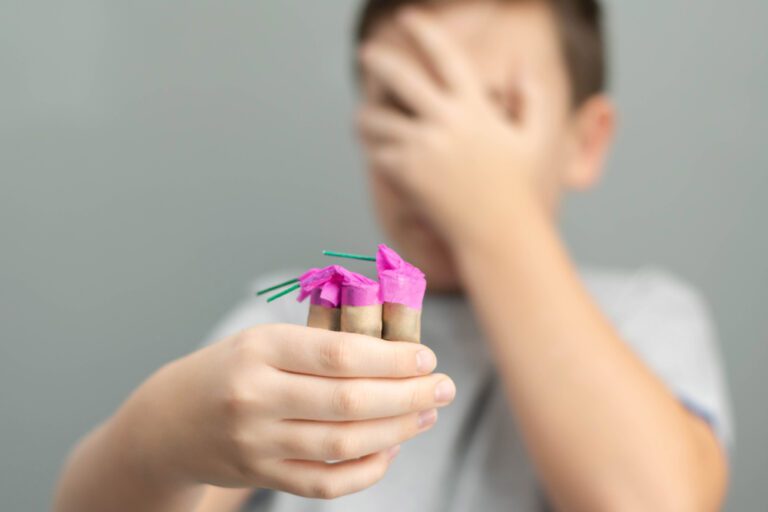
A longstanding annual tradition, fireworks are set off at the stroke of midnight to celebrate the coming of the New Year. Many people love the festive, colorful bursts but others — including some people with disabilities like autism, PTSD and sensory-processing disorder — dread the sights and sounds of firework displays ignited on New Year’s Eve. So plan ahead by considering these tips to prepare people with autism and other disabilities for fireworks.
How to Prepare People with Autism for Fireworks
Communicate the Change in Routine
Routines help to provide the framework for the day. And, for those who need to avoid overstimulation and/or minimize sensory experiences, routines allow one to lessen anxiety. For people with autism and other special needs, a change in routine can be especially troublesome. Plan to:
Start communicating the upcoming change a few days in advance. Discuss the schedule for the day, what will happen during the change (including details about the fireworks display) and what break options may be available.
Integrate a variety of communication methods, such as videos, pictures, stories, etc. of fireworks to help illustrate what is expected with New Year’s Eve fireworks.
Integrate Calming Elements
Because nature is calming for most, get some fresh air and outdoor time on New Year’s Eve well before fireworks are expected to go off.
If physical activity is also a go-to calming strategy, be sure to exercise on New Year’s Eve.
Also practice calming breathing exercises, positive self-talk, meditation and similar strategies beforehand.
(Shutterstock)
Minimize Overstimulation
You may not know if and when fireworks will go off in your neighborhood or close proximity, so plan to stay inside at home (if best) with a plan.
Whether you watch from a window or outdoors at an organized fireworks event, provide sunglasses to minimize stimulation from light.
Similarly, offer earplugs or noise-canceling headphones to lessen startling noises. Consider playing white noise to offset unfamiliar sounds.
Also incorporate comforting items, such as a weighted blanket, compression vest, a child’s lovie toy, favorite sensory-friendly clothing, etc.
Real-Time Reminders
While many that stay awake until midnight count down to the ball drop, know that additional cues may be beneficial for those with autism and other disabilities. Remind those with special needs of what’s to come and, if helpful, count down to specific transitions and/or changes (i.e. one minute until fireworks, 10 seconds until the crowd cheers when the ball drops).
Prompt your loved one with autism, PTSD or special needs to communicate if he/she/they needs a break during the stimulating activity.
Backup Plan at the Ready
Evaluate the exit plan prior to arrival. Should fireworks (or any activity) be too much to enjoy, will you be able to leave the area quickly and safely?
If attending a fireworks show isn’t enjoyable, do you have an alternate activity option to pivot to?
If needed, have prescribed anti-anxiety medication accessible.
(Shutterstock)
Safety Tips to Prepare People with Autism — and All Abilities
Aside from triggering people with autism, PTSD and sensory issues, fireworks can also be extremely dangerous for people of all abilities. In fact, the National Fire Protection Association reports that emergency rooms treat roughly 13,000 people for firework-related injuries each year, including burns on the hands, fingers, head, face, legs and eyes. These burns can range from mild to severe — and can be debilitating or life-threatening.
To avoid the risk of debilitating injury, note that:
It’s best to attend a professionally-run fireworks display hosted by trained, experienced personnel (rather than at-home use).
If you plan to ignite fireworks at home, be sure to use legal fireworks. Some fireworks are deemed illegal for personal use because of the serious risk of danger.
Light fireworks outdoors, ideally on a flat, concrete surface away from grass or flammable items. Choose a spot away from houses, cars, spectator areas, etc.
Note that flaming hot sparklers can cause injury to children with and without disabilities. Opt for safer alternatives for youngsters, such as glow sticks.
Read and follow directions noted on firework product labels.
Have a bucket of water handy to dispose of used fireworks.
Also have a fire extinguisher, first aid kit and cell phone (to call for help) at the ready in case of emergency.
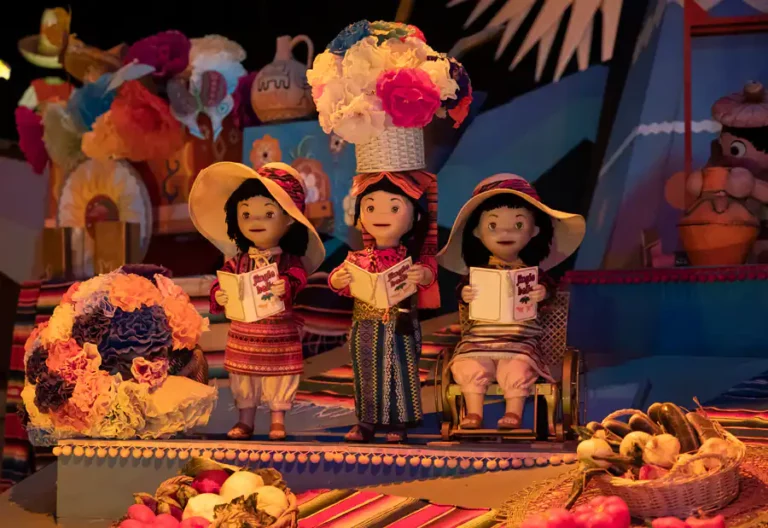
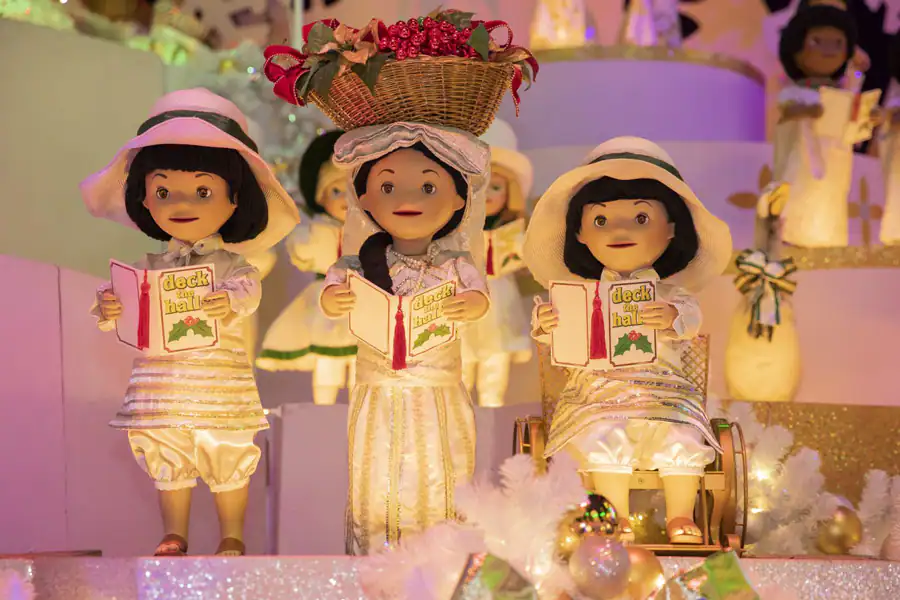
It took a quarter of a century… but one of Disney’s most iconic attractions, “It’s a Small World,” has finally made updates to embody disability representation.
On the cusp of the 25th anniversary of “It’s a Small World,” Disneyland Resort, located in Anaheim, California, added two new dolls in wheelchairs to further amplify inclusion on the ride which celebrates diversity among children from around the world.
“This is the first time someone like me is represented in an attraction at the Disneyland Resort,” said Accessibility Manager Erin Quintanilla, who also serves as co-chair of the ENABLED Business Employee Resource Group (BERG) that advocates for people with disabilities. “It’s a really big deal and this could not have happened without the amazing teams involved.”
(Walt Disney World)
During the design process, Quintanilla served as a consultant to ensure that the dolls authentically represented wheelchair users. According to a company source, Walt Disney Imagineering performs ongoing reviews to identify if and when modifications, including inclusion and diversity aspects, are needed.
“This addition builds on ‘It’s a Small World’s’ longstanding legacy of diverse representation,” added Kim Irvine, executive creative director, Walt Disney Imagineering.
And while it’s much overdue, it’s clearly a step in the right direction. Approximately 1-in-4 Americans have a disability, according to the CDC, so this inclusive design upgrade will undoubtedly connect with many of Walt Disney World’s fans and guests.
According to the communications team at Walt Disney World, dolls in wheelchairs are slated to be added to the “It’s a Small World” attraction at both Walt Disney World (in Orlando) and Disneyland Paris in the coming year.
Employers who hire individuals with autism (and other intellectual and developmental disabilities) may benefit from the unique skills and strengths that members of this community bring to the workforce.
Here are ten examples of why people with autism make great employees:
People with autism, just like other individuals with and without disabilities, want to work and are dedicated to doing a good job.
Those who have participated in vocational training programs have undergone extensive assessments and job training that have determined their skills and interests. Generally, these interests and skills match up with the job they are seeking.
They have dedicated teams of people supporting them who will provide them – and their employers – with any assistance that is required.
They are often extremely detail-oriented, a trait that can be a major asset in many jobs.
With appropriate on-the-job support, they can learn to do a variety of tasks.
They are genuinely interested in the people they work with and for. This can create a positive social climate in the workplace.
They usually will stay at one job for longer periods of time than the typical worker.
Hiring people with intellectual and developmental disabilities is an important part of creating a diverse workplace – one that respects and values individuals from all walks of life.
Successful work experiences help individuals with autism become more independent and better able to contribute to their communities. The unemployment rate of individuals with a disability is nearly 60% higher than the rate of individuals without a disability.
People with intellectual and developmental disabilities and their families are a significant part of our economy. They will be more likely to do business with companies that support diversity in their hiring practices.
“Improving employment opportunities for adults with intellectual and developmental disabilities (IDD) will result in a “win-win” situation,” says Margaret Walsh, M.A., BCBA, Clinical Director for the May Center for Adult Services. “It will benefit the business community by providing employers with access to a larger pool of capable, previously under-utilized employees. And it will benefit individuals with IDD by giving them an opportunity to use the skills they have mastered, earn a fair wage, and lead more independent and fulfilling lives.”
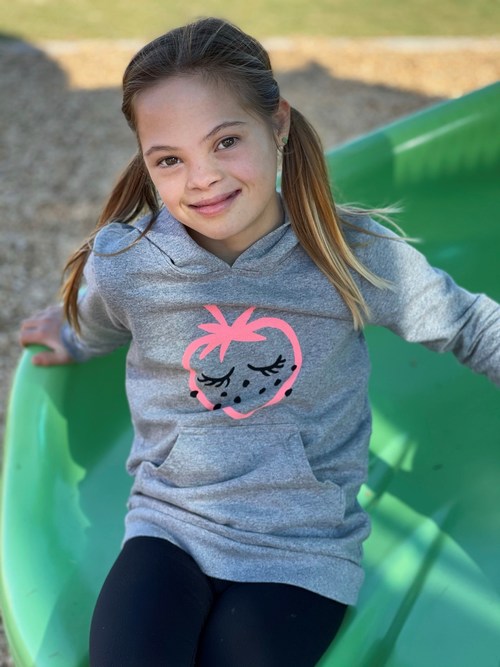
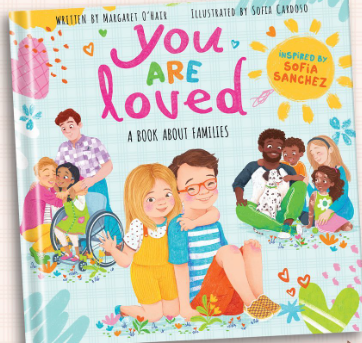
Scholastic Entertainment, the media division of the largest children’s book publisher, is partnering with television producer Gaumont to co-develop and co-produce Rocket Park, an animated preschool series. The new program is inspired by Sofia Sanchez, a 13-year-old Down syndrome self-advocate, actress, model and inspiration for two children’s books: You Are Enough and soon-to-be-released You Are Loved, both written by Margaret O’Hair, illustrated by Sofia Cardoso and published by Scholastic.
Consisting of 11-minute episodes and original music, the uplifting series will focus on four kids who work together to help their community and, in doing so, teach young viewers about the power of embracing and celebrating differences, accepting others and themselves, and loving friends and family for exactly who they are.
“I can’t wait to teach children how to be good helpers,” said Sanchez. “This is going to be so much fun!”
You Are Loved is the second book to be inspired by Sofia Sanchez.
Sanchez is unique, yet her message is universal: we all belong. You Are Enough, an inclusive and empowering picture book that includes a vast set of kid characters with all kinds of backgrounds, experiences and abilities, reminds readers how important it is to embrace differences, be confident and be proud of one’s self. The upcoming companion book, You Are Loved (to be published March 2023), introduces readers to all different types of families—from Sofia’s adopted family to blended families, those with two moms and two dads or single parents, mixed race families and kids raised by grandparents, guardians or older siblings—and shares the important message that families are more than the people you live with, but the people you choose, and who love you just the way you are.
Ever wondered how Santa Claus stays so jolly? We can chalk it up to simple science known as the “do good, feel phenomenon.” Research suggests that when someone does something good, a happiness high ensues. Apparently, all that gift-giving keeps Santa in a permanent state of merriment! With the spirit of generosity soaring higher than Santa’s sleigh, let’s collectively strive to match his “do good, feel good” mentality through philanthropic endeavors. For many disability nonprofits, donations and/or other support received during the holiday season impacts mission work delivered all year long.
AmeriDisability has spotlighted numerous nonprofits serving the disability community. And we’re pretty certain the following nonprofits will definitely make Santa’s “nice” list! Will you support these worthy organizations? Or do you intend to support another organization this year? Drop us a comment on this article or share with us on Facebook, Twitter and Instagram.
[FYI: Click on each nonprofit name below to read a related article by AmeriDisability and, then, click on the nonprofit website link to reach each organizations’ page.]
(Shutterstock)
Here’s a round-up of some disability nonprofits:
Adaptive Adventures: Providing progressive outdoor sports opportunities to improve the quality of life for individuals with physical disabilities and their families. adaptiveadventures.org
ALS Association: Driven by a mission to discover treatments and a cure for ALS; and to serve, advocate for and empower people affected by ALS to live their lives to the fullest. als.org
American Heart Association: Working to fund cardiovascular medical research, educate consumers on healthy living and foster appropriate cardiac care in an effort to reduce disability and deaths caused by cardiovascular disease and stroke. heart.org
American Parkinson’s Disease Association: Dedicated to fighting Parkinson’s disease and working tirelessly to help the approximately one million with PD in the United States live life to the fullest with this chronic, neurological disorder. apdaparkinson.org
arcBARKS: A dog treat company created by The Arc of Greensboro in response to an increasing need for post-high school options for people with intellectual and developmental disabilities. arcbarks.com
Autism Society: Working to connect people to autism-focused resources through education, advocacy, support, information and referral, and community programming. autismsociety.org
(Shutterstock)
Best Buddies International: Working to establish a global volunteer movement that creates opportunities for one-to-one friendships, integrated employment, leadership development and inclusive living for individuals with intellectual and developmental disabilities. bestbuddies.org
Bcenter: Dedicated to stroke survivors and their caregivers with a goal to provide treatment resources, hope and direction. bcenter.org
Braille Institute: Focused on embracing the challenges of sight loss in all its facets and rejecting its perceived limitations, with the belief that vision rehabilitation is a beginning, not an end. The Institute offers free programs and services to those with low vision to no vision. brailleinstitute.org
Free Wheelchair Mission: Because many people around the world who need a wheelchair don’t have access to them, this effort works to close the gap by providing inexpensive, unique wheelchairs. freewheelchairmission.org
(Shutterstock)
Gentle Carousel Miniature Therapy Horses: One of the largest equine therapy programs in the world, teams of tiny horses visit thousands of people each year inside hospitals, hospice programs, and with families, veterans and first responders who have experienced traumatic events. gentlecarouseltherapyhorses.com
Goodwill Industries, Inc.: A secondhand retailer offering a second hand of support by helping individuals, families and communities build brighter futures through the power of inclusive work and employment training. goodwill.org
Grow Hub: Cultivating, empowering and assisting adults with disabilities for sustainable living through education, training and job opportunities. grow-hub.org
interPLAY Orchestra: A nonprofit inclusive of amateur and professional musicians with (and without) mild to moderate cognitive and physical disabilities. interplayorchestra.org
Island Dolphin Care, Inc.: An organization seeking solutions for children and families with special needs, as well as veterans living with PTSD, by tapping into expressive dolphin-to-human interactions. islanddolphincare.org
Mental Health Association: An organization providing mental health services, support and information to the members of the community. mhacf.org
Muscular Dystrophy Association: Working to support people affected by muscular dystrophy, ALS and related neuromuscular diseases through innovations in science and care. mda.org
National Alopecia Areata Foundation: Serving the community of people affected by an autoimmune skin disease called alopecia areata, which results in hair loss and emotional pain. naaf.org
National Association of the Deaf: Working to ensure that the collective interests of the American deaf and hard-of-hearing community are seen and represented among our nation’s policymakers and opinion leaders at the federal level. nad.org
National Down Syndrome Society: Supporting and advocating for the Down syndrome community by focusing on three key areas of programming: Resources & Support, Policy & Advocacy and Community Engagement. ndss.org
National Multiple Sclerosis Society: Working to cure multiple sclerosis, while also empowering people affected by MS to live their best lives. nationalmssociety.org
(Shutterstock)
Ronald McDonald House Charities: Their programming allows families (with children with serious illnesses, including an array of disabilities) to stay together during periods of hospital stays, either at a Ronald McDonald House, which includes accessible amenities, or other accommodations like nearby hotels. rmhc.org
Smile Farms: Working to provide developmentally disabled adults with meaningful work opportunities at farms, urban gardens, greenhouses and farm stands, where they can grow and sell flowers, plants and produce in their local communities. smilefarms.org
Sickle Cell Disease Association of America: Advocating for people affected by sickle cell conditions and empowering community-based organizations to maximize the quality of life and raise public consciousness while advancing the search for a universal cure. sicklecelldisease.org
Solve M.E.: A catalyst for critical research into diagnostics, treatments and cures for myalgic encephalomyelitis/chronic fatigue syndrome (ME/CFS), Long Covid and other post-infection diseases. solvecfs.org
Surfers For Autism: A relationship-building organization providing free surf sessions and more for persons with autism and other related developmental delays and disabilities. surfersforautism.org
The Reveille Project: Striving to grant wellness-focused guidance to veterans with mood disorders and physical disabilities working to adapt socially, emotionally, physically and spiritually back into civilian life. thereveilleproject.org
UCP: An organization dedicated to unlocking the potential of children with and without disabilities through education, therapy services and programs. ucp.org
United Spinal Association: Dedicated to empowering people with spinal cord injuries and disorders (SCI/D), including veterans, to live successful and fulfilling lives. unitedspinal.org
U.S. Pain Foundation: Dedicated to serving those who live with conditions that cause chronic pain, as well as their caregivers and care providers. uspainfoundation.org
Yes She Can, Inc.: Helping teen girls and young women with autism spectrum disorders to develop transferable job skills to enable them to join the competitive workforce and achieve greater independence. yesshecaninc.org
‘Tis the season to be present and give presents. Happy holidays to all, and especially to our do good, feel gooders!
Please note: AmeriDisability is committed to celebrating the impactful efforts of nonprofits serving the disability community. The organizations featured in this article are just some examples of incredible change-makers. If you know of other disability-serving organizations that you think AmeriDisability should highlight in a future article, please contact us at info@ameridisability.com.
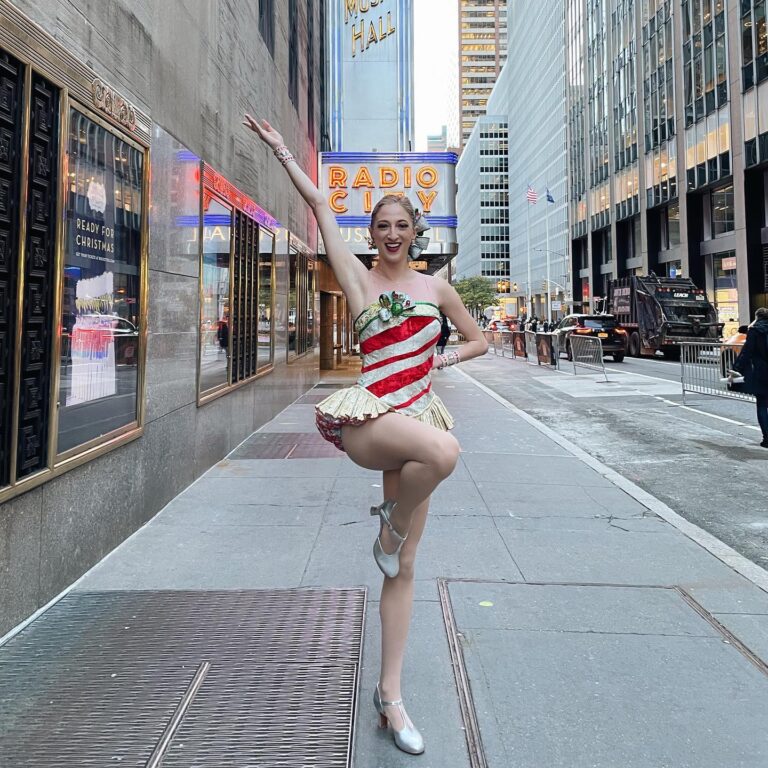
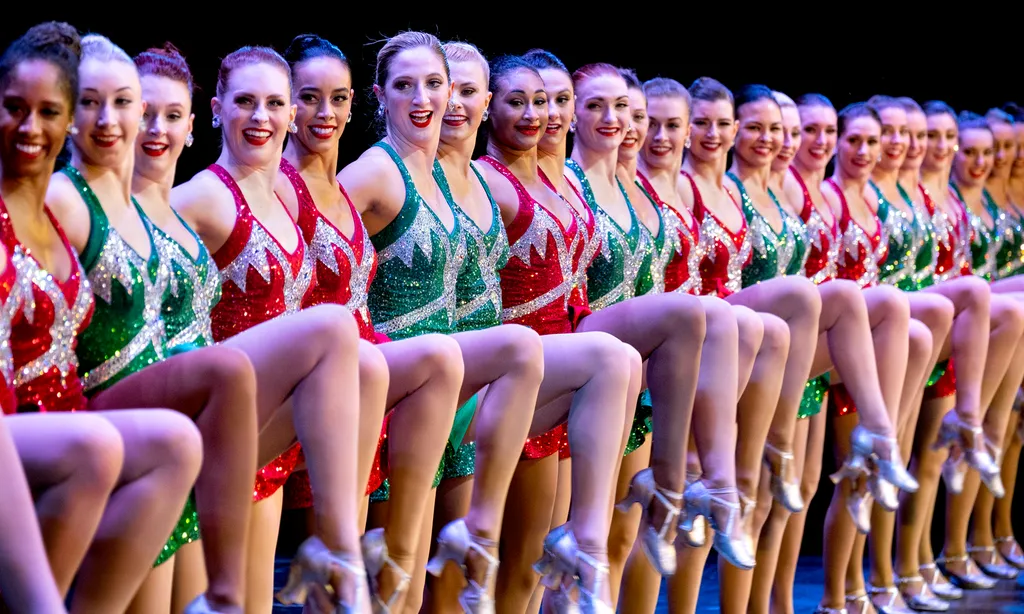
With perfectly timed danced routines, including an iconic kick line, the Radio City Rockettes are one of the most famous dance troupes in the world. From as early on as she can remember, Sydney Mesher dreamt of gracing the stage of Radio City Music Hall, home to the Radio City Rockettes. But the longstanding troupe, which began in the 1920s, had never had a dancer that looked like her – someone with a physical disability.
During a routine second-trimester ultrasound, Mesher’s parents, Lynn and Page Mesher of Portland, Oregon, learned that their child would be born without a left hand. The rare condition known as symbrachydactyly, which causes congenital hand differences, occurs in approximately 1-in-32,000 babies born each year, according to the Cleveland Clinic.
(@Rockettes)
Kicking Down Disability Barriers
Nonetheless, starting at a young age, Mesher displayed remarkable athletic ability; and her mother and father encouraged her to follow her dreams and, when necessary, kick down any and all disability-related misconceptions. As she entered her twenties, Mesher auditioned to be a Radio City Rockette. She didn’t make the cut with her initial attempt; but she continued to press on and train hard, even despite a career-jeopardizing broken foot.
Then, in 2019, merely two weeks after getting out of a rehabilitative walking boot, Mesher auditioned again for the Radio City Rockettes. And in the process of making her own dreams come true, she made history by becoming the first Radio City Rockette with a visible disability.
“I think that we just need representation in all sorts of ways, not only with limb differences but with diversity and a different range of disabilities,” shared Mesher, shortly after joining the New York City based troupe. “Everyone should be able to have a role model that they connect with.” Mesher, for example, looked up to Nicole Jamieson, a star basketball player who was also born with one hand. Mesher says their unique friendship helped to build her confidence.
(@Rockettes)
Performing as a Radio City Rockette
Like her fellow 80+ Radio City Rockette dancers, Mesher maintains a grueling schedule leading up to the busy annual production of The Radio City Christmas Spectacular. The troupe typically works on vigorous choreography for six hours a day, six days a week. Then, once the show opens, the Radio City Rockettes perform four shows daily!
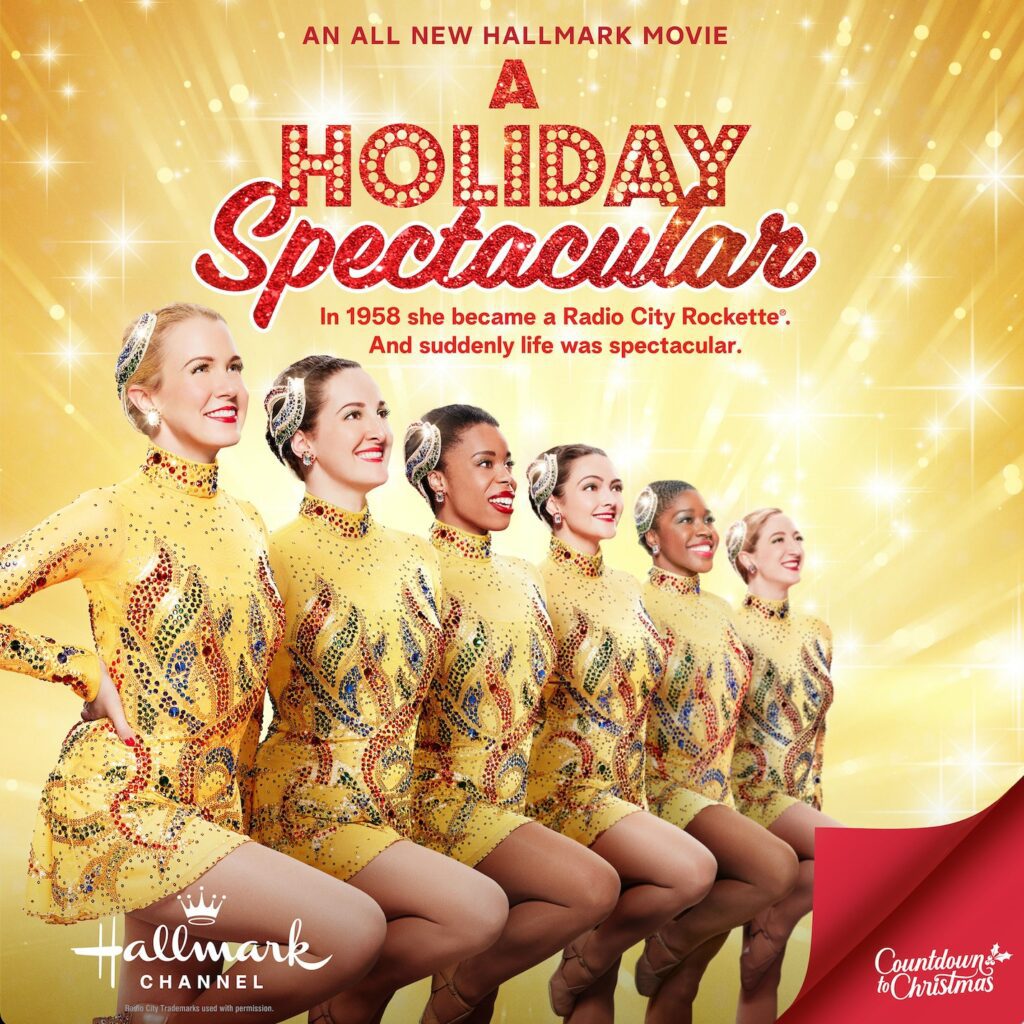
Now as a seasoned Radio City Rockette, Mesher is centrally positioned in the Radio City Christmas Spectacular kick line. And if you’re wondering what she does outside of the holiday season… well, she continues to dance while also working as a model and commercial actress. She’s helped brands, like Adidas and Olay Beauty, advance inclusive representation. Plus, during the last off-season, Mesher filmed “A Holiday Spectacular,” a movie that premiered on the Hallmark Channel in November 2022.
In 2023, Mesher will add ‘author’ to her already impressive resume with the release of her children’s book titled, “Dancing Through Life: The True Story of Sydney Mesher, a Professional Dancer with a Limb Difference.”
There’s still time to catch this year’s production of The Radio City Christmas Spectacular, which runs daily through January 2, 2023. Find tickets here.
(Mesher, pictured far right, appeared in “A Holiday Spectacular.” – Hallmark Channel)
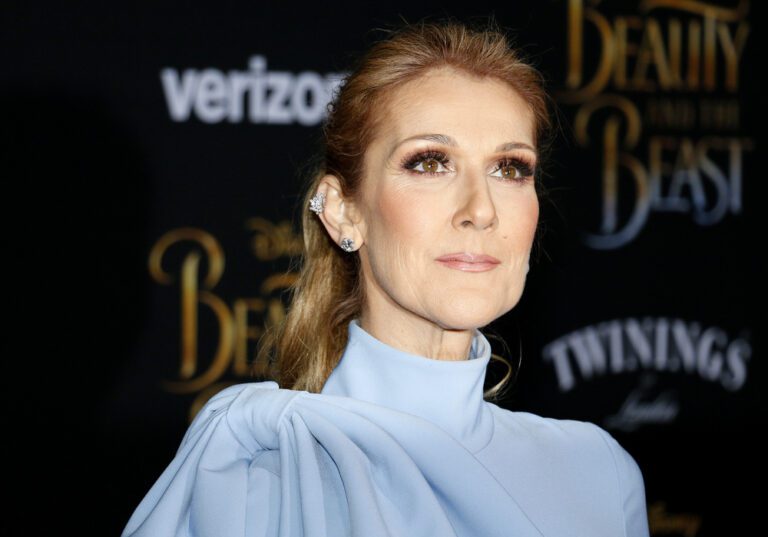
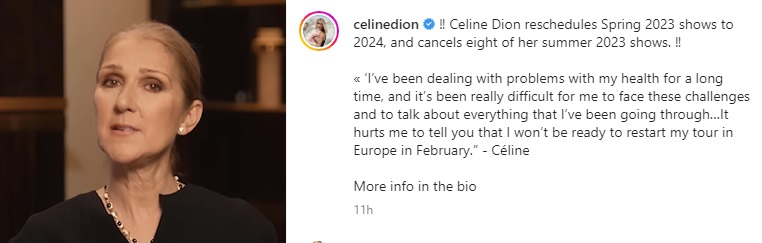
In an Instagram video posted in December 2022, Grammy-award winning vocalist Celine Dion struggled to fight back tears as she announced the cancellation of her touring schedule. She explained that her singing career must be halted as she navigates her recent diagnosis of Stiff Person Syndrome, a disabling condition impacting the central nervous system.
During the emotional clip, the 54-year-old entertainer explained that, while she hasn’t been vocal about her puzzling condition, she’s battled alarming health issues for a while. Now, with an accurate diagnosis, Dion has an explanation as to why she’s experiencing debilitating symptoms that significantly impact her ability to function as she normally would.
More about Stiff Person Syndrome
Stiff Person Syndrome, as defined by The Stiff Person Syndrome Research Foundation, is a neurological disease with autoimmune features. Symptoms of this very rare condition — which is estimated to affect roughly one or two in a million people — include muscle spasms, hyper-rigidity, debilitating pain and chronic anxiety. In some instances, muscle spasms can be so violent that they can dislocate joints and/or break bones.
The National Organization for Rare Disorders indicates that the medical community doesn’t have all the answers pertaining to Stiff Person Syndrome. In fact, it is considered by many researchers to be a spectrum of diseases, ranging from the involvement of just one area of the body to a widespread, rapidly progressive form that also includes the involvement of the brain stem and spinal cord. The Stiff Person Syndrome Research Foundation also notes that Stiff Person Syndrome is often mistaken as multiple sclerosis, Parkinson’s, fibromyalgia, psychosomatic illness, anxiety, phobia and other conditions. That’s why, in some cases, receiving a proper diagnosis takes years.
“While we’re still learning about this rare condition, we now know this is what’s been causing all of the spasms that I’ve been having,” she explained. “Unfortunately these spasms affect every aspect of my daily life, sometimes causing difficulties when I walk, and not allowing me to use my vocal cords to sing the way I’m used to.”
(Dion shared her personal news via Instagram.)
Will Dion Return to the Stage
Recognized for her powerhouse voice, Dion has a lengthy musical catalog of chart-topping ballads, like “Because You Loved Me,” “It’s All Coming Back To Me Now” and “The Power of Love.” She co-wrote her first song at the young age of 12, and signed on with her longtime music manager, René Angélil. The two would later marry and welcomed three sons. Angélil passed away from throat cancer in 2016.
“It hurts me to tell you that I won’t be ready to restart my tour in Europe in February [as intended],” Dion said, regarding the pause of all performances. Aside from eight shows being canceled from her summer 2023 run, concerts scheduled for spring 2023 will be postponed to 2024. Dion concluded her post with a heartfelt farewell: “I love you guys so much and I really hope I can see you again real soon. Thank you.”
Fans from around the world, including a plethora of entertainment industry giants, immediately took to social media to offer the Canadian-born singer well wishes. Yet, much remains uncertain about what’s to come. That’s because, at present time, there is no known cure for Stiff Person Syndrome. Typically physicians care for patients with Stiff Person Syndrome by addressing symptoms with medications, such as sedatives, muscle relaxants and steroids, according to Yale Medicine. Full details of Dion’s treatment were not released; although she did say she was “working hard” to restore her health.
Dion’s personal news just so happens to coincide with the 25th anniversary of her mega-hit, “My Heart Will Go On.” The song served as the main soundtrack for James Cameron’s blockbuster film Titanic. From the bottom of our hearts, we wish Dion calm waters as she navigates this health journey.
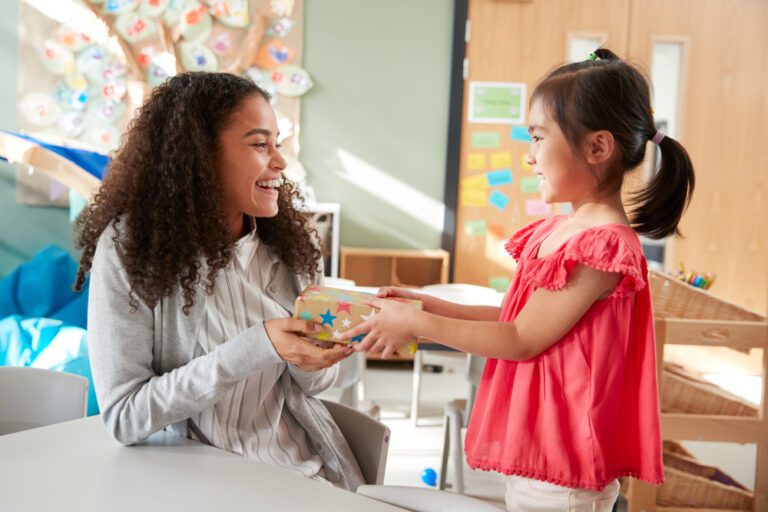
Children spend about six to seven hours per day at school. That’s a significant chunk of time dedicated to developing the young minds of students – with and without disabilities. Special education teachers undoubtedly go above and beyond their job description. That’s why choosing a teacher appreciation gift can feel challenging. Well, AmeriDisability can help! We’ve rounded up a list of holiday gifts for special education teachers. Plus, we’ve even drafted sample verbiage to include on the card. Pssst… just for a bit of grammar fun, our suggested messages are all about the pun. Because we all know that special education teachers deserve extra giggles and holiday cheer.
Disclosure: This article contains affiliate links. If you make a purchase through them, AmeriDisability may earn a small commission at no additional cost to you.
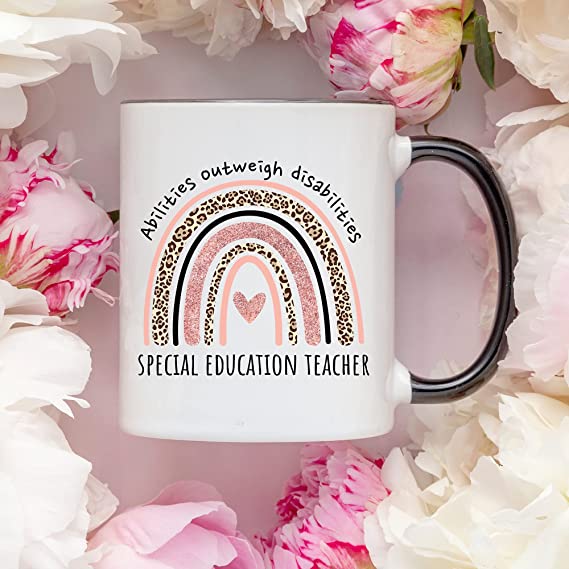
If you suspect that your child’s special education teacher is exhausted from preparing lesson plans, this coffee cup may be a useful gift. It features a strong message – stronger than espresso – that reads, ‘Abilities Outweigh Disabilities – Special Education Teacher.’ Pour on a sweet compliment with a note that reads: “Thank you for helping me realize my true potential.”
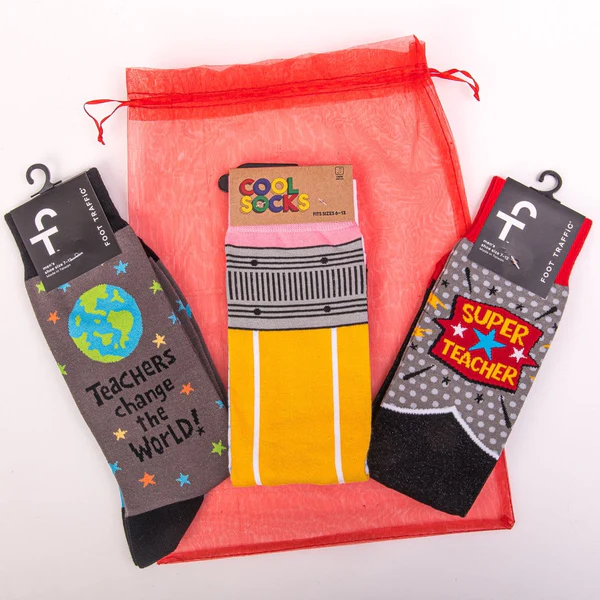
John’s Crazy Socks is an online retailer run by John Cronin, a creative entrepreneur with Down syndrome, and his father Mark. This sock-lovin’ duo, which leads an inclusive workforce, sells tons of fun footwear — with many of the themed socks benefitting disability causes, like autism spectrum disorder and cerebral palsy. Opt for the ‘Love My Teacher Gift Bag,’ which includes three pairs of socks. Add a heartfelt fashion statement to a card, such as: “Thanks for helping me get my footing in class this year. You’ve kicked my education up a notch.”
(John’s Crazy Socks)
Cash for Supply Stash
According to a survey by AdoptaClassroom.org, more than half of educators reported that one of the biggest challenges their students face this school year is not having access to basic learning materials. Teachers often close the gap themselves! The average teacher spends a whopping $820 out-of-pocket on their classrooms every year. And, because additional resources are incorporated into special education classrooms, teachers instructing students with disabilities most likely devote even more of their personal funds. A gift card to the website Fun & Function can help your child’s special education teacher purchase needed supplies. Plus, teachers looking to continue their own education may direct this gift card to enrollment into interactive courses.
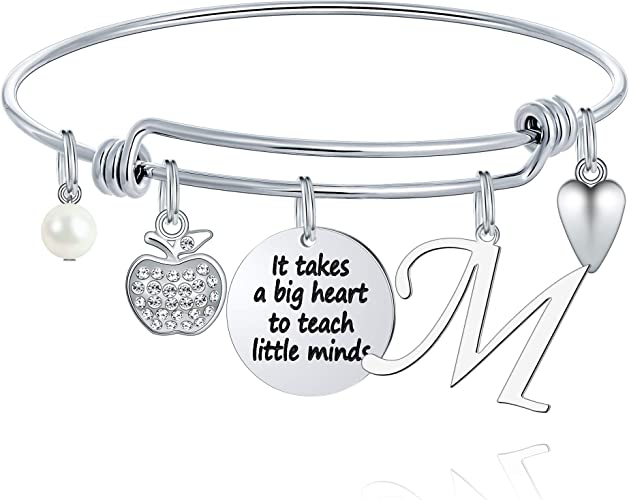
This bangle features five charms, including a central piece etched with the declaration: “It Takes a Big Heart to Teach Little Minds.” So true, right?! This silver bracelet also features a pearl, apple, heart and customizable initial. Perhaps add a card to state, “You’re a true gem! Happy holidays.”
A portion of the proceeds (20%) of the Good Day Bouquet sold by 1-800-Flowers benefits Smile Farms, an organization that provides developmentally disabled adults with meaningful employment opportunities. When Smile Farmers work on farms, urban gardens, greenhouses and farm stands, they are able to grow and sell flowers, plants and produce in their local communities. A note could read: “Your smile lights up our classroom.”
Special education teachers will likely be gifted plenty of cookies, chocolates and other sweet treats. As a nod to the tradition of gifting teachers apples, why not mix things up with a dried fruit basket? Plus, after the fruit snacks are nibbled up, the apple-shaped basket remains a keepsake. Personalize this gift with a note that reads: “The fruits of your labor are much appreciated.”
While peanut butter and jelly may be a school lunch staple, Texas Sweet Heat Jam Company really spices up jelly condiments. This mission-based company is dedicated to providing culinary training and competitively paid employment for adults with intellectual disabilities. Because special education teachers are a hot commodity, gift unique flavors like Strawberry Heat. A silly message could say, “Other educators will always be jelly of your teaching skills. You’re awesome sauce!”
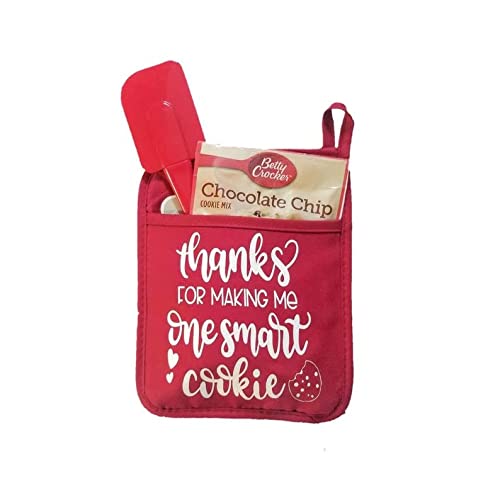
Encourage your student’s special education teacher to cook up some fun after the school bell rings. This baking gift set says it all with an embroidered potholder, spatula and chocolate chip cookie mix. A complimentary note can restate the sweet declaration: “Thanks for making me one smart cookie.”
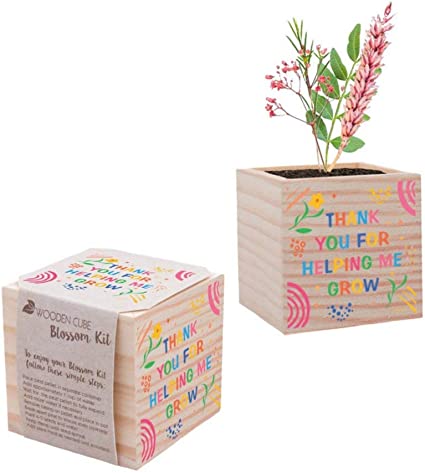
Rooted in kindness, this plant kit includes wildflower seeds. The cube vase is painted with the message, “Thank you for helping me grow.” A card could state, “Because of you, I am blossoming at school.”
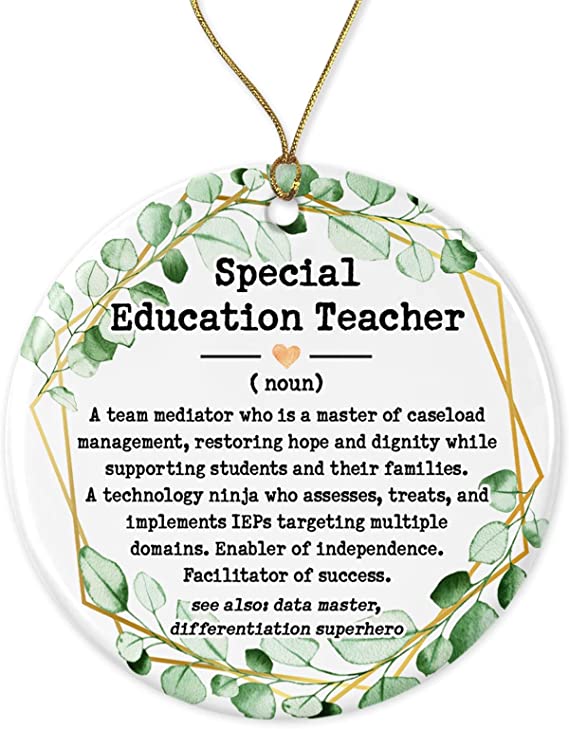
This ornament playfully describes what it means to be a special education teacher. These incredible professionals do so much… and mean so much. This flat, ceramic decoration is printed on both sides and includes a gold ribbon loop for hanging. Draft a complimentary message to read, “Your guidance means more to me than words could ever describe.”
(Amazon)
More Gift Ideas for Special Education Teachers
Bookmark – Find one-of-a-kind creations by Allie Guard, a designer with Down syndrome.
Leather Journal – This soft-covered book is a smooth gift for tough teachers.