Thursday, April 23, 2026
Html code here! Replace this with any non empty raw html code and that's it.
Home Blog Page 10

Down Syndrome Nonprofit Gifts Bundles of Joy to Parents  

0

Parents who are expecting or have recently welcomed a child are typically showered with congratulatory sentiments. That’s not always the case for those who have a child with disabilities, such as Down syndrome. Sometimes, people unintentionally say hurtful things; and other times, people don’t say anything at all. But all babies, with and without disabilities, deserve to be celebrated, says Brittany Schiavone, founder of Brittany’s Baskets of Hope. This nonprofit is committed to providing information, support, guidance and, as the name states, hope to families that are either expecting or have newly welcomed a baby with Down syndrome.

A Down Syndrome Nonprofit is Beautifully Born

When Sue and Rocco Schiavone welcomed their daughter, Brittany, back in 1989, physicians and loved ones alike muttered, “I’m sorry,” rather than gleefully shouting “congratulations.” That’s because Brittany was diagnosed at birth with Down syndrome; and, so, some believed that she wouldn’t (or couldn’t) lead a full life. But the Schiavones didn’t want or need sympathy or doubt. They wanted joy, and they needed supportive love — as did their new daughter and her older brother, Justin. So, as parents do for any baby, Sue and Rocco nurtured their little girl; and encouraged her to embrace the beauty of differences, be confident to pursuit of endless possibilities and, most of all, embody and exude happiness and kindness.

And that she did… throughout her childhood and still to this day! When Brittany entered adulthood, she realized her calling to promote these same powerful positive messages of inclusivity to other families like hers.

Brittany visits a family to deliver one of Brittany's Baskets of Hope
(Brittany visits a family to deliver one of Brittany’s Baskets of Hope. | Brittany’s Baskets of Hope)

“In 2014, when I was 25, I saw a video on a break at work about people helping babies with Down syndrome. I told my parents I wanted to do that too,” Brittany tells AmeriDisability. Sue admits that they didn’t take her too seriously at first. After all, establishing and operating a nonprofit organization is a tall task. But Brittany remained persistent, eventually kickstarting operations from the basement of the Schiavone home.

In October 2016, Brittany’s Baskets of Hope sent out its first basket to parents of a newborn diagnosed with Down syndrome. To date, this Long Island based nonprofit has sent more than 2,100 baskets to families in all 50 states (and Puerto Rico)! With nationwide demand, most baskets are shipped throughout the country but, when possible, Brittany and Sue hand-deliver the special care packages to local families in the New York area.

“That’s my favorite part — when I get to talk to the moms and hold the babies. I think the babies know that I have Down syndrome and look up to me,” Brittany shares.

About 5,100 babies with Down syndrome are born in the U.S. each year, making it the most common chromosomal condition. People with Down syndrome have an extra chromosome which, according to the National Down Syndrome Society, can cause intellectual developmental disabilities, as well as low muscle tone, small stature, an upward slant to the eyes and other differing characteristics.

Brittany's Baskets of Hope is a Down syndrome nonprofit supporting expectant and newbie parents with resources.
(Donations help to create baskets full of assorted gifts and resources. | Brittany’s Baskets of Hope)

Presenting Bundles of Joy

Brittany’s Baskets of Hope contain assorted gifts for the baby, as well as the siblings, and resources for the parents. “We have knitters and crocheters from all over the U.S. who donate their handmade blankets, booties and hats for our babies,” Brittany describes. “We have a signature onesie that says ‘Down Right Perfect,’ and handmade bibs, burp cloths and other items for the babies.” Plus, parents receive a book, meaningful poem and heartfelt message from Brittney and Sue.

Brittany’s Baskets of Hope aligns with other Down syndrome related organizations across the nation to connect with families. Parents and/or loved ones may fill out a basket request form online at BrittanysBasketsOfHope.org.

“When we began in 2016, most of the requests were from a birth diagnosis but, lately, most [requests] have been from a prenatal diagnosis due to the blood tests that are standard now and can tell the sex of the baby as well as any chromosomal differences,” Sue says.

Brittany’s Baskets of Hope is almost entirely funded by generous donations. However, a couple of years ago, the nonprofit identified a unique fundraising opportunity. “We started printing our annual Brittany’s Baskets of Hope calendar in 2021 because we thought the babies were so cute. We wanted to share them even more. Parents love the calendars, and it has become a hit every year,” says Brittany, now 34. In addition to the financial revenue generated by the successful calendar campaign, Brittany’s Baskets of Hope also dabbles in the sale of inspirational t-shirts and sweatshirts, especially during National Down Syndrome Acceptance Month (October).

Brittany Schiavone sits at her desk
Decorated with blue and yellow, colors that represent Down syndrome awareness, Brittany works in her office which was renovated by NBC’s “George to the Rescue.”

Down Syndrome Nonprofit Founder is Hopeful

Because of the importance of the mission, Brittany’s work has been praised by many. In 2019, she was chosen as the L’Oréal Paris Women of Worth National Honoree and, in 2021, Brittany’s Baskets of Hope was honored with a headquarters renovation. As featured on NBC’s “George to the Rescue,” the Schiavone’s humble basement office was transformed into an official, organized nonprofit administration and fulfillment facility. Additionally, beyond their own nonprofit, Brittany and her family members are dedicated disability advocates, contributing to the efforts of other Down syndrome agencies.

“I have a great life and I want everyone to know it! I always say, ‘people with Down syndrome can do anything. Really, really everything,” Brittany attests. And she’s living proof of that!

To learn more about Brittany’s Baskets of Hope, including their wish list of baby items, visit BrittanysBasketsOfHope.org

Want more content like this? Read:

Myrtle Beach is an Autism- and Sensory-Friendly Destination

0

Myrtle Beach (and the communities along its 60 miles of coastline in South Carolina) are committed to creating an autism- and sensory-friendly destination, according to Visit Myrtle Beach. Since 2016, Myrtle Beach has strived to provide a safe, accessible and welcoming locale for all, specifically with a sensory-friendly pledge as well numerous initiatives to promote and foster inclusivity throughout the region.

“We believe that everyone belongs at The Beach, and our top priority at Myrtle Beach is to provide an inclusive destination for visitors of all abilities,” said Karen Riordan, President and CEO of Visit Myrtle Beach. “Families with children diagnosed with autism often feel vacations are out of their reach — and we want to change that. At Visit Myrtle Beach, we believe in the restorative and life-altering power of travel and continue to further our efforts to provide greater support and access to memorable vacation experiences for all.”

child hand, with 'have autism' on bracelet
(Shutterstock)

Highlights of autism- and sensory-friendly destination services and programs:

  • In conjunction with the Champion Autism Network and and TravelAbility, Visit Myrtle Beach launched The Beach is for everyBODY: Sensory-Friendly Pledge in 2022. To date, more than 150 businesses along the Grand Strand have pledged their support or received CAN certification. Participating organizations are committed to welcoming guests with autism and other neurodiverse disabilities through tangible and meaningful actions designed to support residents and visitors.
  • Myrtle Beach International Airport launched its participation in the Hidden Disabilities Sunflower Program. The program provides a discreet way for travelers with an ‘invisibe’ disabilities, such as autism, to self-identify, alerting airport personnel that they may require additional assistance or patience throughout their travel journey. Individuals wishing to utilize the program can request a sunflower lanyard at one of the two information booths in the terminal (pre-security at baggage claim and post-security near Nacho Hippo and Gate A2). The airport also offers a “Quiet Room” in the baggage claim area to give families a space to decompress before or after a flight.
  • The Autism Travel Card offered by CAN (formerly the CAN Card) is a simple way for guests to identify their family as one that includes an autistic person, without needing to say a word. Participating restaurants, hotels and venues have been trained in the needs of individuals with autism and their families and to provide a special or expedited service. Autism Travel Cards are available online at for a nominal membership fee and offer several benefits including services and discounts with participating businesses.
    • Participating hotels, including the 15 properties of Vacation Myrtle Beach and many others, help create a safe and sensory-friendly experience for children with autism and their families, including room placements, removing potentially dangerous or trigger items from rooms, coordinating unique experiences and more.
    • Wait staff at participating restaurants are trained to seat guests in a quiet space, expedite meals and check outs as needed, and handle potential sensory-overload situations with understanding and compassion.
    • Myrtle Beach attractions offer services such as trained staff, special programming and discounts to families that present the Autism Travel Card. Examples of the available experiences include SkyWheel Myrtle Beach where families receive expedited attraction access along with discounted tickets and Ripley’s Aquarium of Myrtle Beach where noise-cancelling headphones and special pricing are available.
Autism puzzle paper airplane flying in sky
(Shutterstock)
  • Through Project LifesaverMyrtle Beach area police and tourism professionals are trained to administer a GPS tracking band program for children who are prone to wandering off or are at risk of becoming lost. Those wearing the band, whether on the wrist or ankle, can be quickly located by search teams and returned to families/caregivers.
  • Visit Myrtle Beach recently released a new children’s book, titled Splish, Splash, Squawk! Finding Joy in a Sensory-Friendly Vacation. In partnership with author and illustrator, Lynda Farrington Wilson, the book helps to encourage families with children on the autism spectrum to vacation together through a fictional story that helps readers discover the joy and wonder in a family vacation, despite the overlooked challenges of acclimating to new environment, and experiences.

For more information on Myrtle Beach’s autism-friendly offerings and accessible trip planning resources, visit VisitMyrtleBeach.com/Autism-Friendly-Vacations.

Interested in additional articles with similar content? Read: 

Limited-Time Amazon Offer: Download FREE Disability E-Book!  

Approximately 10 percent of Amazon’s worldwide revenue comes from book sales, according to statistics reported by WordsRated.com. That equates to a whopping $28 billion! Many bookworms purchase hardcopies, paperbacks, audiobooks and Kindle books from the popular e-commerce giant. But, now for a limited time only, Amazon is offering readers one free Kindle book from a list of ten diverse titles, including a disability e-book.

This freebie offer is part of Amazon Publishing World Book Day, an international literacy holiday. Since 2018, Amazon has celebrated this observance and encouraged its customers to read more by offering an e-book download at no cost. In the past four years, Amazon has given away over 5.5 million free Kindle books to more than 1.2 million unique readers in at least 190 countries and territories, as part of its ongoing effort to promote diversity in storytelling and connect people through reading despite differences in language, country or culture (including disability culture).

disability e-book titled Piece By Piece
(Amazon)

Download this Disability E-Book & More

For the 2023 celebration, Amazon Publishing World Book Day is offering ten titles comprised of books from around the world. Among the titles is Piece by Piece: How I Built My Life by David Aguilar and his father Ferran Aguilar. Published by Amazon Crossing Kids in October 2022, Piece by Piece is a memoir – equal parts heartwarming and humorous – about David, who uniquely self-advocated for himself in more ways than one. More specifically, this creative youngster built himself a prosthetic arm out of LEGO bricks. And, yes, it actually works!

David was born with Poland Syndrome, a congenital condition that caused his right forearm to be underdeveloped. It didn’t take long for David to prove himself as an innovative problem-solver. At just nine years old, he built himself his first prosthesis from LEGO bricks. David continued to finesse his functional design, as well as built more, equally impressive LEGO masterpieces. Earlier this year, David, whose from Andorra, was inducted into the Guinness World Records Hall of Fame for building the world’s first functional LEGO prosthetic arm. He’s often referred to as a real-life Tony Stark.

In the memoir, David not only writes about his unique journey, but shares his commitment to building a meaningful life and a better world – “piece by piece.” Now that’s valuable motivation at its finest – and it can be read for free thanks to Amazon Publishing World Book Day! This limited-time offer is only valid through April 30, 2023. So hurry! To review the terms and conditions, click here.

David Aguilar: Creator of World’s First Functional LEGO® Prosthetic Arm
(David Aguilar: Creator of World’s First Functional LEGO® Prosthetic Arm | Guinness World Records)

Here is the complete list of the ten e-book choices:

  1. The Last Rose of Shanghai (China | Lake Union)
  2. All the Lies They Did Not Tell (Italy | Crossing)
  3. Say Her Name (United Kingdom | Thomas & Mercer)
  4. Small Deaths (India | Crossing)
  5. War and Me (Iraq | Crossing)
  6. Such a Beautiful Thing to Behold (Nigeria | Little A)
  7. Broken Summer (Korea | Crossing)
  8. West Side Love Story (United States | Montlake)
  9. Piece by Piece (Andorra | Crossing Kids)
  10. Where Waters Meet (China | Crossing)

FYI, World Book Day has the hashtag of #ReadTheWorld, in case you want to share this offer on your social media feed in an effort to promote literacy and disability inclusion.

For more content like this, read: 

Mattel Brings Barbie Doll with Down Syndrome to Toy Aisle

0

The toy aisle just got more inclusive! That’s because Mattel, Inc. added a brand new Barbie with Down syndrome to its diverse, ever-growing collection. The toymaker announced that it created the new doll with the disability in hopes that even more children could connect with the Barbie brand. The Barbie doll with Down syndrome, Mattel says, is meant to inspire all children — with and without disabilities — to tell more stories through play.

“As the most diverse doll line on the market, Barbie plays an important role in a child’s early experiences, and we are dedicated to doing our part to counter social stigma through play,” said Lisa McKnight, Executive Vice President and Global Head of Barbie & Dolls, Mattel. “Our goal is to enable all children to see themselves in Barbie, while also encouraging children to play with dolls who do not look like themselves. Doll play outside of a child’s own lived experience can teach understanding and build a greater sense of empathy, leading to a more accepting world. We are proud to introduce a Barbie doll with Down syndrome to better reflect the world around us and further our commitment to celebrating inclusion through play.”

Creating Mattel’s Barbie Doll with Down Syndrome

To ensure that the Barbie doll accurately represents a person who has Down syndrome, Mattel collaborated with the National Down Syndrome Society (NDSS). As a human rights nonprofit, the NDSS empowers individuals with Down syndrome and their loved ones by providing resources, driving policy change and engaging with local communities. During the design process, NDSS provided essential guidance to establish the doll’s sculpt, clothing, accessories and packaging.

The Barbie doll collection is expanding its inclusion and diversity efforts with new dolls.
(Mattel)

“It was an honor working with Barbie on the Barbie doll with Down syndrome,” said Kandi Pickard, NDSS President and CEO. “This means so much for our community who, for the first time, can play with a Barbie doll that looks like them. This Barbie serves as a reminder that we should never underestimate the power of representation. It is a huge step forward for inclusion and a moment that we are celebrating.”

According to Mattel, decisions during the creation phase were purposeful and well-intentioned. For example:

  • In regard to the sculpt: This doll introduces a new face and body sculpt to be more illustrative of women with Down syndrome, including a shorter frame and a longer torso. The face sculpt features a rounder shape, smaller ears and a flat nasal bridge, while the eyes are slightly slanted in an almond shape. The doll’s palms even include a single line, a characteristic often associated with those with Down syndrome.
  • In regard to the fashion & accessories: The doll’s puff-sleeved dress pattern features butterflies and yellow and blue colors, which are symbols and hues associated with Down syndrome awareness and support. The doll’s pink pendant necklace with three upward chevrons represents the three copies of the 21st chromosome, which is the genetic material that causes the characteristics associated with Down syndrome. The three chevrons, or arrows, are a symbol that unites the Down syndrome community and are meant to represent “the lucky few” who have someone with Down syndrome in their life.
  • In regard to orthotics: The Barbie doll with Down syndrome also wears pink ankle foot orthotics (AFOs) to match her outfit and her sneakers tout an adaptive zipper detail. Some children with Down syndrome use orthotics to support their feet and ankles. NDSS supplied a box of orthotics to serve as real-life inspiration for the toy version.
Collection of 2022 Barbie Fashion Dolls, which features disabilities and diversity
(source: Barbie via Instagram)

Why this Barbie Doll with Down Syndrome Matters

Children’s early experiences help shape their thoughts and perceptions – and Mattel believes that the Barbie doll collection can play an important role in this process. The company explains that when a child plays with a Barbie, they play out their dreams and, perhaps, imagine they can be anything. Doll play has an incredible purpose during key developmental stages as it may help set children on a course for success by allowing them to develop empathy – fueling social skills needed to excel as they imagine their futures with an equal playing field, according to analysis by Cardiff University. Thus, the Barbie doll with Down syndrome allows more children to see themselves in Barbie as well as the world around them, which can help foster a sense of inclusivity.

Barbie is the most inclusive doll line on the market, says Mattel. The collection includes over 175 looks offering a variety of eye colors, hair colors and textures, body types, disabilities and fashions to tell more stories. Barbie has introduced a doll with vitiligo, hearing aids, a wheelchair-user and other differences. Now, Barbie is continuing to represent global belonging and inclusivity with the full 2023 Fashionistas lineup, which also includes new dolls in a variety of body types including a Barbie doll wearing braces and a Ken doll with a prosthetic leg.

The Barbie doll with Down syndrome will retail, in stores this Summer and Fall 2023, for $10.99. And it’s impact, especially for children with disabilities, could be priceless!

For more content like this, please read: 

A Dozen Pet-Safe Mother’s Day Flowers for People with Service Dogs or Companion Animals

0

Mother’s Day spending is expected to exceed $30 billion, according to an annual survey conducted by the National Retail Federation. Aside from greeting cards, flowers top Mother’s Day purchases, followed by special outings (i.e. brunch), jewelry, gift cards and electronics.

It’s usually okay to embrace an “it’s the thought that counts” attitude but, since not all flowers are safe for pets, it’s important to be especially mindful when gifting floral arrangements on Mother’s Day to those who have a service dog, companion animal or a pet in general.

Here are a dozen pet-safe flowers (listed in alphabetical order) to include in Mother’s Day floral bouquets, according to the ASPCA Animal Poison Control Center.

  1. Freesias
  2. Gerber Daisies
  3. Limonium
  4. Lisianthus
  5. Madagascar Jasmine
  6. Orchids
  7. Roses
  8. Snapdragons
  9. Statice
  10. Stock
  11. Sunflowers
  12. Waxflower
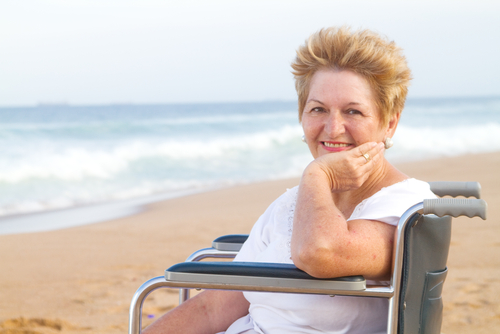
senior woman, seated in wheelchair, holding daisy flower bouquet
credit: Shutterstock

The ASPCA cautions that while these plants are considered to be pet-safe, ingestion of anything outside of a pet’s normal diet (including flowers) may cause mild stomach upset. Keep floral bouquets out of your pet’s reach. For a detailed list of toxic and non-toxic plants, please review this list. If your animal ingests a toxic plant or harmful substance, contact your veterinarian and the ASPCA Animal Poison Control Center at (888) 426-4435.

Note: With the number of COVID-19 cases down, many are amping up celebrations (including Mother’s Day) to make up for missed opportunities during pandemic lockdown. But, because people with certain disabilities, chronic conditions and compromised immune systems remain at greater risk of severe COVID illness or death, do keep health safety a priority.

Looking for similar content? Check out these articles:

(AmeriDisability originally published this article on April 21, 2022.)

What is Autism Masking?

0

Autism spectrum disorder (ASD) is the fastest-growing developmental disability in the U.S., with 1-in-36 children receiving a diagnosis, according to a newly released report. ASD refers to a broad range of conditions characterized by challenges with social skills, repetitive behaviors, and speech and nonverbal communication. There are a wide range of ASD signs and symptoms (thus a “spectrum”). Unfortunately, some autistics feel compelled to hide their condition by controlling behaviors. This type of concealment is called autism masking.

Autism Masking 101

Autism masking is most often attempted by individuals with ASD who feel pressured to “fit in” to the neurotypical stereotype. This can occur when a neurodivergent person recognizes that something of importance may hinge on another’s perception of him/her/them. Autism masking can be motivated by many reasons; for example, to curb bullying, forge romantic connections, maintain friendships, boost career opportunities, avoid being stigmatized, etc.

“Masking is a strategy that autistic individuals may use to navigate social situations. They might feel they are required to suppress their characteristics and mannerisms in an attempt to blend in with everyone else,” Christopher Banks, President and CEO of Autism Society of America, tells AmeriDisability. “They understand that, in our society, revealing their genuine selves can result in challenges in building and sustaining relationships, as well as the possibility of being rejected.”

Women may be more likely to try this camouflaging tactic because, according to an Autism Society communications representative, “autistic girls and women tend to be more aware of their social environment which can lead to feelings of insecurity.”

woman biting lip, as she considers autism masking
(Shutterstock)

Those who attempt autism masking may feel as though it helps in certain (or all) situations, however suppressing oneself just is not a healthy or sustainable strategy. Autism masking is loosely summarized by three stages: (1) the motivation to mask, (2) the actions of concealing and (3) the consequences of autism masking. Banks explains that autism masking involves an “internal experience that can be vastly different from an individual’s external presentation.”

Autism Masking is About Hiding One’s Behaviors

Autism masking varies, but a person may try the following (and other) actions:

  • force eye contact
  • imitate facial expressions and/or mimic gestures
  • rehearse responses or script conversations
  • unnecessarily tolerate sensory overload
  • disguise stimming movements

While autism masking may be believed to serve as a protective shield by some implementers, it hinders the ability of others to genuinely know the autistic person for who they really are. This can lead to isolation, profound loneliness and even an increased risk of suicide in some cases, Banks says. In fact, research studies have indeed tracked the harmful consequences of autism masking, such as stress and anxiety, depression, exhaustion, delayed and/or misdiagnoses, loss of identity and self-harm.

“It’s worth noting that masking is not exclusive to individuals on the autism spectrum. Neurotypical individuals also use masking as a coping mechanism to navigate social situations,” Kristyn Roth, Chief Marketing Officer for Autism Society of America, tells AmeriDisability.

photo collage of autistic people
(During Autism Acceptance Month, the Autism Society unveiled a new collection of portraits of autistic people; photo credit: Autism Society of America

Snapshot of Diversity

Earlier this year, the Autism Society of America hosted a community photoshoot to visually capture and illustrate the diverse needs, emotions and experiences of autistic people. The purpose of these mindful images is to highlight the importance and beauty of individuality, diversity and inclusion.

Hiding who you are, because of a disability or otherwise, is physically and emotionally draining. And for many people with ASD, that uncomfortable experience can be a daily reality – but it does not have to be. Autism pride and/or disability pride, especially with the support of disability allies, is key! All people, including those with neurodiversity, need to be accepted and respected — by themselves and our society in general.

Want more content like this? Read:

New Beer Honors Two Adaptive Boston Marathoners

0

Research suggests that beer is actually a decent post-exercise recovery drink, according to a study published in the International Journal of Sports Nutrition and Exercise Metabolism. In no way are scientists suggesting athletes rehydrate with beer over water or sports fluids; however, beer does contain a small amount of carbohydrates and electrolytes which can be helpful. Maybe that’s why breweries are tapping into the racing community! In honor of the Boston Marathon, for instance, Start Line Brewing Company just released a new brew called Team Hoyt Marathoner IPA. Pleasing the palates of Boston marathoners and all beer drinkers, Team Hoyt Marathoner IPA was created in honor of Dick Hoyt, an iconic marathoner who famously pushed his wheelchair-using son, Rick, in the Boston Marathon year after year.

The 127th Boston Marathon will take place on Monday, April 17, 2023, with nearly 30,000 athletes, including adaptive athletes, from more than 100 countries. The beloved father-son duo, known as Team Hoyt, tackled the Boston Marathon a whooping 32 times! So it’s no surprise that Start Line Brewing Company, based in nearby Hopkinton, wanted to raise a glass to toast Dick who, sadly, passed away in 2021 at the age of 80.

Historic Boston Marathoners

Rick was born with cerebral palsy which, according to the Center for Disease Control and Prevention (CDC), is a group of disorders that affect a person’s ability to move and maintain balance and posture. Celebral palsy is caused by abnormal brain development or damage to the developing brain that affects a person’s ability to control his/her/their muscles. People with cerebral palsy often experience stiff muscles and exaggerated reflexes (spasticity), among other differences related to movement/coordination, speech/eating and development.

Dick and Rick Hoyt compete in 2012 Boston Marathon
(credit: Wikipedia)

Upon Rick’s diagnosis at birth, Dick and his wife, Judy, were advised to institutionalize their son. Instead, the couple sought appropriate support services and helped Rick excel in the public school system. That decision, of course, shaped all their lives in many ways. One day, in support of a classmate who had become paralyzed, Rick asked his father to push his wheelchair in a benefit race. Like never before, Rick felt invigorated during the fast-paced event and, so, Dick dedicated himself to running – going the distance time and time again – to bring joy to his son (and, eventually, crowds of fans).

Team Hoyt began in 1977 and, according to race records, this dynamite duo competed in 1,130 endurance events, including 72 marathons and six Ironman Triathlons! Since the Hoyts hail from Holland, Massachusetts, just an hour drive from Boston, New England’s iconic 26.2-mile course become their go-to race. The 2014 Boston Marathon was Team Hoyt’s final endurance competition together; though, Rick continued to race with a new partner, Massachusetts-native Bryan Lyons, from 2015 through 2019.

Team Hoyt has been celebrated numerous times. The pair was honored with a bronze statue situated near the Boston Marathon’s start line, inducted into the Ironman Hall of Fame and even received ESPN’s Jimmy V Perseverance Award. Now, Start Line Brewing Company is pouring out more accolades. Every year, Start Line Brewing Company recognizes a person or theme that embodies the spirit of marathoning. Brewery owner Ted Twinney shared that the decision to cheers Team Hoyt just made sense.

Hoyt family members help package Team Hoyt Marathoner IPA at Start Line Brewing Company
(credit: Start Line Brewing Company)

Toast of the Town

In March, Rick and other family members were on site at the brewery to package a fresh batch of Team Hoyt Marathoner IPA (6% alcohol), which is a New England-style hazy IPA with a twist. The beer can design features silhouettes of Boston marathoners, including Dick and Rick. The packaging also includes information about the upcoming Dick Hoyt Memorial – Yes You Can Run Together race, set for May 27, 2023. A portion of proceeds from Team Hoyt Marathoner IPA will benefit the 26.2 Foundation, a Hopkinton-based nonprofit that invests in programs that promote education, fitness and health.

Cheers to Start Line Brewing Company and their flavorful way of toasting the incredible Team Hoyt and all Boston Marathoners.

Want more content like this? Read:

This March Madness Moment Scored Inclusive Fans

0

Sports fans are celebrating the University of Connecticut Men’s Basketball Team victory over San Diego State. And thanks to a very special March Madness moment during this year’s tournament, the UConn Huskies also won over new supporters from a specific fan base: the disability community and its allies.

The influential moment happened between Rylan Ellingwood, an 11-year-old with chronic immune dysfunction, and the victorious UConn squad. You see, thanks to the nonprofit Team IMPACT, Rylan was in the stands during the NCAA Championship held in Houston, Texas. Team IMPACT is a charitable organization dedicated to matching children with disabilities and/or serious illnesses with college sports teams to, ultimately, score life-changing experiences.

Matched with the UConn Men’s Basketball Team since 2018, the young resident of Ellington, Connecticut has attended countless games with his family, plus practices and other team activities. As a result, meaningful connections have been made. So much so that, in turn, the collegiate athletes also cheer Rylan on at his youth baseball games.

March Madness
(credit: Team IMPACT)

“For a healthy child, there are a number of systems through their family, school or larger community where they are able to find support and socialization. For children living with a serious illness or disability, these systems can be strained,” Team IMPACT’s CEO Seth Rosenzweig tells AmeriDisability. “Team IMPACT provides access to a safe, supportive and encouraging environment for any child by matching them with a local college athletic team and campus community. Our program creates long-term, life-changing experiences for children and their families – building confidence and fostering resiliency to ensure all kids can get in the game.”

The Power of Disability Allies

To live with his chronic immune dysfunction, Rylan requires regular intravenous infusions. As one may imagine, living with a chronic condition can be exhausting. But, thanks to his strong bonds with the Huskies’ players, Rylan has transformed his mindset and approach to his medical treatment — focusing on hope and perseverance instead of fear and anxiety.

“Team IMPACT saved Rylan — truly saved his life! We were very concerned about Rylan physically and mentally prior to Team IMPACT. This has given him back his childhood, made him feel special; and he loves that his UConn buddies treat him like he’s normal. It brought our family back together when it was struggling,” Tanya Ellingwood, Rylan’s mother, explained.

Celebrating March Madness
(credit: Team IMPACT)

A Winning March Madness Game Plan

Team IMPACT helped to pull off an epic March Madness surprise for Rylan. First, he was invited to participate in a Zoom call with the Huskies. Since it was held on his birthday, the players sang ‘Happy Birthday’ to him, but then the real birthday treat came. The Huskies revealed that Rylan and his family would be flown out to Las Vegas for the Sweet 16 and Elite Eight games, followed by a trip to the Final Four if UConn made it (which, of course, they did)!

Fast forward to the tournament’s climatic moment. UConn slam dunked the win and, then, the Huskies Coach, Dan Hurley, and the entire team brought Rylan down to join in the celebrations. Rylan’s mom, who was also at the championship game, attests that her son truly loves the college comrades. “One of the guys cut down a piece of the net for him. They were hugging him and thanking him for coming and telling him how much this meant to them. And we’re sitting here like ‘oh my gosh… how does this mean anything to you? It means everything to us!’” Tanya recounted during a FOX61 interview.

The 2023 National Championship Title is UConn’s fifth title in the past 24 years. UConn was genuinely thrilled that one of their biggest fans was in the arena to see the historic victory. “He’s a part of this team just as much as anybody else,” said Mamadou Diarra, Director of Player Development, UConn.

Rylan hugs players at March Madness
(credit: Team IMPACT)

Rylan is one of many children with disabilities and/or illnesses that have benefitted from Team IMPACT’s mission. A representative for the nonprofit tells AmeriDisability that Team IMPACT has matched more than 2,600 children with over 700 colleges and universities, impacting more than 66,000 student-athletes. Now that’s a win-win!

Want more content like this? Read: 

Sesame Street Releases New Autism Acceptance Content

Sesame Workshop, the nonprofit educational organization associated with the longstanding children’s program Sesame Street, released new inclusive content and resources in support of Autism Acceptance Month, an annual observance celebrated in April. The fresh creative is part of the company’s previously-established initiative called Sesame Street and Autism: See Amazing in All Children. The recently-released material stars Julia, a four-year-old girl with autism spectrum disorder, along with appearances by other beloved muppet characters like Elmo, Abby Cadabby, Rosita and Rudy.

Promoting Autism Acceptance 

Sesame Street fans met Julia back in 2015, when this character with neurodiversity was first highlighted in the online launch of the Sesame Street and Autism: See Amazing in All Children initiative. Then, in 2017, Julia began appearing in the television series on a regular basis.

Fans may be surprised to learn that Julia’s character is performed by puppeteer Stacey Gordon, who draws inspiration from her personal experience with autism. Formerly a rehabilitation specialist, Gordon is the proud parent of a child with autism.

New resources by Sesame Workshop feature autism awareness and autism acceptance.
(credit: sesameworkshop.org)

New Autism Acceptance Content

In honor of Autism Acceptance Month, Sesame Workshop expanded its library of content for autistic children, their families and the public at-large with the intent to promote disability awareness and acceptance.

Sesame Street fans can access two new short videos that feature Julia and her diverse friend circle. The first, titled Princess Paint A Lot, centers on Julia collaborating with Abby and Rosita to create a story about a princess that loves to paint. In the second video, titled Julia’s Needed, Elmo and Rudy rely on Julia’s help and her artistic abilities to paint a colorful rainbow together.

Also newly-released, “Julia and the Super-Sunny Celebration,” is a storybook about teamwork and belonging. This inclusive-themed tale is available digitally in English, Spanish, Cantonese and Mandarin. Lastly, three new printable pages are now available to inspire creativity with playful inspiration from storybooks like “Family Forever” and “Super-Sunny Celebration.”

Why Representation Matters

With a 2023 statistical update just released by the Centers for Disease Control & Prevention (CDC), approximately 1-in-36 children in the U.S. is diagnosed with autism spectrum disorder.

Julia (with two friends) is a girl with autism.
(credit: sesameworkshop.org)

“We continue our commitment to autistic children and families by celebrating Autism Acceptance Month with new resources,” said Jeanette Betancourt, Senior Vice President of U.S. Social Impact, Sesame Workshop. “We work to create a world where all children are appreciated for who they are. Through Julia and her Sesame friends, we demonstrate belonging to be more than simply being accepted. It is also being part of a community where each person is safe and valued.”

According to the company’s website, this Sesame Workshop initiative is also expanding through its themed entertainment partnerships. Throughout April’s observance month, for example, both Sesame Place theme parks, Busch Gardens and SeaWorld Orlando are distributing educational storybooks as well as hosting meet-and-greets with Julia and her pals. It’s worth noting that Sesame Place Philadelphia, which was the first theme park in the world to be deemed a Certified Autism Center, recently completed Blue Bridge training for staff members on how to use strategies that promote positive communication and sensitive responses when autistic children need assistance in communicating and/or have sensory sensitivities.

Is Julia your favorite Sesame Street character? Let AmeriDisability know what you think of the Sesame Workshop content and resources via Facebook, Twitter and Instagram.

Want more content like this? Read: 

Is Autism on the Rise?

0

Wondering whether autism is on the rise? Well, newly-released research shows a continued increase in the prevalence rate of autism spectrum disorder (ASD), now with 1-in-36 children receiving an autism diagnosis. This 2023 statistical update is part of comprehensive data analyzed by the Autism and Developmental Disabilities Monitoring (ADDM) Network, a program funded by the Centers for Disease Control and Prevention (CDC) to collect data for the well-intentioned purpose to better understand the number and characteristics of children with ASD and other developmental disabilities.

ASD refers to a broad range of conditions characterized by challenges with social skills, repetitive behaviors, speech and nonverbal communication. To review the CDC’s list of signs and symptoms, click here.

Since 2000, the ADDM Network has evaluated data gathered from 11 community sites throughout the United States (in Arizona, Arkansas, California, Georgia, Maryland, Minnesota, Missouri, New Jersey, Tennessee, Utah and Wisconsin). Findings are used to empower researchers, policymakers and service providers to make informed decisions about how to best assist individuals with ASD and/or developmental disabilities and their families.

"autism" written on chalkboard, with teddy bear beside it
(Shutterstock)

Do Statistics Show Autism on the Rise?

The ADDM Network’s prevalence of 1-in-36 children is specific to 8-year-olds being diagnosed, compared to the previously reported 1-in-44 of this same age group from 2021. Experts from the Autism Society of America believe that the rise can be attributed to a variety of factors, including an increased rate of diagnosis itself. This means that the prevalence rate is going up, but also that the diagnostic screenings and identifications are improving.

While the rise in diagnosis was present throughout the entire U.S., prevalence varied by location. In the 11 tracked communities, prevalence ranged from 1-in-43 (2.3%) children in Maryland to 1-in-22 (4.5%) in California. These variations could connect to how communities differently diagnose conditions and implement support services. Thus, the ADDM Network offers an important opportunity to compare policies and models of care.

A difference surrounding gender was noted, as in previous reports. ASD prevalence, as tracked by ADDM Network sites, was nearly four times higher among boys than girls.

Are Racial Disparities Declining?

ADDM Network’s findings demonstrate that the percentage of 8-year-old Asian or Pacific Islander, Hispanic and Black children identified with autism was higher than among 8-year-old White children. These shifts may reflect improved screenings, awareness and access to services among historically underserved groups.

“The Autism Society and its network of affiliates have been working to close the racial disparity gap in early screening and diagnosis through education, resource development and community programming to better support these underserved populations,” says Christopher Banks, President & CEO of the Autism Society of America. “It’s important to recognize this improvement; however, the increased prevalence rates means we urgently need increased access to quality supports and services at the federal and state level.”

child hand, with 'have autism' on bracelet
(Shutterstock)

Pandemic Paused Progress

While there have been improvements in early identification over time, experts believe that the COVID-19 pandemic greatly disrupted progress of screening access. For example, the data reflects that screenings of 4-year-olds were initially on-track to show increased results of early detection, but was abruptly halted in March 2020 and has struggled to recover. This has resulted in long waitlists to receive timely screenings and diagnosis, as well as delaying the opportunity to connect those in need with early interventions and support services.

The delay is of concern because, according to the Autism Society, children who receive an ASD diagnosis by age four are more likely to receive services that lead to improved long-term outcomes. That’s why the Autism Society strongly recommends that children be screened at least three times before the age of three (at 9-, 18- and 24-months respectively).

Disruptions due to the pandemic in the timely evaluation of children and delays in connecting children to the services and support they need could have long-lasting effects,” said Karen Remley, M.D., director of CDC’s National Center on Birth Defects and Developmental Disabilities. “The data in this report can help communities better understand how the pandemic impacted early identification of autism in young children and anticipate future needs as these children get older.”

Need Educational Tools?

Early identification efforts of autism and other developmental disabilities are among the most important tools communities have to make a difference in the lives of the many impacted. Parents/caregivers, healthcare providers, early childhood educators and the community at large can find empowering education through the CDC’s “Learn the Signs. Act Early.” program (www.cdc.gov/ActEarly). It features free resources in English, Spanish and other languages centered on monitoring early development starting at just two months of age. Plus, the CDC’s Milestone Tracker mobile app can assist families in tracking their child’s progress and then be able to easily share the data with their child’s healthcare providers.

Was your child screened for autism before the age of three? Share with AmeriDisability on Facebook, Twitter and Instagram